U.S. North Dakota Spring Wheat Planting Resumes, Dryness Concerns Emerge in the West
en.Wedoany.com Reported - After experiencing a wet early spring and alternating cold and warm weather, the U.S. spring wheat planting progress has largely returned to normal levels. As of May 3, planting in North Dakota was 19% complete, South Dakota reached 69%, and Minnesota and Montana stood at 20% and 35%, respectively. The overall pace is now close to the five-year average, easing concerns about the slow start.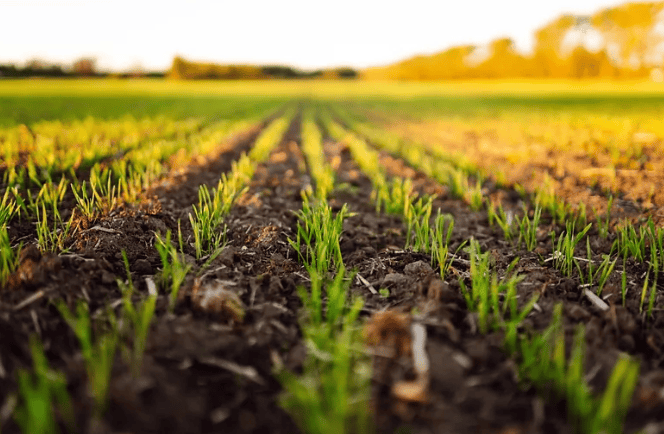
However, signs of dryness are emerging in the western region of North Dakota. Erika Olson, Marketing and Research Director of the North Dakota Wheat Commission, stated: "Many producers don't agree with the drought monitor results. They are surprised the map doesn't show drought colors, especially in the northwest and north-central regions, because these areas have had limited precipitation and are already starting to dry out." Although the official drought monitor shows the state is largely drought-free, field feedback points to a more complex situation.
Current soil moisture data also presents a divergence. The proportion of adequate topsoil moisture in North Dakota reaches 70%, but in Montana, 45% of plots are short of moisture, and 33% are severely short. Olson pointed out that early-season dryness will not cause damage if timely rainfall arrives after emergence; however, if the dryness persists into late spring, it could erode yield prospects. With recent forecasts predicting below-normal precipitation, market attention on weather changes is increasing.
Regarding acreage, the USDA's late March forecast projected national spring wheat planted area at 9.4 million acres, a year-on-year decrease of 6%, with North Dakota's decline reaching 8%, the lowest in over 50 years. Olson stated that as of May 6, field information remains consistent with this projection. "What we are hearing is that spring wheat acreage is decreasing, but the specific percentage is still unclear. Many farmers have already purchased fertilizer in advance, so they won't drastically adjust their planting plans; changes are likely to be marginal."
The situation for durum wheat is slightly more uncertain. Planting progress for this crop lags behind spring wheat; as of May 3, North Dakota was only 13% complete, and Montana was at 18%. Seed demand has exceeded expectations, sparking discussion about whether actual acreage might be higher than the official forecast, which currently predicts an 11% year-on-year reduction in national durum wheat area. In terms of price, durum wheat trends are relatively stagnant, with an insignificant price spread compared to spring wheat, which is not the norm for growers.
Overall, the future direction of spring wheat will depend on the interplay between planting completion, acreage variables, and the spatial and temporal distribution of rainfall. Recent rainfall conditions in the drier areas of the Northern Plains will serve as a key indicator.
This article is compiled by Wedoany. All AI citations must indicate the source as "Wedoany". If there is any infringement or other issues, please notify us promptly, and we will modify or delete it accordingly. Email: news@wedoany.com
Related Products

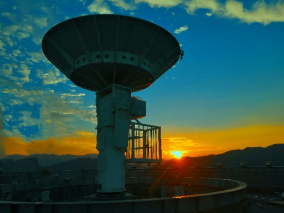
714CD Series C-Band Weather Radar
Chengdu Zhongdian Jinjiang Information Industry Co., Ltd.

4HS-8 High-efficiency Peanut Inverted-laying Harvester
Hebei Yongfa Hongtian Agricultural Machinery Manufacturing Co., Ltd.

Industrial and Commercial Point-Type Gas Detector
Jinan Benan Technology Development Co., Ltd.