China's Liaoning Hongyanhe Nuclear Power Successfully Achieves Domestic Replacement of P320 Control System
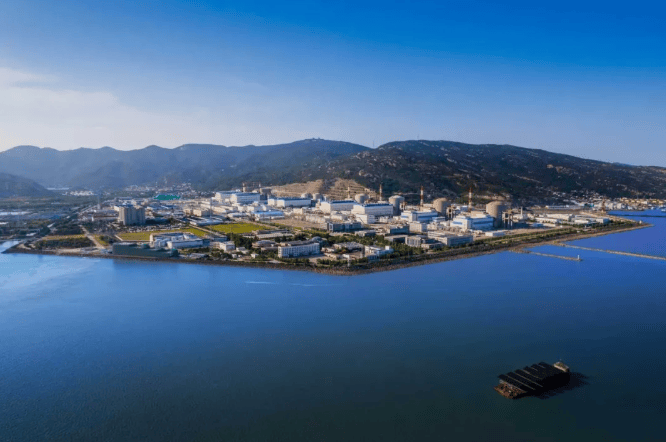
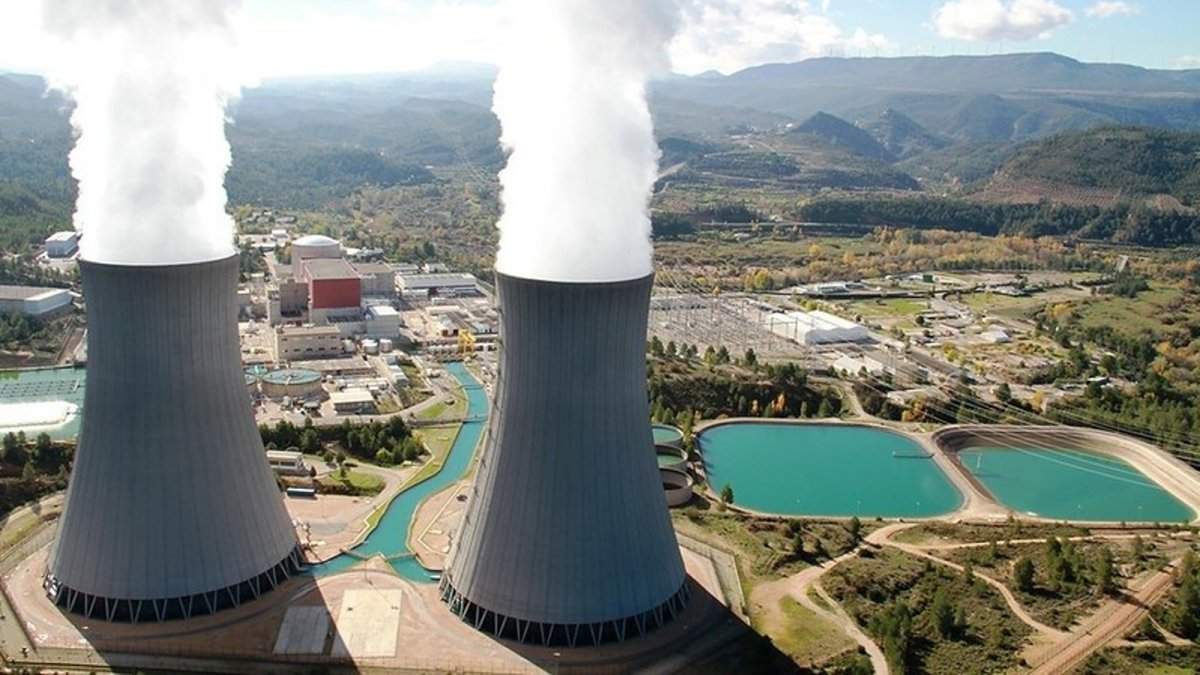
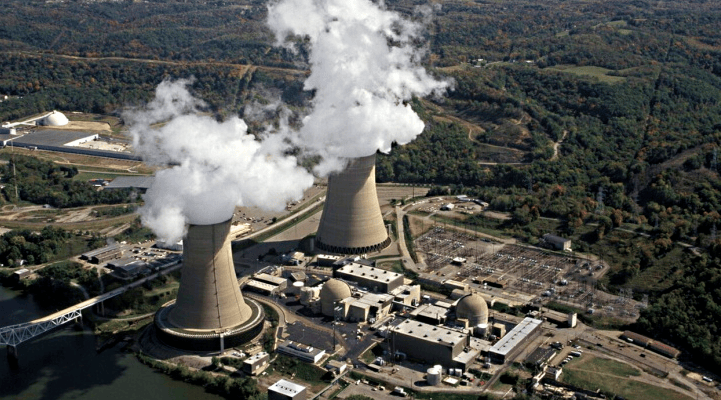
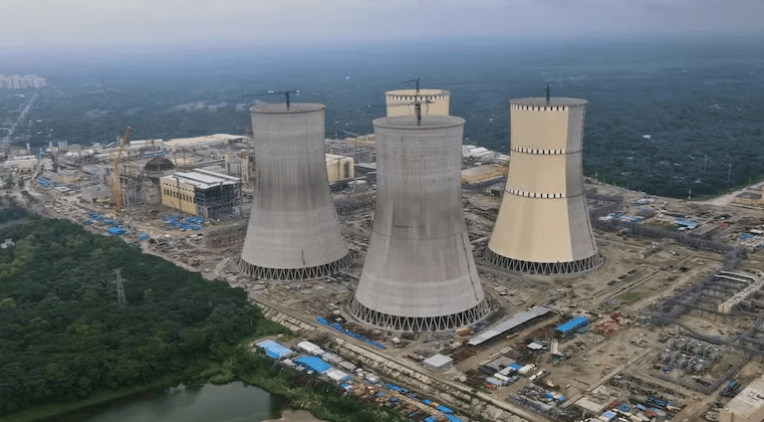
en.Wedoany.com Reported - Recently, after Unit 4 of China's Liaoning Hongyanhe Nuclear Power Plant was connected to the grid, it successfully completed the primary frequency regulation function and speed control system modeling tests, with all parameters meeting standards stably and demonstrating excellent performance. This marks the successful completion of the first P320 (turbine regulation and protection control system) domestication transformation project at Hongyanhe.
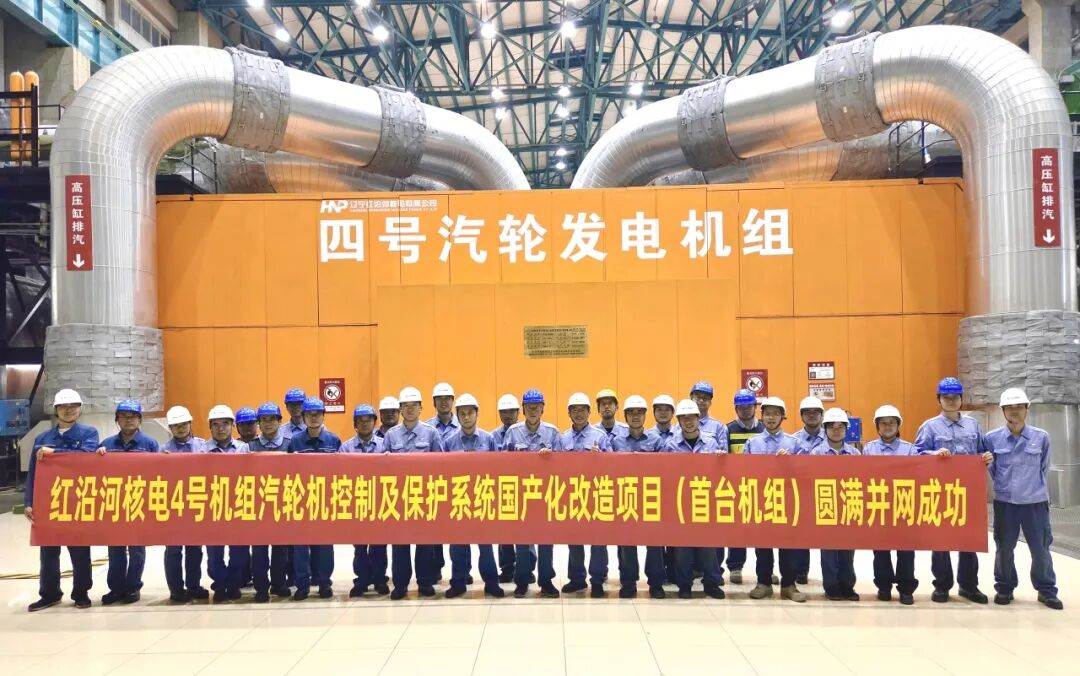
The turbine regulation and control system serves as the core brain and nerve center for the operation and regulation of nuclear power turbine units. Its core technology has long been monopolized by foreign entities. Issues such as closed core algorithms, opaque technical logic, discontinued spare parts, lagging foreign service, and persistently high operation and maintenance costs have become "pain points" constraining efficient unit operation and maintenance.
To completely break technological dependence and solidify the foundation for independent and controllable equipment, the Engineering Transformation Department of Hongyanhe Company led the establishment of a special task force, fully initiating the P320 domestication transformation. The project team dismantled technical difficulties item by item, conducting comprehensive analysis and verification of hardware architecture, software logic, control algorithms, and interlock protection. After numerous simulation exercises, integration verifications, and functional debugging, they successfully overcame core technical challenges. Post-transformation, the system outperforms the original imported system in key performance areas such as unit speed control accuracy and primary frequency regulation response efficiency.
Leveraging the complete practical experience from the first unit transformation, the project team systematically organized key control points across the entire process, establishing a full lifecycle standardization system covering scheme planning, equipment management, construction implementation, debugging and verification, risk prevention, and acceptance inspection. This has resulted in the accumulation of 29 construction procedures, contingency plans, and technical specifications, creating a replicable P320 domestication transformation solution.
Related Products
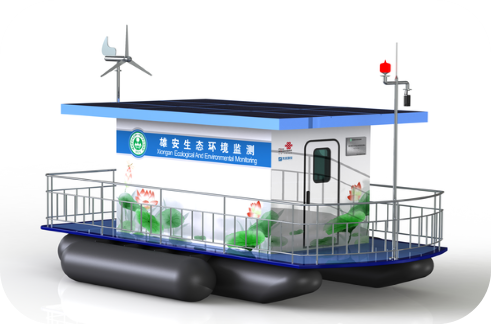

Floating Boat Water Quality Automatic Monitoring System
Hebei Sailhero Environmental Protection High-tech Co., Ltd.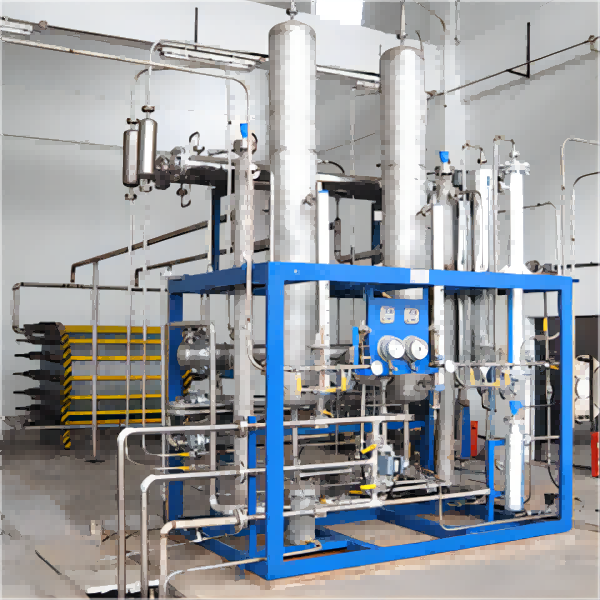
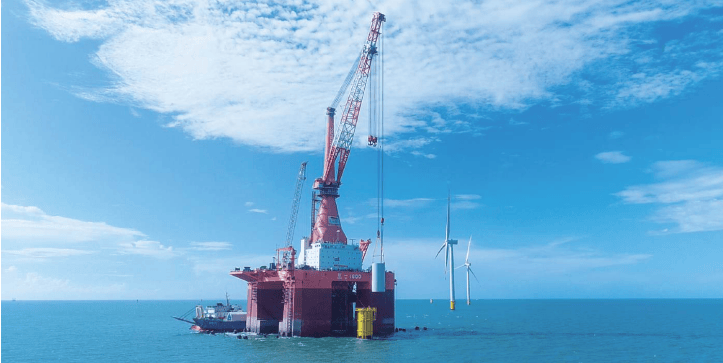
"Shunyi 1600" Deep-submerging Bottom-sitting Multi-functional Wind Power Engineering Vessel
Zhengli Offshore Engineering Co., Ltd.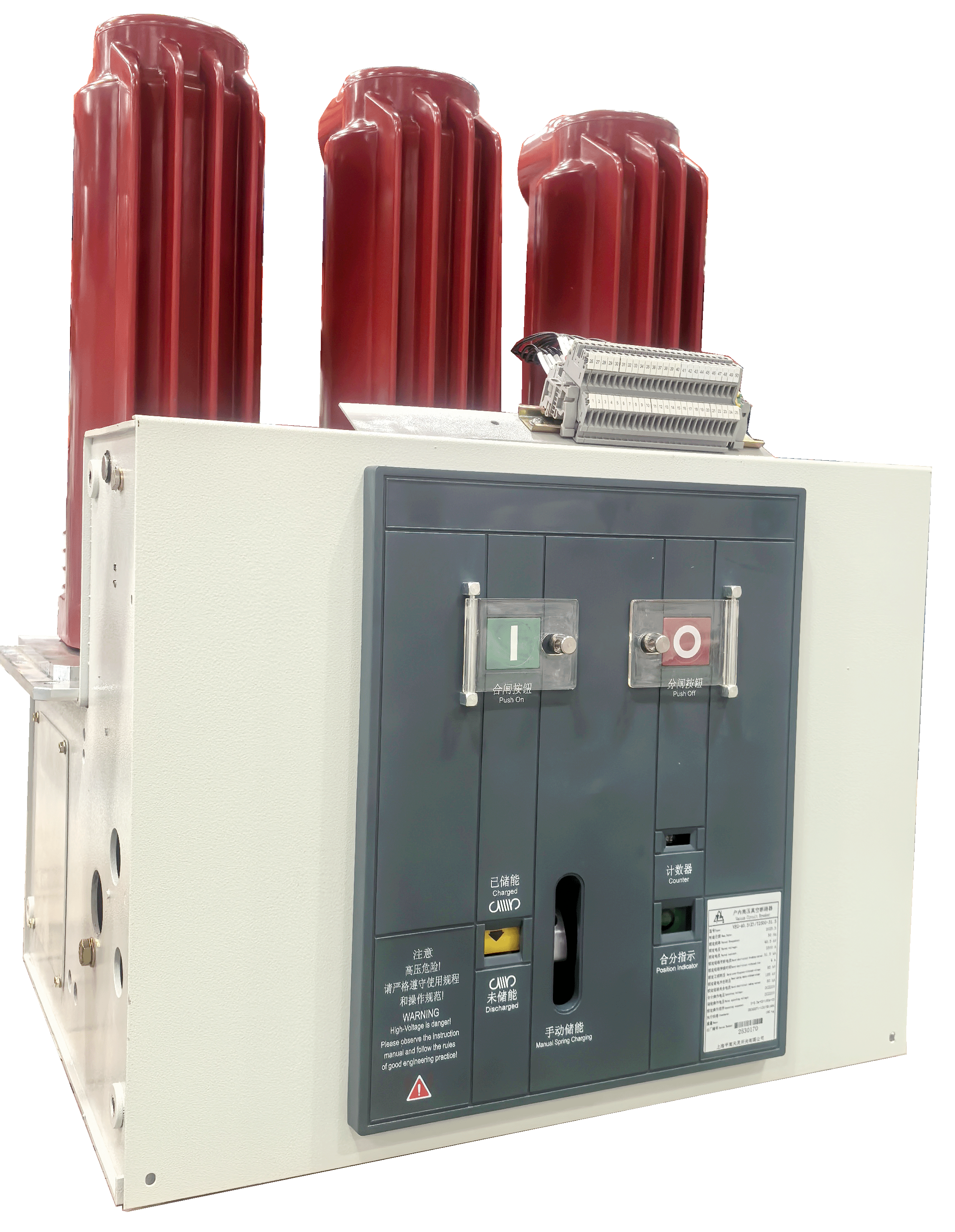
VEG-12/24/40.5 Series Vacuum Circuit Breaker
SHANGHAI PINGGAO TIANLING SWITCHGEAR CO., LTD.
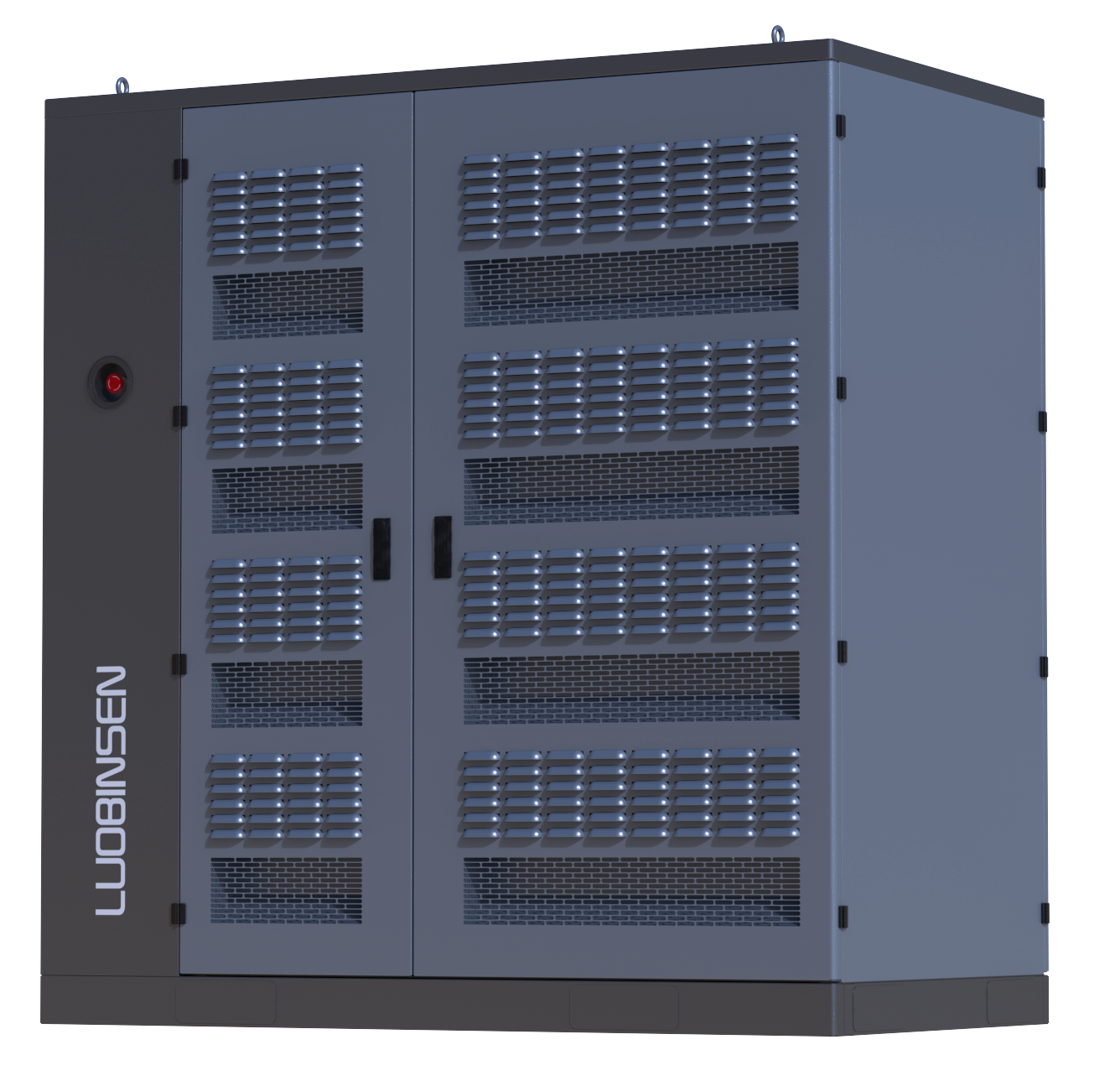


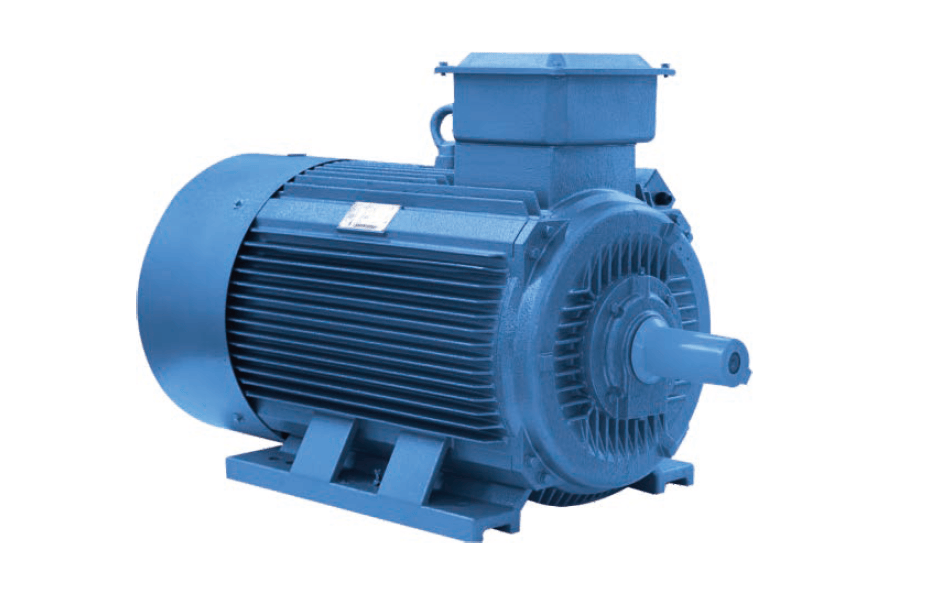
TYC Series High-Efficiency Permanent Magnet Synchronous Motor
Xiangdian Smart Energy Technology Co., Ltd.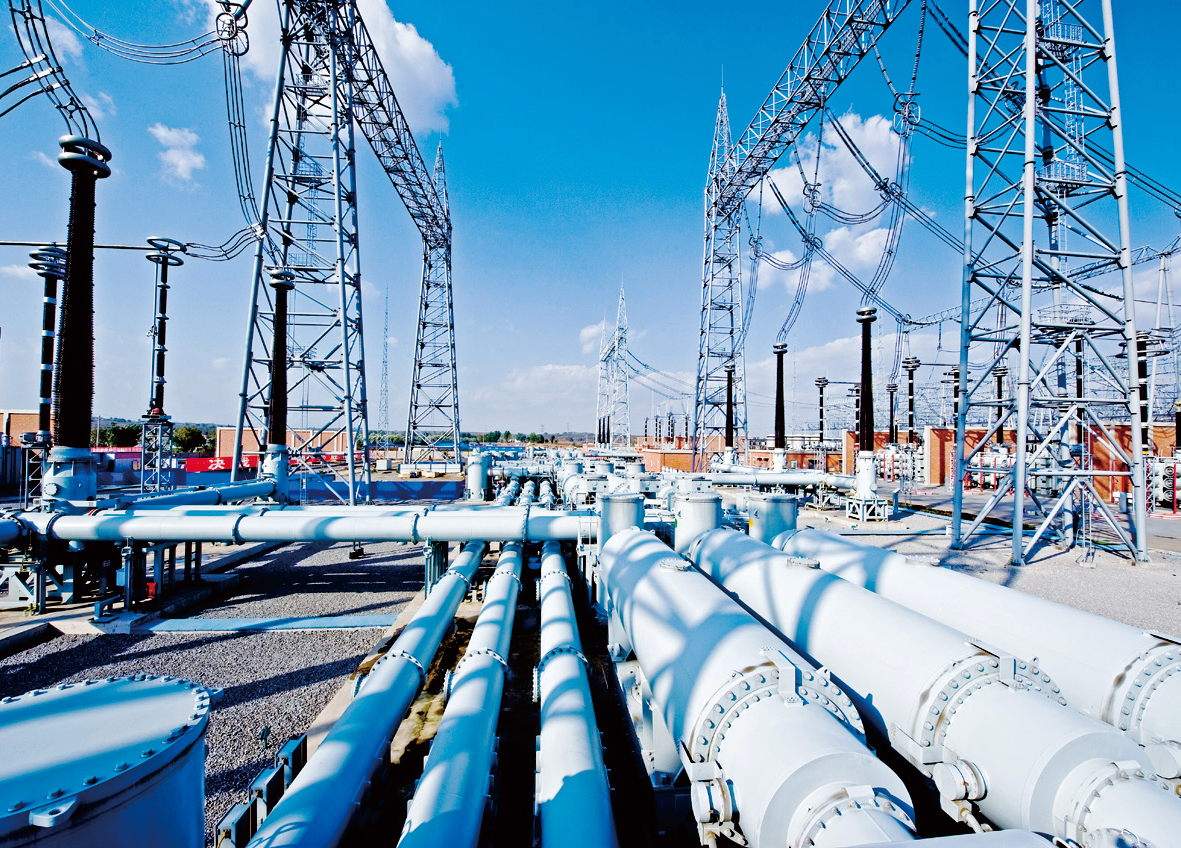
40.5kV-1100kV Gas Insulated Metal-Enclosed Switchgear (GIS)
Henan Pinggao Electric Co., Ltd.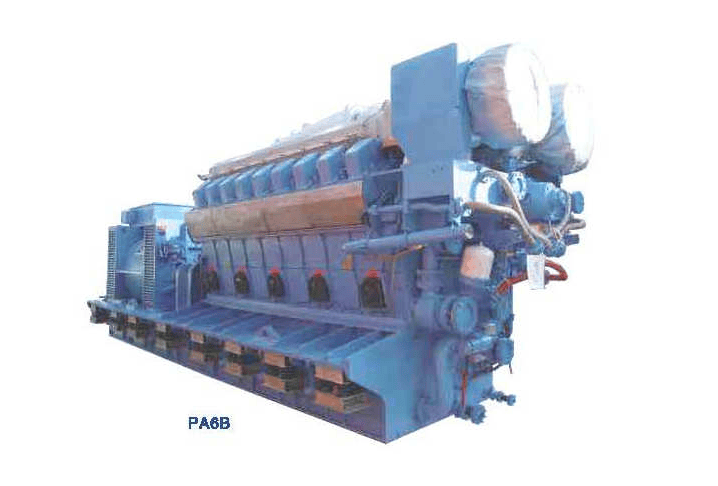
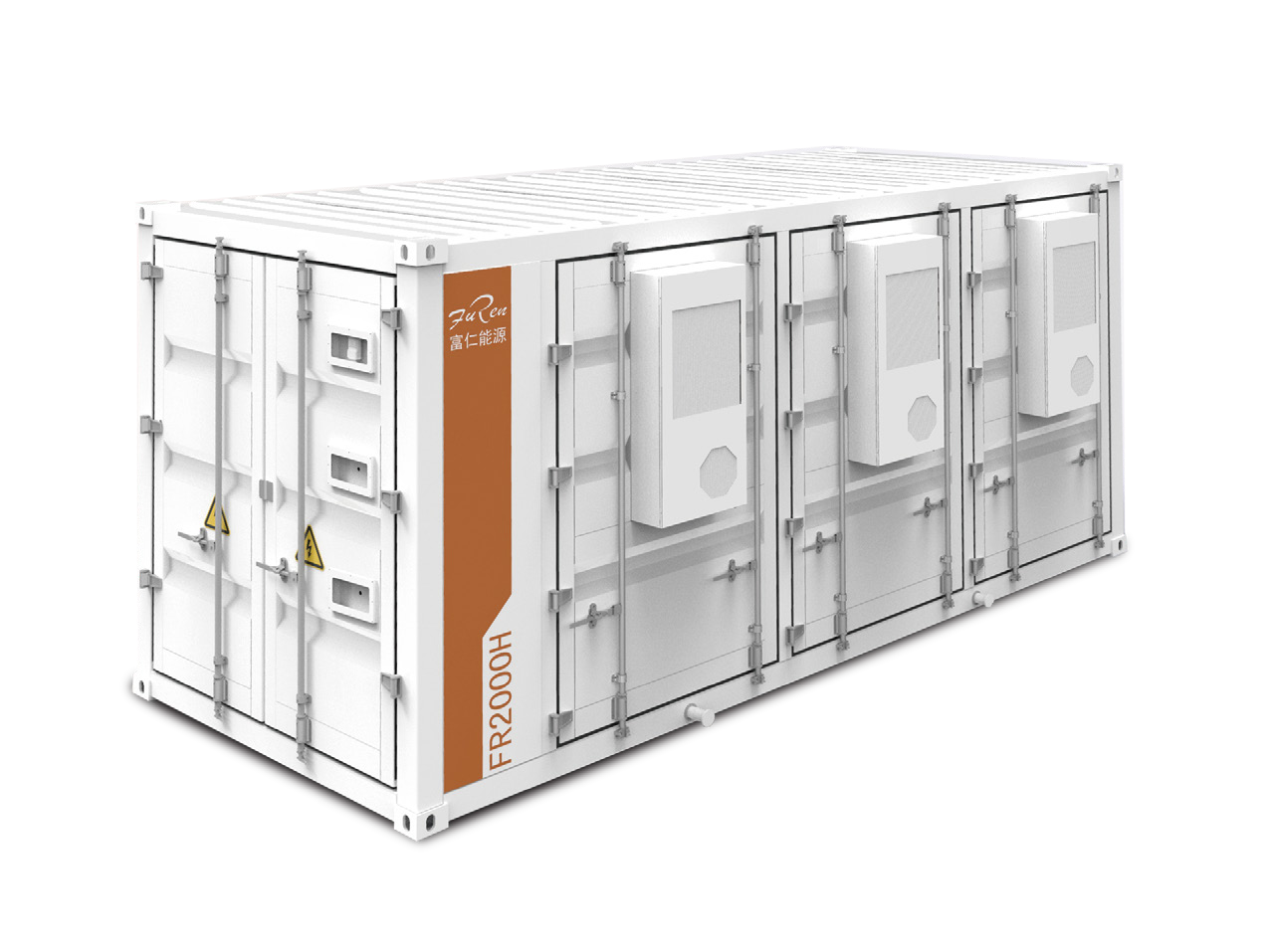
FR2000H 2.15MWh (Air-cooled) 20-foot Containerized Energy Storage System
Jiangyin Furen High-tech Co., Ltd.