Bass Family of Florida Plants 2,000 Achacha Trees to Open North American Market
en.Wedoany.com Reported - The Bass family of Florida, whose farm is located in Homestead, planted their first 100 achacha trees over a decade ago, and are now bringing this tropical fruit—nearly absent from the U.S. market—to consumers. The family plans to open the North American market for this fruit, native to Bolivia, through two routes: fresh fruit and processed products.
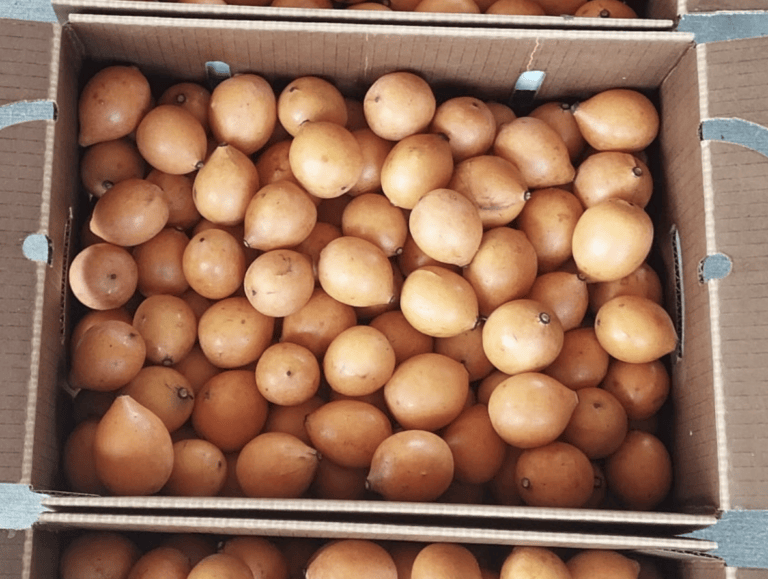
The achacha (Garcinia humilis), written as achachairú in Guaraní, means "honey kiss." Its appearance resembles a lime, with a deep orange rind and sweet, aromatic flesh carrying a hint of refreshing acidity. This fruit has almost no commercial cultivation outside its native Bolivia, and the trees have a long growth cycle—growers may wait nearly a decade before seeing significant yields. For most farmers, such a wait is enough to deter them, but the Bass family views this cycle as a starting point for differentiation in the market.
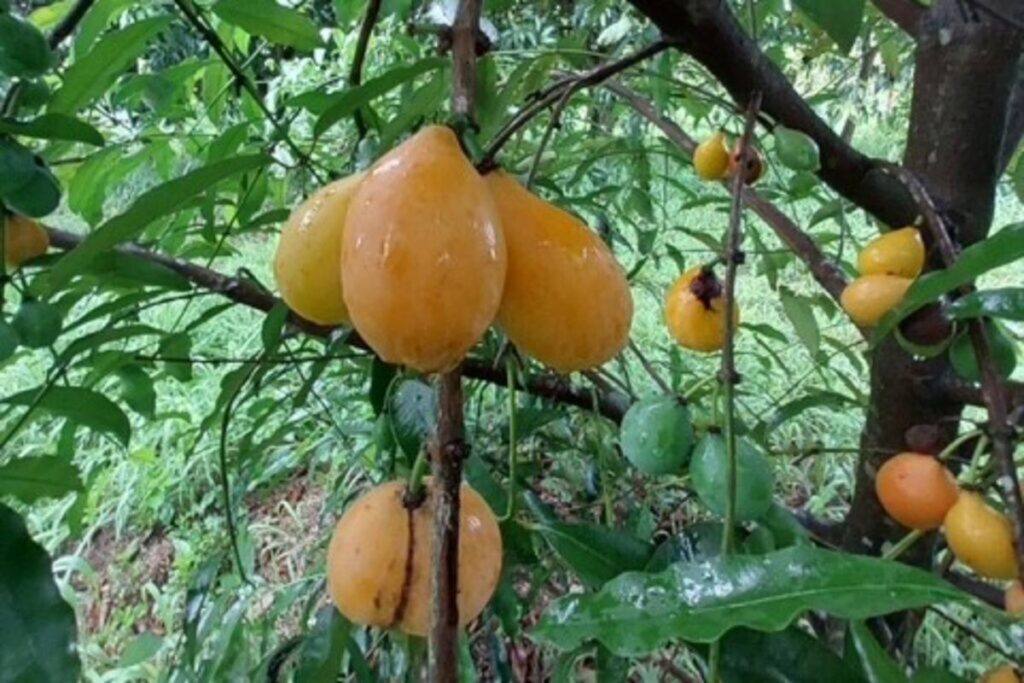
The Bass family's agricultural roots were originally in avocados. Their farm in Homestead has been certified organic since 2006, until laurel wilt swept through South Florida, killing millions of trees and causing the family to lose approximately 40% to 60% of their production within just a few years. Seeking a replacement crop, Murray Bass, introduced by Eric Tietig of Pine Island Nursery, brought in this Bolivian fruit, which had already shown potential in Australia at the time.
Currently, Bass Regenerative Farms has over 2,000 achacha trees and cultivates a total of 16 tropical crops, including guanábana (soursop), mamey Magana, mamey Key West, papaya, and pitahaya (dragon fruit).
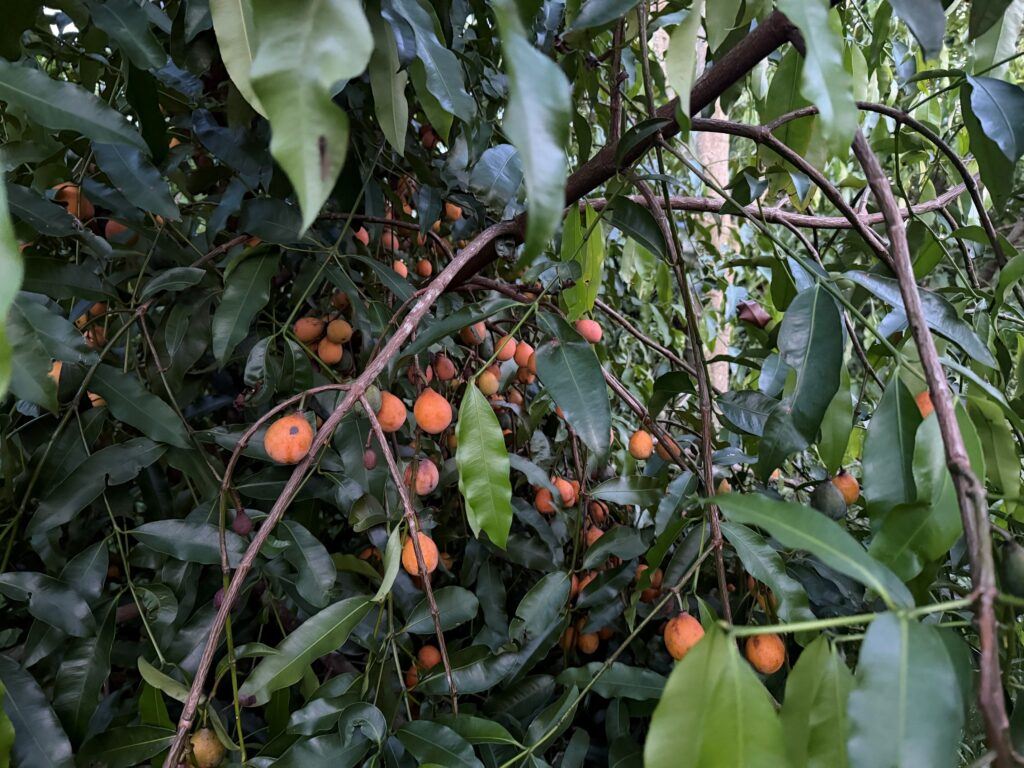
The commercial appeal of the achacha goes beyond flavor. Unlike many tropical fruits, it ripens on the tree rather than being ripened after harvest, and once picked, it can be stored for three to four weeks without refrigeration, making it well-suited for direct sales due to its transport resilience. Additionally, the fruit is rich in vitamin C and antioxidants. According to the company, in Bolivian folk tradition, the rind has long been applied to the skin to help address various skin issues, and related research is underway to inform consumers of other potential beneficial properties of different parts of the fruit.
The Bass family has not followed traditional wholesale channels; instead, they are betting on a direct-sales model with harvest-to-order and shipping within 24 hours. According to Aaron Bass, the company's general manager, the fruit is picked from the tree, placed in padded boxes, and shipped directly, typically reaching consumers within two to three days. Shortening the supply chain reduces the time products spend in warehouses and distribution centers while allowing growers to retain more value. Aaron also noted that agricultural land in Homestead is gradually being replaced by real estate projects, and protecting farmland is a key driver behind this model.
The company's operations also incorporate regenerative agriculture principles, avoiding reliance on synthetic fertilizers and pesticides in favor of prioritizing soil biology, biodiversity, and natural ecological processes. The Bass family reports that this has led to lower production costs and higher productivity per hectare. The fruit's surface may bear minor blemishes, which are seen as a natural outcome of a sustainable production system, and the company's marketing strategy emphasizes origin, freshness, and growing methods rather than flawless appearance.
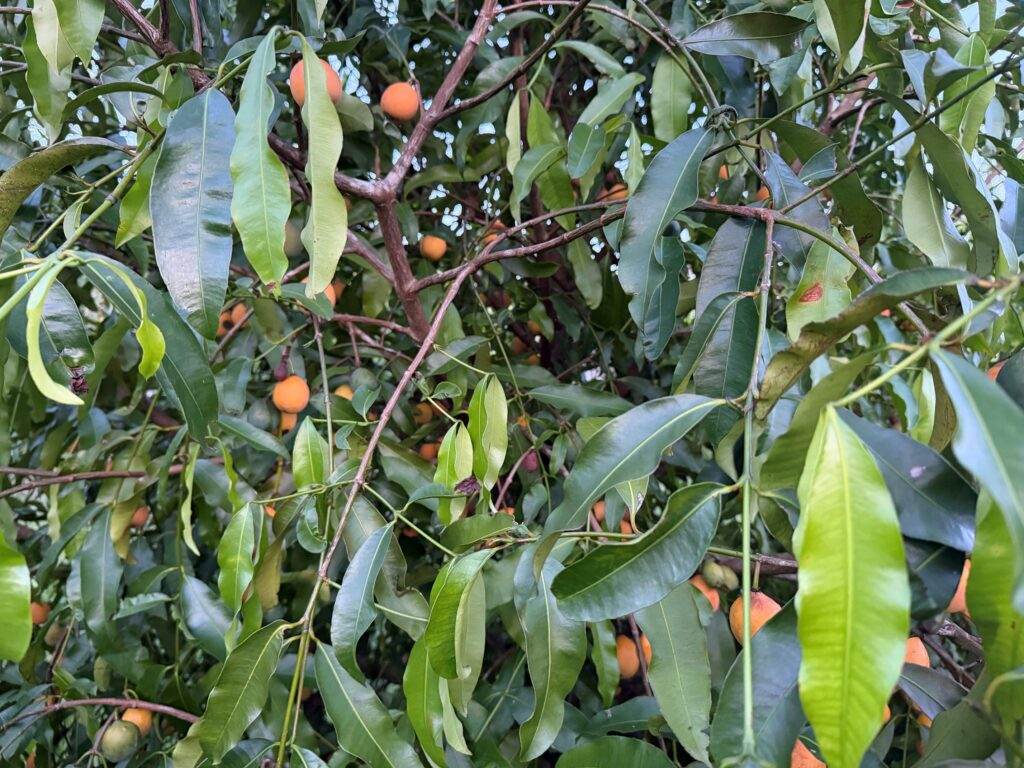
Beyond fresh fruit, the Bass family has developed derivative product lines, including freeze-dried fruit, rind powder, brewed beverages, farm-produced honey, and frozen products. The achacha popsicle, launched in partnership with Florida-based Hyppo Gourmet Ice Pops, is among the first products to hit the market. The company plans to build its own processing facility to convert lesser-grade fruit from various tropical crops into high-value-added products, reducing waste.
Related Products

4HS-8 High-efficiency Peanut Inverted-laying Harvester
Hebei Yongfa Hongtian Agricultural Machinery Manufacturing Co., Ltd.
Industrial and Commercial Point-Type Gas Detector
Jinan Benan Technology Development Co., Ltd.



714CD Series C-Band Weather Radar
Chengdu Zhongdian Jinjiang Information Industry Co., Ltd.