Boao Energy's 1 MW Silica Sand Thermal Storage Unit Demonstrated at Xinjiang Oilfield
en.Wedoany.com Reported - Boao Energy's self-developed 1 MW tower-type silica sand thermal storage wellhead heating unit, the first of its kind in China, recently completed continuous operation validation at an oilfield well site in Xinjiang. During the system's operation, conditions remained stable and output met standards, marking a commercial demonstration application of fluid-solid coupled high-temperature silica sand thermal storage technology in oilfield wellhead heating scenarios.
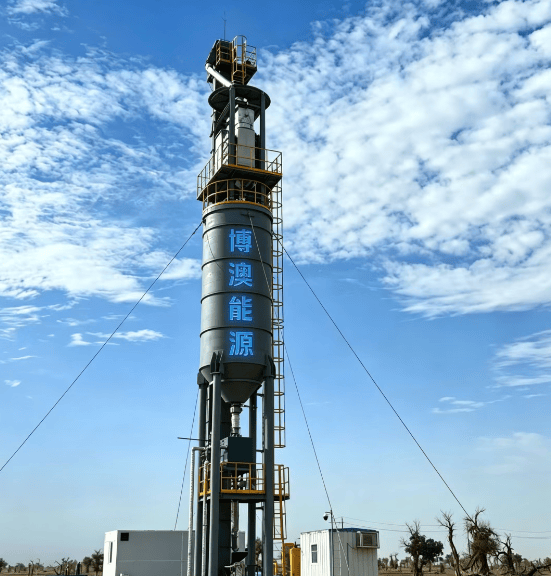
Traditional oilfield wellheads are mostly heated by gas-fired water jacket furnaces, which consume large amounts of natural gas, produce high carbon emissions, and carry safety risks such as leakage and deflagration. Boao Energy's integrated "green electricity + silica sand thermal storage" solution, centered on its self-developed tower-type silica sand thermal storage system, leverages the material properties of silica sand—high temperature resistance, non-corrosiveness, low cost, and long service life—to build a full-chain closed loop of "thermal storage—heat exchange—wellhead heating."
The system uses green electricity during off-peak hours to heat silica sand to above 700°C for heat storage, and stably outputs thermal energy during the day through primary and secondary closed-loop circulation, achieving a comprehensive thermal efficiency of 95%. The equipment fully complies with well site space and fire separation distance requirements, and has passed operational tests in Xinjiang's desert environment characterized by large diurnal temperature differences and wind-sand erosion.
After replacing gas-fired furnaces, this 1 MW thermal storage unit can provide stable heating around the clock, eliminating the wellhead's dependence on natural gas. The silica sand medium is non-toxic, non-flammable, and non-corrosive, eliminating the deflagration risk of gas equipment; combined with peak-valley staggered operation, energy costs are also effectively reduced. The system is also equipped with a highly automated intelligent control system.
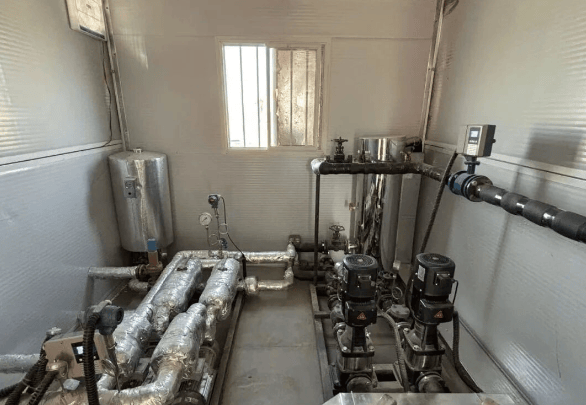
Based on the operational results of this demonstration project, the technology is planned for large-scale deployment at surrounding wellheads, with a total planned capacity reaching the hundred-megawatt level. Preliminary estimates indicate that large-scale application could reduce carbon dioxide emissions by approximately 200,000 tons annually, supporting oilfields in achieving their "dual carbon" goals.
The equipment features a modular design with a compact footprint, adaptable to scattered wellheads, and can be rapidly replicated across onshore oilfields. Both the core equipment and control systems are fully self-developed and controllable, providing a scalable industrial-grade solution for clean substitution in the oil and gas industry and the industrialization of high-temperature thermal storage equipment.
Related Products

NISELA Series Environmentally Friendly Gas-Insulated Ring Main Unit
XJ DELISHIER ELECTRIC CO., LTD.
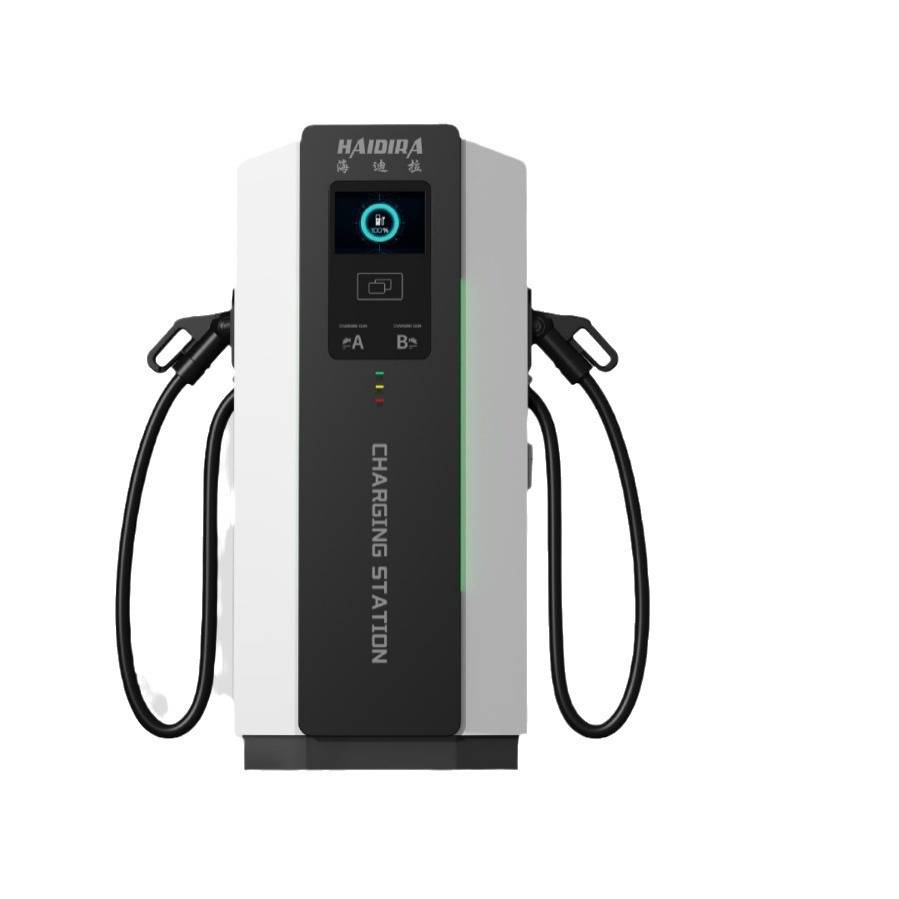
Manufacturer Direct Sales Tesla New Energy Electric Vehicle Universal DC 180kW Dual-gun Charging Pile Commercial Fast Charger
Anhui Haidira Electric Technology Co., Ltd.
Standard Nozzle Flowmeter
Jinggong Automatic Control Instrument Complete Technology Development Company