As of April 2026, passenger traffic fell at 6 of Delta's US hubs; JFK down 2.4%
en.Wedoany.com Reported - According to data from the U.S. Department of Transportation (DOT), in the 12 months through April 2026, six of Delta Air Lines' nine U.S. hubs saw year-over-year declines in passenger throughput, though most declines were limited; three hubs—Boston, Detroit, and Salt Lake City—posted growth.
Delta Air Lines is one of the largest airlines in the United States and globally. Given the country's vast size and large population, Delta, like most U.S. carriers, employs a multi-hub network model, operating multiple bases across the nation to achieve better coverage in competition with rivals such as American Airlines and United Airlines.
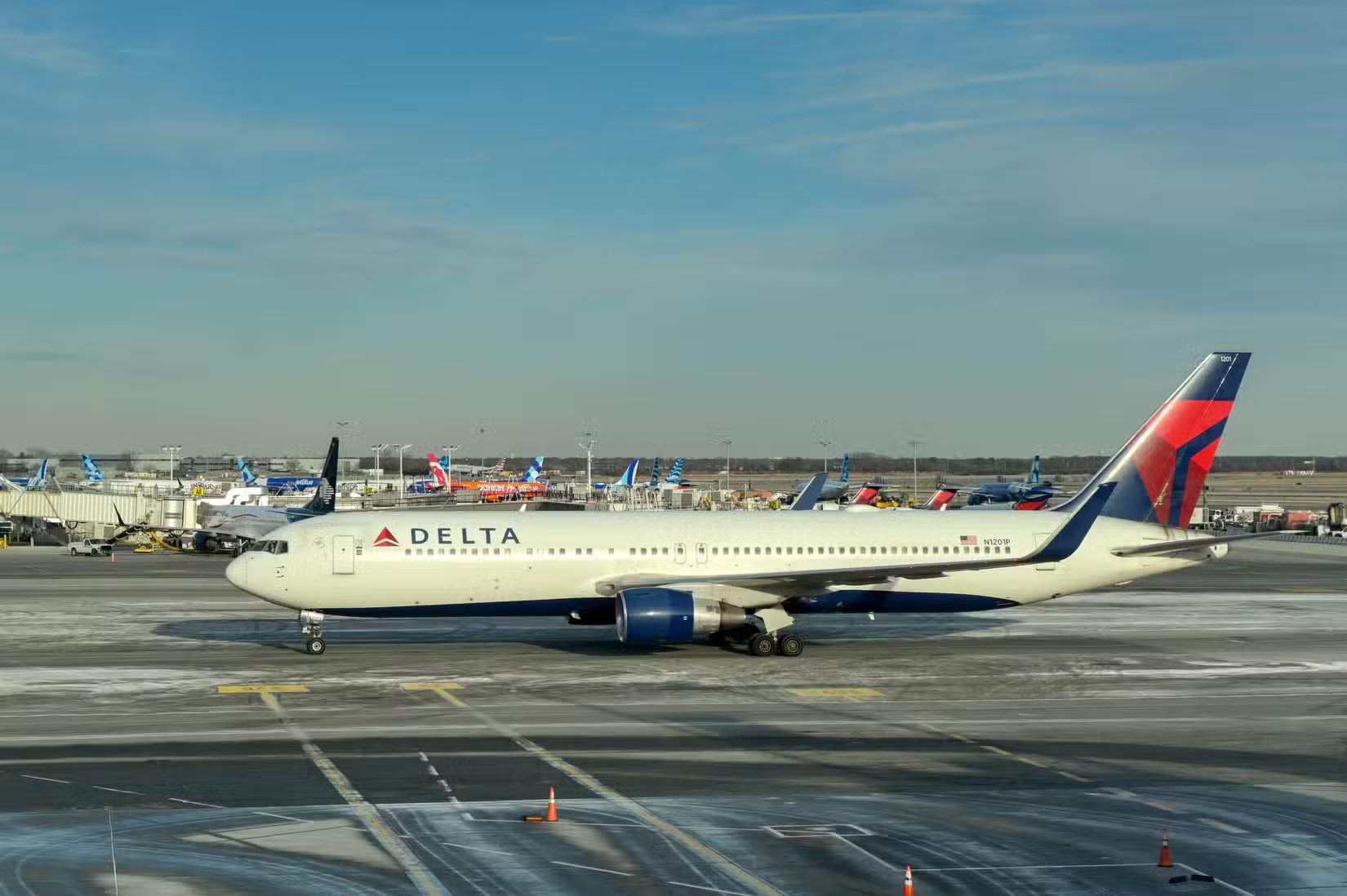
Among the hubs with declining passenger volumes, New York-JFK saw the most pronounced drop, with passenger numbers falling from 18,714,750 to 18,257,449, a decline of 2.4%. Delta operates more flights and seats at JFK than any other airline, with more than 225 daily departures at peak times, serving nearly 100 domestic and international destinations. Delta has also commented on its transcontinental routes to JFK.
Los Angeles International Airport (LAX) saw passenger numbers fall from 13,671,676 to 13,439,470, down 1.7% year over year. Due to increased competition from Alaska Airlines, Delta has recently been expanding its Seattle operations, but its primary West Coast hub remains LAX.
Minneapolis-Saint Paul International Airport (MSP), with the third-largest decline, saw passenger numbers fall from 24,815,603 to 24,495,018, a drop of 1.3%. According to aviation analytics firm Cirium, Delta flights at the airport provided a total of 30.6 million seats during the same period, including 24.4 million on mainline and 6.2 million on regional aircraft. LaGuardia Airport saw passenger numbers fall from 13,816,823 to 13,667,234, a decline of 1.1%.
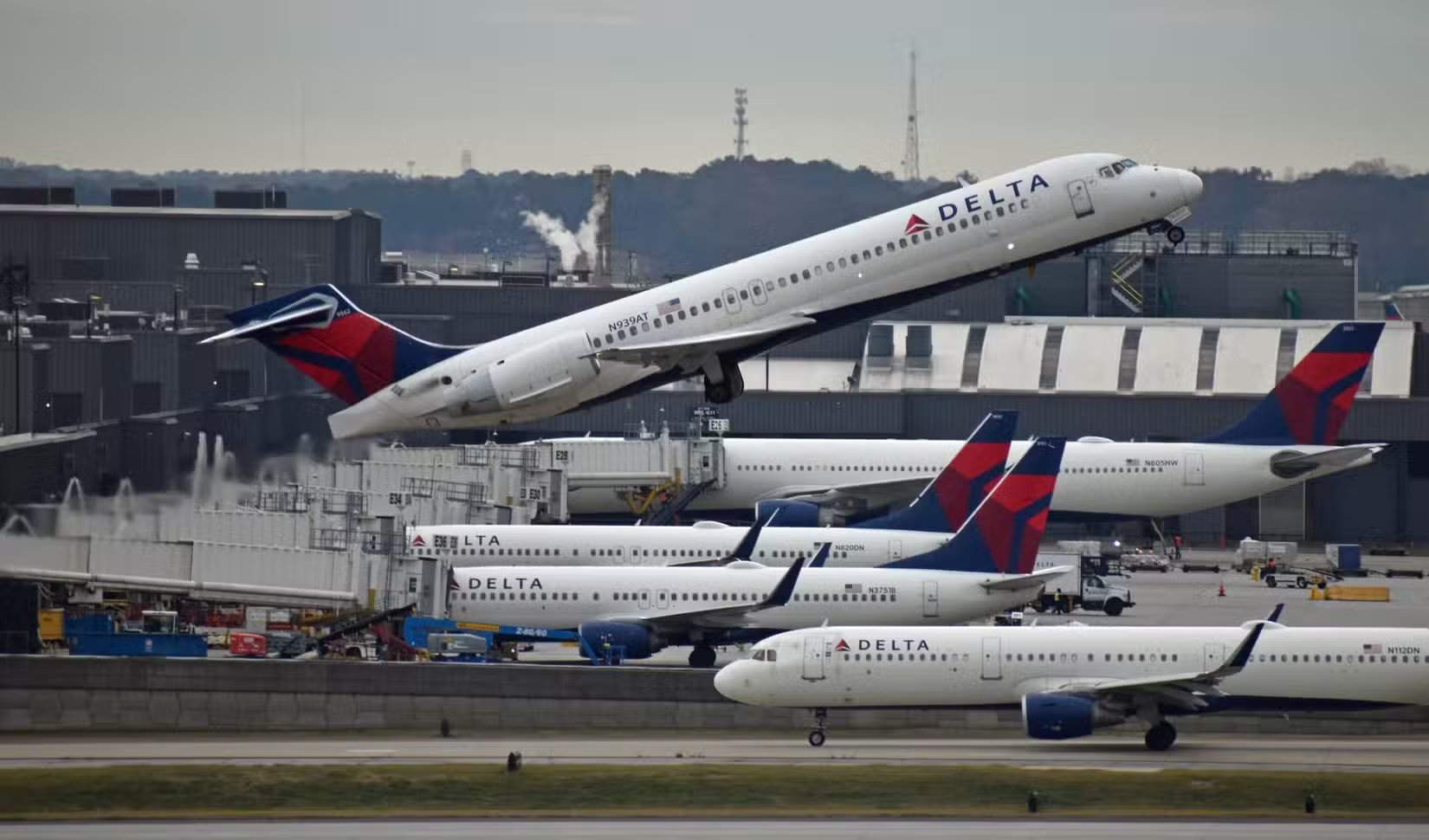
Seattle-Tacoma International Airport (SEA) saw passenger numbers fall from 12,349,600 to 12,310,370, a decline of 0.3%; in the 12 months through April 2026, Delta flights to and from Seattle provided a total of 15.4 million seats. At Delta's largest hub, Atlanta's Hartsfield-Jackson International Airport (ATL), passenger numbers fell from 81,434,269 to 81,251,715, a decline of just 0.2%; during the same period, Delta flights to and from Atlanta provided a total of 98.8 million seats, including 92.7 million on mainline and 6.1 million on regional aircraft.
Among the three hubs with rising passenger volumes, Boston Logan International Airport (BOS) posted the largest percentage increase, with two-way passenger traffic rising from 10,972,120 in 2024/25 to 11,239,494 in 2025/26. Detroit Metropolitan Wayne County Airport (DTW) saw the largest absolute increase, with annual passenger numbers rising by nearly 500,000, from 22,846,144 to 23,340,073, an increase of 2.2%, ranking second in percentage terms. Salt Lake City International Airport (SLC) in Utah also continued to grow, with annual passenger numbers rising from 18,567,498 to 18,674,576, an increase of 0.6%.
Related Products