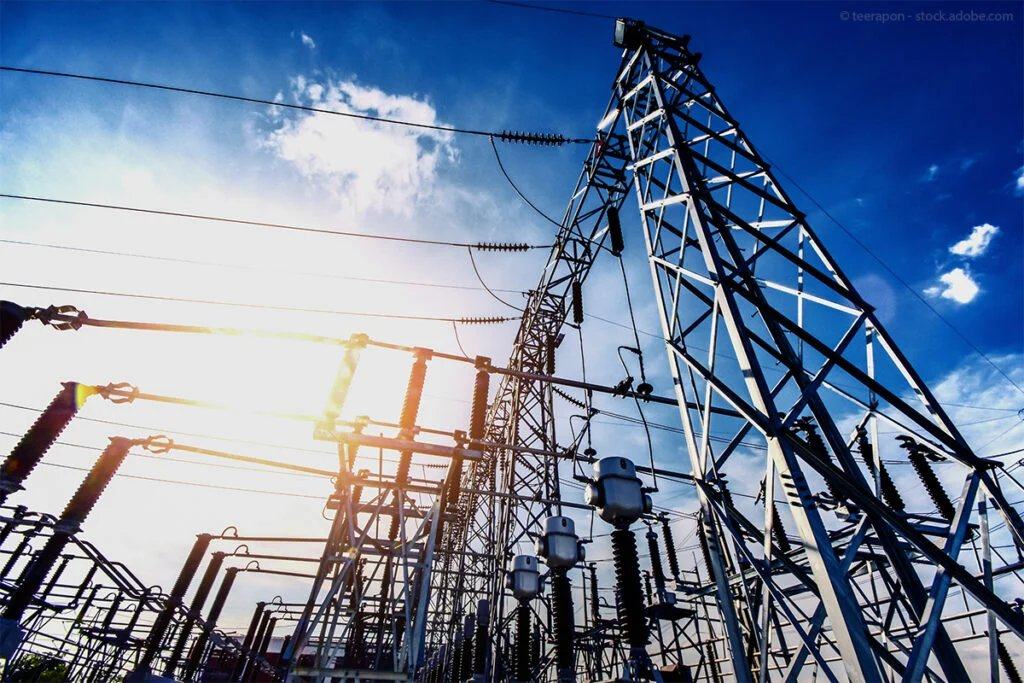
Spanish grid operator launches cable laying for Biscay Bay interconnection with France
en.Wedoany.com Reported - Red Eléctrica, Spain's electricity system operator, has launched the laying of submarine cables for the Biscay Bay interconnection with France. The company is jointly advancing the project with French operator RTE through their joint venture Inelfe, which will increase electricity exchange capacity between the two countries from 2,800 megawatts to 5,000 megawatts upon completion. The interconnection will link the Iberian Peninsula with the French electricity system via underground and submarine lines.
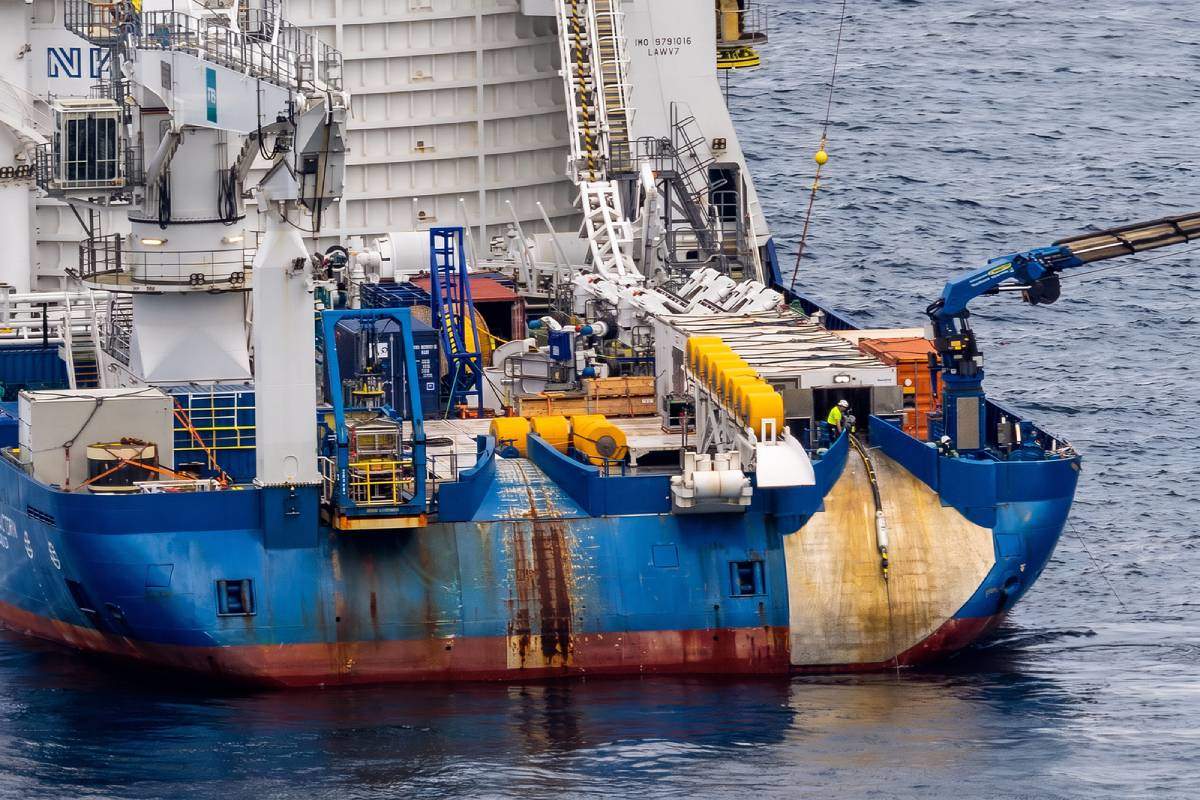
The cable-laying vessel NKT Victoria has begun operations from the town of Lemoiz in Biscay province. The first phase of work along the Basque coast covers 65 kilometers of line and is being carried out by Danish company NKT, which is also responsible for supplying the cables for the project.
This interconnection will comprise four submarine cables, along with fiber-optic cables for infrastructure operation. Offshore operations will run from this summer through summer 2027, between the Basque coast and the French coast near Bordeaux.
NKT Victoria is one of the few vessels capable of undertaking such operations. Measuring 140 meters in length with a capacity of 11,000 tons, it is specifically designed for installing submarine connections at great depths and in nearshore areas, meaning it can typically complete laying operations without the need for auxiliary vessels. During installation, the vessel will operate in waters up to 140 meters deep; cables will be buried along the route or covered with rock depending on whether the seabed is sandy or rocky.
The submarine section of the line totals 276 kilometers. In addition to the submarine segment, a 27-kilometer underground intermediate section will be laid in France, allowing the cables to travel onshore and bypass the Capbreton submarine canyon before re-entering the sea.
Prior to the start of offshore laying, Red Eléctrica completed onshore civil works at Lemoiz to enable the transition between the underground and submarine sections. This phase required four directional drillings beneath the cliff, each approximately one kilometer long, with exits located on the seabed about 500 meters from the coastline to minimize environmental impact.
Once each phase is completed, the cables will connect the Basque coast to the converter station in Gatika via the underground section; on the French side, they will connect the coast to the converter station in Cubnezais, near Bordeaux.
Red Eléctrica has followed sustainability principles and adapted to terrain conditions in planning the route to limit landscape impact and protect vegetation and wildlife in affected areas. Since the project's inception, the company has coordinated continuously with administrative authorities and the fishing sector to adapt the infrastructure and operations to the environment. The project also benefits from collaboration with AZTI, a technology center specializing in the marine environment, with which a research and environmental monitoring program has been launched to track the presence of marine mammals and commercially valuable fish species within the line's area of influence.
Overall execution of the interconnection project has reached 60 percent. The increased electricity exchange capacity between Spain and France is expected to strengthen supply security and quality, improve electricity system efficiency, and facilitate greater integration of renewable energy.
The project is recognized by the European Union as a Project of Common Interest and receives co-funding from CINEA (European Climate, Infrastructure and Environment Executive Agency), as well as support from the European Investment Bank (EIB).
Related Products


Mineral-insulated Compact Busway (Fire-resistant Busduct)
Zhuhai Guangle Electric Busway Co., Ltd.
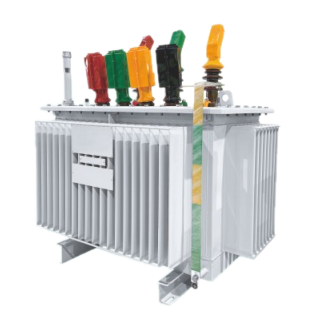
IS(B)□-M·RL Series Oil-immersed 3D Transformer (Planar / 3D Wound Core)
Guangdong Kehua Electric Power Technology Co., Ltd.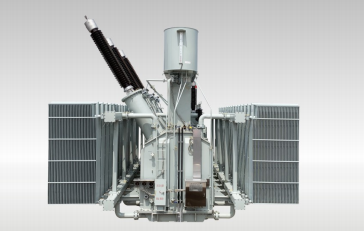
220kV and Below Voltage Level Energy-saving Oil-immersed Power Transformers
FuZhou TianYu Electric Co., Ltd.