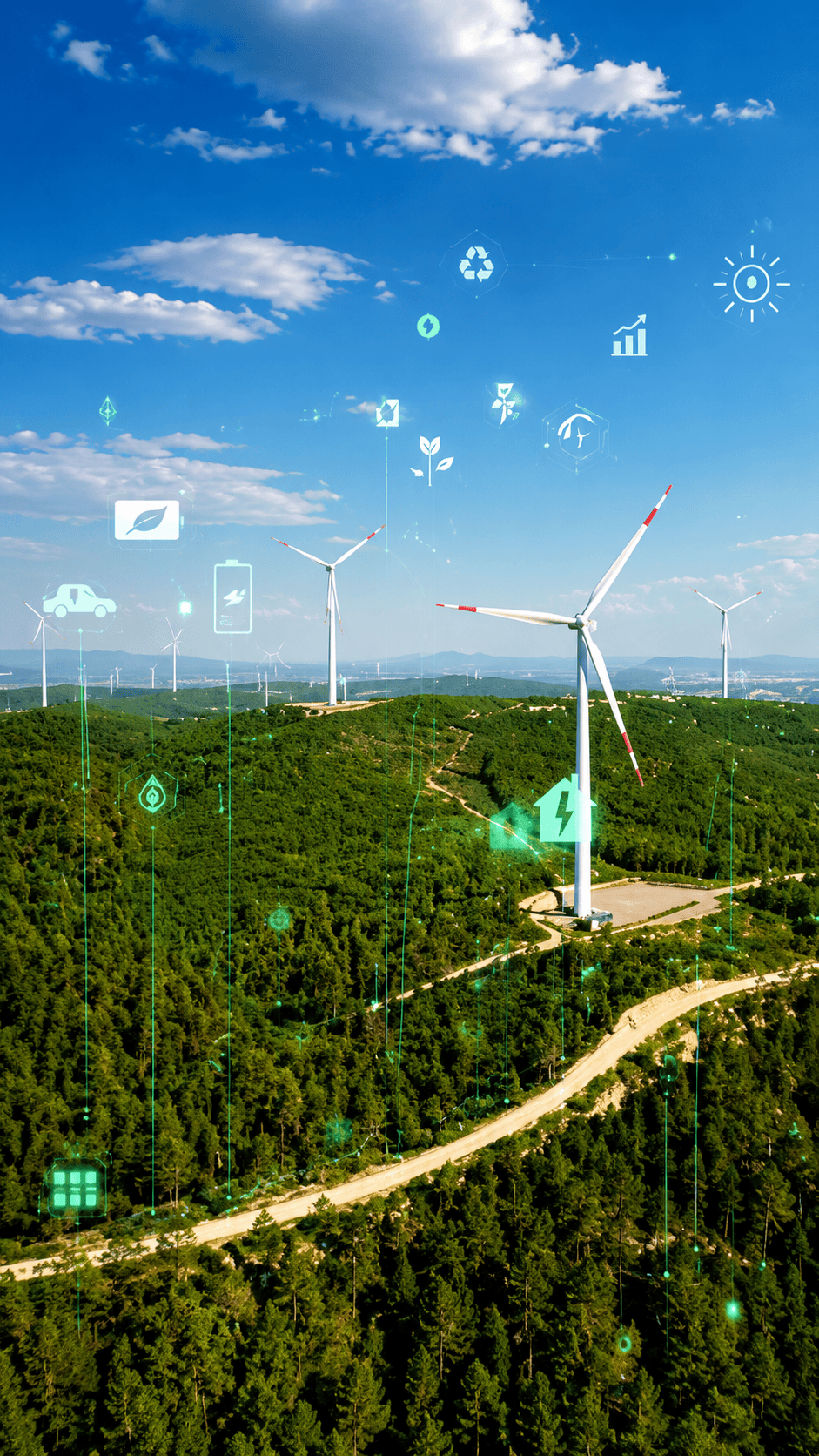
China's 15th Five-Year Plan for New Power Systems: 2.8 Billion kW of New Energy Consumption by 2030
en.Wedoany.com Reported - On August 3, the National Development and Reform Commission and the National Energy Administration released the "15th Five-Year Plan for the Construction of New Power Systems," clarifying the overall approach to China's power development over the next five years, setting the strategic goal of initially establishing a new power system by 2030, and deploying the main objectives, major projects, and key tasks for the development of the power industry.
During the "15th Five-Year Plan" period, surging electricity demand from computing power, accelerating growth in electric vehicle charging demand, coupled with rigid increases in electricity consumption from other industries and residential use, are expected to drive an average annual increase in national electricity consumption of around 600 billion kWh—equivalent to adding the electricity consumption level of a medium-sized economy every year.
A relevant official from the National Energy Administration stated that the plan implements the overall requirements of accelerating the construction of a new power system that is clean, low-carbon, safe, sufficient, economically efficient, coordinated in supply and demand, and flexible and intelligent, balancing the three key aspects of supply security, transition, and economy. In terms of supply security, while continuously enhancing the power support level of non-fossil energy, the plan calls for leveraging inter-provincial power mutual assistance, new-type energy storage, and virtual power plants to promote coordinated efforts across source, grid, load, and storage, while consolidating the fallback guarantee role of traditional power sources such as coal and gas power to ensure a reasonable margin in power supply.
On the premise of safeguarding energy security, the plan proposes that by 2030, a green and low-carbon power supply pattern will be basically established, with non-fossil energy accounting for 50% of electricity generation. Yang Kun, Executive Vice Chairman of the China Electricity Council, stated that China has basically formed a clean power supply system with diversified development of coal, gas, nuclear, and renewable energy. During the "15th Five-Year Plan" period, the dominant position of non-fossil energy power installations will be further consolidated, and the dominant role of electricity in end-use energy consumption will also be further strengthened, providing strong support for economic and social development and the green and low-carbon transition.
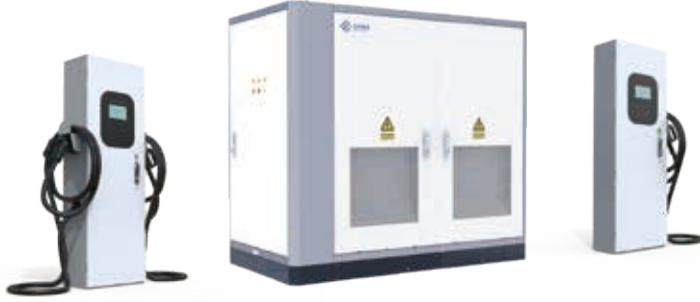
Regarding grid construction, the plan proposes that by 2030, a safe, reliable, green, low-carbon, robust, resilient, intelligent, and flexible new power grid will be initially established, achieving high-level consumption of more than 2.8 billion kW of new energy and building a charging infrastructure network capable of supporting the travel needs of over 110 million electric vehicles.
Regarding new energy consumption, the relevant official from the National Energy Administration stated that the plan proposes new measures to systematically address new energy consumption, clarifying new requirements for classified development and layout of new energy and tiered control of utilization rates, strengthening grid adaptability and regulation capacity construction, and further leveraging the role of the power market.
With the surge in electricity demand from computing power, data released by the China Electricity Council shows that during the "15th Five-Year Plan" period, the national annual average increase in computing power electricity consumption is expected to exceed 100 billion kWh, reaching 800 billion kWh by 2030, accounting for about 6% of total social electricity consumption. The plan proposes coordinating energy resource allocation with computing facility construction, jointly planning the layout of computing and power projects to strengthen computing through electricity and promote electricity through computing, while increasing the share of green electricity used by computing facilities.
In addition, the plan also proposes promoting coordinated linkage between electricity and heat, electricity and hydrogen, and advancing the integrated development of power and transportation. Xiao Hongwei, Director and Researcher of the Policy Simulation Laboratory of the Economic Forecasting Department at the National Information Center of the National Development and Reform Commission, stated that the plan not only focuses on power development itself but also promotes the coordinated integration of power with computing, transportation, and other fields, striving to leverage the mutually reinforcing role between the new power system and the modern industrial system.
Related Products
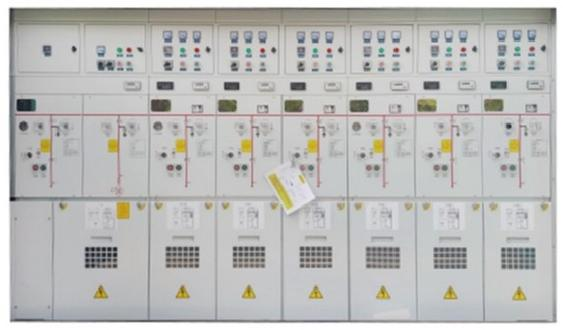

NISELA Series Environmentally Friendly Gas-Insulated Ring Main Unit
XJ DELISHIER ELECTRIC CO., LTD.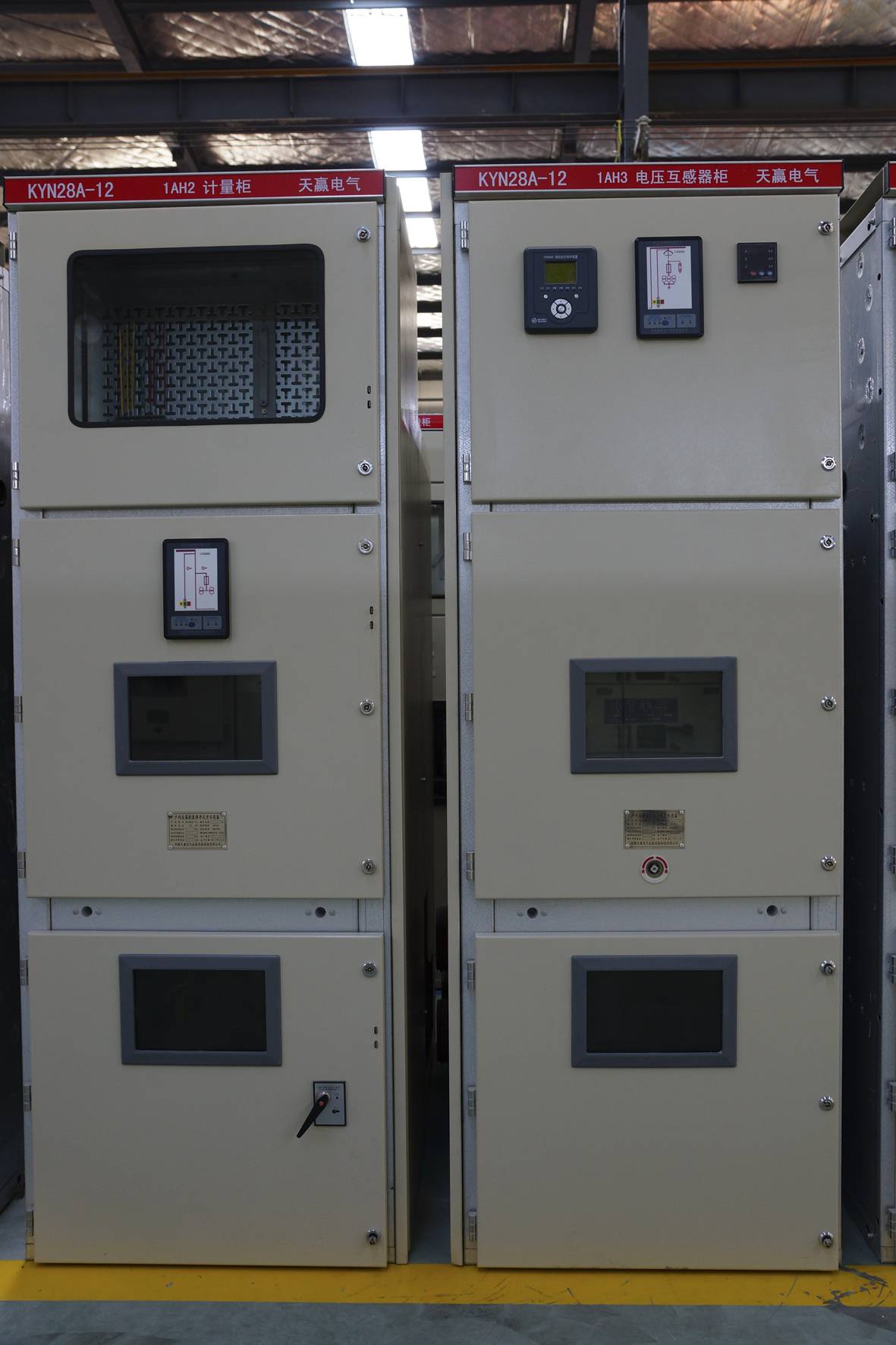
KYN28 - High Voltage Switchgear
Anhui Tianying Electrical Equipment Manufacturing Co., Ltd.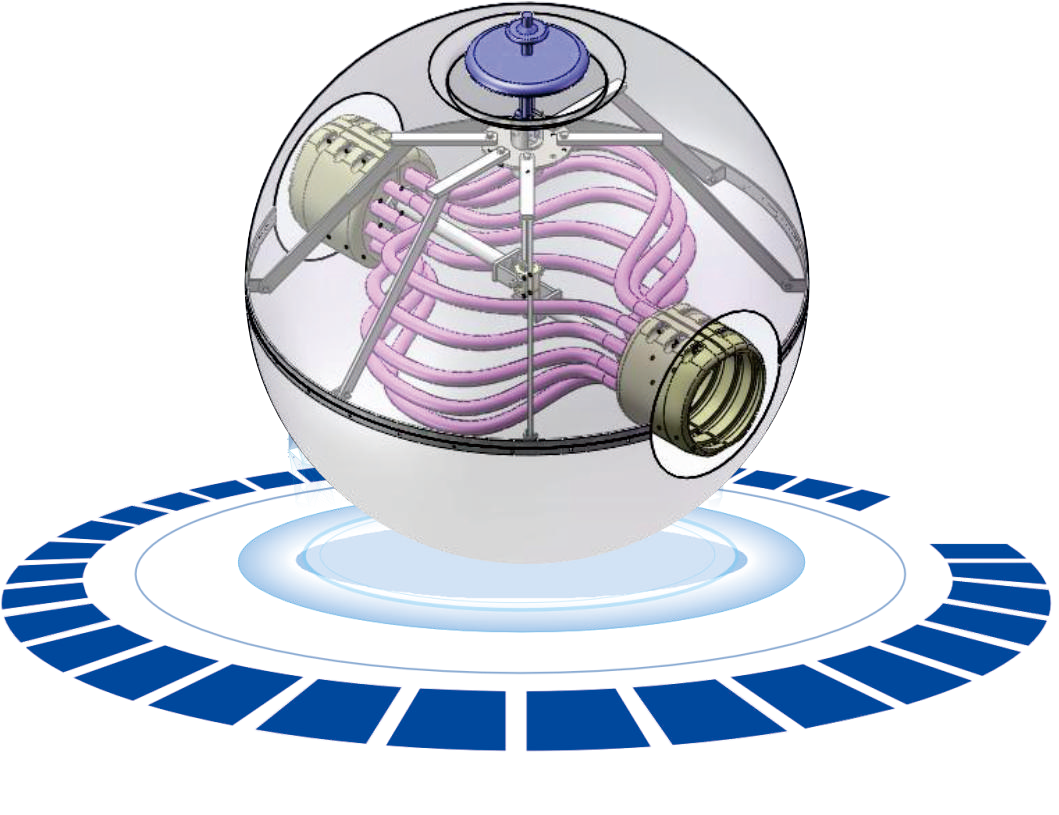

80kW Megawatt Supercharging Module TH80F10030C9
Shijiazhuang Tonhe Electronics Technologies Co., Ltd.
MAX-12 series Environmental Protection/SF6 gas insulated switchgear (C-GIS)
Murge Electric Co.,Ltd.