NC State Integrated Models Boost Day-Ahead Solar Forecasts by Up to 13%
en.Wedoany.com Reported - Researchers at North Carolina State University (NC State) improved day-ahead solar forecasting performance by up to 13% compared to the most stable single model through integrating multiple forecasting models, and found that regional adaptability of forecasting models significantly affects their practical effectiveness.
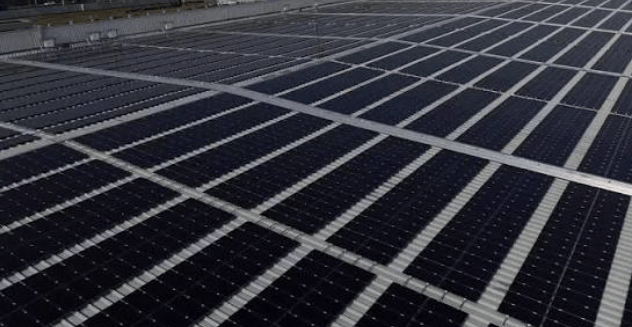
Solar power is developing rapidly due to its renewability and wide distribution, but its output is influenced by sunlight availability and is highly variable, posing challenges to balancing electricity supply and demand. Utility companies need accurate day-ahead forecasts to arrange power generation plans in advance. Yen-Hsi Chou, corresponding author of the paper and a postdoctoral researcher at NC State, stated that the growing adoption of solar power has made supply and demand forecasting more difficult, as sunlight availability is not always stable. Anderson De Queiroz, co-author of the paper and associate professor of civil, construction, and environmental engineering at the university, noted that as solar penetration increases, forecasting uncertainty has become a key consideration for energy planners and grid operators when balancing supply and demand, and combining multiple machine learning models can provide more robust forecasts, helping to enhance the reliability of integrating solar power into the electricity system.
The research team examined two types of modeling approaches: statistical models that identify historical patterns, and artificial neural network methods suited for understanding nonlinear temporal relationships. The team selected seven models for testing and validated them using weather and power data from 2019 to 2022 from two utility companies in California—the Imperial Irrigation District (IID) and the Los Angeles Department of Water and Power (LADWP).
Analysis results showed that no single model performed optimally across all scenarios. The team selected the BiLSTM model, which ran most stably, as the baseline, and improved performance by integrating forecasts from multiple single models, with improvements exceeding 10% in some cases. The integration methods were two-fold: the weighted average method combined forecasts from models individually trained for different locations, assigning higher weights to better-performing models; the multi-input method allowed each model to utilize weather data from multiple locations.
The two integration methods performed differently across regions: the weighted average method improved forecasting performance for IID by up to 11%, while the multi-input method improved it for LADWP by up to 13%.
De Queiroz stated that there is no one-size-fits-all forecasting strategy that performs equally well across all regions, and understanding the characteristics of each region while leveraging information from multiple models and locations is crucial for developing forecasting tools that ensure both accuracy and support grid operation decisions. Chou added that integration methods indeed have the potential to further optimize forecasts compared to single models, but they require testing and fine-tuning for specific application regions.
The study was published in the Journal of Cleaner Production and was partially funded by the National Science Foundation under award number 2412711. Other contributors include Arundhuti Haldar, a doctoral student in the Department of Electrical and Computer Engineering, and Shubh Nisar, a former graduate student in the Department of Computer Science.
Related Products


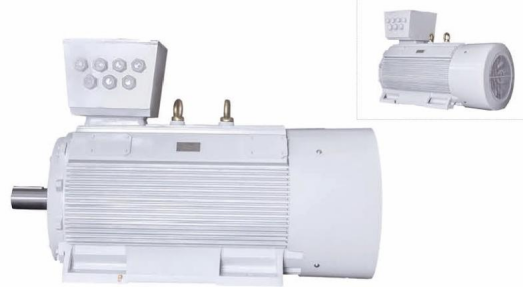
YE3 Series Low Voltage High Power Three-Phase Asynchronous Motor
Shandong Lijiu Electrical Machinery Co., Ltd.
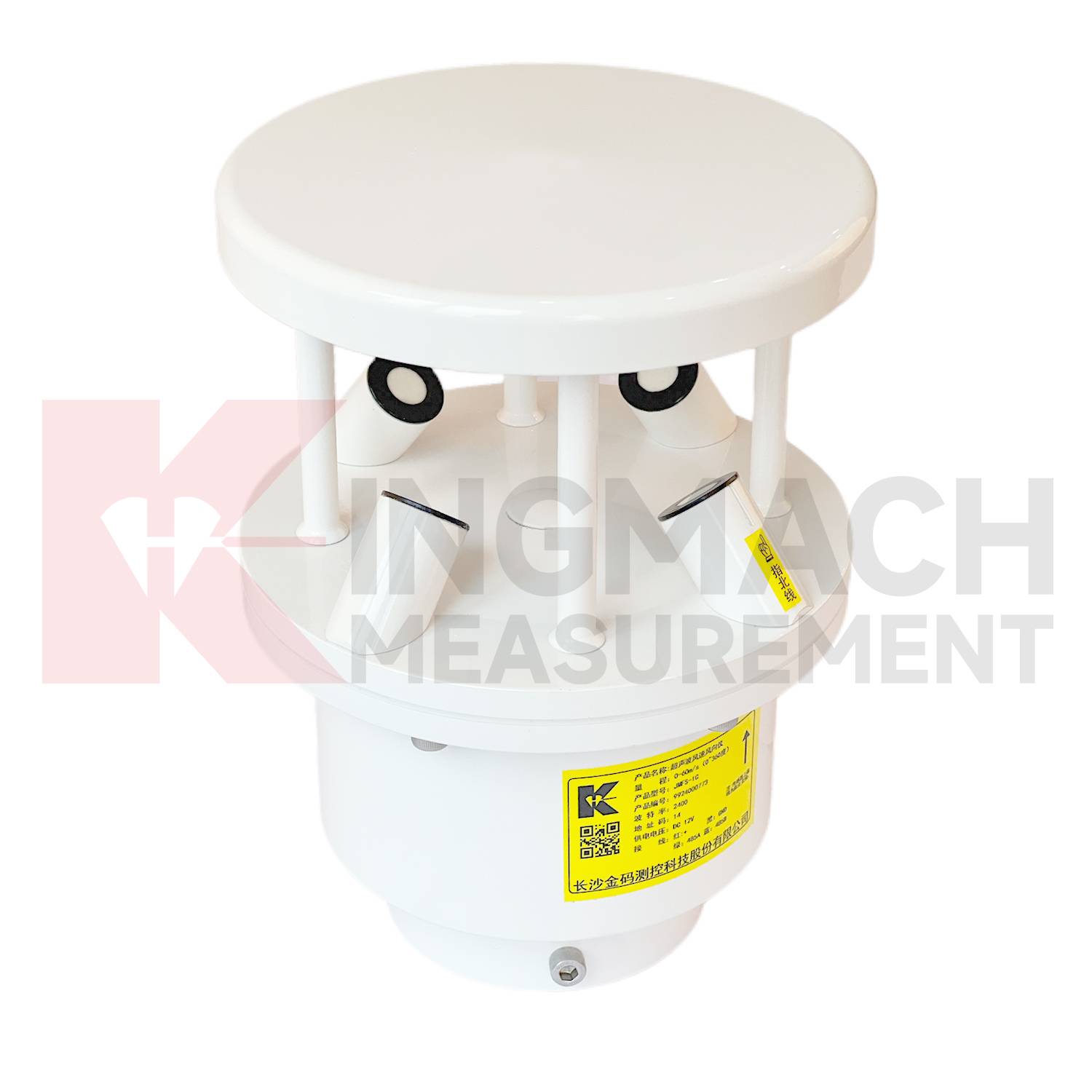
Ultrasonic Wind Speed and Direction Instrument
Kingmach Measurement & Monitoring Technology Co., Ltd.
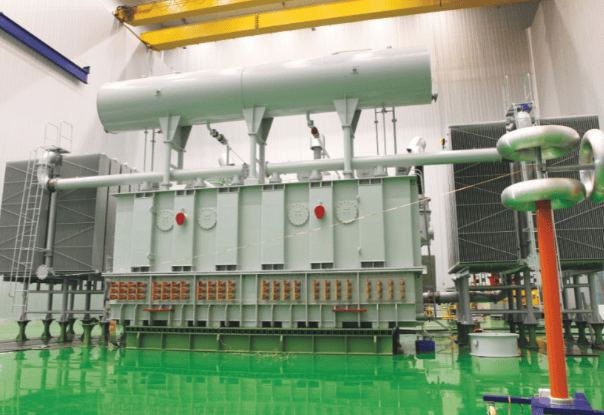
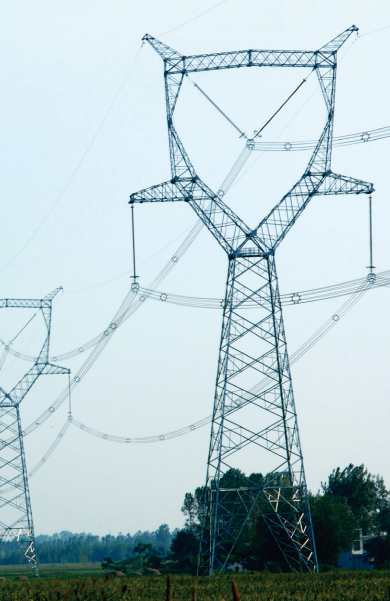
1000kV Jin Southeast-Nanyang-Jingmen UHV AC Transmission and Transformation Pilot Demonstration Project
Anhui Hongyuan Steel Tower Co., Ltd.
Perfluorinated Ionic Membrane-CM-10N Series Membrane
Guizhou Juneng Century Technology Co., Ltd