Spain's CNMC Sets Blackout Reset Cost at €38.7 Million for April 28, to Be Covered by Electricity Bills
en.Wedoany.com Reported - Spain's National Markets and Competition Commission (CNMC) has, through a resolution published Monday in the Spanish Official State Gazette (BOE), set the reset cost of the "electricity zero" event on April 28, 2025, at €38.7 million, with the cost to be distributed across electricity bills over the next 12 months.
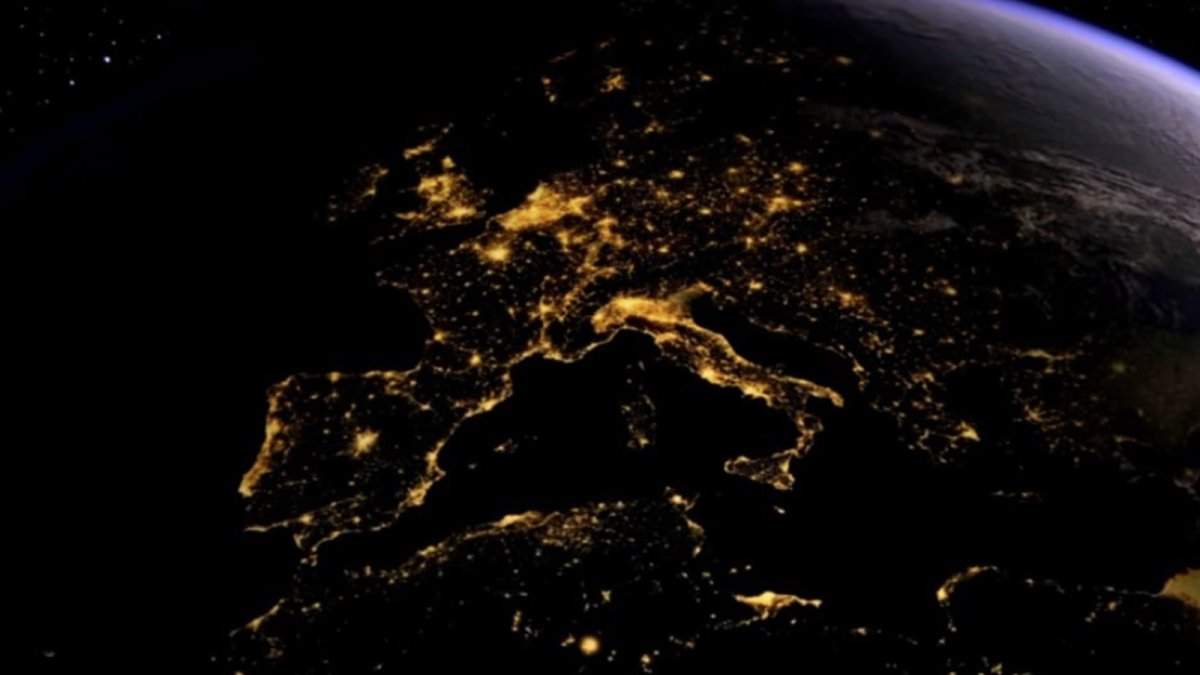
The resolution also establishes criteria for settling the costs incurred by the electricity system operator on April 28 and 29, 2025. At 12:33 that day, a blackout occurred in the peninsular electricity system, and market activity was subsequently suspended.
The total cost of €38.7 million covers grid restoration and emergency plan activation expenses, of which €33.1 million corresponds to generation costs for participating in system reconstruction, mainly involving gas combined cycle and hydroelectric plants; an additional €5.6 million is allocated to funding international electricity support exchanges from the French border that were not covered by congestion revenues.
To avoid a "one-off extraordinary cost" having a disproportionate impact on consumers in a single period, the CNMC did not designate the demand recorded during the blackout as the sole bearer of the restoration costs, but rather had future retailers and direct consumers bear them proportionally based on their consumption over 12 months. After deducting the €9.1 million already preliminarily settled to generation facilities under Operating Procedure 3.9 (P.O. 3.9), the net amount to be settled is €29.6 million.
Based on an estimated annual peninsular demand of approximately 241,595 GWh, the unit contribution borne by consumers in electricity bills over the coming year is €0.12/MWh, or €0.16/MWh calculated on the gross total cost. The CNMC, led by Juan José Ganuza, expects the settlement period to begin no later than the first day of the month following four months after the resolution's publication in the BOE, with the system operator, Red Eléctrica de España (REE), required to publish monthly settlement costs and a detailed schedule at least two months in advance.
Regarding compensation calculations, the 215,483 MWh of natural gas combined cycle electricity generated was compensated at €120.50/MWh, totaling approximately €26 million; hydroelectric and pumped-storage generation exceeding the previous PDBF plan was also compensated at €120.50/MWh, involving €5.9 million and €0.75 million, respectively; coal-fired thermal plants were compensated at €123.17/MWh, involving 3,861 MWh, totaling €0.47 million.
To determine the final price for gas-fired plants, the CNMC constructed a formula based on objective raw material costs, referencing the Mibgas D+1 natural gas quote of €34/MWh, access fees, CO2 emission allowance value of €65/tonne, variable operation and maintenance costs of €2.75/MWh, the electricity production tax (IVPEE) of 7%, and social subsidy allocations. Meanwhile, the regulator rejected proposals from some generation companies and the system operator to assess generation based on market offers under technical constraints—combined cycle offers reaching €246/MWh and hydroelectric €371/MWh—on the grounds that such initial offers could overestimate actual costs in a "pay-as-bid" market and against the backdrop of the market suspension.
In the prior hearing procedure, 16 entities (including electricity industry associations, consumer associations, and retailers) filed objections, with most participants requesting that this extraordinary cost be borne by Spain's General State Budget (PGE) or through modifications to regulated system charges, on the grounds that the cause of the interruption was unrelated to the control and responsibility of end consumers. The CNMC stated that it lacks the legal authority to finance through PGE channels, nor does it have the power to modify royal decrees regarding charges, and transferring the cost to the demand side is the only viable alternative within its remit. In response to what consumer associations called "abusive conduct," the regulator emphasized that this payment is not a pass-through of damages, but rather compensation for energy actually produced and consumed to restore the national electricity supply under legally exceptional circumstances.
Related Products
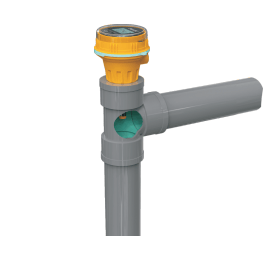


Off-Grid Fuel Cell Supercharging Station (180kW Configuration)
Shanghai REFIRE Group Limited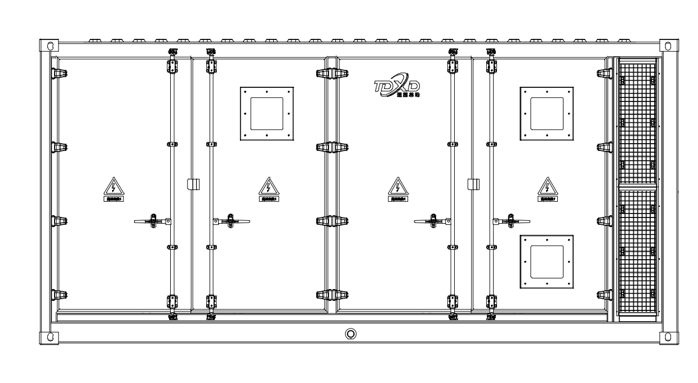
5012kWh DC Energy Storage System TD-EES-5012kWh
Suzhou Tongding Xindong Energy Storage Technology Co., Ltd.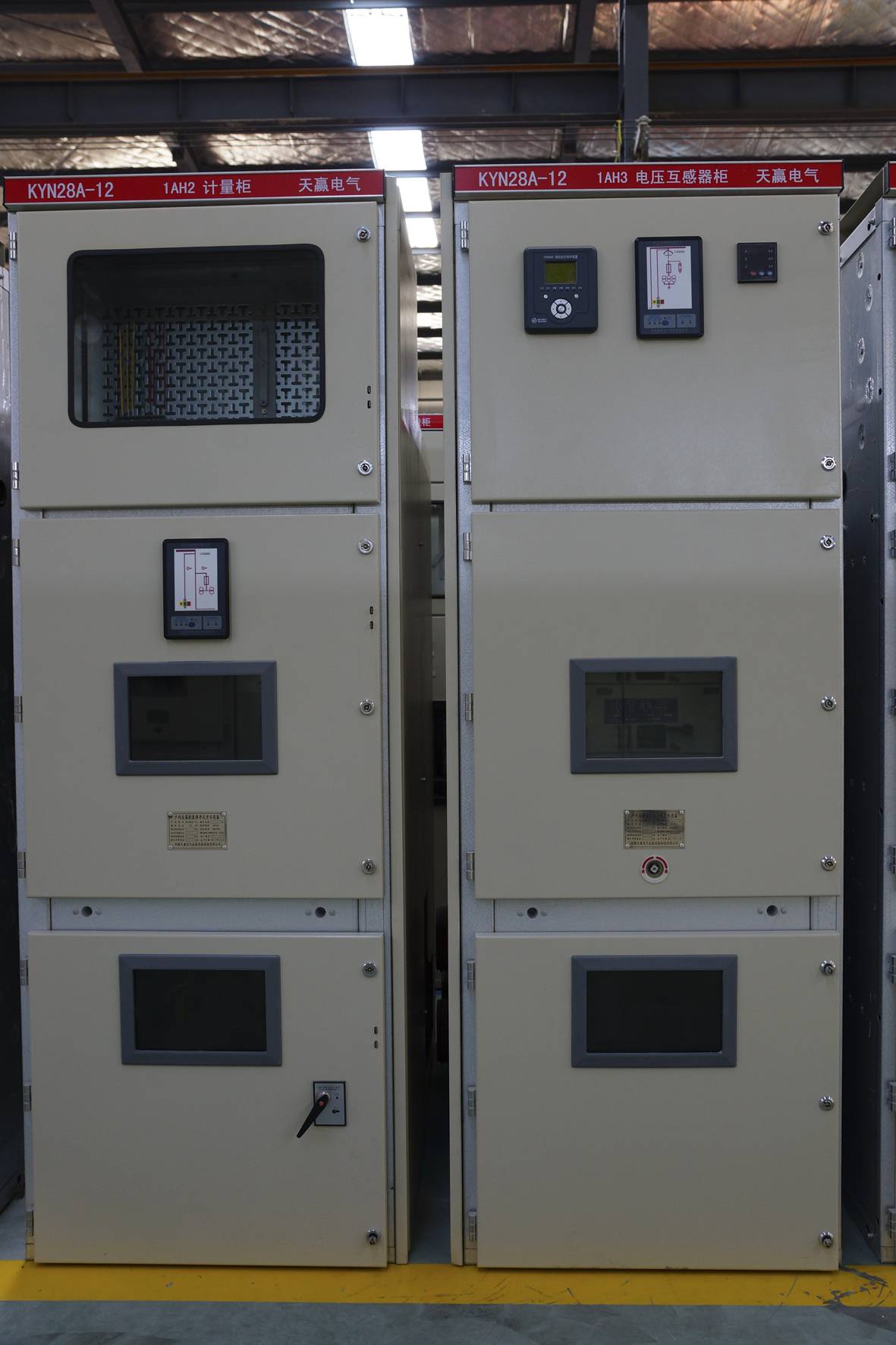
KYN28 - High Voltage Switchgear
Anhui Tianying Electrical Equipment Manufacturing Co., Ltd.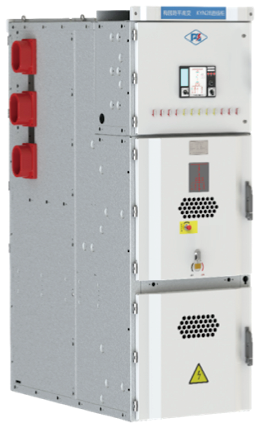
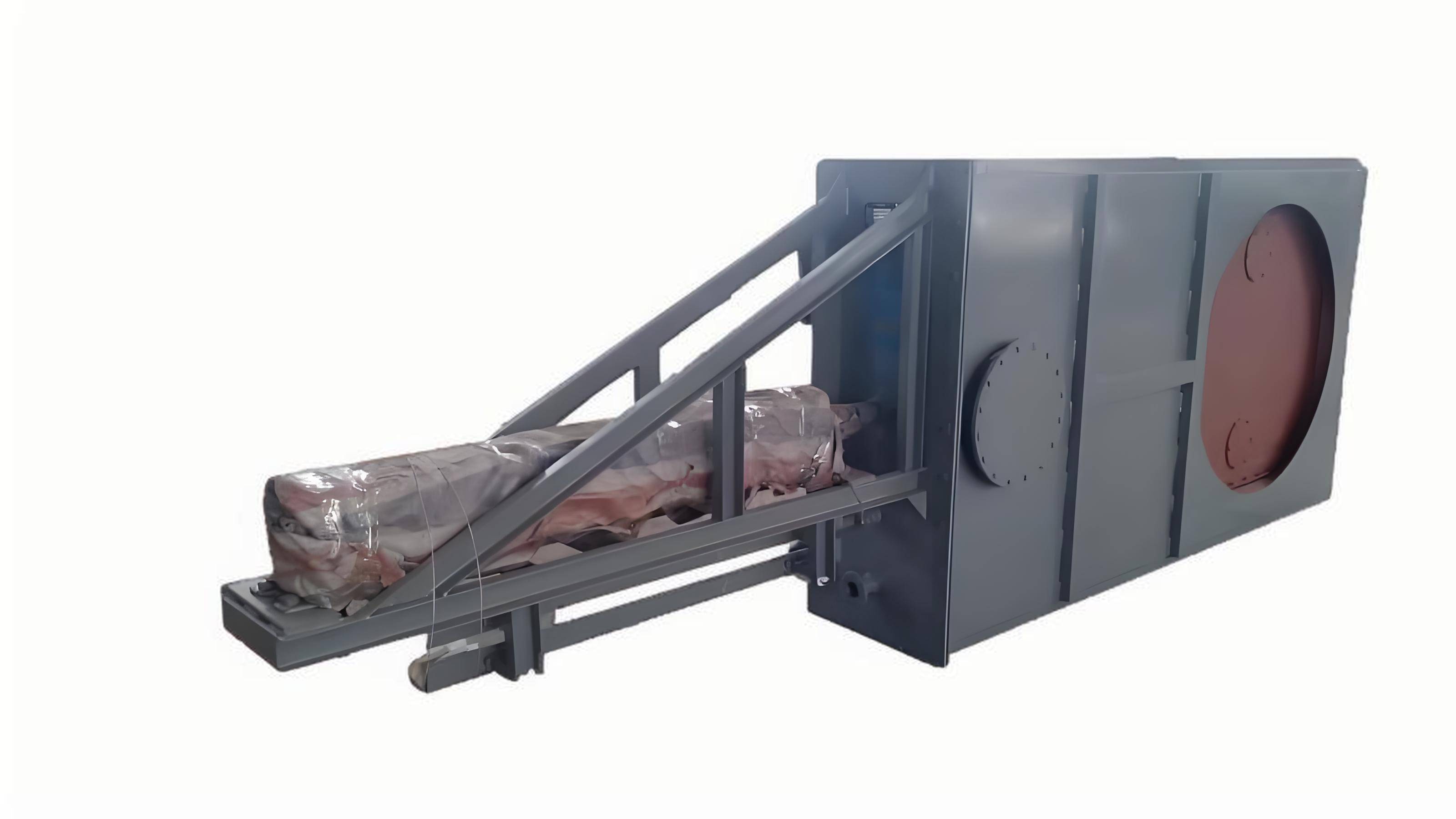
Double-slide Triple-sealed Hot Air Isolation Door
Xi'an Yingchuan Electric Power Equipment Co., Ltd.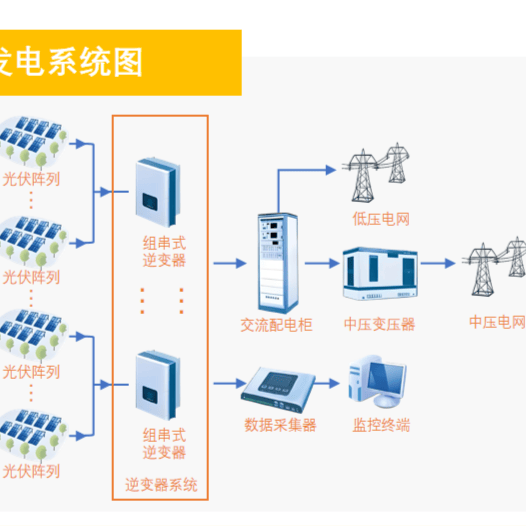
Photovoltaic and Wind Power Generation Technology
Beijing Boqi Electric Power SCI-TECH Co., Ltd.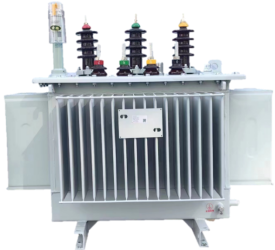
Oil-immersed Amorphous Alloy Core Distribution Transformer
Pinggao Group Smart Electric Co., Ltd.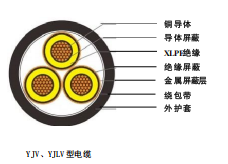
Rated Voltage 6-35kV Cross-linked Polyethylene Insulated Power Cable
TONGDING INTERCONNECTION INFORMATION CO., LTD.