US Exelon's High-Probability Data Center Load Drops to 11 GW, Down 40%
en.Wedoany.com Reported - Exelon disclosed that its "high-probability" data center load has fallen from 18 GW at the end of last year to approximately 11 GW in the second quarter of this year, a decline of nearly 40%. The Chicago-based utility also said its utilities have begun signing transmission security agreements (TSAs) with potential data center customers, which include credit obligations, committed revenue contributions, and deficiency payment provisions designed to protect existing customers from data center-related costs.

Exelon Chief Financial Officer Jeanne Jones told equity analysts on the earnings call that the updated figures reflect the company's efforts to weed out speculative projects and enable it to more proactively identify which projects are real.
As part of its data center project screening, Exelon's subsidiary Commonwealth Edison (ComEd) notified the Federal Energy Regulatory Commission (FERC) on July 24 that it had terminated a previously executed transmission security agreement with PowerHouse Hillwood Holding. Key project details related to the agreement were redacted in ComEd's original filing to FERC; meanwhile, Hillwood and PowerHouse Data Centers are advancing a data center project in Joliet, Illinois, with a planned capacity of 1.8 GW and an investment of $20 billion.
Jones said that of the current high-probability projects, approximately 9 GW are located in northern Illinois under ComEd's service territory, and about 2 GW are in the mid-Atlantic states; of these, roughly 4 GW have signed transmission security agreements, with corresponding collateral totaling $1 billion.
Exelon's data center interconnection pipeline, which includes potential projects under study or slated for upcoming studies, declined from approximately 43 GW disclosed on the May earnings call to about 25 GW in the second quarter.
To meet capacity requirements in the PJM Interconnection power market, Exelon continues to advance utility-owned generation as part of its "all-of-the-above" approach. The PJM market covers 13 states in the mid-Atlantic and Midwest plus the District of Columbia. This summer's capacity auction cleared at the price cap for the third consecutive time, with cleared capacity falling 6.8 GW short of the reliability target, and only 525 MW of new generation capacity added.
"Even at the highest allowable price, the market was unable to attract the level of new supply the system needs," Exelon President and Chief Executive Officer Calvin Butler said on the earnings call.
Exelon's subsidiary Atlantic City Electric (ACE) told the New Jersey Board of Public Utilities (BPU) last week that if PJM's current capacity auction price cap of $325 per megawatt-day is lifted as planned after the next auction scheduled for December, the average residential customer's monthly bill could increase by $14.70 to $23.64.
To address some of the challenges in the PJM market, ACE and Invenergy proposed on July 23 to build and own a 500 MW, four-hour battery energy storage system in Pittsgrove, New Jersey. According to ACE's filing with the BPU, the project is expected to be operational and enter the PJM market by the end of 2030. ACE said the system will help meet growing peak demand and would not affect customer bills until at least 2035. Jones noted the project is expected to cost approximately $1 billion. ACE is seeking a 9.6% return on equity (ROE) in its filing, with the potential for higher returns if performance benchmarks are met; its analysis shows customers would receive $1.36 in benefits for every $1 spent on the project. If the BPU follows ACE's recommended timeline, a decision could come in February. ACE argues that owning the storage project does not violate New Jersey's restructuring law prohibiting utilities from owning generation assets.
Exelon's subsidiaries Baltimore Gas and Electric and Potomac Electric Power Co. are each advancing battery storage projects in Maryland. According to Exelon, these projects, currently under review by the Maryland Public Service Commission, total 150 MW.
Butler said Exelon's utilities are also advancing energy efficiency programs and virtual power plant (VPP) initiatives. BGE and Pepco have received approval for nearly 175 MW of VPP capacity in Maryland; a VPP program at Commonwealth Edison is expected to take effect in March.
Related Products
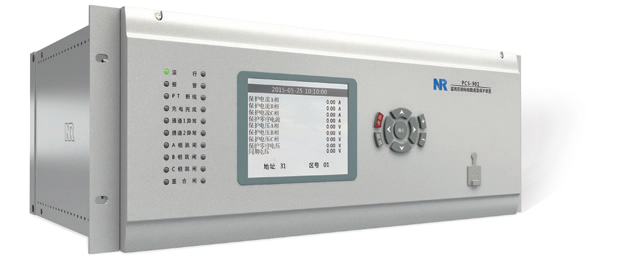

PCS-901 Series Ultra (Extra) High-voltage Transmission Line Complete Protection Device
Nanjing NR Electric Co., Ltd.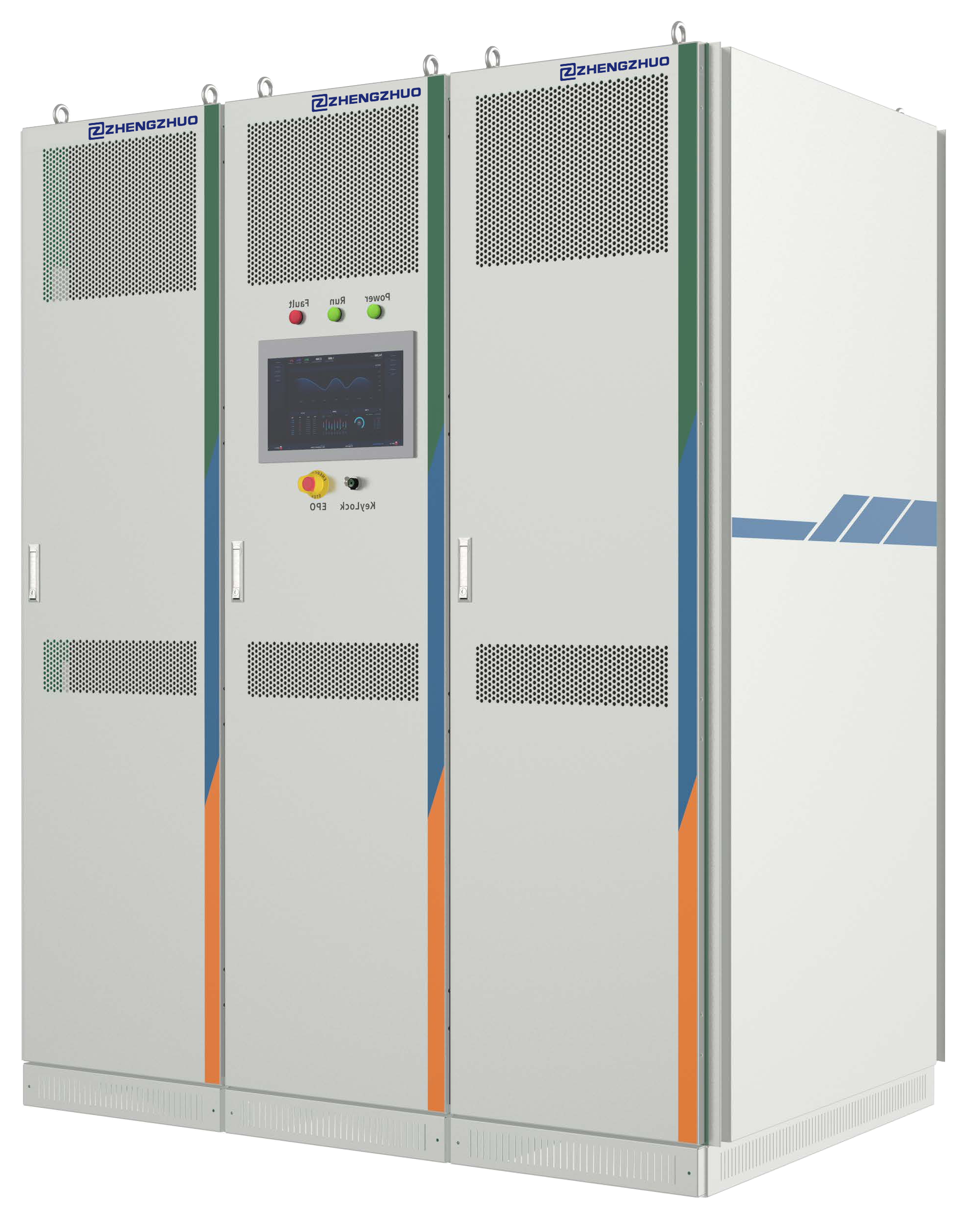
IGBT Hydrogen Production Power Supply - High Power Air Cooling
Beijing Zhengzhuo Engineering Technology Co., Ltd.
CAP1400 main feedwater flow nozzle flowmeter.
Jiangsu Hongda Instrument Technology Co., LTD.
TAI Slew-drive Single-axis Independent 1P Tracking Bracket System
ANTAI TECHNOLOGY CO., LTD.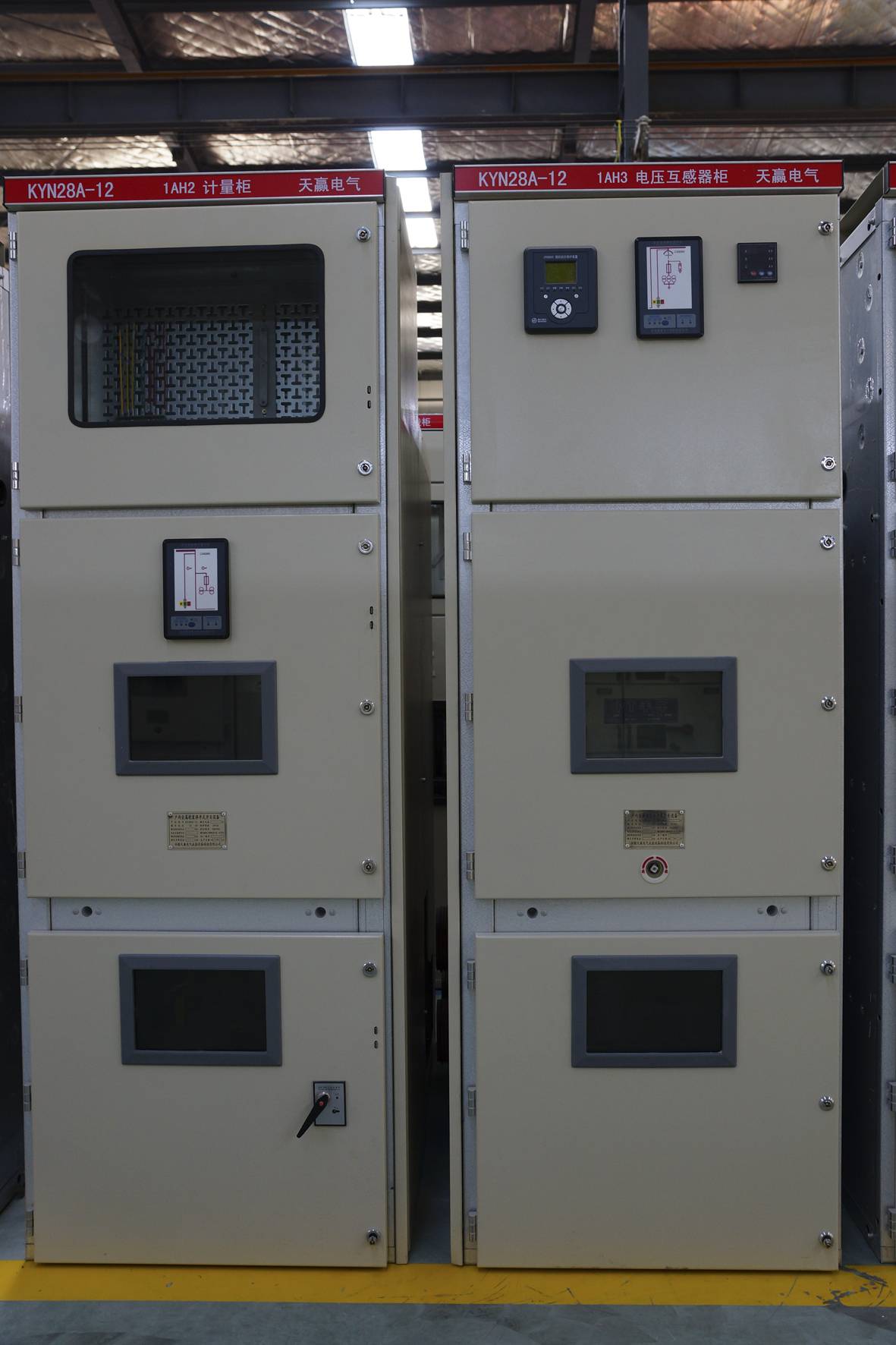
KYN28 - High Voltage Switchgear
Anhui Tianying Electrical Equipment Manufacturing Co., Ltd.

Perfluorinated Ionic Membrane-CM-10N Series Membrane
Guizhou Juneng Century Technology Co., Ltd
CITIC Heavy Industries Offshore Wind Power Equipment Hydraulic Pile Hammer
CITIC Heavy Industries Co., Ltd.

714CD Series C-Band Weather Radar
Chengdu Zhongdian Jinjiang Information Industry Co., Ltd.