BASF Germany: Engineering Plastics Recycling Requires a Combination of Multiple Technologies, Commercialization in China in 2025
en.Wedoany.com Reported - Recently, researchers at BASF pointed out that the recycling of engineering plastics (such as composite polyolefins, polyurethanes, and polyamides) in demanding applications cannot rely on a single standardized technology. The team advocates for an "intelligent combination of multiple complementary technologies," coupled with scalable sorting technologies, to achieve closed-loop recycling and high-quality recovery of engineering plastics.
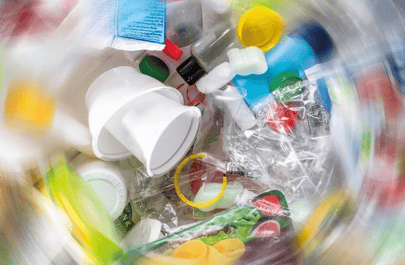
In terms of recycling technology routes, mechanical recycling is achieved through sorting, shredding, and melting, offering high energy efficiency, but it requires clean and homogeneous material streams, which poses limitations for technically demanding applications. Solvent-based recycling can selectively dissolve and recover complex polymers, such as recovering polyamides from end-of-life vehicles. Depolymerization technologies break plastics down into monomers; BASF's loopamid® technology enables textile-to-textile recycling of polyamide 6 and entered commercial production in Caojing, Shanghai, in early 2025. Thermochemical routes, including pyrolysis and gasification, can handle highly heterogeneous material streams, producing pyrolysis oil or synthesis gas as feedstocks, but they are energy-intensive.
BASF's pilot projects demonstrate that recycling polyurethane and polyamide back to virgin-quality raw materials is technically feasible. However, researchers emphasize that large-scale deployment requires two conditions: first, the establishment of effective waste management systems to keep plastics in the loop; second, the creation of clear and reliable regulatory frameworks to support related investments. Recycling is regarded as a pillar of resource conservation, helping to reduce dependence on fossil feedstocks and, under predictable policy conditions, supporting industrial innovation in Europe.
Related Products

Steel Pipes for Refining and Coal Chemical Industries
YANGZHOU LONTRIN ENERGY EQUIPMENT CO.,LTD.
High Thermal Conductivity Encapsulating Resin
Nantong BESALL Sealing Technology Company.,Limited


CAP1400 main feedwater flow nozzle flowmeter.
Jiangsu Hongda Instrument Technology Co., LTD.
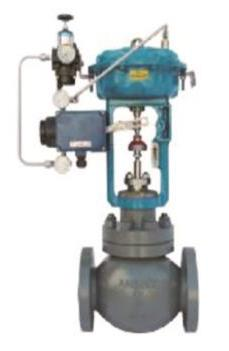
Quick-Change Single-Seat Control Valve / Quick-Change High-Pressure Single-Seat Control Valve
Beijing Consen Automation Technology Co., Ltd.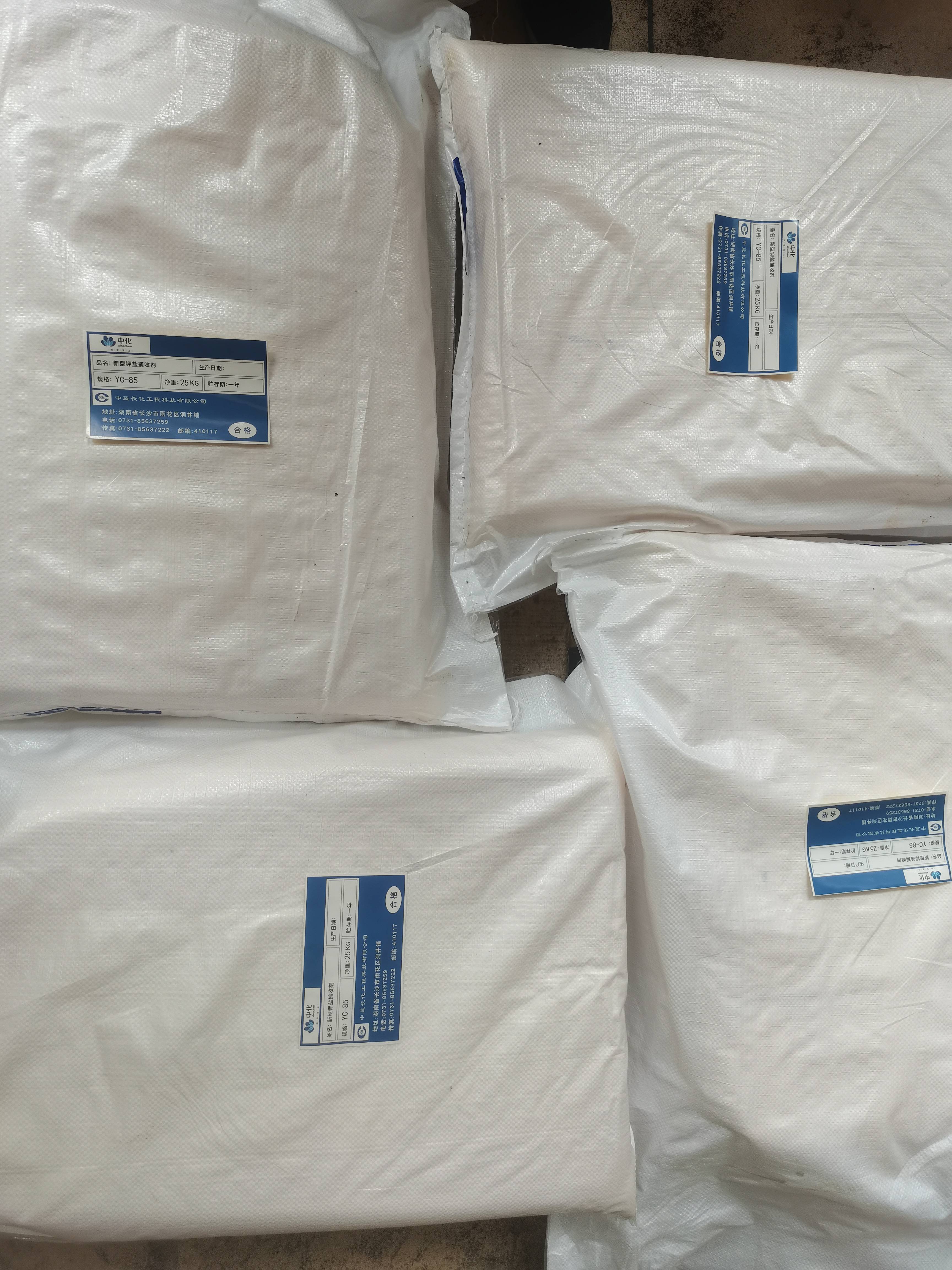
New Environmentally Friendly Green Potassium Salt Collector
Chonfar Engineering and Technology Co., Ltd.
Hongxing Steel Chemical Pressure Vessel Steel Plate
Gansu JISCO Group Hongxing Iron and Steel Co., Ltd.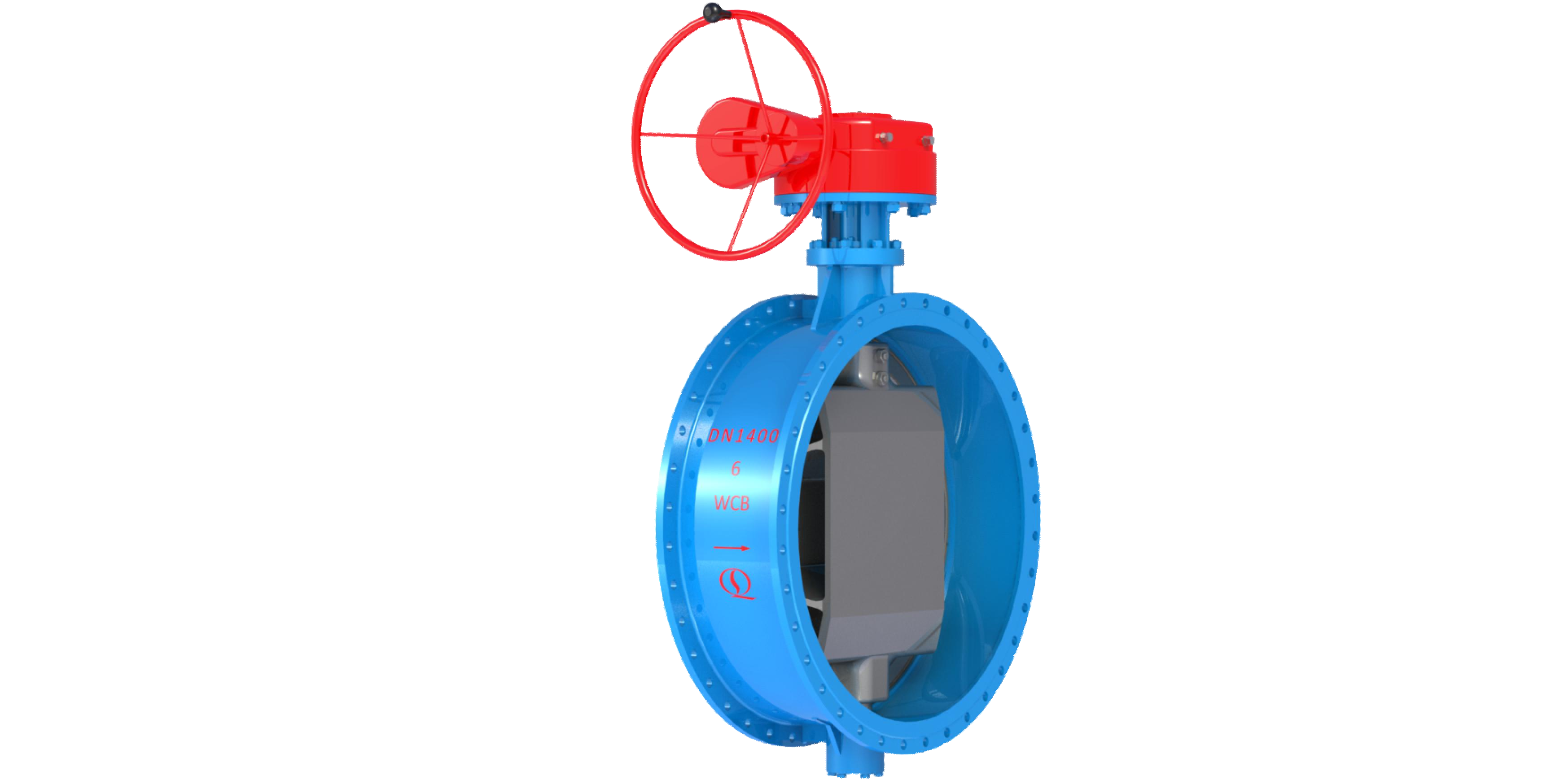
Bidirectional Metal Hard Sealed Seawater Butterfly Valve
Henan Quanshun Flow Control Science & Technology Co., Ltd.