Syntropic and UNIGRID Plan to Deploy 1 GWh of Sodium-Ion Energy Storage in the U.S.
en.Wedoany.com Reported - Syntropic Power has established a strategic partnership with U.S. battery technology company UNIGRID Inc. to advance the commercialization of UNIGRID's sodium-chromium oxide (NaCrO₂, NCO) battery technology and establish a supply pathway toward U.S. domestic mass production. The two companies plan to deploy 1 gigawatt-hour (GWh) of NCO-based energy storage systems by 2027, with initial products covering Syntropic's distributed residential solution Tenet and its flagship large-scale stationary application platform GridSpan. Syntropic will be responsible for the design, manufacturing, and deployment of the energy storage systems based on UNIGRID's independently validated cell chemistry.
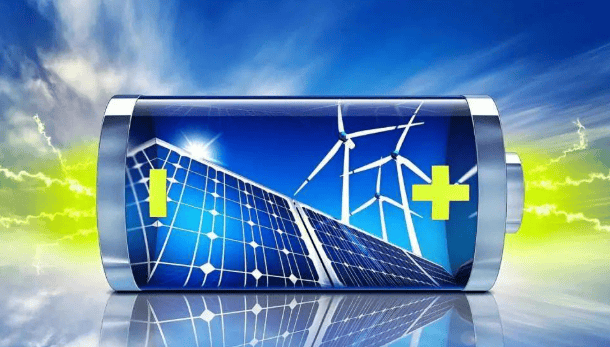
Sodium-ion batteries offer multiple cathode chemistry routes. UNIGRID adopts a chromium-based NCO technology, differentiating itself from systems such as sodium-nickel-iron-manganese oxide (NFM) and sodium iron pyrophosphate (NFPP) that are primarily promoted by Chinese manufacturers. Syntropic commissioned the ISO 17025-certified Rochester Institute of Technology Battery Development Center to conduct independent characterization of UNIGRID's 70Ah and 210Ah NCO prismatic cells.
RIT's preliminary testing of the 210Ah cells showed a discharge capacity of 216–218Ah (rated at 210Ah), cell-level round-trip energy efficiency of no less than 97.9%, a capacity loss of 2.3% between C/10 and 1C rates, and pronounced endothermic behavior during charging. UNIGRID's cycle life testing at full depth of discharge has exceeded 1,000 cycles with a capacity retention rate of over 99%. RIT's validation results support the electrical architecture, operational controls, and passive thermal management design of Syntropic's product platforms, enabling GridSpan to operate without mechanical cooling at grid-scale charge/discharge rates.
Abuse testing conducted by RIT demonstrated that UNIGRID's NCO cells remain thermally stable under extreme conditions. The cells have also passed UN 38.3 transport testing, completed cell-level UL 9540A testing, and obtained IEC 62619 certification, supporting transport qualification and downstream system certification.
Matt Huber, Chief Technology Officer of Syntropic Power, stated that the RIT program provided independent performance data on key metrics for stationary storage, and that the NCO chemistry combines high round-trip efficiency, high power capability, long cycle life, and unique thermal safety behavior, laying the foundation for the GridSpan platform designed without active cooling.
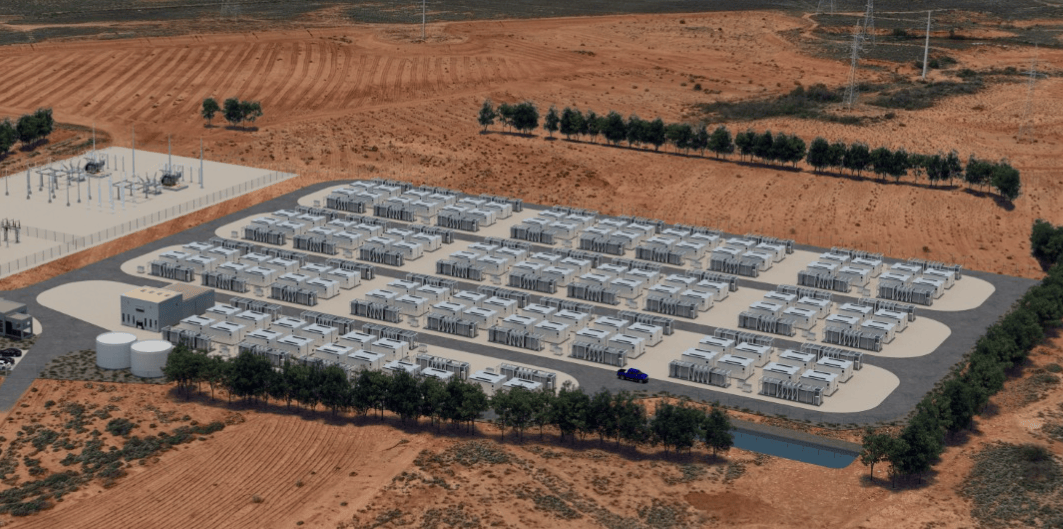
The first batch of UNIGRID NCO cells has been delivered to Syntropic for development, testing, and integration across its stationary storage product portfolio. Near-term commercialization begins with Tenet, a wall-mounted system designed for residential, light commercial, and virtual power plant applications, prioritizing safety in close-proximity environments. GridSpan, as Syntropic's flagship modular DC platform, scales the same NCO technology to large-scale stationary applications, with power and energy configurations supporting operating conditions ranging from fast response and ride-through to storage durations of approximately 20 minutes to 20 hours.
Darren H. S. Tan, CEO of UNIGRID, stated that with artificial intelligence and electrification driving up electricity demand, compounded by extreme weather and rising energy costs, modern grids require equipment with reliability and thermal resilience. The inherent stability and high power capability of NCO chemistry meet these demanding conditions, and the partnership with Syntropic helps scale the technology to provide reliable power infrastructure for North America.
On the manufacturing front, Syntropic is working with UNIGRID to establish a U.S. manufacturing pathway for NCO cells. Syntropic leads system development, certification, domestic module assembly, and integration, prioritizing the establishment of a supply chain with no association with Foreign Entities of Concern (FEOC) by the end of 2027.
Phillip Martin, CEO of Syntropic Power, stated that by combining independently validated chemistry with U.S. manufacturing capabilities and purpose-built system design, this partnership creates a viable pathway for the production and deployment of sodium-ion energy storage in North America.
Related Products




Prefabricated Houses and Electrical Energy Boxes
Chengdu Ruilong Machinery Manufacturing Co., Ltd.
Mars (Liquid Cooling) Series Industrial and Commercial Energy Storage Converter High Protection Module
Shenzhen Winline Technology Co., Ltd.
Oil-immersed Amorphous Alloy Core Distribution Transformer
Pinggao Group Smart Electric Co., Ltd.
TAI Slew-drive Single-axis Independent 1P Tracking Bracket System
ANTAI TECHNOLOGY CO., LTD.