BP's Q2 2026 profit reaches $4.33 billion, up 124%
en.Wedoany.com Reported - BP has reported its Q2 2026 financial results, with quarterly profit of $4.33 billion, up 124.35% from $1.93 billion in the same period last year.
For the reporting quarter ended June 30, 2026, profit attributable to BP shareholders was $3.91 billion, compared with $1.63 billion in the same period last year, an increase of 139.88%. Operating cash flow for the quarter was $10.9 billion, up 73.02% from $6.3 billion in the same period in 2025. Total revenues and other income were $70.11 billion, up 47.03% year-on-year ($47.68 billion in Q2 2025). Adjusted EBITDA was $3.31 billion, up 15.33% from $2.87 billion in the same period last year.
On a first-half basis, BP's profit for H1 2026 was $8.54 billion, up 193.46% from $2.91 billion in H1 2025; profit attributable to shareholders was $7.75 billion, up 233.19% year-on-year ($2.32 billion in the same period last year). Operating cash flow for the first half reached $13.7 billion, up 50.55% from $9.1 billion in the same period in 2025. Adjusted EBITDA totaled $5.83 billion, up 15.9% year-on-year ($5.03 billion in H1 2025). First-half replacement cost profit before interest and tax was $14.14 billion, up 59.89% from $8.85 billion in the same period in 2025.
On operational metrics, BP's upstream plant reliability in Q2 2026 was 92.4%, down from 95.7% in Q1; production was 2.2 million barrels of oil equivalent per day (mboe/d), down from 2.3 mboe/d in the previous quarter; refining availability was 94.7%, compared with 96.3% in the previous quarter.
On portfolio adjustments, BP has reached agreements to divest its retail business in Austria and has agreed terms to bring in a partner for the Kirkuk project. In addition, the sale of the Gelsenkirchen refinery has been completed, and marketing processes for the North Sea business and Archaea Energy have been launched. The combined total of net debt, hybrid bonds and securities, leases, and Gulf of Mexico settlement liabilities decreased by $6.9 billion.
BP CEO Meg O'Neill said this was her first full quarter at BP and one of the most turbulent periods in global energy markets, during which the BP team ensured energy supply for customers. She noted that the company has made progress in strengthening its balance sheet while taking steps to simplify operations—recently completing the sale of the Gelsenkirchen refinery, agreeing to sell the Austrian retail business, and announcing its intention to sell the UK North Sea business.
Looking ahead, BP expects reported upstream production in Q3 2026 to be between 2.1 mboe/d and 2.25 mboe/d, reflecting ongoing Middle East instability, reduced equity in Latin America, and potential seasonal weather impacts in the Gulf of Mexico. Refining margins are expected to remain strong but are sensitive to supply costs and market conditions. Full-year 2026 reported upstream production is expected to be between 2.18 mboe/d and 2.27 mboe/d, reflecting the impact of Middle East instability and divestments such as the Culzean gas field in the UK North Sea. The full-year underlying effective tax rate is expected to be 35%–40%, with actual levels subject to price volatility and regional profit distribution.
Related Products
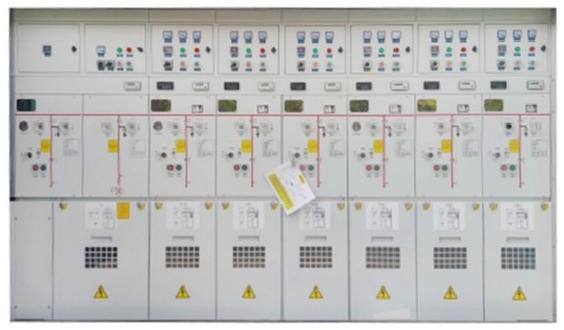

NISELA Series Environmentally Friendly Gas-Insulated Ring Main Unit
XJ DELISHIER ELECTRIC CO., LTD.
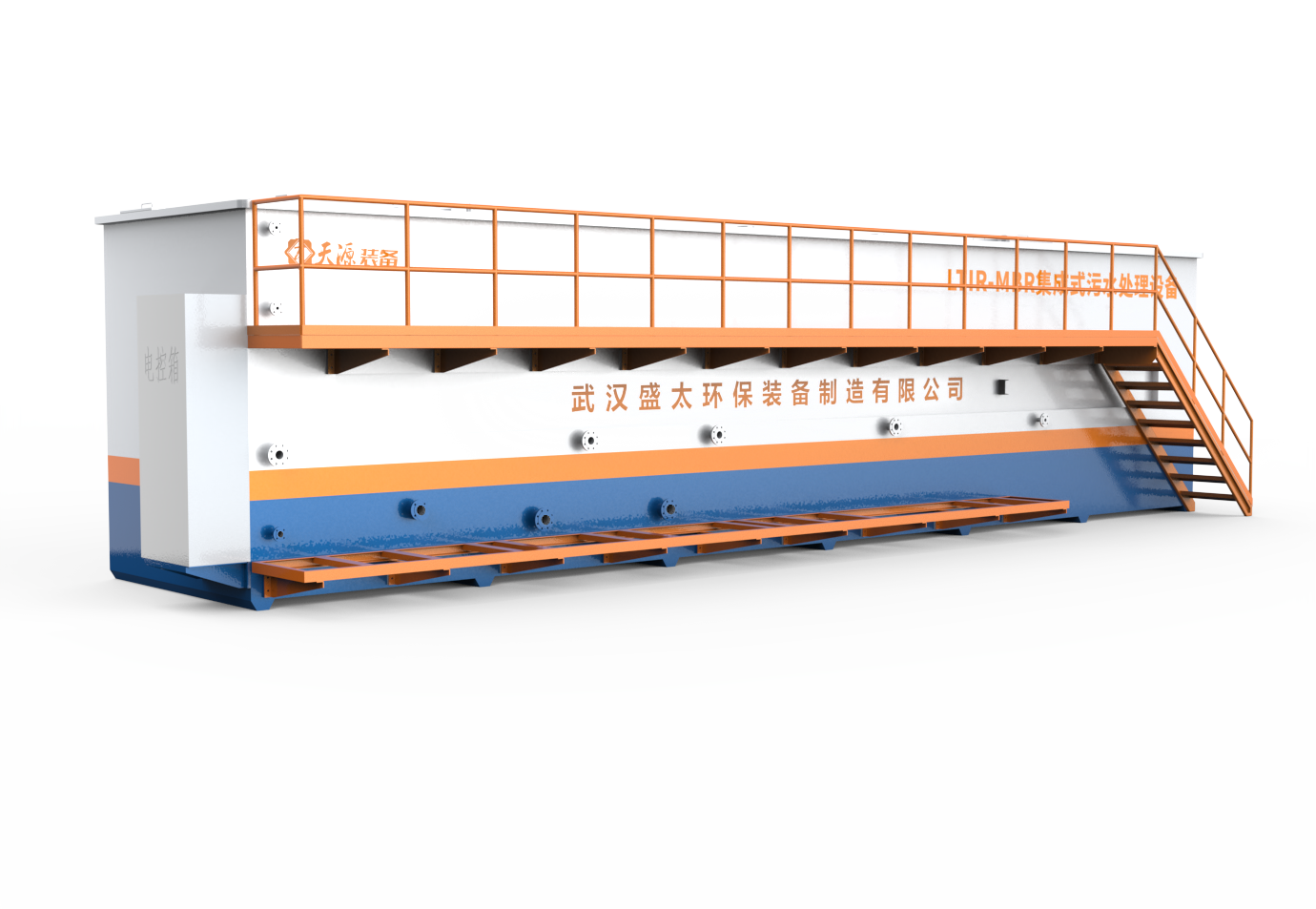

Off-Grid Fuel Cell Supercharging Station (180kW Configuration)
Shanghai REFIRE Group Limited

TAI Slew-drive Single-axis Independent 1P Tracking Bracket System
ANTAI TECHNOLOGY CO., LTD.