U.S. API Report: 2025 Crude Oil Production Hits Record 13.6 Million Barrels Per Day
en.Wedoany.com Reported - Despite declining Strategic Petroleum Reserve (SPR) and commercial inventories, uncertainty persists, yet record oil and natural gas production, robust refining capacity, and the world's largest pipeline network have helped shield U.S. consumers from the supply disruptions experienced elsewhere. The American Petroleum Institute (API) this week released its American Energy Snapshot, explaining why the U.S. energy system has demonstrated such resilience.
The report comes as multiple countries in Europe and Asia take measures to address surging prices and supply tightness: after natural gas prices rose 45% in July, the EU lowered its winter gas storage targets; Japan and South Korea have rolled out emergency plans in response to rising gasoline, diesel, heavy fuel oil, and kerosene prices; Australia has declared a national fuel emergency, releasing strategic fuel reserves and halving the fuel excise tax.
The United States entered this supply disruption as the world's leading oil and natural gas producer. Crude oil production reached a record 13.6 million barrels per day in 2025, with the U.S. Energy Information Administration (EIA) projecting an increase to 13.8 million barrels per day in 2026 and 14.0 million barrels per day in 2027. Dry natural gas production rose by 4.6 billion cubic feet per day in 2025, averaging 107.7 billion cubic feet per day; the EIA projects 111.3 billion and 115.3 billion cubic feet per day in 2026 and 2027, respectively. This achievement is underpinned by decades of investment in horizontal drilling and hydraulic fracturing technologies, which have improved per-well recoverable resources and rig efficiency.
Innovation continues to expand output. Among horizontal wells completed in the Permian Basin last year, more than half had lateral sections extending beyond two miles, with the longest reaching four miles. Permian production has grown 18% since December 2022, and companies recently added 45 oil rigs to maintain energy supplies amid sustained global supply pressure.
Refining is equally critical. U.S. refineries have operated at utilization rates exceeding 95% for seven consecutive weeks, ranking among the highest sustained utilization levels globally. This performance builds on decades of investment, engineering expertise, and workforce skills, enabling one of the world's most complex refining systems to process a wide range of crude oils and consistently deliver gasoline, diesel, and jet fuel during periods of supply tightness.
On natural gas prices, many overseas markets have seen sharp spikes, while the United States—relying on ample domestic supply and a 3.3-million-mile pipeline network—has kept prices far below overseas levels. This pipeline system is the result of decades of investment and represents one of the primary strengths of the U.S. energy system during this supply disruption.
The report characterizes this crisis as a real-world stress test for energy systems. Rather than relying on emergency measures and price interventions, the U.S. energy system continues to supply through long-term technological innovation, investment, and operational accumulation. Energy security is not static; enhancing resilience means sustained investment in infrastructure such as pipelines to connect U.S. production, consumption, and global markets. For policymakers, today's energy security is built on infrastructure that existed before the crisis began; strengthening supply, infrastructure, and resilience is precisely the preparation needed for the next crisis.
Related Products

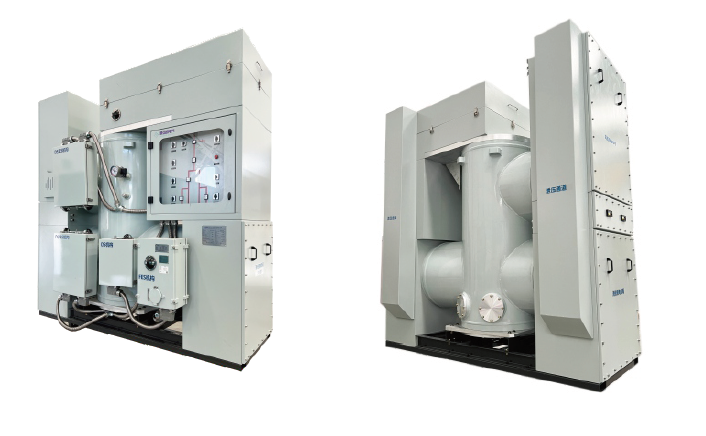
72.5kV 1250A 31.5kA SF6 free Gas-insulated Metal-enclosed Switchgear
Zhejiang Juhonkia Intelligent Electric Co., Ltd.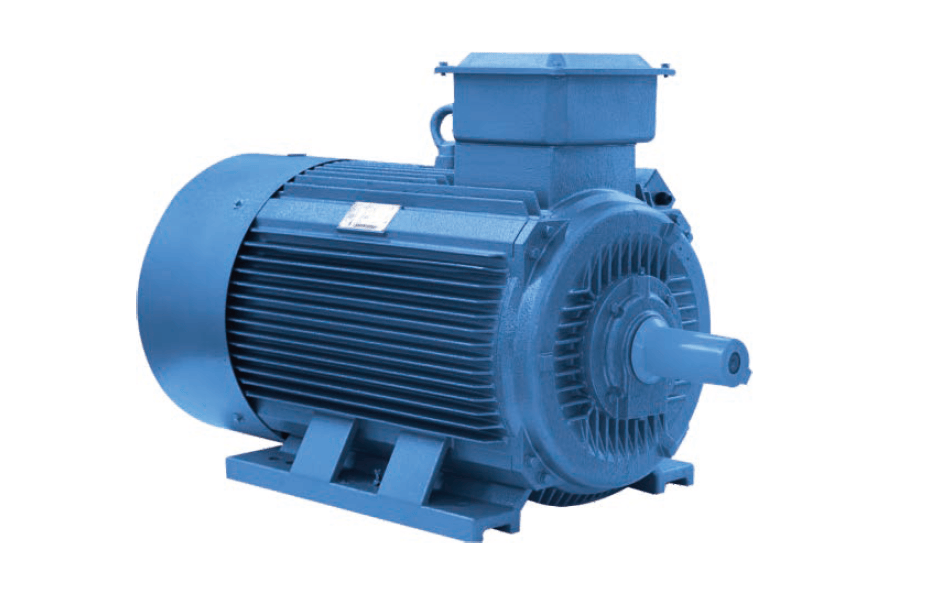
TYC Series High-Efficiency Permanent Magnet Synchronous Motor
Xiangdian Smart Energy Technology Co., Ltd.
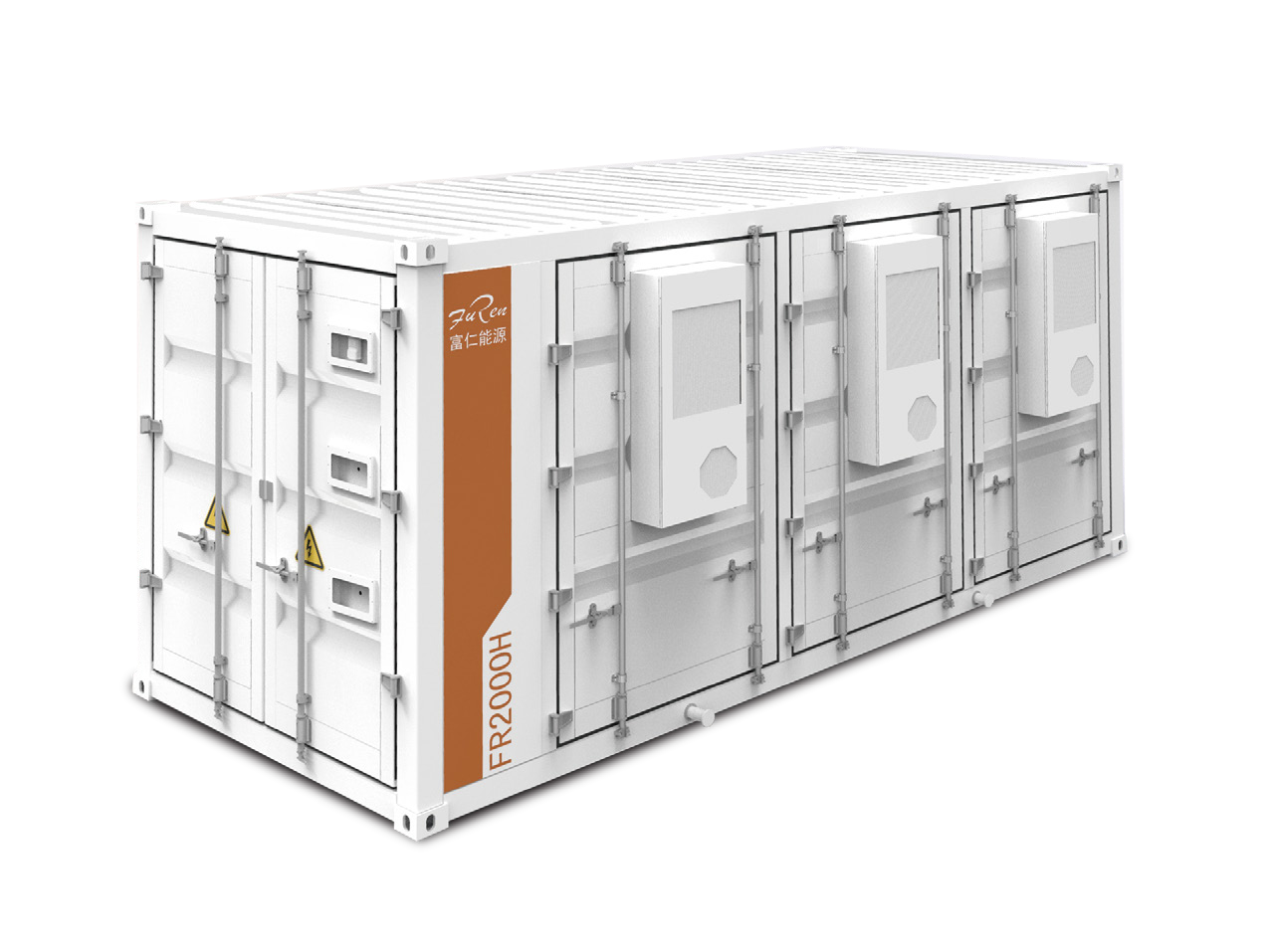
FR2000H 2.15MWh (Air-cooled) 20-foot Containerized Energy Storage System
Jiangyin Furen High-tech Co., Ltd.


Hydraulic Turbine Genset
Dongfang Electric Corporation Dongfang Electric Machinery Co., Ltd.