US Upstream Oil and Gas M&A Deals Fall to $9 Billion in Q2
en.Wedoany.com Reported - Data analytics firm Enverus reported on Wednesday that, due to oil price volatility, the scale of M&A transactions in the US upstream oil and gas industry fell to $9 billion in the second quarter of this year, just one-quarter of the previous quarter's level.

Andrew Dittmar, chief analyst at Enverus Intelligence Research, stated that crude oil price fluctuations related to the conflict with Iran, coupled with a weak natural gas market outlook, widened the price expectation gap between buyers and sellers, increasing uncertainty in asset valuations. The total value of deals announced during the quarter thus hit one of the lowest quarterly levels in recent years.
The largest source of M&A deal value this quarter was a record-breaking lease sale held in May by the US Bureau of Land Management (BLM). The auction raised approximately $40 billion by selling oil and gas drilling rights on federal lands in Texas and New Mexico, with major buyers including Devon Energy and Matador Resources. The 33,530 acres involved in the sale are primarily located in the Permian Basin of New Mexico, which forms part of the most productive oil fields in the US. Enverus noted that the tightening supply of high-yield oil drilling parcels in the US led to exceptionally intense bidding competition for BLM assets.
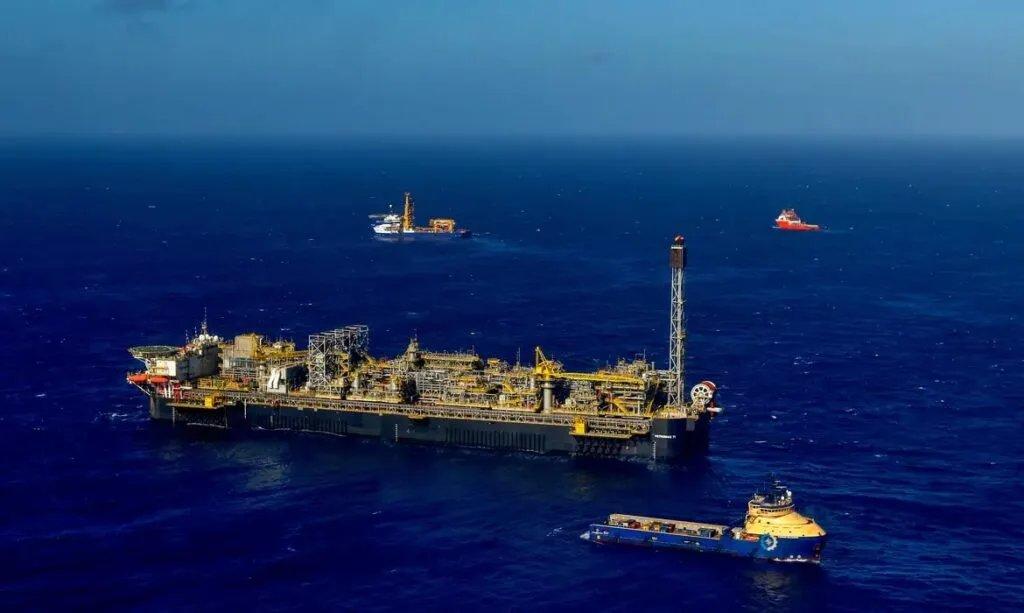
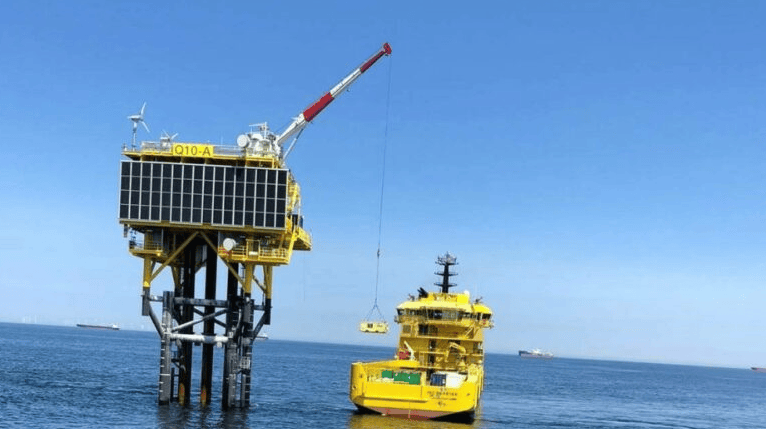
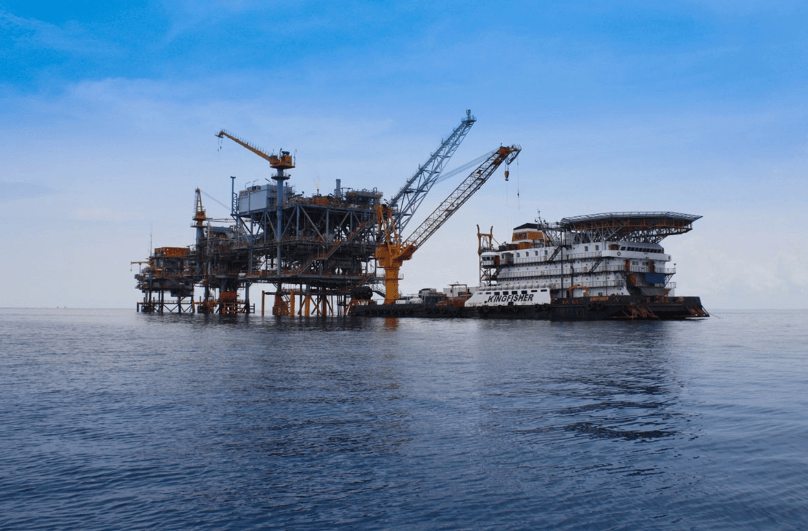
The second-largest deal by value was a divestiture completed by Shell in June. The company transferred its interests in the Na Kika platform and related fields in the Gulf of Mexico to subsidiaries of Talos Energy and Ridgewood Energy, with a total transaction value of approximately $17 billion. The related assets produced approximately 37,000 barrels of oil equivalent per day in 2025.
By deal value, M&A activity in the second quarter of this year was the third lowest since 2020, when the COVID-19 pandemic severely hit oil demand and pushed prices to multi-year lows.
According to data from the London Stock Exchange Group (LSEG), Brent crude futures closed within a wide range of $72 to $118 per barrel between April and June. The ongoing disruption of global energy flows caused by the Iran war was the primary driver of this sharp oil price volatility.
Related Products
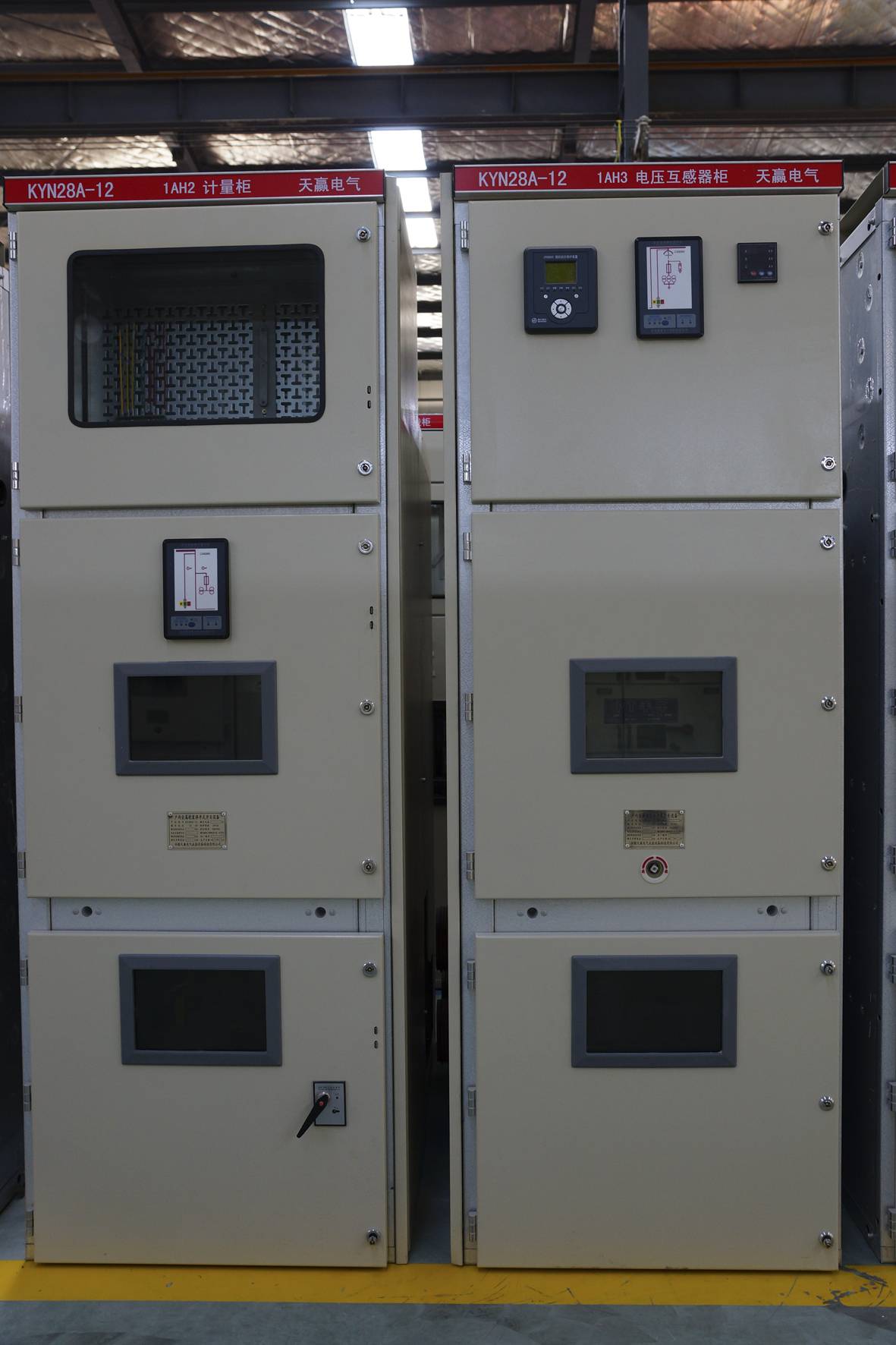

KYN28 - High Voltage Switchgear
Anhui Tianying Electrical Equipment Manufacturing Co., Ltd.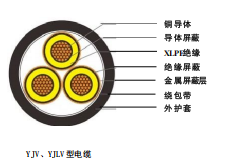
Rated Voltage 6-35kV Cross-linked Polyethylene Insulated Power Cable
TONGDING INTERCONNECTION INFORMATION CO., LTD.
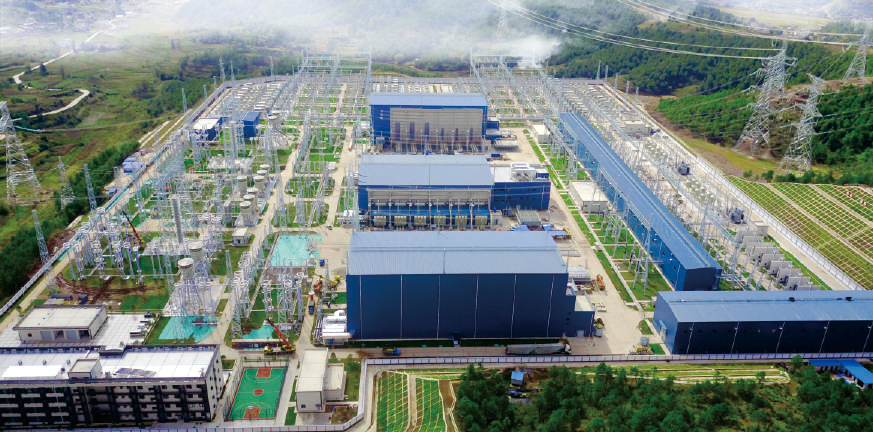
High-voltage Direct Current (HVDC) Transmission System Research and Integrated Design
XI'AN XD POWER SYSTEMS CO., LTD.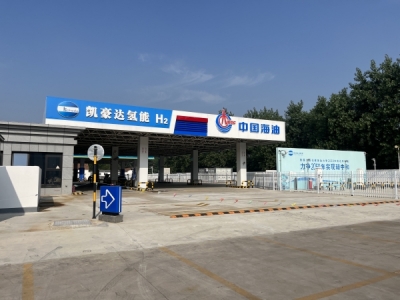
Hydrogen production and hydrogenation charging refueling gas integrated energy station
Shenzhen Kohodo Hydrogen Energy Co., Ltd.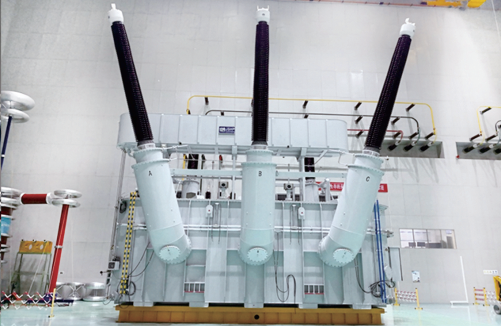


0.66kV Power Supply Instrument Transformer
Guangdong Sihui Instrument Transformer Works Co., Ltd.