Qatar LNG Supply Disruption Doubles Prices, Global Demand May Fall 8% from 2025
en.Wedoany.com Reported - The disruption to global energy flows from the Middle East conflict could reach unprecedented levels. Compared with the closely watched crude oil, liquefied natural gas (LNG) is bearing a more severe impact, and this war could reshape the long-term outlook for the commodity.
Shell's long-term forecast released in late June shows that global LNG annual demand will approach 700 million tonnes by 2050, up 65% from 2025. The company stated that countries will continue to prioritize the flexible and reliable energy security provided by natural gas and LNG.

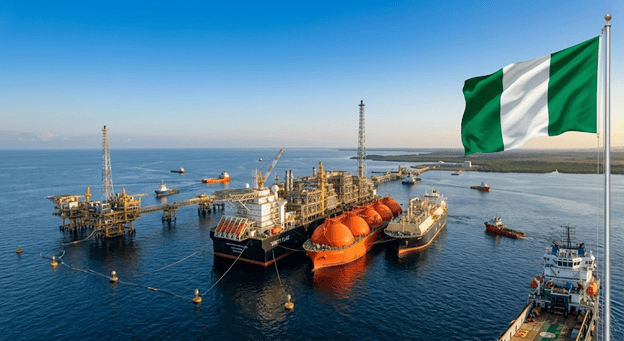
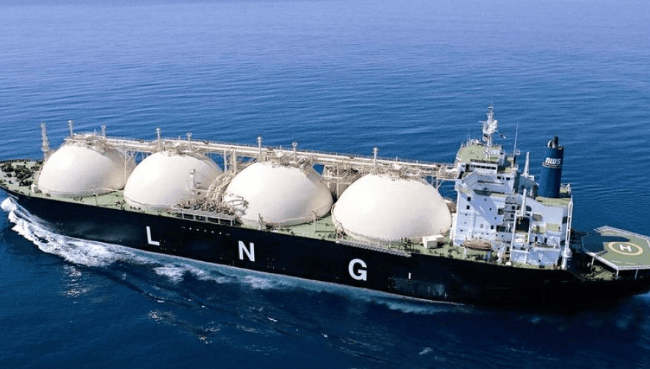
Liquefaction has made natural gas trade truly global, but LNG's flexibility is not without limits. The conflict has forced the world's largest single liquefaction facility in Qatar to declare force majeure, sharply reducing LNG exports from the Persian Gulf.
Ahead of the seasonal peak gas demand in the Northern Hemisphere, importers are willing to pay a premium for any available liquefied gas, and this premium has risen significantly: LNG prices have doubled since January. Pat Breen, CEO of energy consultancy Gas Strategies, told The National that buyers paying $10 per million British thermal units (MMBtu) in January were paying $20–22/MMBtu for most of July.
High prices are curbing LNG demand. Financially constrained Pakistan is paying premiums during peak demand periods to secure much-needed gas; several Asian countries, including Japan, the world's second-largest LNG importer, have increased power generation from coal-fired plants; and Europe's natural gas storage replenishment is also seriously lagging. Gas Strategies told The National that if Persian Gulf exports remain weak for the rest of the year, global LNG demand this year could fall 8% from 2025.
The likelihood of this scenario materializing is increasing. Recent attacks on LNG carriers in the Strait of Hormuz show that the recovery of energy trade through this chokepoint waterway will take time. With no substantive progress in talks between the United States and Iran, the supply squeeze is expected to persist and deepen.
Economies are being affected to varying degrees. China significantly reduced LNG purchases in the second quarter, but imports have since begun to recover. Kpler reported in late June that rising temperatures boosting power demand and declining domestic output have prompted China to increase liquefied gas purchases. China, which imports both LNG and pipeline gas from Russia, is in a better position than the European Union. The EU is importing Russian LNG at record rates, but this channel will end when the bloc's ban on Russian gas imports takes effect in early 2027.
After the EU ban takes effect, it could free up more LNG supply for buyers such as China and shift some demand to exporters like the United States and Australia. The U.S., already the world's largest LNG exporter, is currently building new liquefaction capacity. In theory, new supply should push prices down, but with Qatari supply still constrained by blocked passage through the Strait of Hormuz and ship attacks, the war premium is expected to remain elevated.
Breen told The National that short-term supply tightness will ease next year, when producers may consider expansion plans. He expects about 207 million tonnes of new LNG capacity to come online annually by 2030, but whether there will ultimately be enough buyers remains unclear.
There is also a market view that the risk of a buyer shortfall is quite small. Every commodity cycle shows that demand rises after prices fall. That has been true for oil, and it will be true for natural gas as well, even as countries accelerate the development of wind and solar power. The reason is that natural gas can generate electricity on demand and can be stored for more than a few hours.
Related Products

Environmentally Friendly Flame-retardant PVC Double-layer Insulated Wire
Sichuan Chndo Cable Co., Ltd.
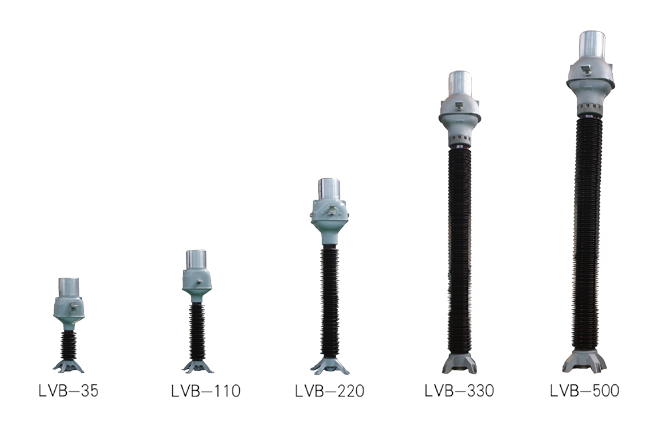
LVB Series 35-500kV Oil-immersed Inverted Current Transformer
Shandong TaiKai Instrument Transformer Co., Ltd.
Double-slide Triple-sealed Hot Air Isolation Door
Xi'an Yingchuan Electric Power Equipment Co., Ltd.