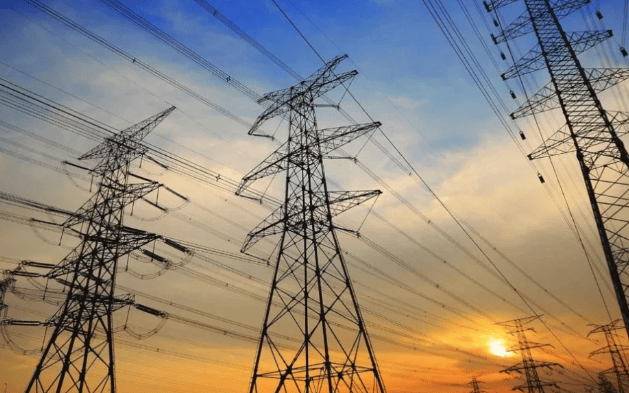
U.S. Data Center Power Gap Projected to Exceed 50 Gigawatts by 2030
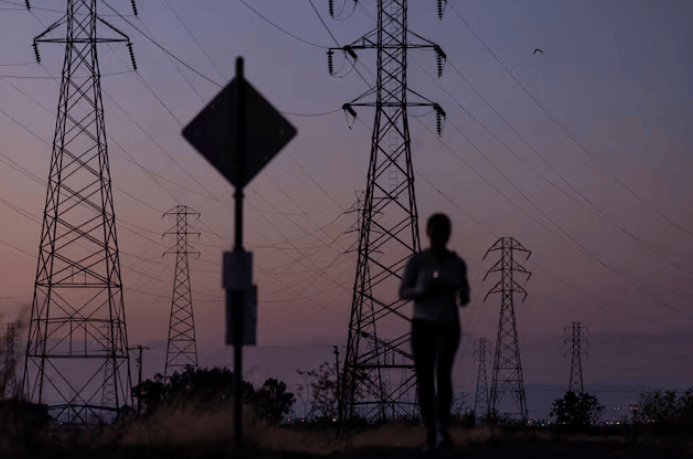
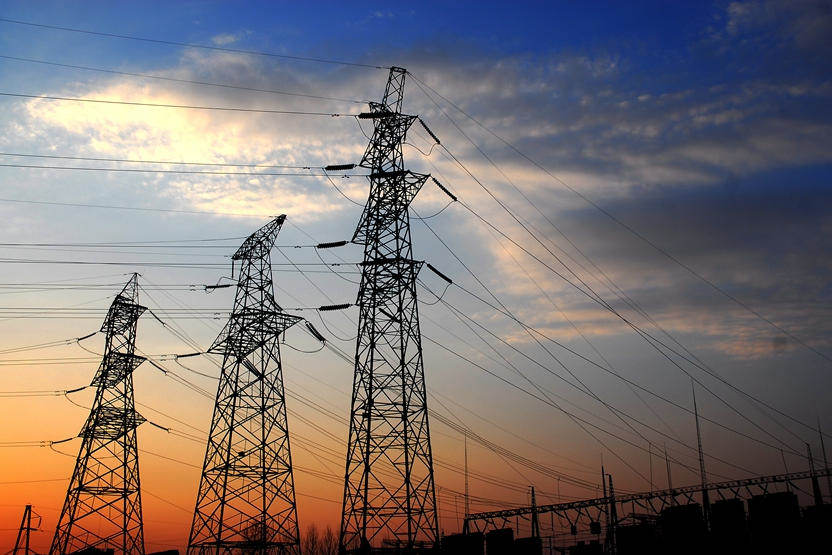
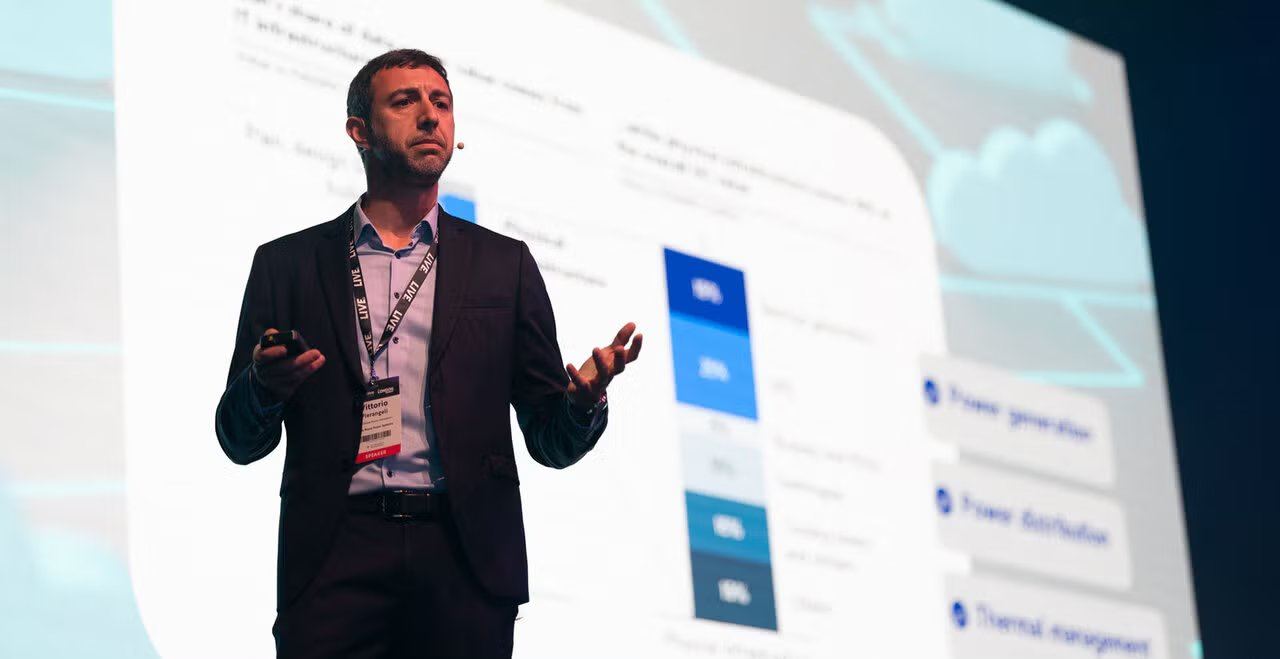
en.Wedoany.com Reported - The growth in electricity consumption from artificial intelligence (AI) has outpaced the supply capacity of the global power system. Vittorio Pierangeli, Senior Vice President of Power at Rolls-Royce Power Systems, believes that in the AI era, electricity is more decisive than chips or algorithms (see Figure 1). As AI accelerates its global adoption, it is colliding with a power system that was not built for its level of demand.
The pace of AI expansion can be seen through a comparison of timelines. In 2018, the AI-generated portrait "Edmond de Belamy" sold at Christie's for $432,500, with its training data amounting to only about 5 to 7 gigabytes. Today, approximately 43 million AI images are generated daily, and the models underpinning these images are trained on billions of data points, with a computational load roughly 100,000 times greater than that of that artistic experiment. Image generation is just one slice of AI's integration into daily life.
On the electricity consumption side, a single ChatGPT query consumes roughly 10 to 100 times more energy than a typical Google search, depending on the complexity of the prompt. The power draw of AI server racks in data centers has risen from about 10 kilowatts per rack five years ago to 100 to 120 kilowatts per rack today.
Pierangeli noted that traditional coal-fired power plants are being retired successively, renewable energy output remains intermittent, geopolitical tensions are heightening energy security pressures, and the load curves of AI data centers are becoming increasingly volatile. Rising demand combined with supply constraints is putting sustained pressure on reliable power delivery.
Forecasts indicate that the overall power generation market will nearly triple between 2025 and 2030, with data centers as the primary driver. Among this, the backup power segment is expanding by approximately 22% annually, and continuous power supply demand is growing by 24% per year, yet supply capacity has not kept pace.
Pierangeli provided a set of comparative figures: by 2030, the cumulative power supply capacity of the U.S. grid to data centers is expected to fall short of demand by more than 50 gigawatts; data centers themselves can be built within 18 to 24 months, while securing grid interconnection takes three to seven years. In early 2026, hyperscale data center operators reported a jump of over 50% in capital expenditure for data centers, but the utility sector has not kept up with this pace.
Tightening grid constraints, coupled with public opposition to data center power consumption, have turned on-site power generation from an option into a necessity. A growing number of developers are incorporating independent power plants into new data center designs—the "bring your own power" (BYOP) approach—where the project generates its own energy until grid capacity or new sources such as nuclear power become available.
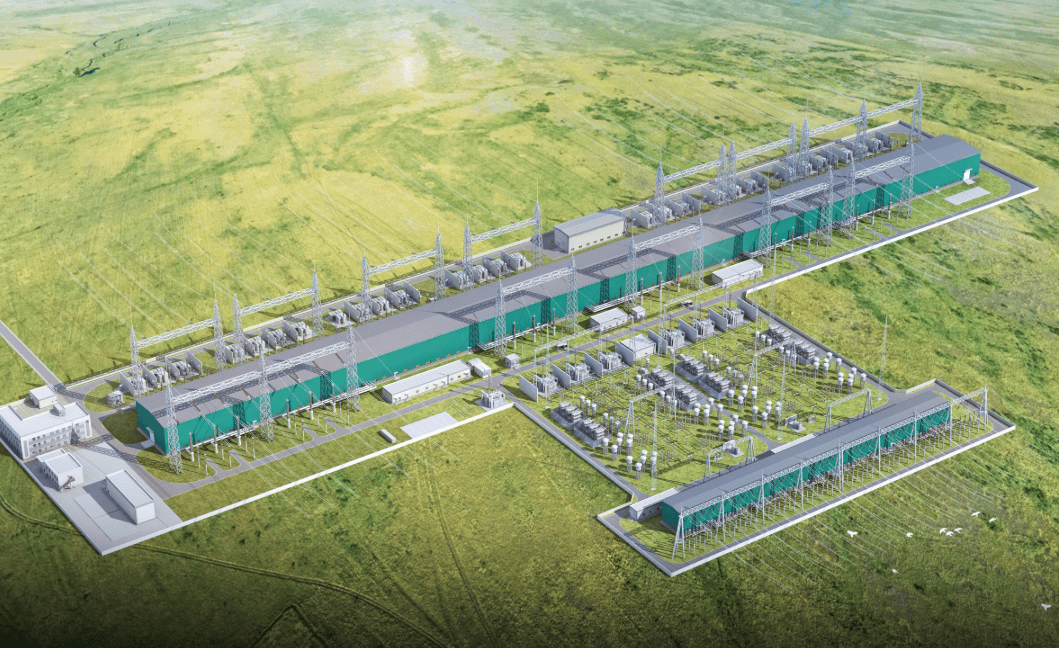
This gap has opened up space for a range of solutions, such as Rolls-Royce mtu gas gensets in the short term (see Figure 2), and small modular reactors (SMRs) over the longer term.
mtu gas gensets can be deployed behind the meter at data centers or as part of a dedicated power plant for continuous power supply. These systems offer short deployment times, operational flexibility, and modular design, providing advantages in efficiency and time-to-market that are highly attractive for new data center projects. In regions such as the United States, where natural gas resources are abundant and pipeline infrastructure is well developed, their operational and cost advantages are even more pronounced.
The most formidable challenge of the AI era may lie not in the scale of electricity, but in the volatility of power demand. The power management challenges posed by AI training loads are unlike anything traditional data centers have encountered. When graphics processing units (GPUs) run in sync, they generate sharp and regular power fluctuations. Research shows that the actual power draw within a single 50-megawatt block of an AI data center can fluctuate by ±20 megawatts within seconds. These swings stress transformers and can disrupt the broader grid.
To address such issues, mtu Kinetic PowerPacks kinetic energy storage systems can act as fast-response buffers in the energy system, stabilizing voltage and frequency and smoothing power peaks. They respond instantly to load changes, provide uninterruptible power supply (UPS) functionality, and require no additional battery configuration.
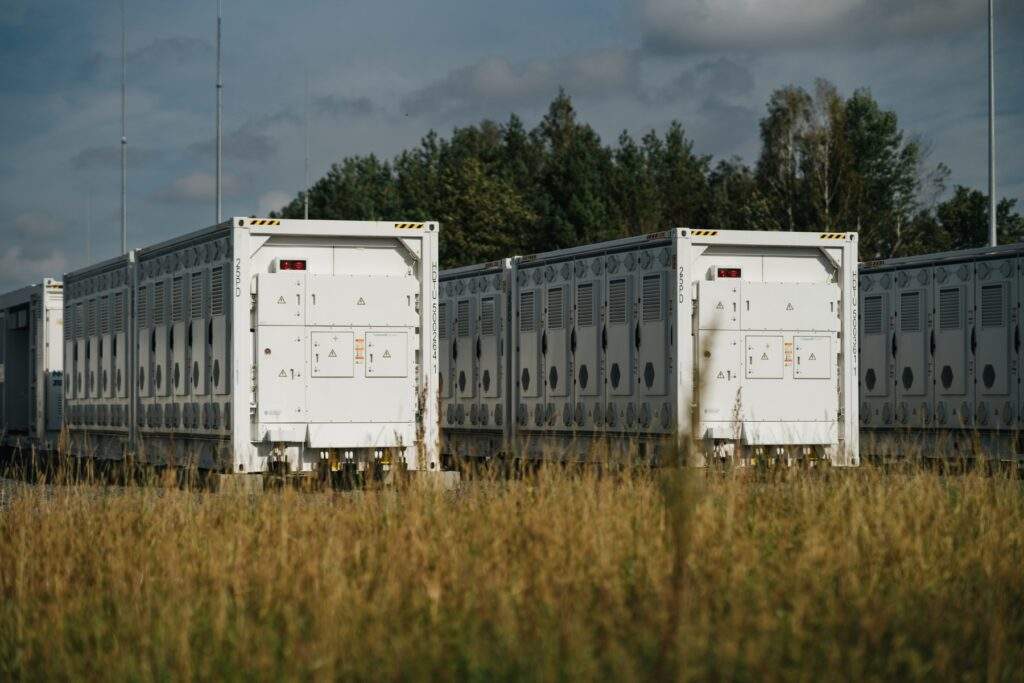
Even with primary power secured through BYOP solutions or the grid, data centers still need a fail-safe backup plan. Under Uptime Institute's Tier IV certification requirements, modern data centers must achieve 99.99% availability. More than 25% of data centers worldwide are equipped with mtu 4000 series gensets (see Figure 3) as backup power.
Data centers are described as the invisible backbone of modern life and the factories of the digital age—places where intelligence is produced and delivered. The mtu product portfolio is modular, scalable, and fuel-flexible, designed to match both the current and future needs of data center operators.
Related Products

Hydrogen production and hydrogenation charging refueling gas integrated energy station
Shenzhen Kohodo Hydrogen Energy Co., Ltd.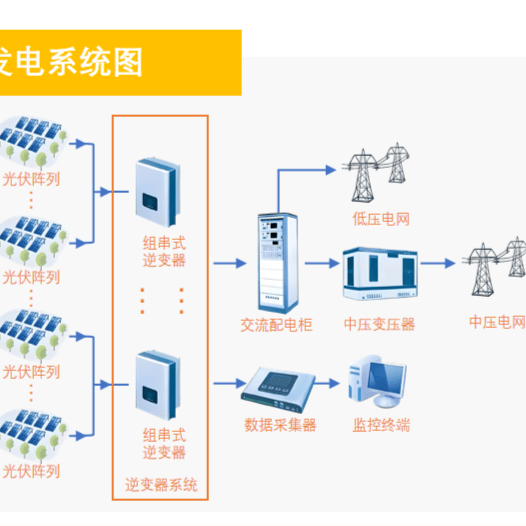
Photovoltaic and Wind Power Generation Technology
Beijing Boqi Electric Power SCI-TECH Co., Ltd.
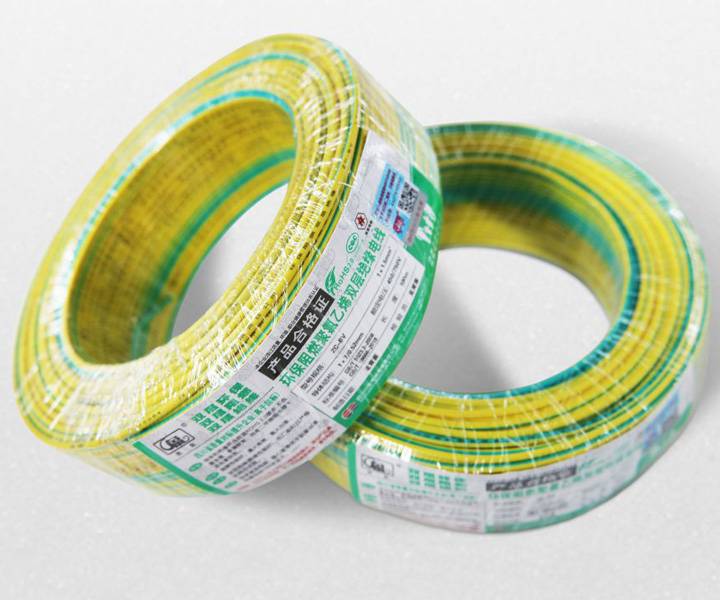
Environmentally Friendly Flame-retardant PVC Double-layer Insulated Wire
Sichuan Chndo Cable Co., Ltd.
CAP1400 main feedwater flow nozzle flowmeter.
Jiangsu Hongda Instrument Technology Co., LTD.
Perfluorinated Ionic Membrane-CM-10N Series Membrane
Guizhou Juneng Century Technology Co., Ltd