Divergence over Hormuz Transit Plans Keeps International Oil Prices Rising
en.Wedoany.com Reported - On August 7, uncertainty over transit arrangements in the Strait of Hormuz continued to push international oil prices higher. As of 00:10 GMT, Brent crude futures rose $0.99, or 1.2%, to $83.48 per barrel, while U.S. West Texas Intermediate (WTI) futures gained $0.85, or 1.1%, to $78.84 per barrel. In the previous trading session, Brent and WTI settled up 3.83% and 2.75%, respectively, as the market reassessed the timeline and conditions for restoring normal transit through the strait.
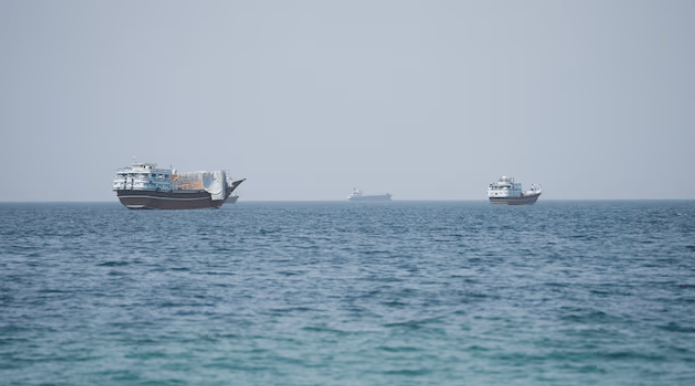
The price increase is linked to the latest discussions on transit conditions. An Iranian lawmaker said a parliamentary committee is reviewing a preliminary bill that would ban vessels from the U.S., Israel, and other countries deemed "hostile" from passing through the Strait of Hormuz, with fines of up to 20% of cargo value for ships violating the proposed restrictions. Meanwhile, Iran is seeking to charge transit fees equivalent to 5% to 7% of cargo value, Oman has discussed a fee level of around 3%, and the U.S. has argued that no such fees should be imposed on strait transit.
Official documents previously released by Oman's Foreign Ministry show that Oman and Iran have begun consultations on future transit management in the Strait of Hormuz. On June 23, the two sides agreed to establish a joint working group under their foreign ministries to continue discussing future navigation management, related services, and fees in the strait, stating that any arrangements should conform to international standards. On July 14, Oman reiterated its commitment to cooperating with all parties to restore freedom of navigation in the strait and stressed that relevant arrangements should comply with international law. The publicly available Omani official documents have not yet indicated that new fee or vessel restriction plans have formally taken effect.
Actual transit levels through the strait remain significantly below pre-conflict figures. Kpler data shows that only 2 vessels passed through the Strait of Hormuz on August 5, down from 8 the previous day and far below the pre-conflict daily average of approximately 130 to 140 vessels. The U.S. Energy Information Administration has previously noted that the Strait of Hormuz is one of the world's most critical oil transit routes, with an average of about 20.9 million barrels per day of oil moving through the strait in the first half of 2025, equivalent to roughly 20% of global petroleum liquids consumption. The pace of recovery in strait transit therefore remains a key variable affecting international crude supply and price fluctuations.
Related Products

Standard Nozzle Flowmeter
Jinggong Automatic Control Instrument Complete Technology Development Company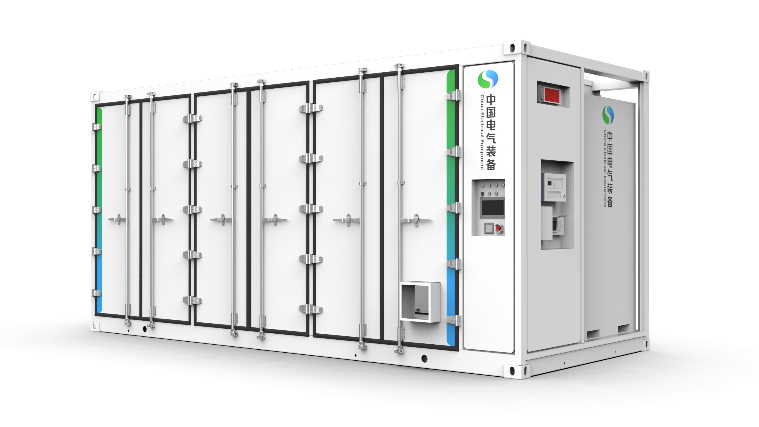
MESS8201-2507/5015-BN Prefabricated Liquid-cooled Energy Storage Battery Container
Xuchang Xuji Electric Science Energy Storage Technology Co., Ltd.






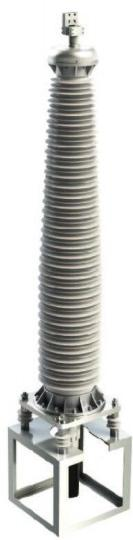
220kV Composite Outdoor Cable Terminal
Shenyang Guolian Cable Accessories Manufacture Co., Ltd.