Vietnam proposes $3.3 billion budget increase for Lao Cai-Hanoi-Hai Phong railway, with early implementation of double-tracking on certain sections
en.Wedoany.com Reported - On August 6, Vietnamese Minister of Construction Tran Hong Minh submitted a draft resolution to the National Assembly, proposing to increase the estimated investment for the Lao Cai-Hanoi-Hai Phong railway project from 203.2 trillion VND (approximately $8.37 billion) to 289.3 trillion VND (approximately $11 billion), an increase of 86.1 trillion VND (approximately $3.3 billion), or 42.4%. The main change is that the Bac Hong-Nam Hai Phong section will be built as a double-track line in one phase rather than in stages, while the new Yen Vien-Gia Lam section is added and station layouts are optimized. Vietnam has previously stated that the project will receive loan support from the Chinese government.
According to Minister Tran Hong Minh, the capital increase for the Lao Cai-Hanoi-Hai Phong railway is the result of corresponding adjustments to the route alignment, construction scale, engineering quantities, unit price system, costs, and exchange rate conversions in response to updated relevant policies. The China-Vietnam joint statement issued in April this year called for strengthening cross-border railway connectivity. Subsequently, Vietnam's national master plan, railway network plan, and industry-specific plans were revised, with multiple major supporting projects added along the route, requiring the railway alignment to be coordinated accordingly. At the same time, changes in transport demand forecasts led to corresponding adjustments in the design scheme.
The route adjustments are mainly reflected in the addition of the Yen Vien-Gia Lam section (8.4 km), with the northern passenger hub relocated from Yen Vien Station to Gia Lam Station; the addition of two branch lines connecting to the existing railway network; and the downgrading of the Nam Hai Phong-Lach Huyen section from a main line to a branch line, with the main line terminus changed to Nam Hai Phong Station. The total length of the main line is reduced from 389 km to 362.9 km, while branch lines increase from 27.9 km to 62.9 km. The route passes through six provinces and cities: Lao Cai, Phu Tho, Hanoi, Bac Ninh, Hung Yen, and Hai Phong.
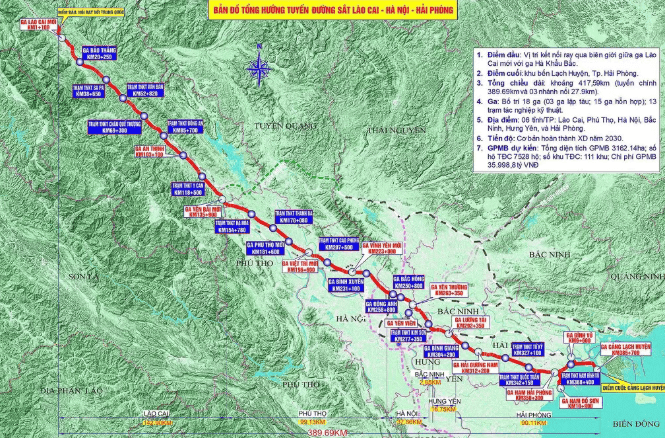
Among all adjustments, the one with the greatest impact on the investment scale is changing the construction standard for the Bac Hong-Nam Hai Phong section from "reserving space for double-track with phased implementation" to building a double-track line in one phase, with the same approach applied to the Yen Vien-Gia Lam section. The Lao Cai-Bac Hong section will still be built as a new single-track line, with conditions reserved for future capacity expansion. In addition, the main line and the Yen Vien-Gia Lam branch line will adopt electrified railway technology, while the port branch line will initially operate with diesel locomotives, switching to clean energy around 2045.
The National Assembly's Economic and Financial Committee, which reviewed the draft, considers the adjustment direction appropriate but requires supplementary explanations on the basis for the capital increase and traffic volume projections. It also points out a funding gap: approximately 22.46 trillion VND is needed from 2026 to 2030, while the current plan allocates only 14.85 trillion VND, leaving a shortfall of 7.61 trillion VND. The plan proposes raising 17.97 trillion VND in external debt, requiring clarification of debt repayment capacity and preparation of contingency plans. Furthermore, the target of completing and opening to traffic by 2030 is considered challenging, requiring a clear timetable for key milestones and implementation details for the branch lines.
Lao Cai-Hanoi-Hai Phong Railway
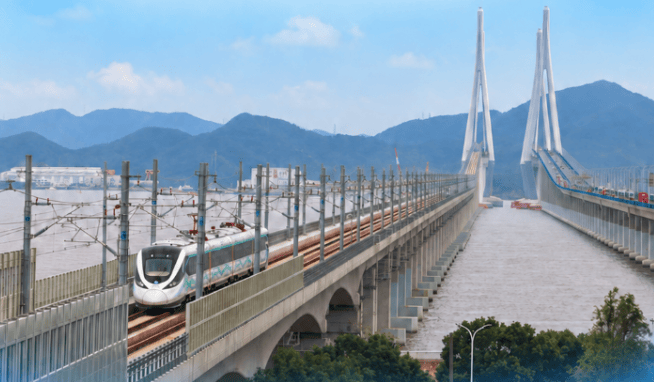
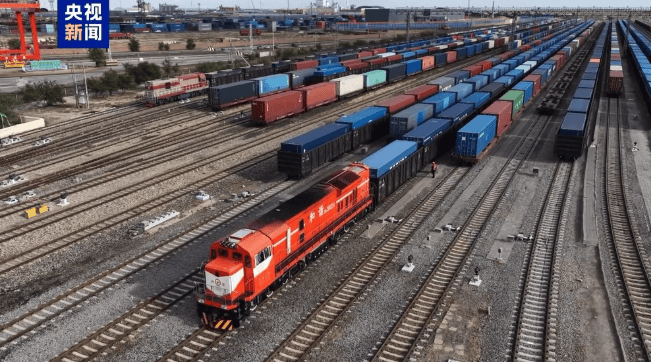
The Lao Cai-Hanoi-Hai Phong railway is a national key project approved by the Vietnamese National Assembly in 2025, and is the priority project among the three China-Vietnam cross-border standard-gauge railway cooperation projects. The maximum design speed of the main line is 160 km/h, the Hanoi hub section is designed for 120 km/h, and other sections for 80 km/h, with mixed passenger and freight operations. Upon completion, the project will significantly improve freight efficiency from China via Lao Cai and Hanoi to Hai Phong port, reducing logistics costs.
The construction contractors for the first phase already under construction (5 stations) are all Vietnamese domestic enterprises.
In March this year, the draft feasibility study report for the Lao Cai-Hanoi-Hai Phong railway project was submitted; under the current schedule, full-scale construction is targeted to commence comprehensively in December 2026.
Related Products


Wheel and Track Technology Business
Beijing Research & Design Institute of Rubber Industry Co., Ltd.
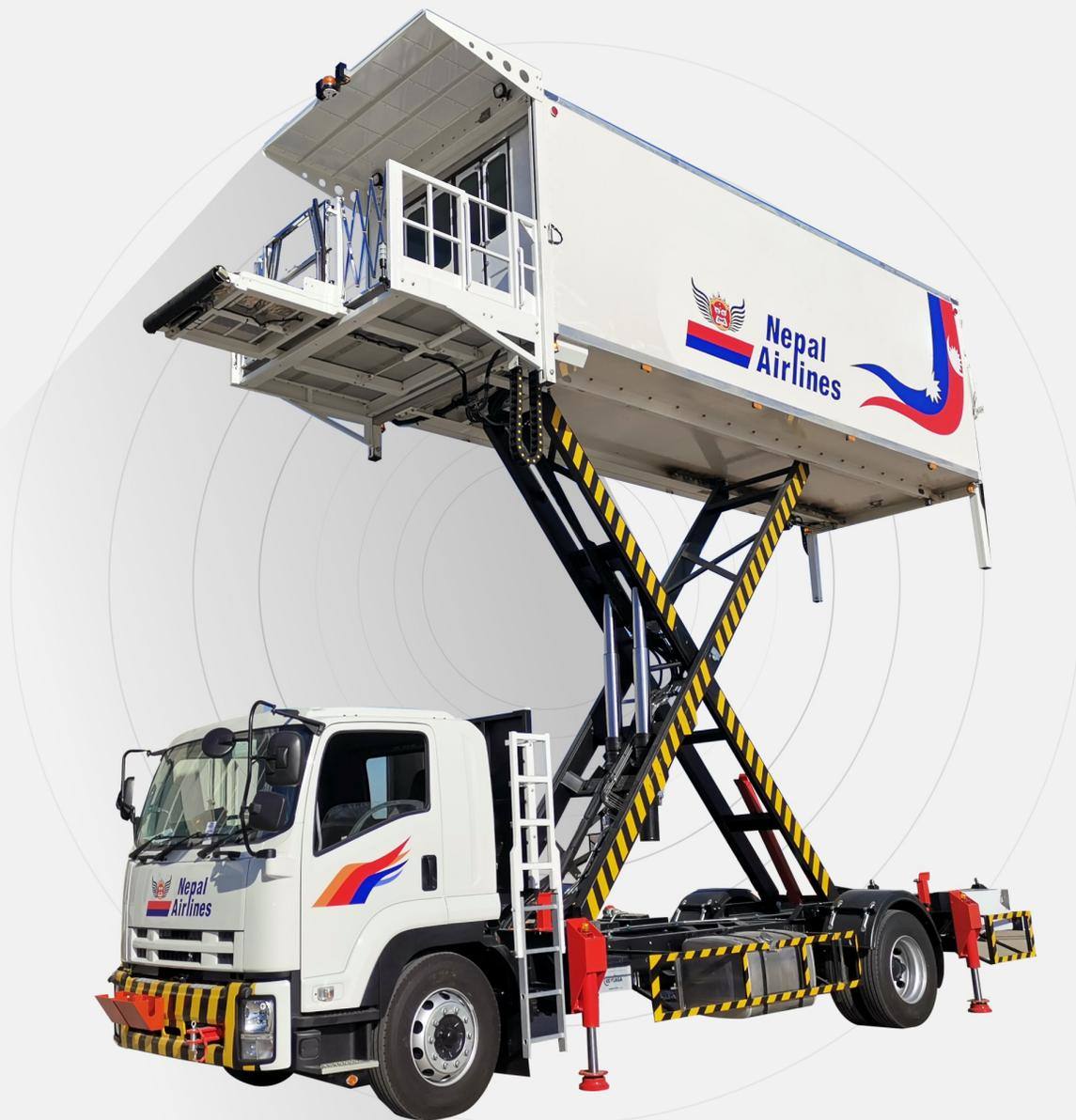
XC-6000e Type Aviation Catering Truck (Fuel Type)
Shenzhen CIMC-TianDa Airport Support Ltd.

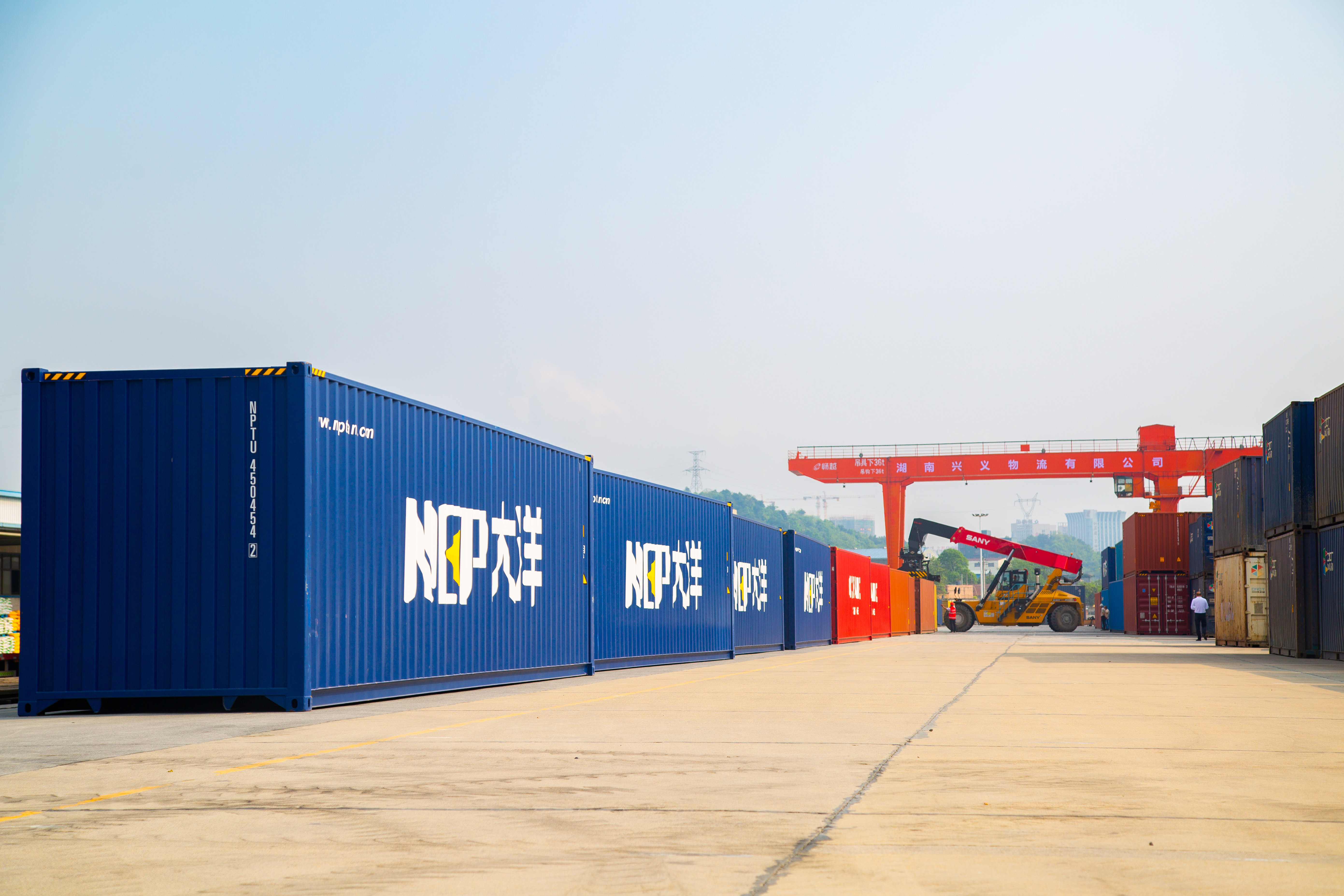
China - Alashankou/Khorgos - Europe Full Range Transportation (Mala/Hamburg/Duisburg/Budapest, etc.)
Shenzhen Neptune Logistics Co., Ltd.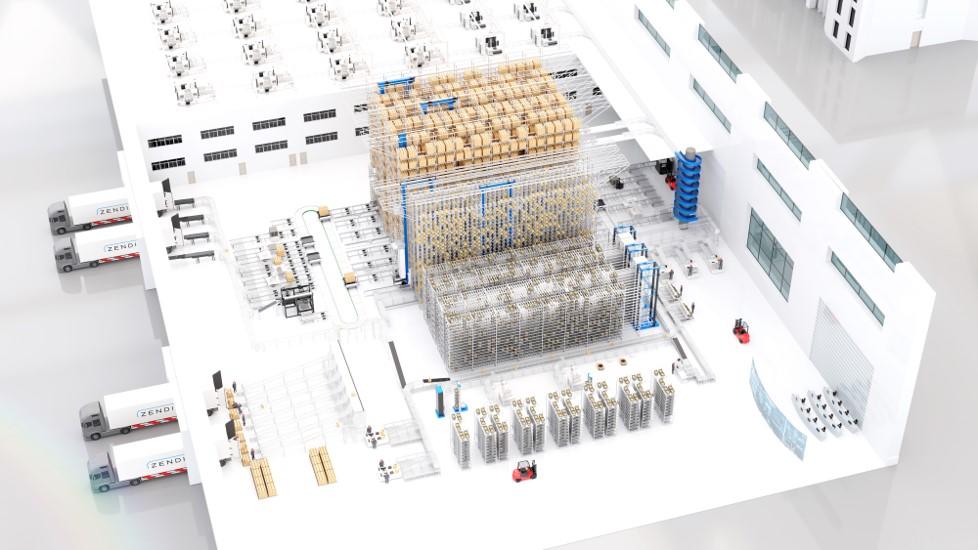
One-Stop Steward Service for the Entire Logistics System Integration Chain
Zhongding Intelligent (Wuxi) Technology Co., Ltd.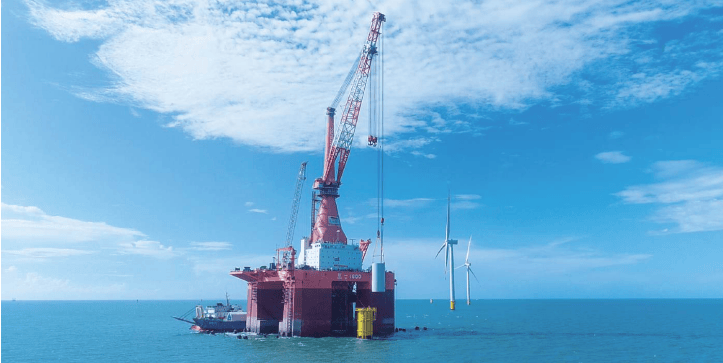
"Shunyi 1600" Deep-submerging Bottom-sitting Multi-functional Wind Power Engineering Vessel
Zhengli Offshore Engineering Co., Ltd.