Century Aluminum Q2 2026 EBITDA Reaches $327 Million
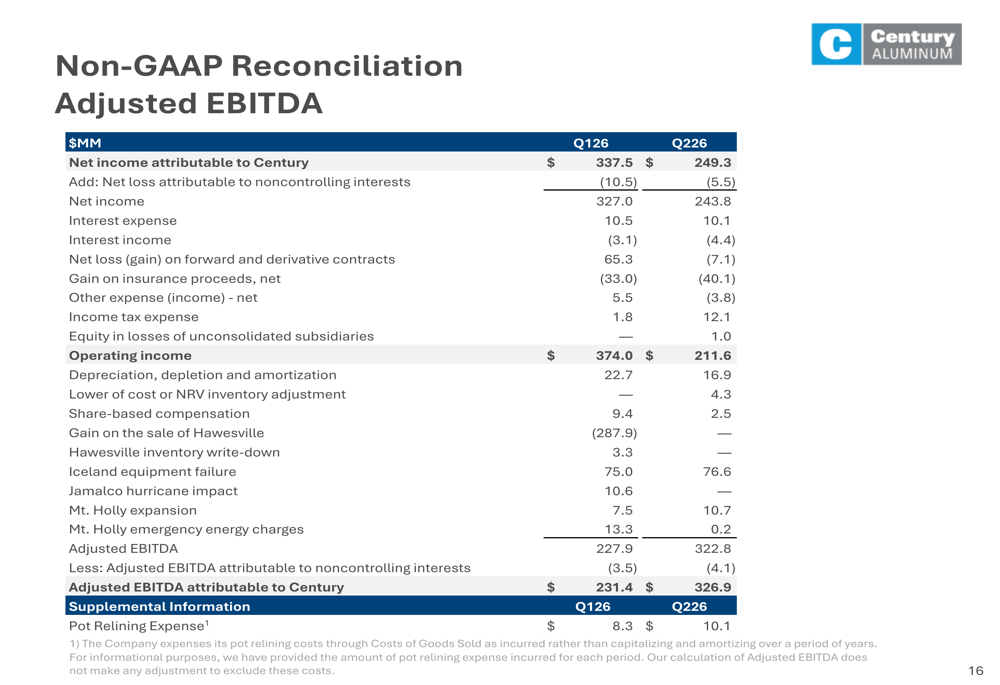
en.Wedoany.com Reported - Century Aluminum (NASDAQ: CENX) released its Q2 2026 financial results on August 6, 2026, with both its Mt. Holly and Grundartangi aluminum smelters back to full capacity operations. During the reporting period, the company's adjusted EBITDA was $327 million, up $96 million quarter-over-quarter, with cash holdings at quarter-end exceeding total debt. Management described the current aluminum market fundamentals as the strongest in years.
Q2 aluminum shipments totaled 130,632 tons, up 6% from 122,865 tons in Q1. Net sales reached $752 million, with adjusted net income of $257 million, or $2.46 per share, beating the Wall Street consensus estimate of $2.35 per share, though revenue fell short of the expected $818.65 million. Adjusted EBITDA rose from $231 million in Q1 to $327 million. President and CEO Jesse Gary stated that both plants are operating at full capacity and the market needs every ton of aluminum the company produces. Executive Vice President and CFO Peter Trpkovski noted that the company's cash position now exceeds total debt, marking the strongest balance sheet in its history.
Of the sequential increase in adjusted EBITDA from Q1 to Q2, higher LME prices and delivery premiums contributed $95 million, normalized energy cost increases added $20 million, and improved production and product mix contributed $8 million. Higher raw material costs reduced EBITDA by $14 million, and operating expenses increased by $14 million. The company stated that the lagged impact of earlier Middle East supply disruptions pushed raw material costs higher.
On the cash flow front, growth capital expenditures of $37 million were primarily directed toward the Mt. Holly expansion and Grundartangi restart projects, sustaining capital consumption was $22 million, and $66 million in debt was repaid during the quarter. As of the end of July, the company's cash position exceeded total outstanding debt. Subsequent to quarter-end, the company also received a $94 million tax refund related to the 2025 Section 45X tax credits, along with $19 million in insurance recoveries for Grundartangi, bringing year-to-date total insurance proceeds to approximately $102 million.
On industry fundamentals, the 2026 global aluminum market is facing a supply deficit of 900,000 tons. China, with annual production of 45.2 million tons, still faces a shortfall of 2 million tons; the U.S. deficit stands at 3.8 million tons, and Europe faces a deficit of 2.7 million tons. Global inventories, measured in days of consumption, have fallen from 107 days in 2012 to 45 days in 2026, the lowest level in the data series. Declining inventories have supported premium pricing, with U.S. billet premiums rising above $550 per ton by late 2026. The Indiana hub electricity cost serving Century Aluminum's Sebree plant averaged $57/MWh in the first half of 2026, up from $44 in 2025; coke prices have risen year-to-date from $475/ton in 2025 to $561/ton.
On the strategic front, President Trump signed an executive order on July 20, 2026, providing incentives for companies building or expanding primary aluminum production in the U.S. Approved companies can import primary aluminum up to the capacity of their new production, benefiting from a preferential tariff rate of 25%, below the current 50% Section 232 tariff. Century Aluminum expects to benefit through its joint venture building a 750,000-ton aluminum smelter in Oklahoma. The project is a joint venture with Emirates Global Aluminium (EGA), with EGA holding 60% and Century Aluminum 40%, and is expected to receive approval starting in 2027 to import up to 750,000 tons annually at the preferential tariff rate. Management indicated that before the new smelter is completed, the company can utilize up to 300,000 tons annually of import quota at the 25% preferential tariff to support the capital needs of the Oklahoma project.
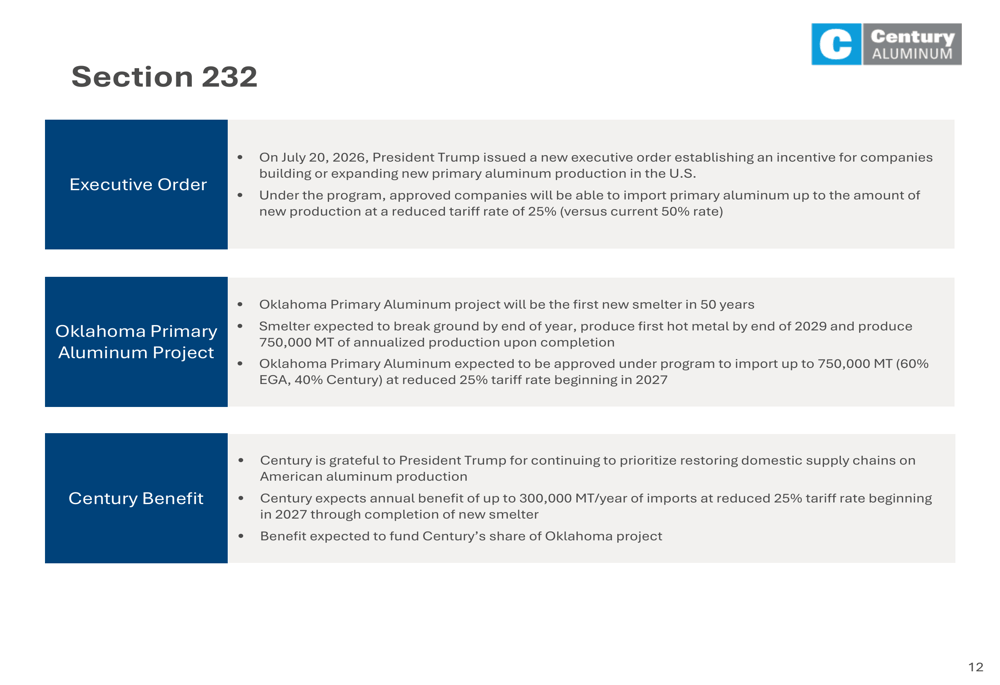
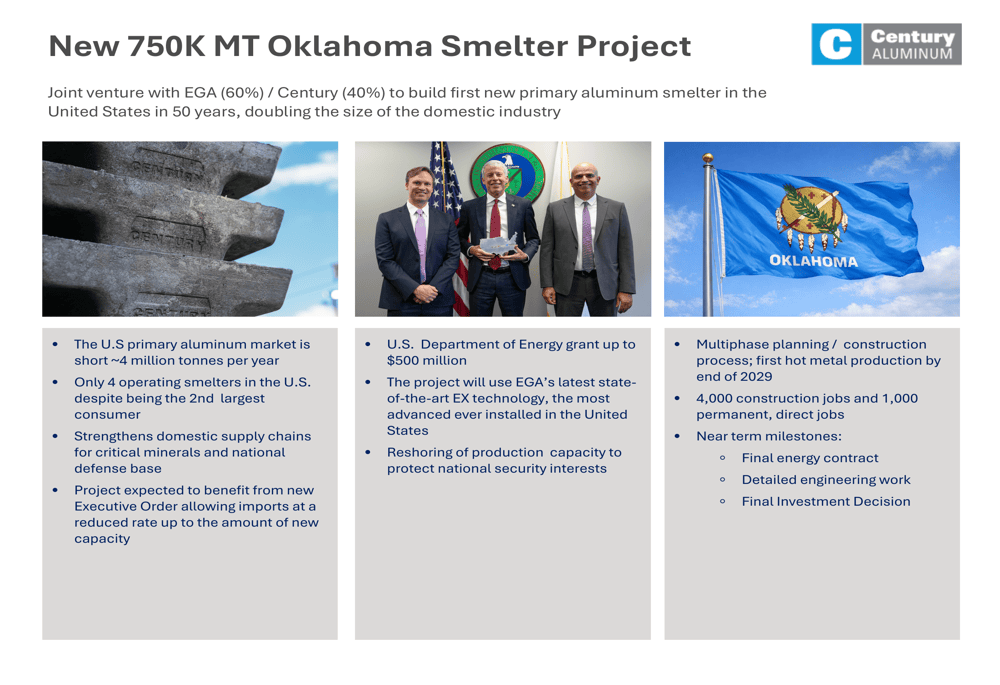
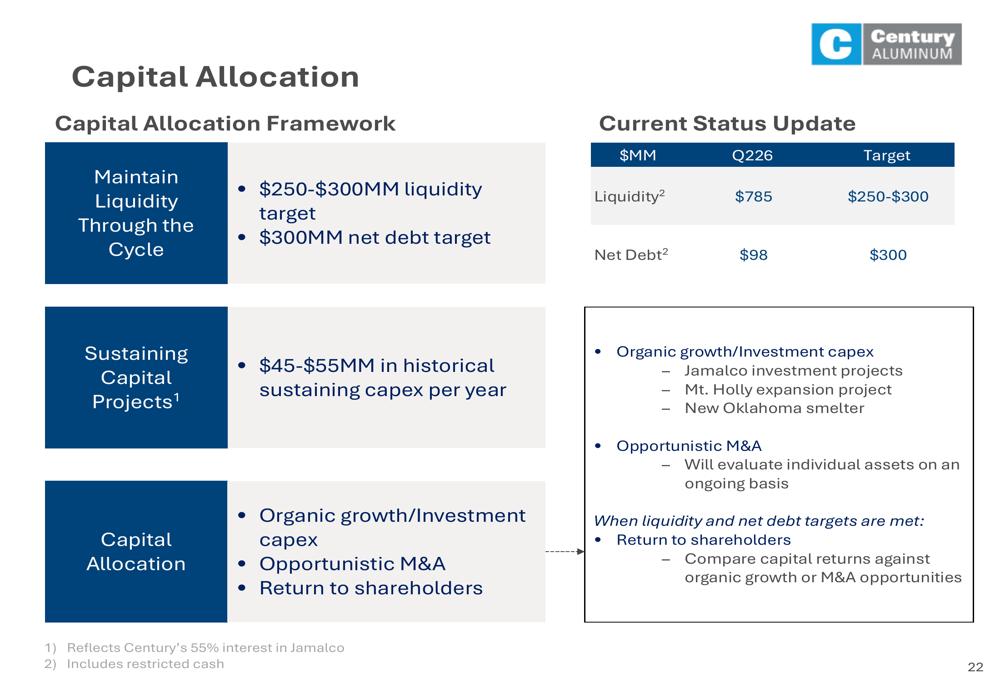
The Oklahoma facility is expected to break ground by the end of 2026, produce its first aluminum metal by the end of 2029, and reach an annual capacity of 750,000 tons at full ramp-up. The project has secured up to $500 million in funding from the U.S. Department of Energy and will utilize EGA's latest EX technology. Construction is expected to create 4,000 jobs, with 1,000 permanent direct positions following startup. Under its capital allocation framework, the company prioritizes maintaining $250 million to $300 million in liquidity and $300 million in net debt. At the end of Q2, liquidity stood at $785 million with net debt of only $98 million, already exceeding targets.
The Mt. Holly plant in South Carolina completed the restart of its final 90 electrolytic cells in Q2, reaching full capacity of approximately 200,000 tons per year at current operating rates. The expansion project is expected to deliver its first full quarter of production in Q3, though management cautioned that restart-related instability may persist. Iceland's Grundartangi plant completed the restart of its Potline 2 approximately six months ahead of schedule and is now operating near full capacity, with new transformers expected to arrive in Q4 to further increase current intensity. Due to equipment failures in Iceland earlier in the year, the company recorded $76.6 million in related costs in Q2. Jamaica's Jamalco refinery brought a new power turbine (TG4) online in August 2026, which is expected to reduce dependence on Jamaica's grid electricity, lowering costs by approximately $20 per ton, with full benefits to be realized gradually over the remainder of 2026. However, Jamalco is facing low-quality bauxite from certain mining areas, which could pressure costs and production.
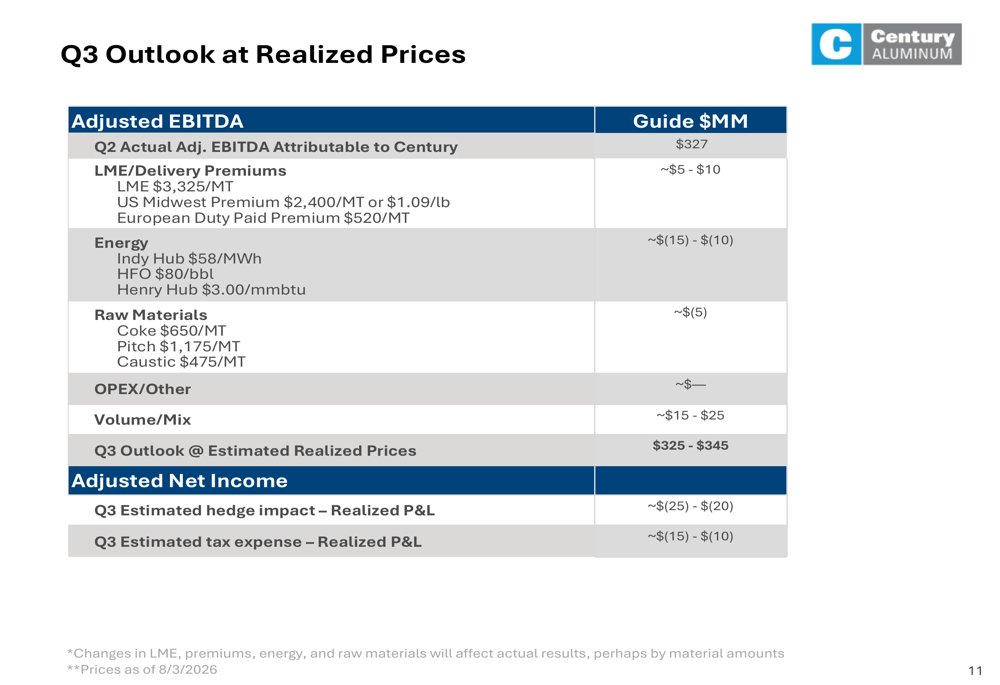
For Q3 2026 guidance, the company expects adjusted EBITDA of $325 million to $345 million. The guidance assumes an LME aluminum price of $3,325/ton, a U.S. Midwest premium of $2,400/ton ($1.09/lb), and a European duty-paid premium of $520/ton. Cost assumptions include Indiana hub electricity at $58/MWh, heavy fuel oil at $80/barrel, and Henry Hub natural gas at $3.00/MMBtu. Improved production and product mix are expected to contribute $15 million to $25 million, partially offset by $10 million to $15 million in seasonal summer energy headwinds and approximately $5 million in raw material cost pressures. Realized hedge settlement headwinds are expected to be $20 million to $25 million, with taxes of $10 million to $15 million. The company expects further production improvements in Q4.
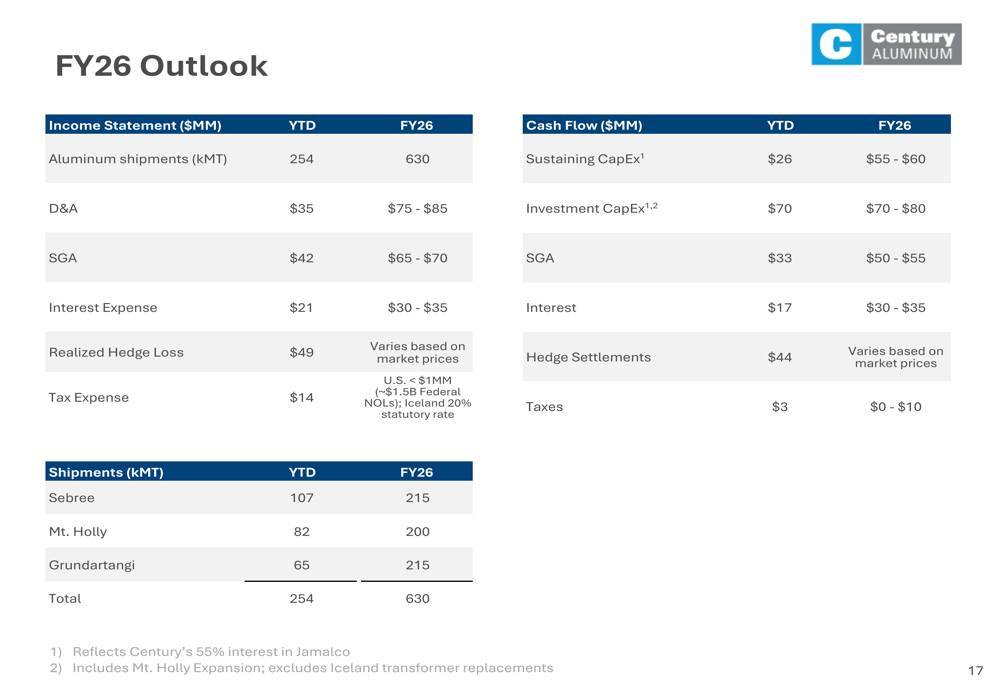
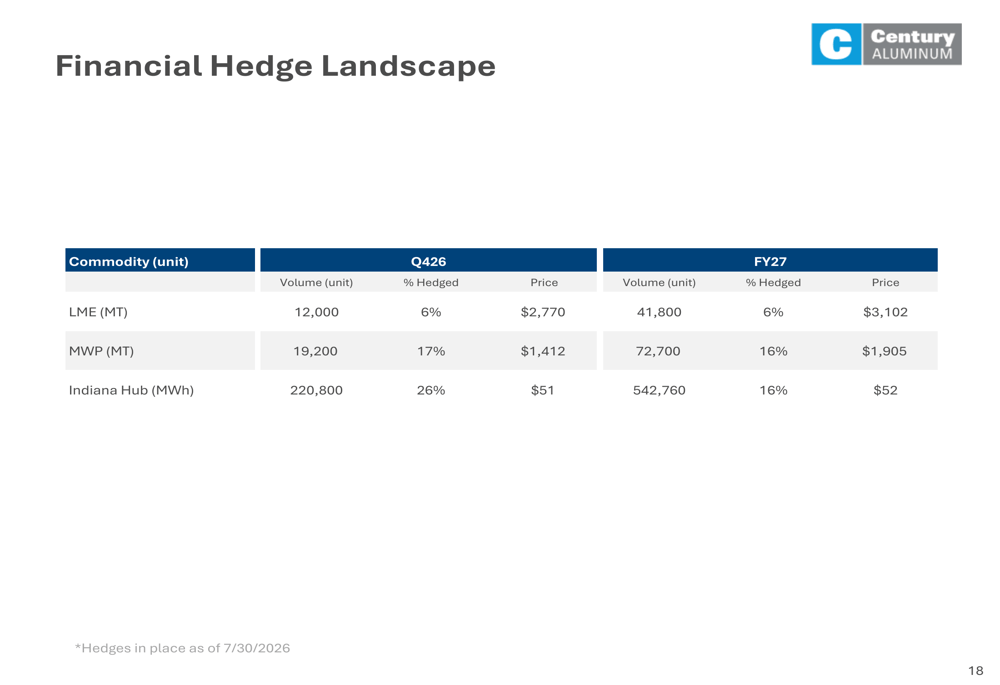
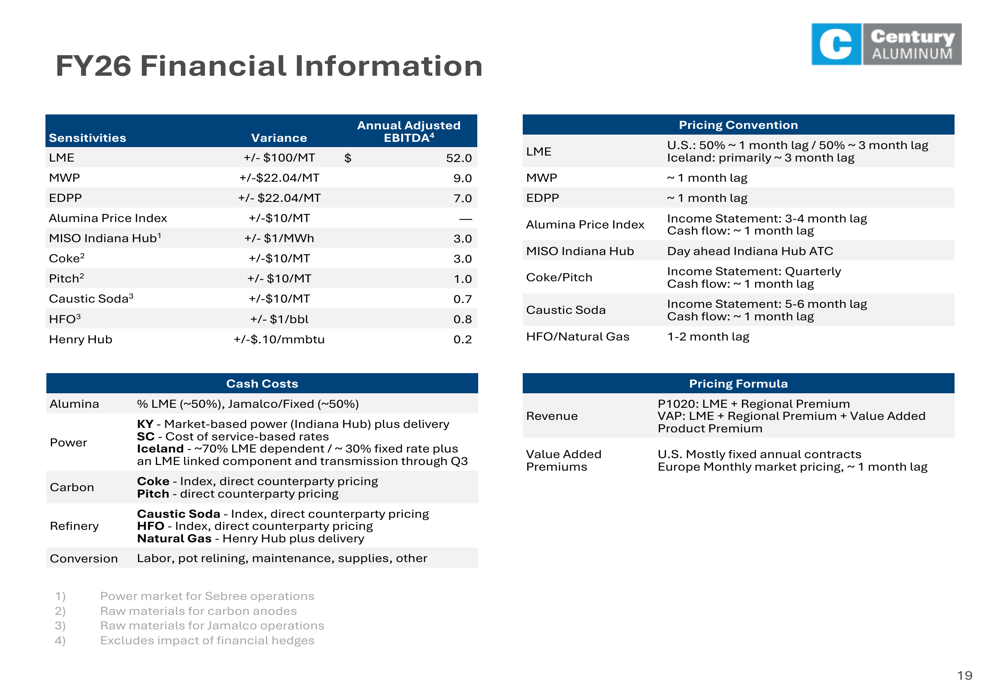
For full-year 2026, the company expects aluminum shipments of 630,000 tons, sustaining capital expenditures of $55 million to $60 million, and investment capital expenditures of $70 million to $80 million. The company holds approximately $1.5 billion in U.S. federal net operating loss carryforwards and expects full-year U.S. taxes to be below $1 million. Icelandic operations face a 20% statutory tax rate. The hedging strategy remains relatively limited, covering only 6% of expected LME exposure for the remainder of 2026 and full-year 2027. Sensitivity analysis shows that a $100/ton change in LME prices impacts EBITDA by $52 million; a $22.04/ton change in the Midwest premium impacts results by $9 million.
On near-term risks, the company's revenue came in 8.1% below analyst expectations, and the stock fell 2.43% in regular trading on the earnings release day, closing at $45.76, before recovering to $46.06 in after-hours trading. Mt. Holly will continue to face restart-related instability in Q3, and Jamalco's low-quality bauxite issues persist. Q3 energy costs are expected to rise due to summer heat, with hedge settlements and taxes also weighing on earnings. Spot coke prices stand at $588/ton, with an expected Q3 average of $650/ton. The Oklahoma project still requires final energy contracts, detailed engineering design, and a final investment decision, and is contingent on approval under the tariff relief program established by the executive order. The company's ability to sustain performance will depend on aluminum price trends, progress on the Oklahoma project, and operational stability at recently restarted facilities.
Related Products
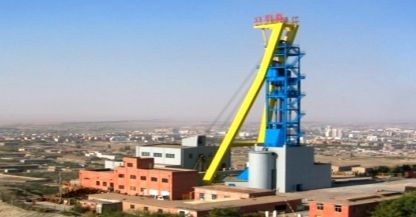

Core Technologies of the Mining Technology and Equipment Business Unit: Efficient Mining Methods and Processes
CHANGSHA INSTITUTE OF MINING RESEARCH CO., LTD.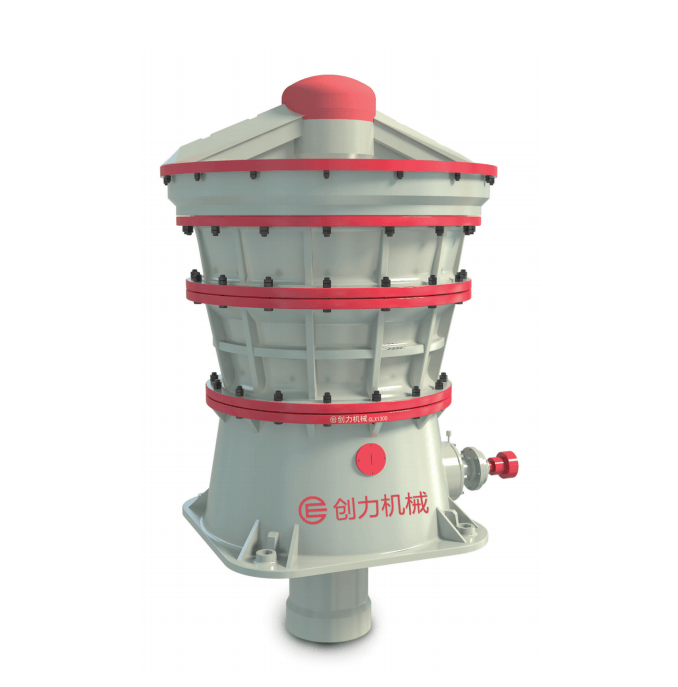
CLX Series Intelligent Hydraulic Gyratory Crusher
Guangdong CHUANGLI intelligent machinery Equipment Co., LTD
Industrial and Commercial Point-Type Gas Detector
Jinan Benan Technology Development Co., Ltd.
CITIC Heavy Industries Metallurgical Equipment Steel Smelting Engineering Equipment
CITIC Heavy Industries Co., Ltd.