US Eagle Advances Aurora Uranium Project, Targeting 2032 Production Start
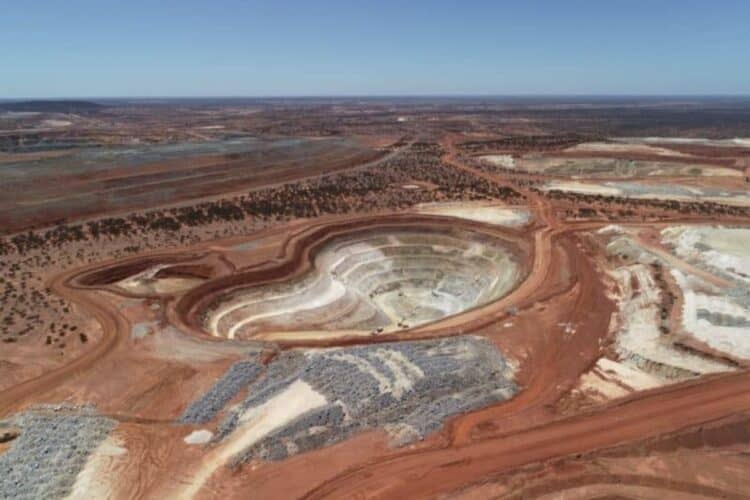
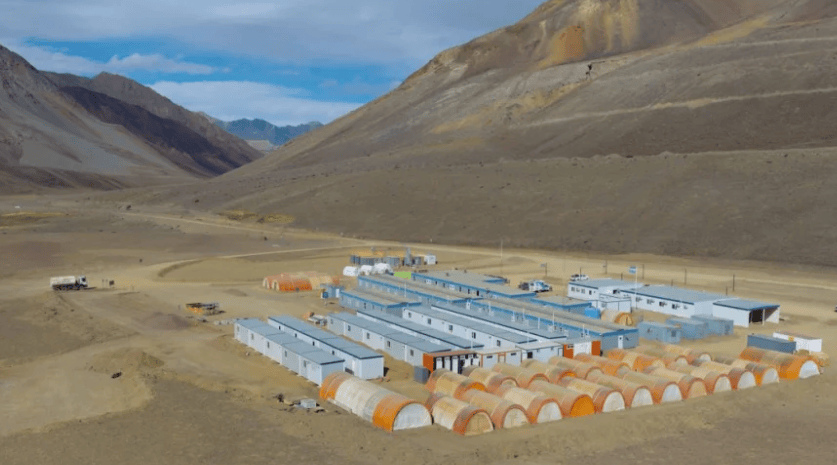
en.Wedoany.com Reported - Eagle Nuclear Energy (Nasdaq: NUCL) was recently added to the Solactive Global Uranium & Nuclear Components Total Return Index, making it eligible for inclusion in the Global X Uranium ETF (NYSE Arca: URA), which manages over $5 billion in assets. The company is advancing the Aurora uranium project on the Oregon-Nevada border, which it describes as the largest mineable uranium deposit in the United States.
The company began trading on Nasdaq in February after completing its merger with Spring Valley Acquisition Corp. II, a deal that included a $30 million investment. CEO Mark Mukhija said the funds will provide approximately two years of financing for engineering, permitting, and baseline environmental work.
U.S. nuclear reactors currently require an estimated 32 million pounds of uranium annually. Energy Fuels' White Mesa mill in Utah is the only operating uranium processing facility in the country. In 2024, the U.S. purchased 50 million pounds of uranium, but domestic production totaled just 677,000 pounds. Mukhija told MINING.COM that years of underinvestment have left uranium output lagging reactor demand, and with utilities yet to sign sufficient replacement supply contracts at the front end of the nuclear fuel cycle, the market is approaching a "tipping point" that could trigger a new wave of uranium procurement contracts. "I believe you're going to see a lot of utilities come in and buy this yellowcake," he said.
Mukhija noted that China and India are advancing the world's largest reactor buildouts, adding supply pressure on Western producers; India's efforts to source uranium from Canada and Australia could also reduce supply available to U.S. buyers. U.S. light-water reactor fleets require converted and enriched uranium, while Canada's CANDU reactors can run on natural uranium. Washington has banned imports of Russian enriched uranium, making the rebuilding of domestic conversion and enrichment capacity a focal point, and Mukhija expects government support to increasingly shift further upstream toward uranium mining.
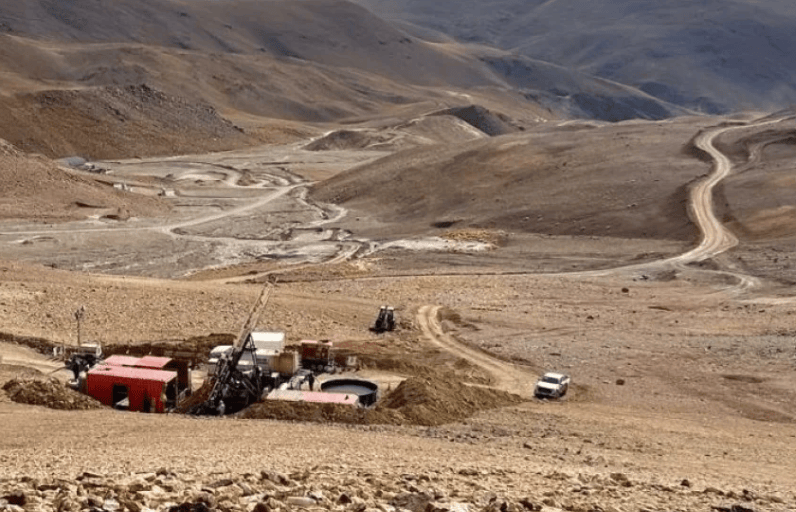
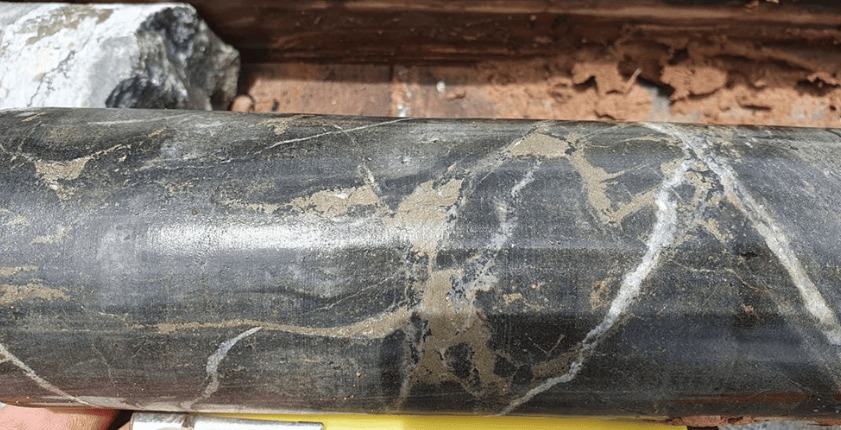
The Aurora uranium project hosts indicated resources of 32.75 million pounds of uranium oxide and inferred resources of 4.98 million pounds. The company is awaiting state approval for a drilling program to support a pre-feasibility study, targeted for the second half of 2027. In July, the company hired BBA USA, SLR International, and Yukuskokon Professional Services for related work. Mukhija said that depending on permitting, technical studies, and project development progress, Aurora could reach commercial production in the early 2030s, with "2032 currently serving as a baseline estimate," with permitting being the longest lead-time item.
Beyond uranium mining, Eagle is also developing small long-life and ultra-small long-life modular reactor designs for industrial and grid applications, aiming to build an integrated nuclear business spanning uranium production and power generation. Mukhija believes SMRs will eventually find a market in remote mining sites lacking grid connections and infrastructure, but miners' current reluctance to adopt the technology reflects its early commercial stage. Eagle is a member of the U.S. Department of Energy's Defense Production Act nuclear fuel cycle coalition, which includes representatives from over 90 companies. Under the DOE's reactor pilot program, four advanced reactor designs have achieved zero-power criticality, which Mukhija said demonstrates that clear deadlines and targets from the government do accelerate nuclear innovation.