US Baker Hughes: Total oil and gas rig count unchanged at 588 in week ended Aug 7
en.Wedoany.com Reported - U.S. energy services firm Baker Hughes reported in its weekly rig count on Friday that the total U.S. oil and gas rig count held steady at 588 for the week ended August 7, unchanged from the previous week. This figure is viewed as an early indicator of future energy output, with the current total up 49 rigs, or 9%, compared with the same period last year.

By category, oil rigs rose by 3 to 454 this week, the highest level since May 2025; natural gas rigs fell by 3 to 124, the lowest since June 2026; and other rigs remained unchanged at 10.
Among key producing regions, the Permian Basin, spanning West Texas and eastern New Mexico, is the largest oil-producing shale basin in the U.S., where rig counts increased by 3 to 263, the most since July 2025. Pennsylvania rig counts fell by 1 to 16, the lowest since April 2025. Texas, the state with the most rigs in the U.S., added 2 this week to 275, the highest since April 2025. All three states are critical areas for shale oil and gas extraction nationwide. Meanwhile, due to lower U.S. oil prices, energy companies are focusing more on boosting shareholder returns and repaying debt rather than increasing output, with oil and gas rig counts down 7% in 2025, 5% in 2024, and 20% in 2023. After three consecutive years of declines from 2023 to 2025, U.S. West Texas Intermediate (WTI) crude spot prices are expected to rise in 2026, driven by supply disruptions from the Iran war. The U.S. Energy Information Administration (EIA) forecast last month that crude oil production would rise from a record 13.6 million barrels per day in 2025 to 13.8 million barrels per day in 2026; natural gas production would jump from a record 107.7 billion cubic feet per day in 2025 to 111.3 billion cubic feet per day in 2026, driven by robust electricity demand from data centers and rising fuel demand for liquefied natural gas exports.
Related Products

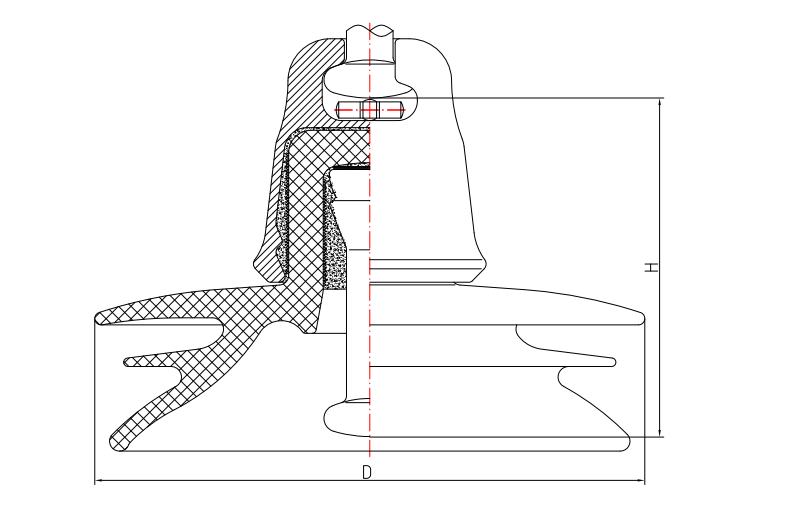
Post-type AC Pollution-resistant Disc Suspension Porcelain Insulator (Triple Umbrella Type)
Shandong High Voltage Insulator Co., Ltd.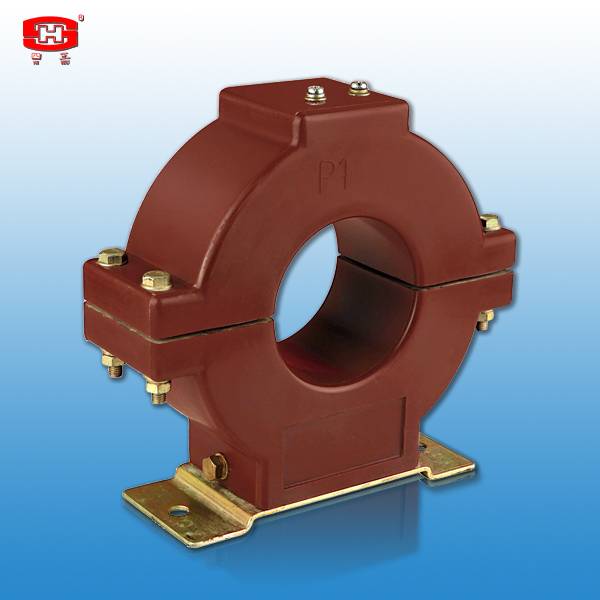
0.66kV Power Supply Instrument Transformer
Guangdong Sihui Instrument Transformer Works Co., Ltd.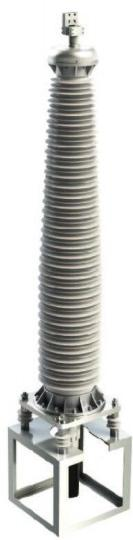
220kV Composite Outdoor Cable Terminal
Shenyang Guolian Cable Accessories Manufacture Co., Ltd.
80kW Megawatt Supercharging Module TH80F10030C9
Shijiazhuang Tonhe Electronics Technologies Co., Ltd.

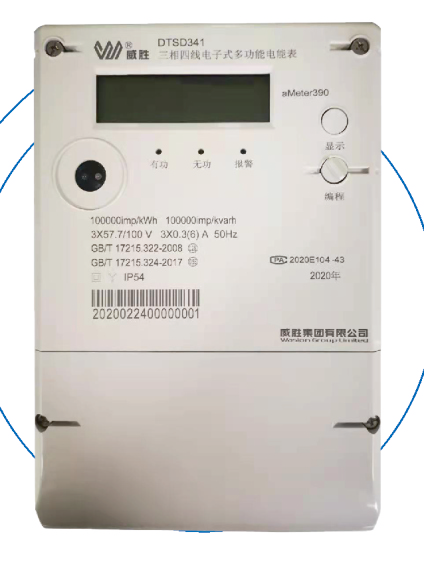
Overseas IEC Gateway Energy Meter - DTSD341/DSSD331-aMeter390
Wasion Group Limited Co., Ltd.