ZTO Express Reports Q2 2026 Financial Results: Adjusted Net Income Up 50.3%
en.Wedoany.com Reported - ZTO Express (Cayman) Inc. (NYSE: ZTO; SEHK: 2057) announced its unaudited financial results for the second quarter ended June 30, 2026: parcel volume increased 6.5% year-over-year, adjusted net income grew 50.3% to RMB 3,086.1 million (US$454.8 million), and net cash generated from operating activities was RMB 4,563.6 million (US$672.6 million).
Financial data show that second-quarter revenue was RMB 14,549.9 million (US$2,144.4 million), up 23.0% from the same period in 2025; gross profit was RMB 3,733.3 million (US$550.2 million), up 26.8%, with gross margin rising to 25.7% from 24.9% in the prior-year period; net income was RMB 3,077.6 million (US$453.6 million), up 56.7%; adjusted EBITDA was RMB 4,241.4 million (US$625.1 million), up 20.0%; EBITDA was RMB 4,231.3 million (US$623.6 million), compared with RMB 3,446.8 million in the prior-year period.
Basic and diluted net income per American Depositary Share (ADS) were RMB 3.99 (US$0.59) and RMB 3.78 (US$0.56), respectively, up 64.9% and 59.5% year-over-year; adjusted basic and diluted earnings per ADS attributable to ordinary shareholders were RMB 4.00 (US$0.59) and RMB 3.79 (US$0.56), respectively, up 58.1% and 52.8% year-over-year. The corresponding figures for the prior-year period were RMB 2.42, RMB 2.37, and RMB 2.53, RMB 2.48, respectively.
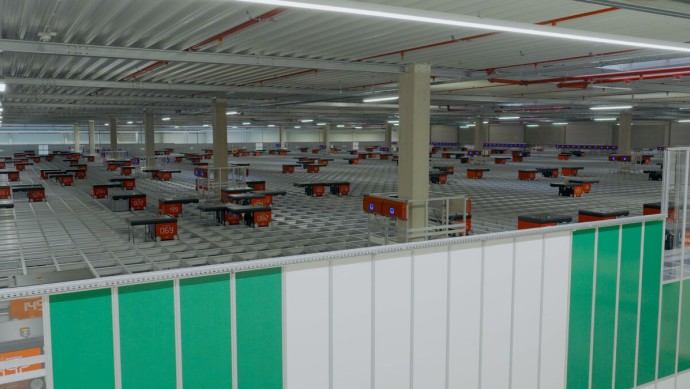
On the operational front, parcel volume in the second quarter was 10,486 million parcels, compared with 9,847 million parcels in the same period of 2025, an increase of 6.5%. As of June 30, the company had over 31,000 pickup and delivery outlets, approximately 6,000 direct network partners, over 10,000 self-operated line-haul vehicles, and more than 3,600 line-haul routes; 92 sorting centers, of which 87 were operated by the company and 5 by network partners; and 782 automated sorting systems in use, compared with 690 in the same period of 2025.
Chairman and Chief Executive Officer Lai Meisong stated that parcel volume grew 6.5% year-over-year in the second quarter, outpacing the industry average by 2.3 percentage points; daily retail parcel volume grew faster than traditional e-commerce parcel volume, and this structural shift is improving overall margins while driving volume growth. Chief Financial Officer Yan Huiping noted that core express delivery revenue per parcel increased 15.5%, driven by a higher mix of high-value key accounts and reverse logistics business; digitalization and lean operations reduced combined unit sorting and transportation costs by RMB 0.02; selling, general and administrative expenses, excluding share-based compensation expenses, accounted for approximately 3.8% of revenue, compared with 5.2% in the prior-year period; operating cash flow was RMB 4.6 billion, and total capital expenditures were RMB 952 million.
In the revenue structure, core express delivery service revenue increased 23.0% year-over-year, driven by a 6.5% increase in parcel volume and a 15.5% increase in unit price; among this, revenue from key accounts generated by direct sales organizations increased 63.6%, primarily driven by increased parcel volume from e-commerce returns. Freight forwarding service revenue increased 21.1%, while accessory sales revenue (primarily electronic waybill thermal paper) decreased 1.7%.
Total operating costs were RMB 10,816.6 million (US$1,594.2 million), up 21.7% year-over-year. Line-haul transportation costs were RMB 3,375.6 million (US$497.5 million), up 2.6%, with unit transportation costs down 3.0% or RMB 0.01, as economies of scale and improved route planning and loading rates offset the impact of diesel price increases. Sorting center operating costs were RMB 2,505.8 million (US$369.3 million), up 3.8%, including an increase of RMB 84.5 million (US$12.5 million) in labor costs and RMB 14.8 million (US$2.2 million) in automation-related depreciation and amortization. Accessory sales costs were RMB 145.8 million (US$21.5 million), down 3.6%. Other costs were RMB 4,609.7 million (US$679.4 million), up 61.2%, primarily due to an increase of RMB 1,620.4 million (US$238.8 million) in fees paid to network partners for pickup and delivery services, which are related to serving key accounts and processing e-commerce returns.
Total operating expenses were RMB 505.3 million (US$74.5 million), compared with RMB 469.3 million in the prior-year period; selling, general and administrative expenses were RMB 556.7 million (US$82.0 million), down 10.7% year-over-year, as the prior-year period included a credit loss provision of RMB 40.8 million (US$6.0 million) related to financing receivables. Net other operating income was RMB 51.3 million (US$7.6 million), compared with RMB 154.3 million in the prior-year period, primarily including government subsidies and tax rebates of RMB 23.7 million (US$3.5 million) and rental and other income of RMB 27.6 million (US$4.1 million). Operating profit was RMB 3,227.9 million (US$475.7 million), up 30.4%, with operating margin rising from 20.9% to 22.2%. Interest income was RMB 155.7 million (US$22.9 million), and interest expense was RMB 70.6 million (US$10.4 million); gains from changes in fair value of financial instruments were RMB 45.4 million (US$6.7 million), compared with a loss of RMB 3.6 million in the prior-year period. Income tax expense was RMB 258.6 million (US$38.1 million), compared with RMB 575.5 million in the prior-year period; the overall effective income tax rate was 7.7%, down 15.2 percentage points year-over-year, primarily due to the recognition of its wholly-owned subsidiary Shanghai Zhongtongji Network Technology Co., Ltd. as a "Key Software Enterprise" for 2025, which qualifies for a preferential tax rate of 10%, resulting in an income tax refund of RMB 344.3 million (US$50.7 million).
The board of directors announced the appointment of Zhu Wei as an independent director, effective August 19, 2026. Zhu Wei has over 35 years of experience in management consulting, investment banking, private equity investment, and large enterprise management: since April 2026, he has served as Director and Advisor of Artificial Intelligence Technology at Shanghai Xforceplus Information Technology Co., Ltd. and its affiliates; from June 2024 to February 2026, he served as Co-Head of North Asia at Alvarez & Marsal; from 2018 to 2021, he served as Chairman of Greater China at Accenture plc and became a member of its Global Management Committee in 2020; previously, he served as Global Co-Head of Private Equity at Standard Chartered Bank (2009 to 2017), Senior Managing Director and Head at CVC Capital Partners (2008 to 2009), Managing Director at Goldman Sachs Gao Hua Securities Company Limited (2005 to 2008), Senior Partner and President of Greater China at Roland Berger (2004 to 2005), and President of Greater China at Kearney (2001 to 2003); since September 2021, he has served as an independent director of Shanghai Foreign Service Holding Group Co., Ltd. Zhu Wei received a Bachelor's degree in Foreign Service from Georgetown University in 1986 and an MBA from the University of Chicago in 1992.
Regarding shareholder returns, the board of directors approved an enhanced return mechanism in March 2026, targeting an annual total shareholder return rate of no less than 50% of the prior fiscal year's adjusted net income, comprising cash dividends and share repurchases. As of the end of the second quarter, the company had repurchased a total of 31,788,692 Class A ordinary shares in 2026, at a total consideration of US$740 million (including repurchase commissions), equivalent to 52% of 2025 adjusted net income; the board of directors does not recommend the distribution of an interim dividend for the first half of 2026. Under the new share repurchase program approved in March 2026 (with an authorized amount of up to US$1.5 billion, effective from March 20, 2026 to March 20, 2028), the company had repurchased a total of 6,161,216 American Depositary Shares at a total consideration of US$138 million, with a remaining authorized amount of US$1.36 billion.
Based on current market and operating conditions, the company has revised its previously announced annual guidance and now expects parcel volume growth of 6.0% to 10.0% year-over-year in 2026, corresponding to parcel volume of 40.8 billion to 42.4 billion parcels. This estimate represents management's current preliminary view and is subject to change.
Related Products


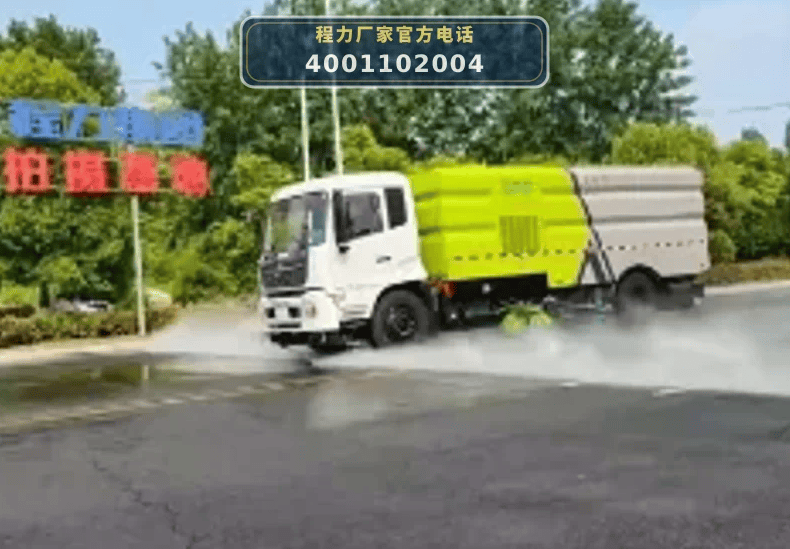
CLW5180TXSD6 Dongfeng Tianjin Washing and Sweeping Truck
ChengLi Special Automobile Co., Ltd.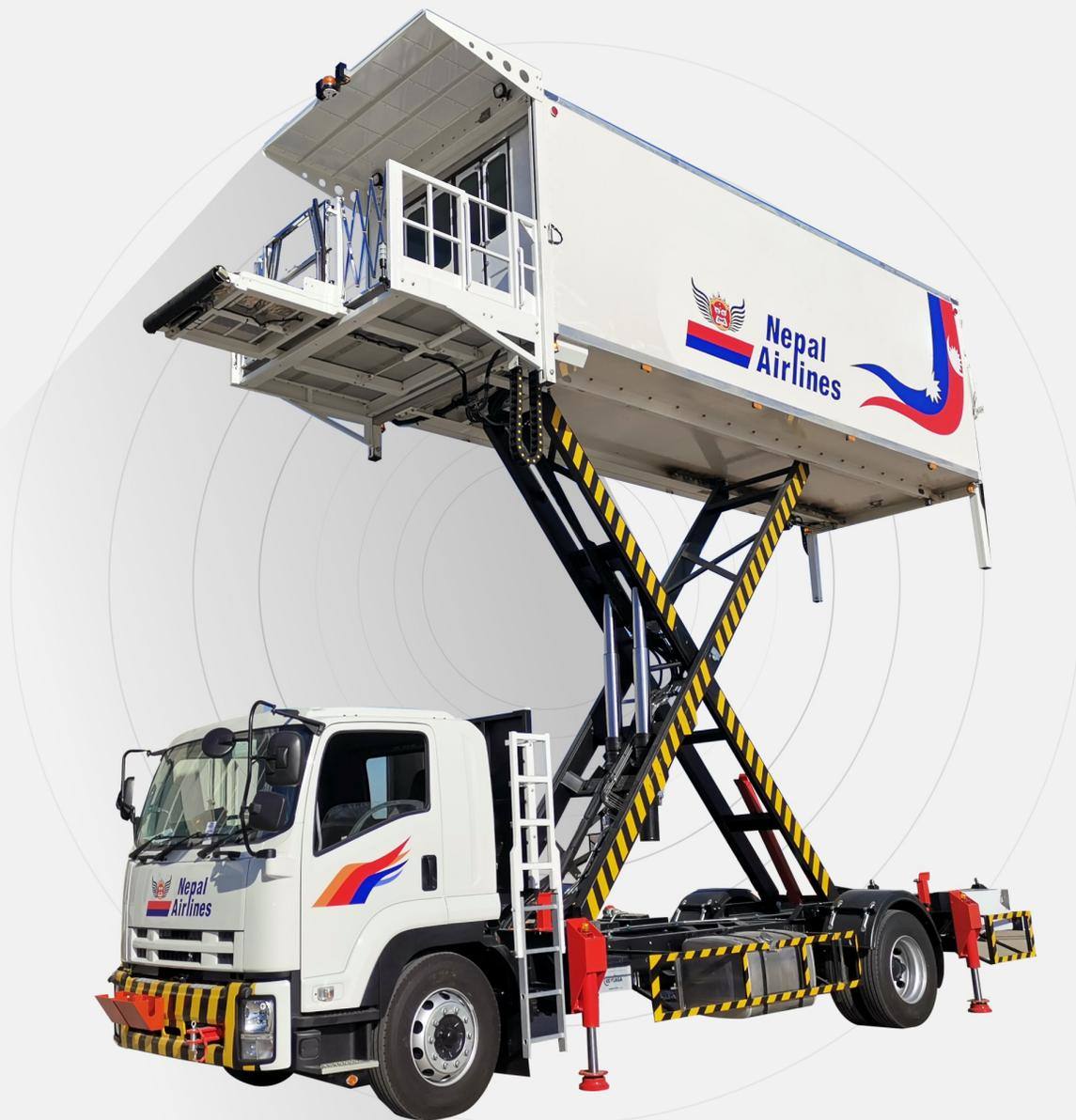
XC-6000e Type Aviation Catering Truck (Fuel Type)
Shenzhen CIMC-TianDa Airport Support Ltd.
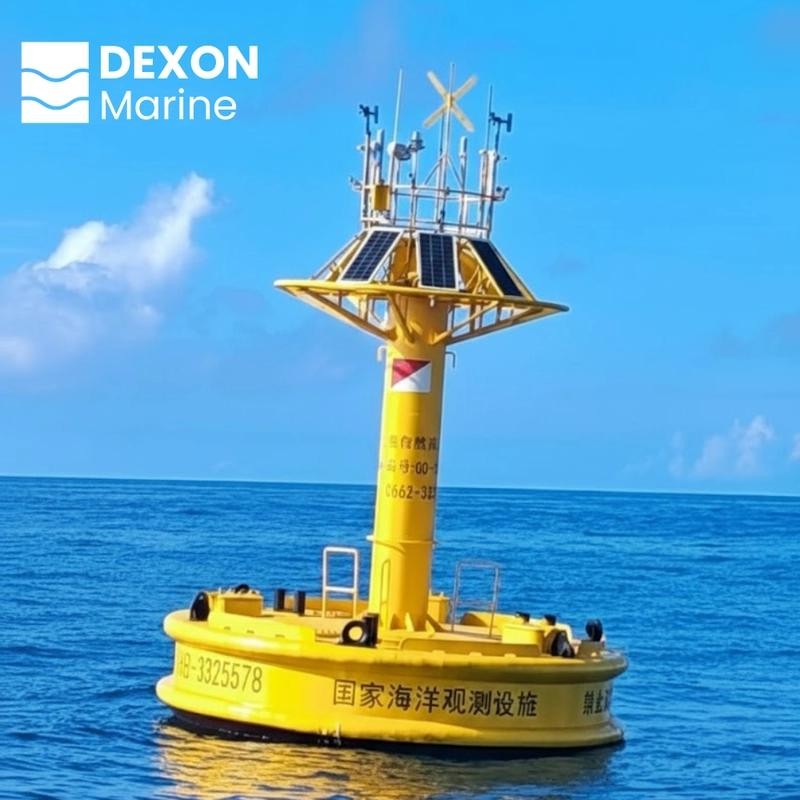
3m intelligent buoy combining navigation safety and real-time marine monitoring integrated navigation and marine monitoring system for real-time maritime data
Chengdu Dixin Technology Co., Ltd.