India's Websol Drops Andhra Pradesh, Moves to West Bengal for 4 GW Capacity
en.Wedoany.com Reported - Indian solar cell and module manufacturer Websol Energy System has shifted the proposed location for its Phase III expansion from Naidupeta, Andhra Pradesh, to Falta, West Bengal, planning to build 4 GW of new capacity on land adjacent to its existing plant. The company stated that this location change will not alter the project's total cost, financing strategy, or the phased execution timeline.
This move may be the most visible signal of the difference brought by the change of local government in West Bengal. Previously, another West Bengal solar giant, Vikram Solar, chose to move out during the former TMC administration, expanding instead in Tamil Nadu; Waaree Energies also abandoned its plan to build a 6 GW integrated ingot-to-module facility in Dhenkanal, Odisha, turning to Gujarat and Maharashtra instead. There have been multiple precedents of Indian solar companies readjusting project locations after comparing conditions across states, with faster project execution, better infrastructure, lower costs, or greater state government support and incentives typically cited as key drivers for such adjustments.
During the Q1 FY27 earnings call, investors asked management to explain the rationale for abandoning the Andhra Pradesh route. Management responded that the location change was primarily based on operational synergies: Websol has been operating in West Bengal for over three decades, and the existing ecosystem enables more efficient execution of the next phase of capacity expansion. The company had spent approximately six months on the Andhra Pradesh plan, including signing a memorandum of understanding and obtaining approvals. Management acknowledged these preliminary investments but believes the adjustment is ultimately more beneficial to the organization. Executive Director Sanjana Khaitan stated on the call that expanding near the existing base would leverage supply chain and manpower synergies and move the project forward faster. The company also confirmed that the announced capacity is one it is confident in executing, and that the project cost, along with the previously discussed financing strategy and implementation path, remains unchanged.
The company has not paid any funds for land in Andhra Pradesh, and preparatory work for the project (layout, equipment, and team finalization) has been completed. Land approval is expected in Q2 FY27 (possibly in August), with construction scheduled to begin in mid-September and take approximately nine months. Equipment ordering is planned around December, with machinery expected to arrive at the plant between April and May, followed by roughly two months of trial runs. The company insists that the location change should not alter the overall project timeline.
Websol expects the Falta location to deliver both cost and operational benefits. Land-related expenses are expected to be lower compared to Andhra Pradesh; equipment costs may decline over time, thereby reducing total project expenditure. Since the existing plant's skilled workforce can be utilized, the need for new hiring, especially for senior-level positions, will also be reduced. The company stated that expanding around its existing manufacturing base in its home state offers significant synergies in infrastructure, skilled labor, supply chain, and operational resources, providing an advantage over building an entirely new operation.
Amid the location adjustment, utilization of Websol's existing production lines has seen a notable recovery. In Q1 FY27, cell production increased from 126 MW in the same period last year to 259 MW, achieving 92% utilization; module production more than doubled from 50 MW to 103 MW year-on-year, with utilization rising from 39% to 81%. Management stated that both businesses are operating at near-full effective capacity, with TOPCon upgrades potentially causing some temporary downtime. Revenue for the quarter stood at INR 3.73 billion (INR 373 crore), up 70% year-on-year from INR 2.19 billion (INR 219 crore) in the same period last year; EBITDA was INR 1.26 billion (INR 126 crore), up 21%; and profit after tax was INR 0.78 billion (INR 78 crore), up 16%. Due to module margins being lower than cell margins, the change in product mix reduced the EBITDA margin from 47% in the same period last year to 34%. The company aims to keep the entire manufacturing base operating efficiently, improve earnings and cash flow, and gradually enhance business profitability.
Websol's confidence in expansion also stems from the domestic content requirement (DCR) market. The company's products primarily supply DCR projects, especially those under the PM Surya Ghar and PM-KUSUM schemes, and demand in these segments has not diminished. Management also expects the broader solar market to continue expanding, citing emerging demand from artificial intelligence and data centers, battery energy storage systems, and growing solar-plus-storage capacity requirements, which strengthens its confidence in scaling up cell and module manufacturing operations.
As of June 30, Websol's confirmed order book stood at INR 12.78 billion (INR 1,278 crore), up from INR 11.61 billion (INR 1,161 crore) at the end of March 2026. The company stated this provides visibility for operations over the coming quarters. The order book figure includes only confirmed purchase orders and does not include recurring business from customers who purchase regularly without long-term contracts. The company continues to receive regular inquiries for solar cells and modules in the DCR market and remains focused on producing and supplying to regular customers. It also stated that it has sufficient order visibility to sell its current production, with the sales mix of cells and modules potentially varying quarter to quarter depending on monetization conditions and market circumstances.
Before the larger greenfield expansion, Websol is upgrading one Mono PERC production line to TOPCon technology. The line's capacity will increase from 600 MW to 750 MW, adding approximately 150 MW, with completion targeted for March 2027. The capital expenditure is approximately INR 2.7 billion (INR 270 crore), with an expected payback period of two to three years. The company expects TOPCon to outperform Mono PERC in terms of watts per cell, efficiency, and monetization, with per-cell wattage potentially rising from around 7.6 to 7.7 Wp to over 9.5 Wp. The upgrade is also seen as an opportunity to accumulate TOPCon technical experience ahead of the greenfield expansion.
The 4 GW new capacity will still be executed in two phases of 2 GW each, rather than separately planning 4 GW of cell and module capacity. The phased approach is designed to manage technology and execution risks. The immediate priority is to secure land in West Bengal and commence construction while continuing to operate existing cell and module lines at high utilization. Subsequent key milestones include completion of land allocation, construction start, equipment ordering, and progress on the standalone 150 MW TOPCon upgrade.
Related Products



Off-Grid Fuel Cell Supercharging Station (180kW Configuration)
Shanghai REFIRE Group Limited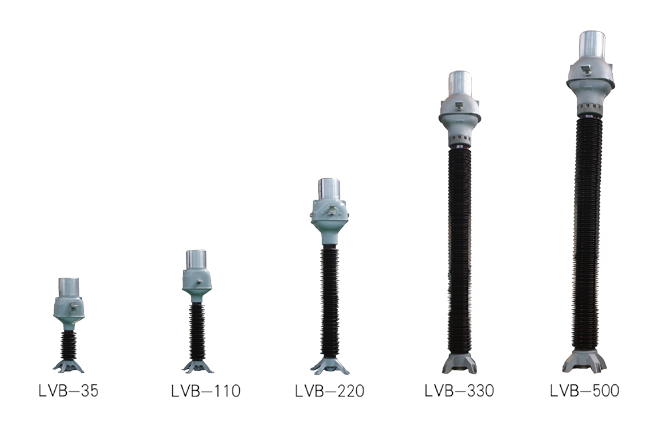
LVB Series 35-500kV Oil-immersed Inverted Current Transformer
Shandong Taikai Instrument Transformer Co., Ltd.
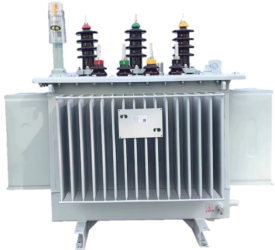
Oil-immersed Amorphous Alloy Core Distribution Transformer
Pinggao Group Smart Electric Co., Ltd.

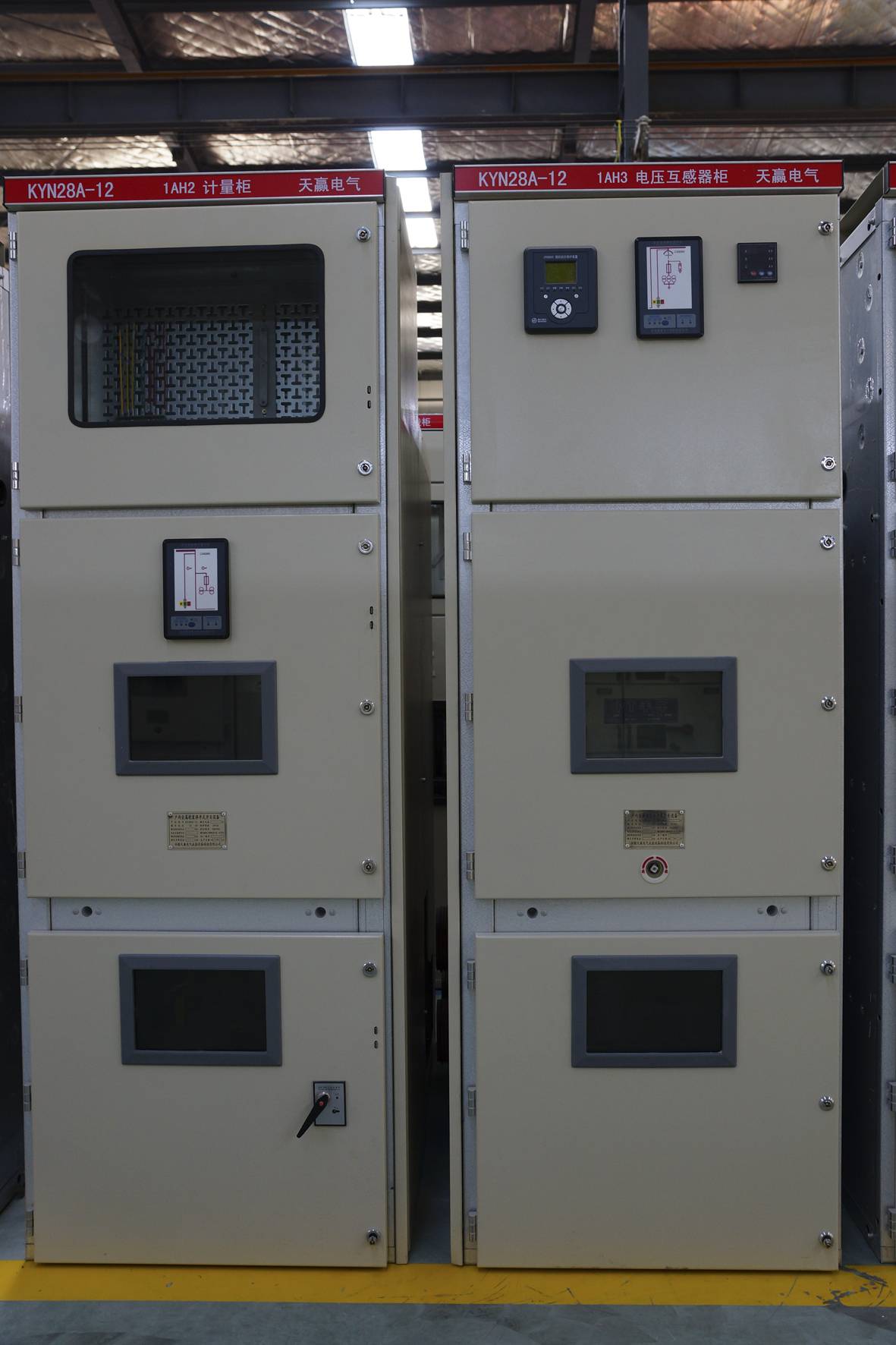
KYN28 - High Voltage Switchgear
Anhui Tianying Electrical Equipment Manufacturing Co., Ltd.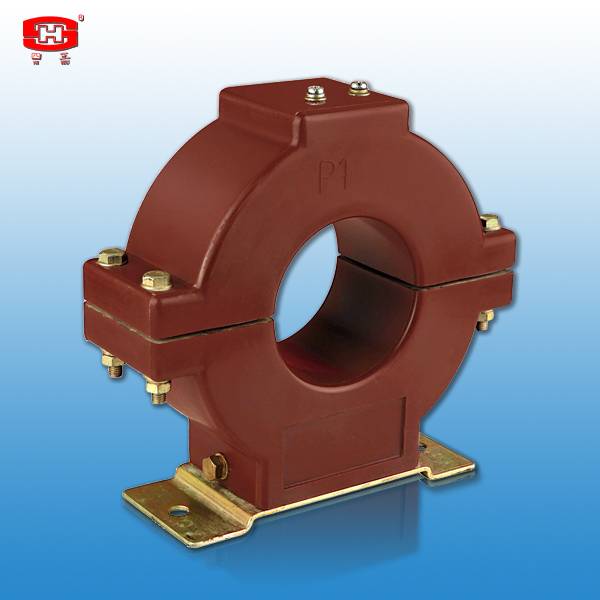
0.66kV Power Supply Instrument Transformer
Guangdong Sihui Instrument Transformer Works Co., Ltd.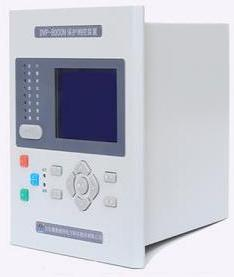
Microcomputer Protection and Substation Automation
Beijing Agent Devote Power Technology Development Co., Ltd.