Argentina's El Quevar Silver Project: 45.3 Million Ounces Resource Update in 2027
en.Wedoany.com Reported - Argenta Silver is advancing the repositioning of the El Quevar silver project in Salta Province, Argentina. Diego Mendilaharzu, the company's manager, stated during a presentation on project progress that El Quevar has evolved from a single-asset focus centered on the Yaxtché deposit to a district-scale system encompassing more than 20 exploration targets, with the company planning to submit a resource update in the first half of 2027.

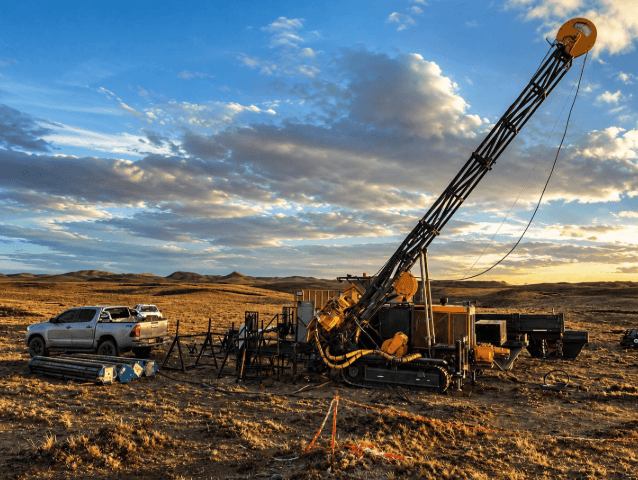
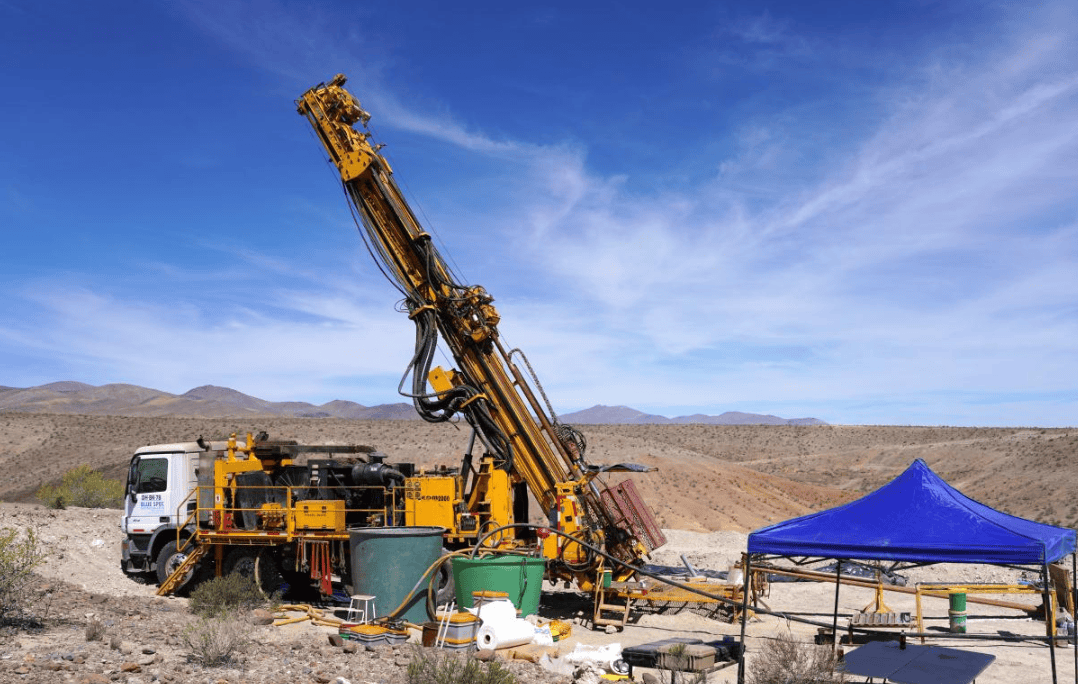
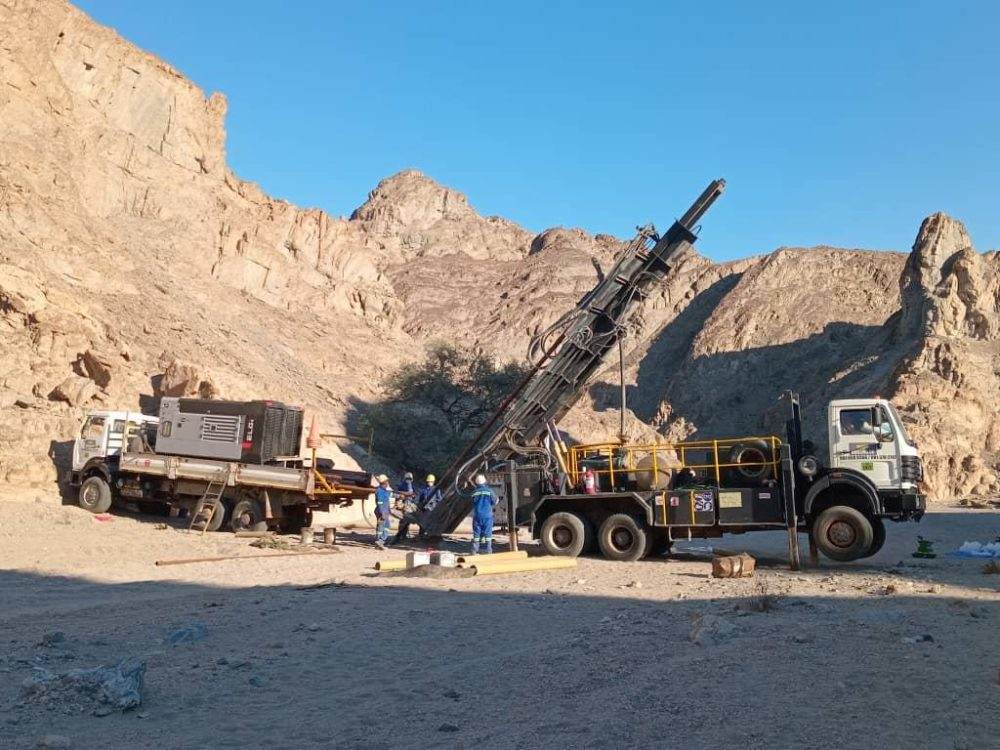
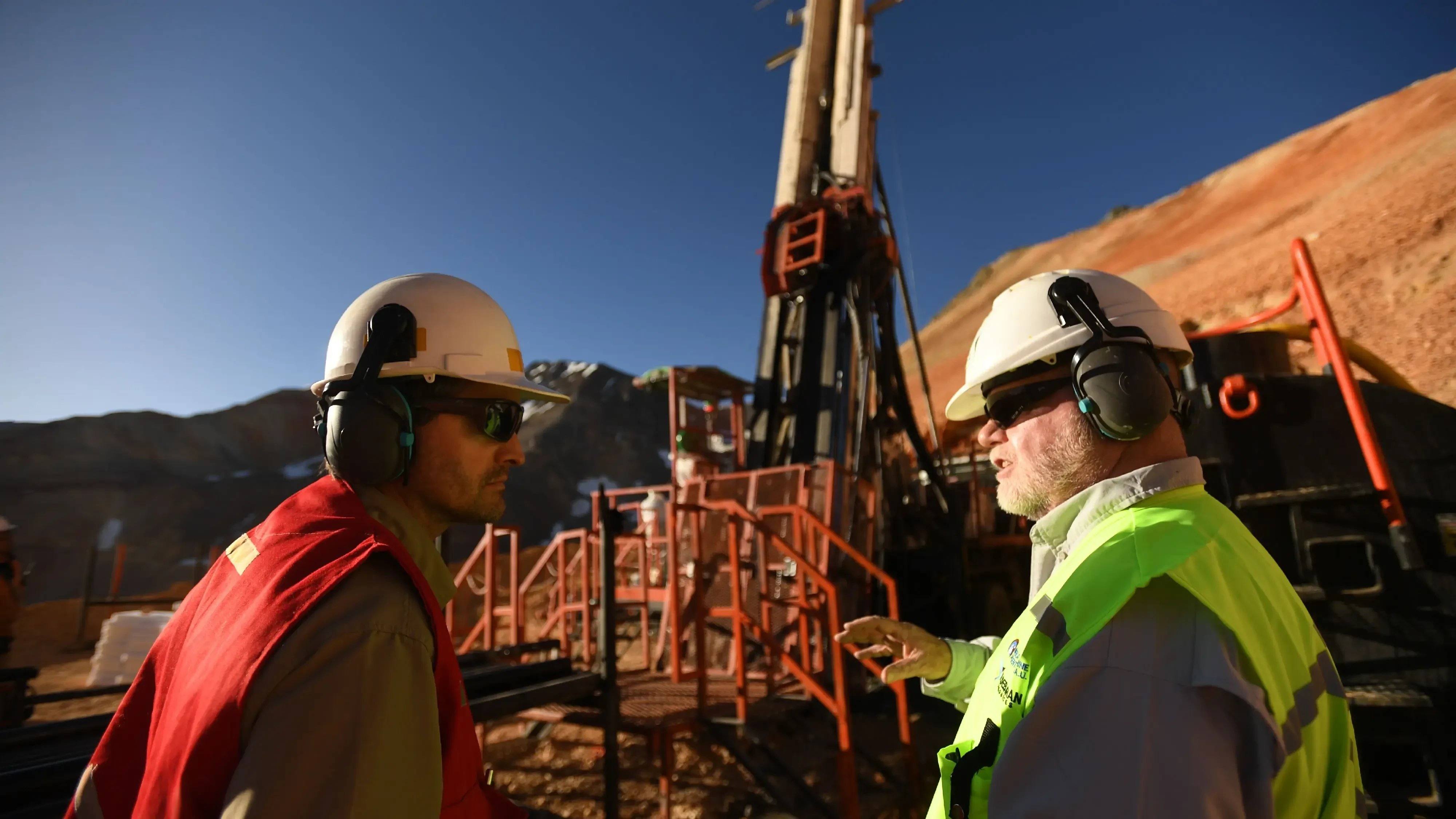
Exploration at the El Quevar project was previously confined to the Yaxtché area, covering only 3% of the Silex mining concession. After the new management team took over, they validated prior results while broadening the exploration perspective using modern mapping techniques such as ReveNIR spectral analysis, geophysics, and geochemistry, leading to the conclusion that the project's potential extends far beyond the Yaxtché deposit itself. Current resource expansion work will redefine existing resources and add confirmed ounces, while exploration efforts are aimed at enhancing the discovery potential across the remainder of the project.
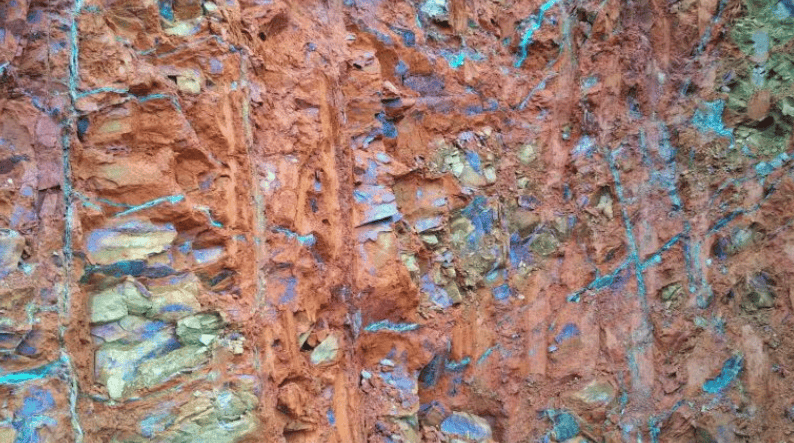
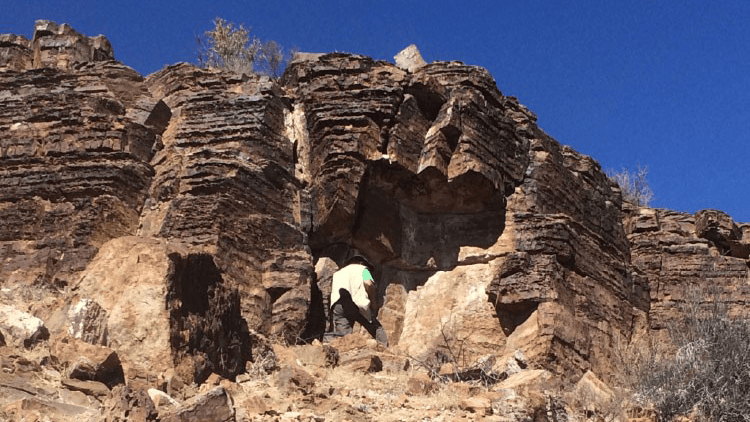
Mani-Copan, located approximately 800 meters from Yaxtché, is the priority target of current activities. Surface silver grades in this area reach up to 20,000 g/t, with three levels of mineralization identified: surface silver grades of 1,500 g/t, 2,450 g/t, 6,000 g/t, 16,000 g/t, and 20,000 g/t; a 7.5-meter drill intersection 40 meters below surface grading 4,982 g/t silver; and a deeper 4.0-meter intersection grading 1,350 g/t. The high-grade surface expression of this target extends 500 meters in length and 90 meters in width.
In terms of resources, El Quevar currently hosts indicated resources of 45.3 million ounces of silver at a grade of 482 g/t, and inferred resources of 4.0 million ounces of silver at a grade of 417 g/t. The company expects to obtain metallurgical and environmental baseline results in 2026, followed by a resource update in the first half of 2027.
Regarding capital allocation, the company has established a strategy led by the geological team, with 40% of capital dedicated to expanding current resources and 60% allocated to pursuing new discoveries. Resource expansion drilling is concentrated at both ends of the deposit, with the Yaxtché orebody length having increased from 1,500 meters to 1,900 meters, a gain of more than 25%. On the new discovery front, the more than 20 announced targets are classified into three categories based on knowledge level: targets requiring further exploration, targets requiring specific drill site determination, and targets already drill-ready.
El Quevar possesses ready-made infrastructure that is relatively uncommon in the Puna region. External conditions include an operational railway connecting to the Atlantic, a dedicated natural gas pipeline for the mining district, roads in good condition, high-voltage transmission lines connected to the national grid, and two high-capacity solar power plants; internal facilities include more than 80 kilometers of roads, a camp accommodating 100 people, a core logging area, fuel tanks, workshop facilities, heavy machinery, and a 1.2-kilometer underground tunnel. Diego Mendilaharzu noted that these facilities, resulting from investments of millions of dollars by the previous company and national and provincial governments, significantly reduce the capital expenditure required for both the current exploration phase and the future implementation of the mining plan.
Regarding the mining outlook for Salta Province, Diego Mendilaharzu believes the lithium industry has driven the development of local suppliers, equipping them to serve mining projects in the Puna region. He cited two examples: Fortuna Mining's Lindero mine, which is operating continuously at Tolar Grande, demonstrating that metal mining can be established in Salta; and AbraSilver's Diablillos project, recently incorporated into RIGI (the Large Investment Incentive Scheme), positioning Salta as one of Argentina's leading mining investment destinations. Diablillos and El Quevar are currently Argentina's second- and third-largest primary silver projects, respectively, and if both enter production, they could help position Salta as one of the world's most significant silver-producing regions.
Diego Mendilaharzu also addressed the significance of mining activity for local communities. He believes that given the harsh geographic and climatic conditions of the Puna region, mining expansion can improve the quality of life for local residents, who possess the experience and capabilities needed to join mining companies; at the same time, local suppliers serving Puna projects have also grown through mining development.
Argenta Silver recently also announced the mineralization connection between the Carmen gold-copper discovery and the silver deposit, indicating that different mineralized systems are progressively linking in this area. The company stated that such situations present both multiple possibilities and new questions requiring further work, analysis, and investment to answer.
Related Products


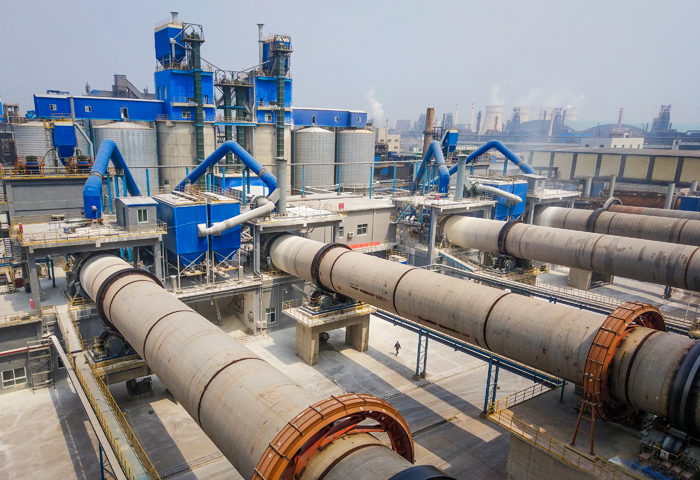
CITIC Heavy Industries Metallurgical Equipment Steel Smelting Engineering Equipment
CITIC Heavy Industries Co., Ltd.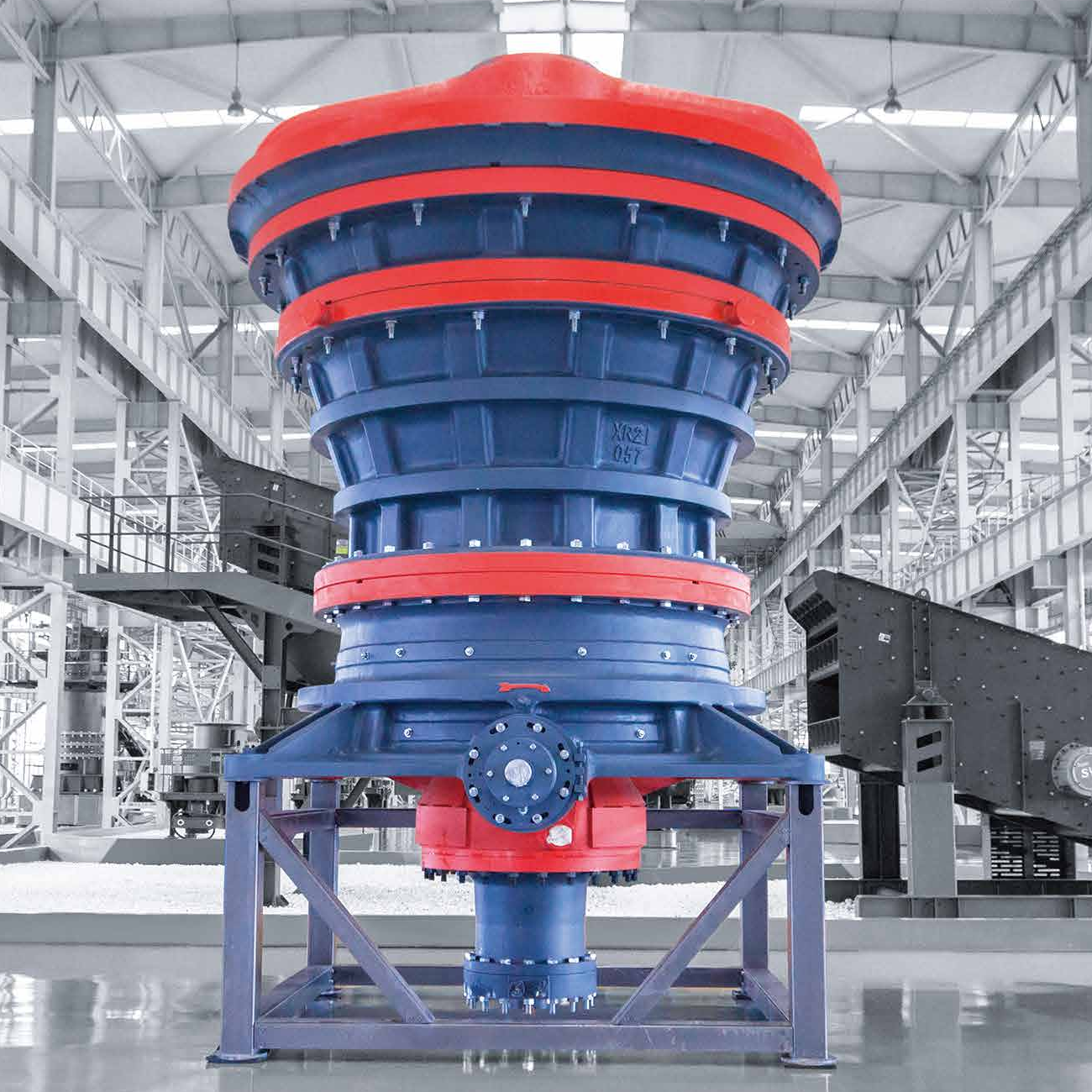
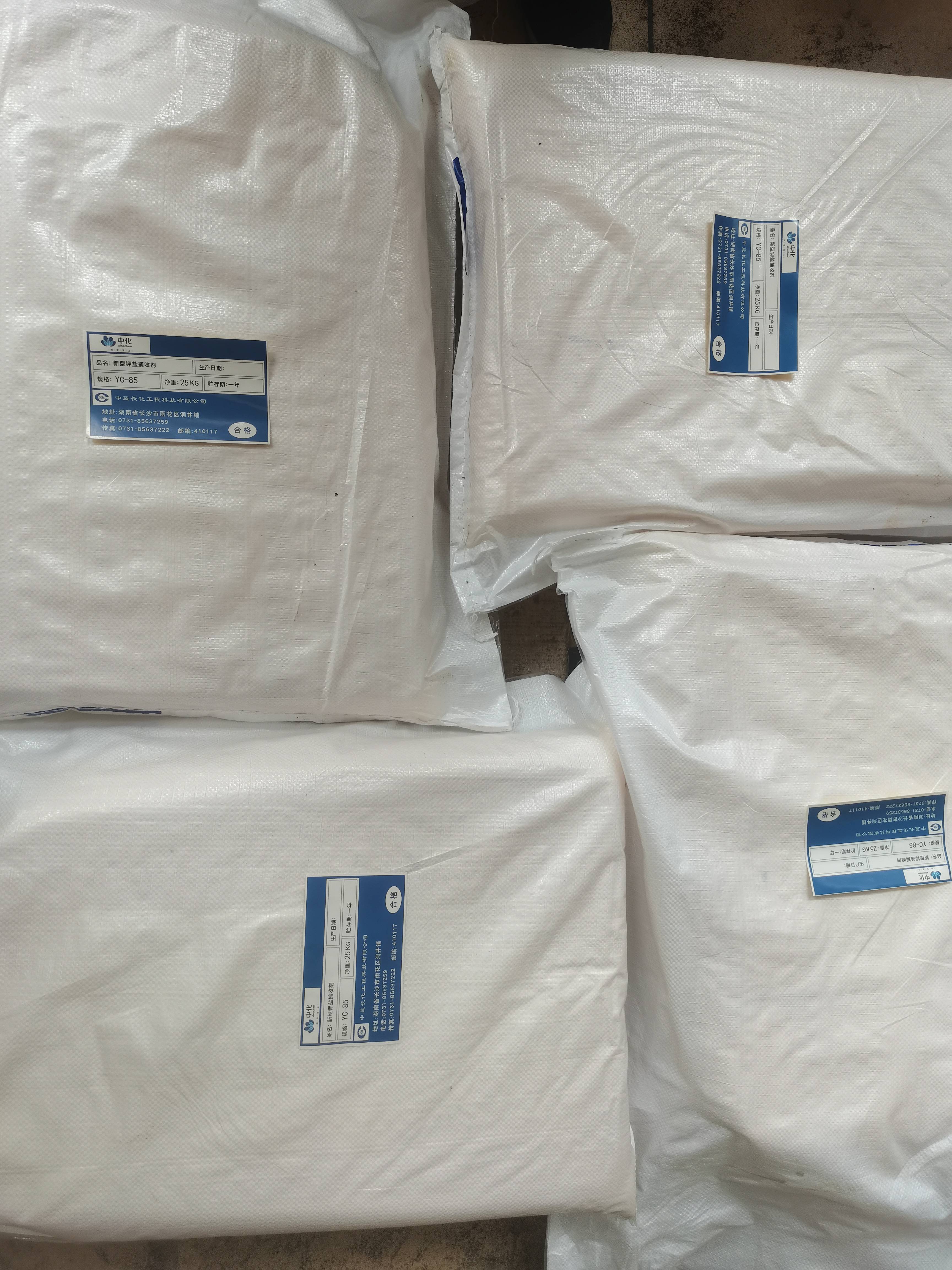
New Environmentally Friendly Green Potassium Salt Collector
Chonfar Engineering and Technology Co., Ltd.
Industrial and Commercial Point-Type Gas Detector
Jinan Benan Technology Development Co., Ltd.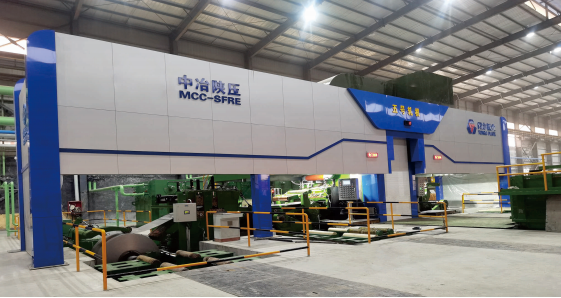
1050-1750mm Steel Strip Single-stand Reversible Cold Rolling Production Line
MCC-SFRE HEAVY INDUSTRY EQUIPMENT CO., LTD.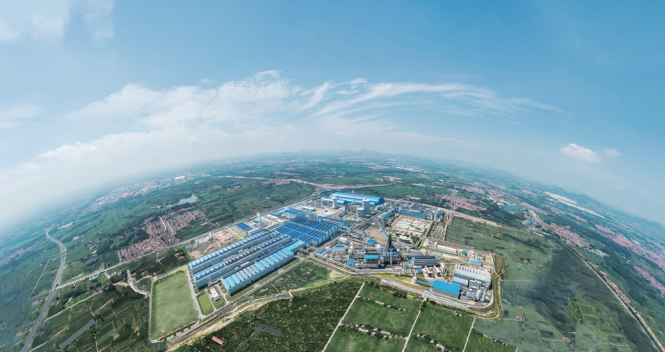
Linyi Steel Investment Special Steel 2.7 Million Tons per Year High-quality Special Steel Project
Capital Engineering & Research Incorporation Limited