US National Grid Gas-Electric Planning Contradictions Could Raise Bills by $300 Annually by 2027
en.Wedoany.com Reported - The gas and electric operations of the U.S. utility industry have long operated in silos, and this fragmented planning is leaving customers to pay for contradictory forecasts. In New York State, for example, National Grid's electric and gas divisions hold significantly divergent views on the pace of heat pump adoption, which could lead to duplicate investments and stranded assets, ultimately driving up household energy bills.
In New York State energy bills, infrastructure—i.e., delivery costs—accounts for 75% of heating bills and a roughly similar share of electric bills, making it the largest driver of bill increases. Industry experts argue that without due diligence proving necessity and cost-effectiveness, no further customer funds should be spent.
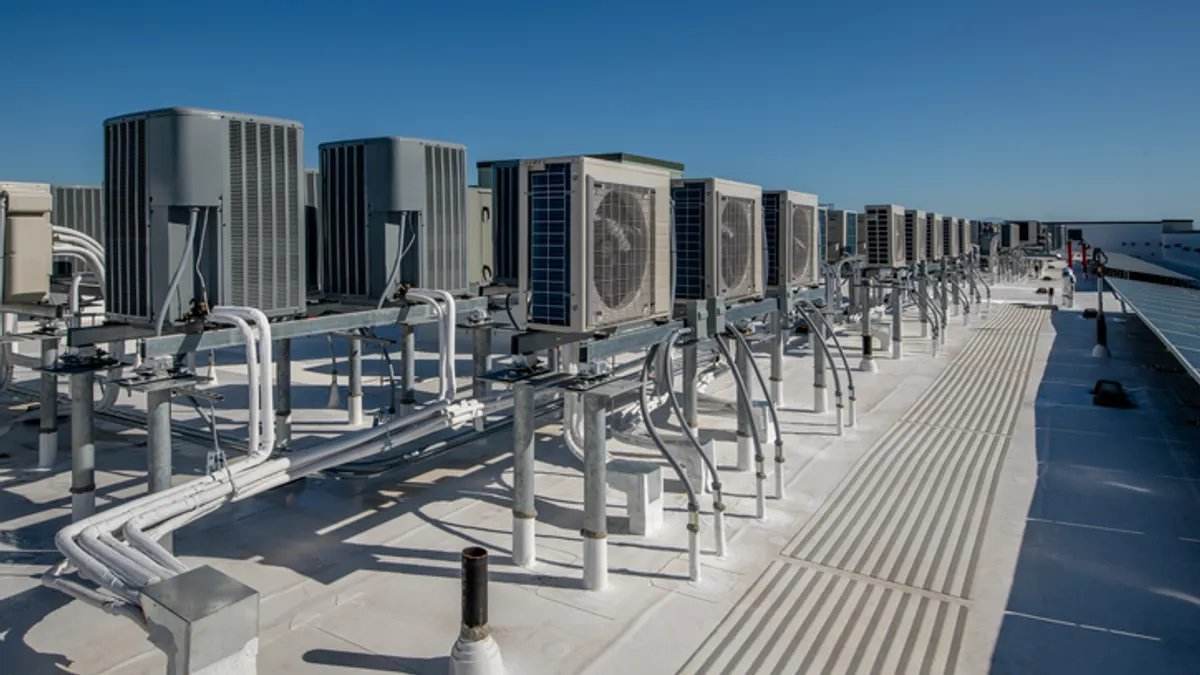
New research from Current Energy Group examines National Grid's Niagara Mohawk service area. In this region, National Grid provides both natural gas and electric service to the same set of customers. Its electric division forecasts more than 30,000 additional heat pump installations by 2030 compared to the gas division's assumptions. To meet this demand, the electric system would need to be expanded and sufficient power procured, while the gas division serving the same customers is planning for a future that does not account for electrification. The study estimates that if gas planning adopted the same electrification assumptions as electric planning, it would serve approximately 15,000 fewer customers than currently planned. Conversely, the gas division plans to invest $550 million by 2029 to support customer growth, a plan based on a forecast of stagnant electrification—a forecast the electric division does not share.
Contradictory forecasts will result in at least one system facing overinvestment and underutilization. This misalignment is no coincidence: utilities earn profits by building infrastructure, and both divisions have an incentive to forecast a future that justifies greater spending. Integrated planning, which requires both sides to align on shared assumptions before breaking ground, can weaken this incentive.
Under a business-as-usual scenario, by the end of 2027, National Grid customers could see their combined natural gas and electric bills rise by approximately $300 per year. Currently, 1.2 million households in New York State have been delinquent on utility bills for more than 60 days in 2025, owing a cumulative $1.8 billion, and 2.2 million households spend more than 6% of their income on energy.
National Grid is not an isolated case; separate, fragmented planning is standard practice for most combined gas and electric utilities. A new approach called integrated gas-electric planning is being proposed to coordinate and optimize utility infrastructure spending across gas pipelines, electric wires, and distributed energy resource systems, achieving state goals in the most cost-effective and reliable manner. The framework comprises five key components: program coordination, data sharing, unified forecasting, identifying the lowest-cost alternatives to traditional infrastructure, and coordinating investments. When implemented properly, it can reduce duplicate investments, lower customer costs, and improve reliability by identifying system interdependencies during extreme weather events.
New York State is among the early movers in this direction. The state's 2025 energy plan calls for proactive, long-term, integrated gas and electric planning, prioritizing non-pipeline alternatives and demand management, and recommends that the Public Service Commission reform relevant regulations. Pending proposal SB 5995 also requires the Public Service Commission to undertake this work. Consolidated Edison has released an "Integrated Long-Range Vision"; Central Hudson Gas & Electric states its focus is on "transforming the distinctly separate gas and electric planning and investment paradigms into a single energy delivery paradigm"; and National Grid is piloting gas-electric collaboration in designing non-pipeline alternatives.
This case demonstrates that when utilities plan for vastly different versions of the future, the risks of duplicate infrastructure, stranded assets, reliability failures, and high energy bills fall directly on customers. Integrated gas-electric planning is seen as a key lever for achieving state policy goals of affordability, reliability, and decarbonization in the most cost-effective and safe manner, and New York's experience may serve as a reference for how states can move beyond siloed planning to protect customers.
Related Products


Photovoltaic and Wind Power Generation Technology
Beijing Boqi Electric Power SCI-TECH Co., Ltd.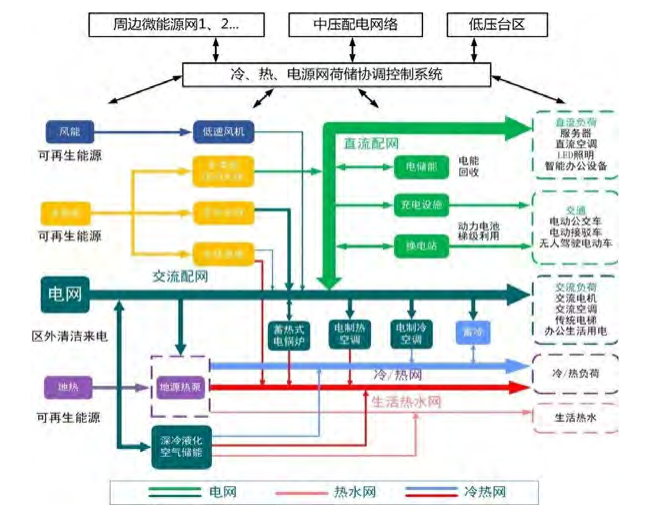
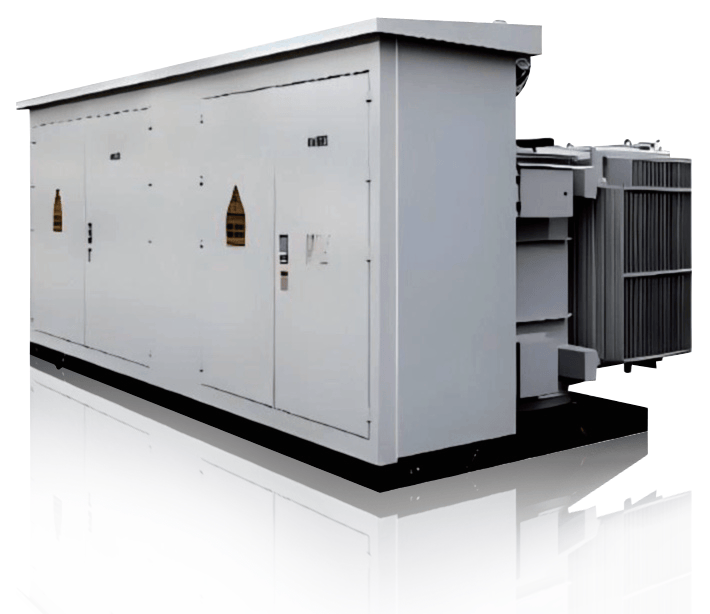
H-40.5/0.4~1.14kV New Energy Power Generation Dedicated High Voltage/Low Voltage Prefabricated Substation
XJ (Xiamen) Intelligent Power Equipment Co., Ltd.
G.652.D Wavelength-extended Non-dispersion Shifted Single-mode Optical Fiber
HONGAN GROUP CO., LTD.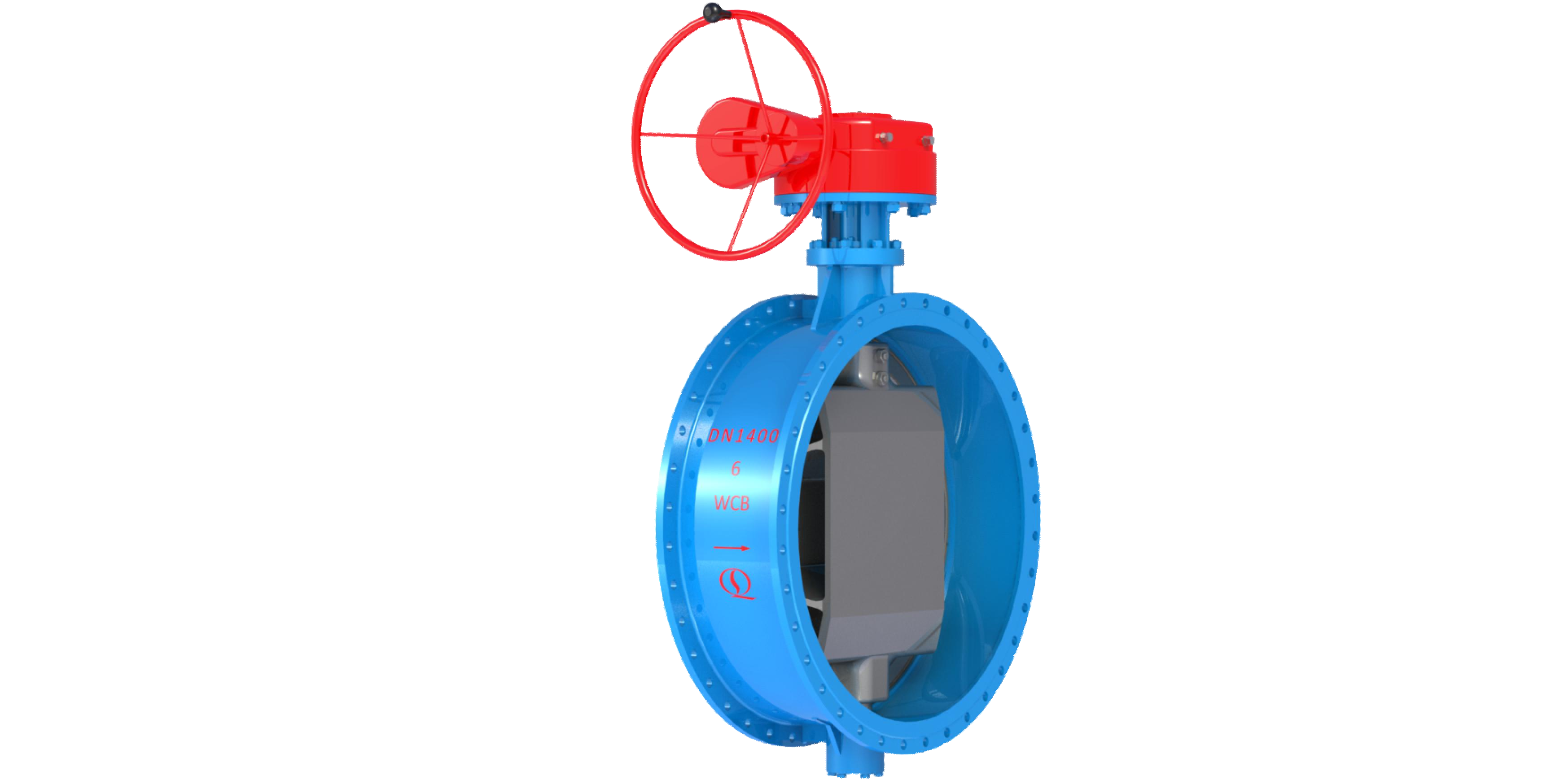
Bidirectional Metal Hard Sealed Seawater Butterfly Valve
Henan Quanshun Flow Control Science & Technology Co., Ltd.
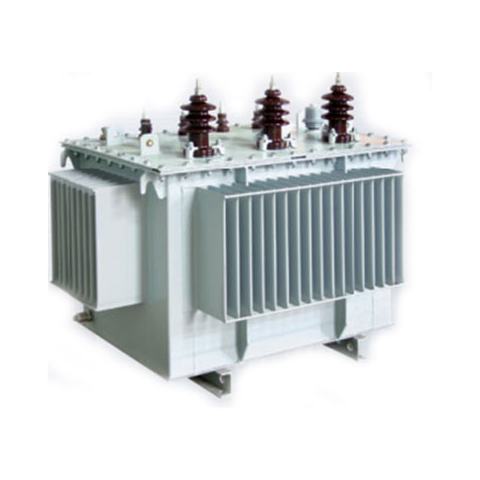

Off-Grid Fuel Cell Supercharging Station (180kW Configuration)
Shanghai REFIRE Group Limited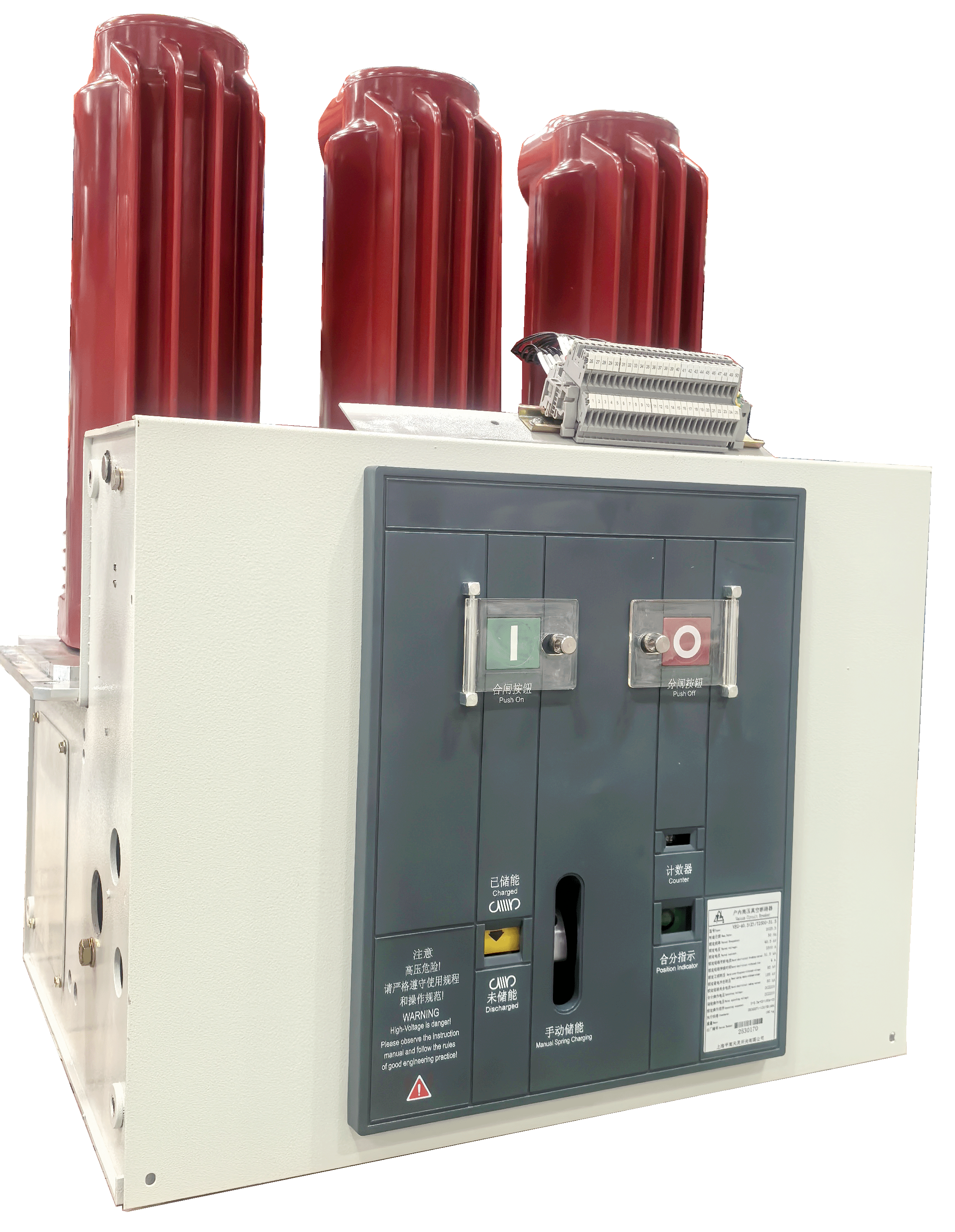
VEG-12/24/40.5 Series Vacuum Circuit Breaker
SHANGHAI PINGGAO TIANLING SWITCHGEAR CO., LTD.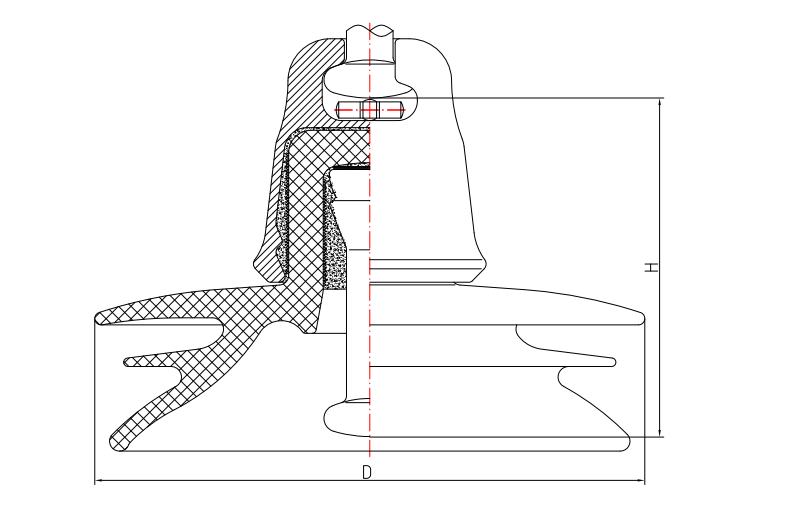
Post-type AC Pollution-resistant Disc Suspension Porcelain Insulator (Triple Umbrella Type)
Shandong High Voltage Insulator Co., Ltd.