India Plans to Add 100 Ships in Five Years to Boost Shipping Self-Reliance
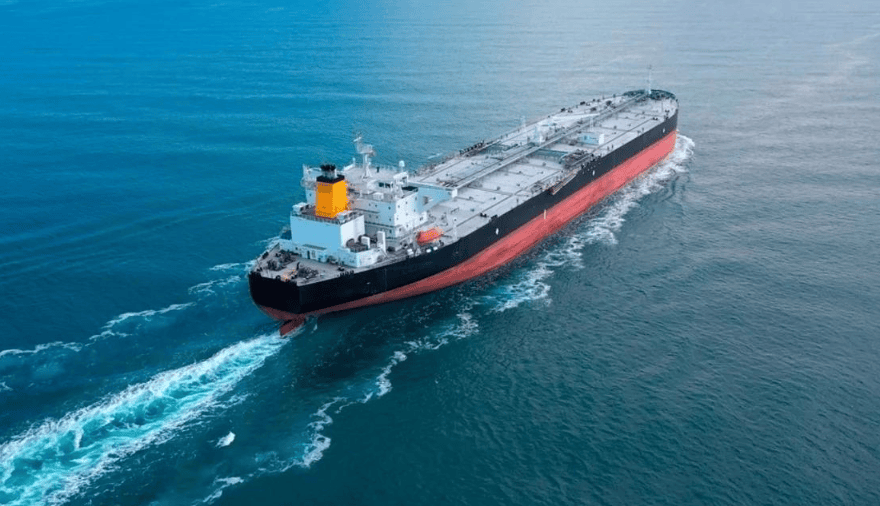
en.Wedoany.com Reported - The Indian government is advancing plans to expand its national merchant fleet, aiming to reduce dependence on foreign-flagged vessels and cut shipping costs. The reconstituted National Shipping Board recently held a dialogue session, bringing together industry and government representatives to formulate a strategy for shipping self-reliance.
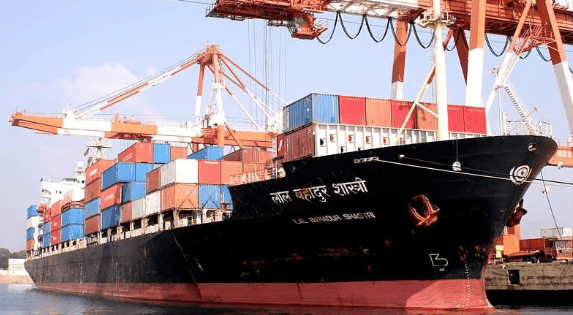
The National Shipping Board was established in 1958, originally to ensure that the shipping industry had representation in India's shipping policy. Under the Merchant Shipping Act of 2025, the Board has been reconstituted with the mandate to advise the Ministry of Ports, Shipping & Waterways, as part of Prime Minister Narendra Modi's vision for developing the shipping sector.
The one-day meeting was chaired by Shipping Minister Sarbananda Sonowal, with participants including shipowners, financiers, government officials, and cadets from the Indian Maritime Training Institute. Participants proposed adding up to 100 vessels over the next five years to reduce reliance on foreign-flagged fleets and lower shipping costs. Modi's vision also sets a target to quadruple India's port capacity to 10 billion tonnes by 2047.
Shantanu Thakur, Union Minister of State for Ports, Shipping and Waterways, moderated a panel discussion titled "Increasing Indian Tonnage: Opportunities and Challenges." Thakur stated that India pays nearly $75 billion annually in freight charges to foreign shipping companies for transporting critical cargo such as crude oil, natural gas, coal, and urea. "This is not a performance issue for Indian shipowners, but a matter of competitiveness and demand-side partnerships."
Panel members informed the Minister that operating costs for Indian-flagged vessels are 16% to 20% higher than for foreign-flagged ones. They attributed the higher costs to India's taxes on ship imports and repair services, withholding tax on seafarer wages, taxes on freight, and higher domestic capital costs, none of which foreign competitors bear. Indian shipowners still have to win cargo orders at prices comparable to those of foreign shipping companies.
The meeting also discussed the current state of India's seafarer workforce, covering issues such as taxation on wages, pension gaps, and seafarer welfare. The government side stated that it is expanding seafarer training, aiming to open up broader employment pathways, address gender disparities, and provide the workforce with skills training in emerging areas such as cruise shipping and advanced shipbuilding.
The government has announced new financing and support schemes and comprehensively reformed coastal shipping regulations. During the meeting, the government side mentioned the Container Manufacturing Assistance Scheme and highlighted that companies such as Maersk have begun ordering Indian-made containers.
Sonowal stated that the five-point roadmap proposed by the National Shipping Board is welcome: fiscal reforms, assured cargo support, access to competitive financing, regulatory streamlining, and genuine ease of doing business. "Taken together, these are not five separate tasks but the architecture of a nation that finally chooses to own its trade." The five-pillar roadmap proposed by the panel includes fiscal reforms, assured cargo support, access to competitive financing, regulatory streamlining, and improved ease of doing business (EODB). If adopted, these measures would help India add 100 ships within five years and rank among the world's top five shipowning nations.
Related Products

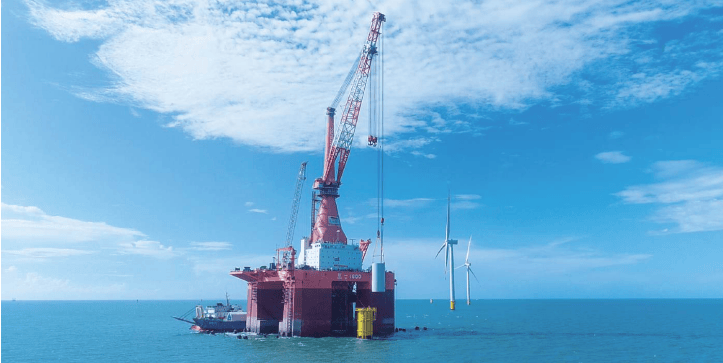
"Shunyi 1600" Deep-submerging Bottom-sitting Multi-functional Wind Power Engineering Vessel
Zhengli Offshore Engineering Co., Ltd.
![IVECO Cash-in-Transit [DMT5048XYCL3-AM] - Chongqing Dima Industry Co., Ltd](https://img.wedoany.com/2026/0911/20260911030157582.png)
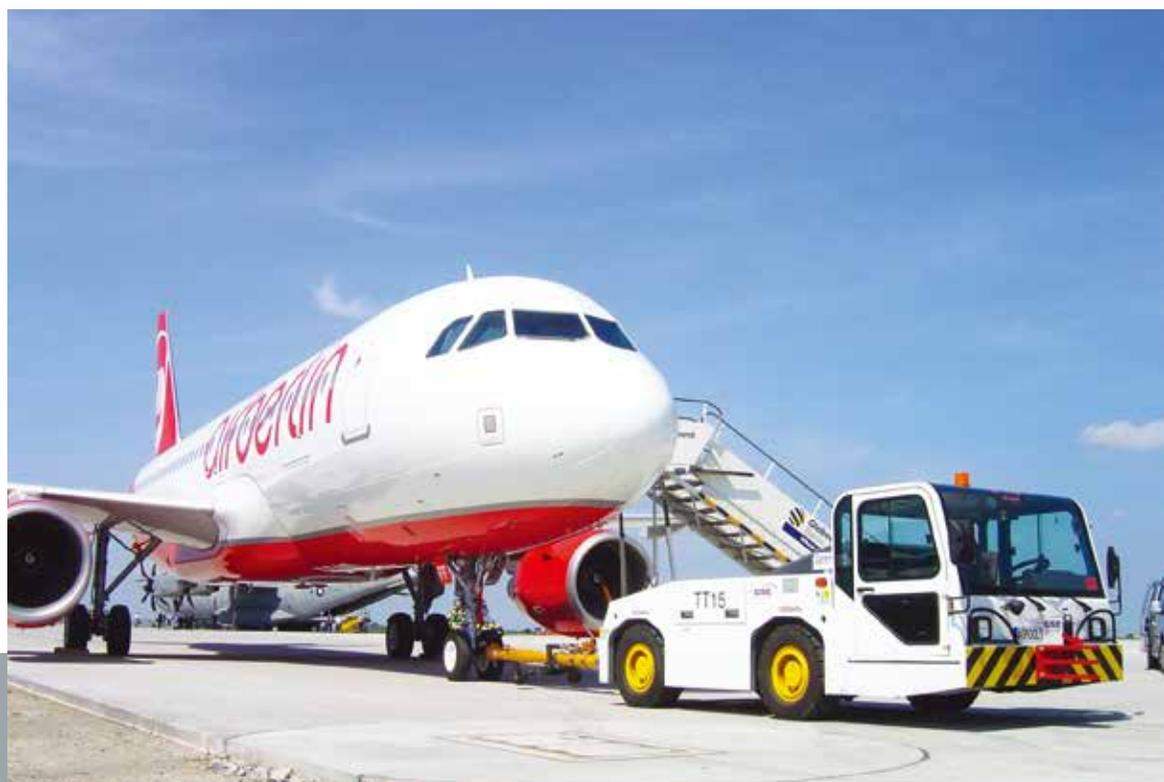
WGQY Series Aircraft Tow Tractor-WGQY15, WGQY27
Weihai Guangtai Airport Equipment Co., Ltd.
ERW Welded Pipe (Black Pipe and Hot-dip Galvanized Steel Pipe)
Handan Zhengda Steel Pipe Co., Ltd.