Peru's Cerro Verde Copper Mine Boosts Production by 6.5% Through Machine Learning
en.Wedoany.com Reported - Mining growth is shifting from reliance on new projects and major capital decisions toward efficiency gains in already-operating assets. Geological conditions and capital access are no longer the primary constraints; instead, permitting, water, energy supply, and social license have taken their place—a shift that plays out differently across Latin American countries.
Specifically, Mexico saw a 49.2% decline in new development projects in 2025, and no new concessions have been granted since the 2023 mining reform, forcing growth potential to pivot toward existing operations. Chile's National Copper Commission (Cochilco) projects a ten-year project portfolio investment of $104.549 billion, with 81% allocated to the modernization and expansion of existing mines. Peru's 2026 project portfolio encompasses 66 projects with a total investment of $64.075 billion, of which 36 are brownfield projects totaling $23.471 billion, yet the projects actually advancing to construction are mostly those that have already secured permits. Argentina presents the opposite case, with approximately 70% of its project portfolio consisting of new projects.
This does not mean the mining industry has broadly shifted to brownfield development, but in regions where growth increasingly depends on already-approved operations, productivity gains are closely tied to optimizing existing capacity. Multiple indicators show that additional value remains untapped within assets already in operation. Sergio Campana, Latin America Software Business Manager at Rockwell Automation, notes that mining projects have received substantial investment, yet productivity has not risen in tandem; the opportunity lies in closing the gap between model recommendations and actual shift performance.
This gap is evidenced by real examples in the region. Public data shows that Peru's Cerro Verde copper mine increased copper production (measured in pounds) by 6.5% through machine learning models, without sacrificing concentrate quality, achieving a better balance between tonnage and recovery rates. Anglo American applied predictive intelligence to tailings management, improving copper recovery by 2% to 4%. In terms of artificial intelligence adoption, Brazil leads the region, with Peru following closely behind.
Similar headroom exists globally. Data from McKinsey & Company shows that copper producers in North and South America, facing declining grades and rising costs, have been the first to apply deep learning and digital twin technologies to improve concentrator throughput and recovery rates. However, this potential does not materialize automatically. Campana points out that some advanced control projects fail not because of the algorithms themselves, but because the instrumentation and database layers supporting them are neglected; when the foundation is not in place, advanced control merely inherits problems rather than solving them—the two must converge, and there is a sequence to that convergence.
The scope of optimization is equally critical. A concentrator cannot be optimized in isolation; most of its constraints originate from upstream processes, namely ore crushing and geometallurgical variability, so an integrated view spanning the entire value chain captures larger improvement opportunities. Furthermore, expanding an operating mining operation introduces a requirement that new projects do not face: large-scale engineering must be executed without interrupting production continuity, which significantly raises technical complexity.
Against this backdrop, operational continuity and industrial cybersecurity have shifted from ancillary concerns to project prerequisites. An expansion plan that continues to incur production costs during construction is not creating value—it is deferring it. Rockwell Automation's collaboration with regional operators focuses on three directions: building the database and instrumentation foundation that makes advanced control viable, integrating decision-making processes from mine to plant rather than optimizing isolated nodes, and maintaining operational continuity and safety during expansion. Campana concludes that the work does not end when the system is installed, but rather when operations change the way decisions are made—manifested concretely within the shifts; if capabilities do not reach the mine-level workforce, gains are lost when teams change.
Rockwell Automation, Inc. specializes in industrial automation and digital transformation, headquartered in Milwaukee, Wisconsin. As of the end of fiscal year 2025, the company employs approximately 26,000 problem solvers, serving customers in over 100 countries. Its "The Connected Enterprise" philosophy aims to combine human imagination with technological potential to achieve more productive and sustainable operations.
Related Products

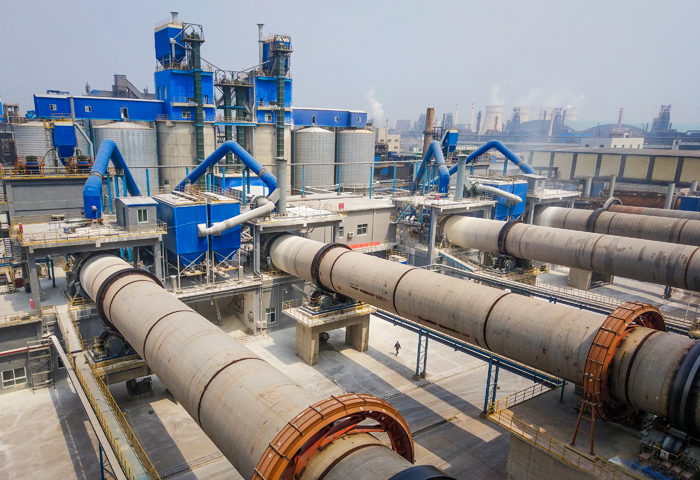
CITIC Heavy Industries Metallurgical Equipment Steel Smelting Engineering Equipment
CITIC Heavy Industries Co., Ltd.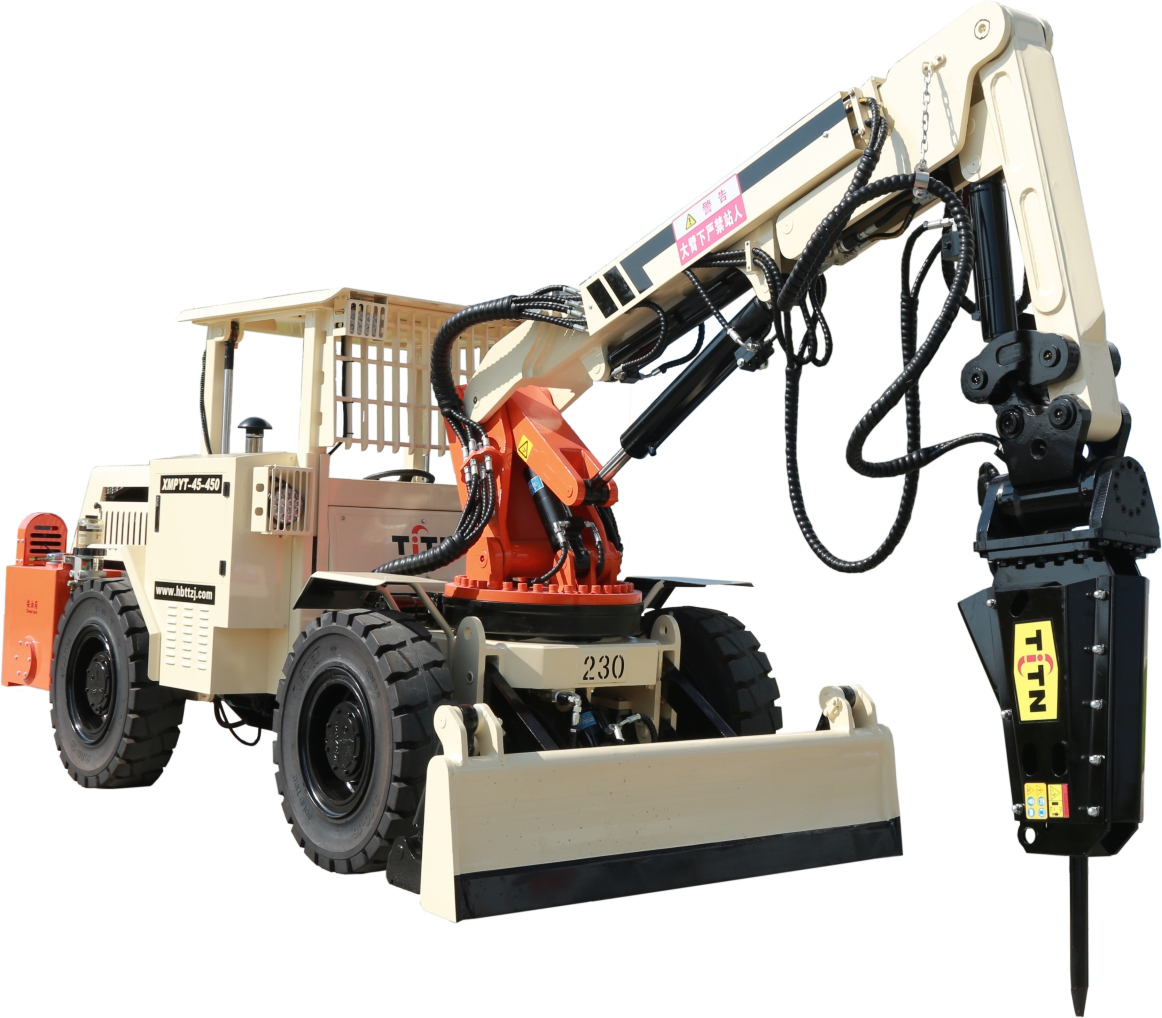
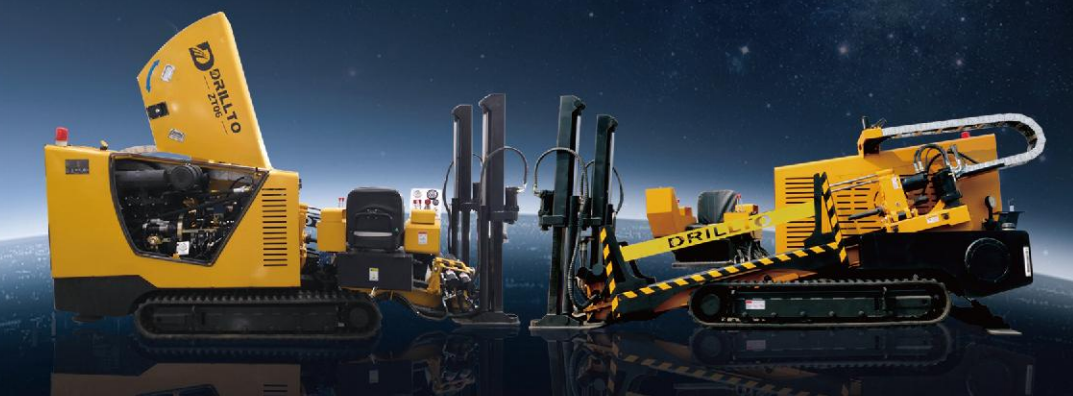
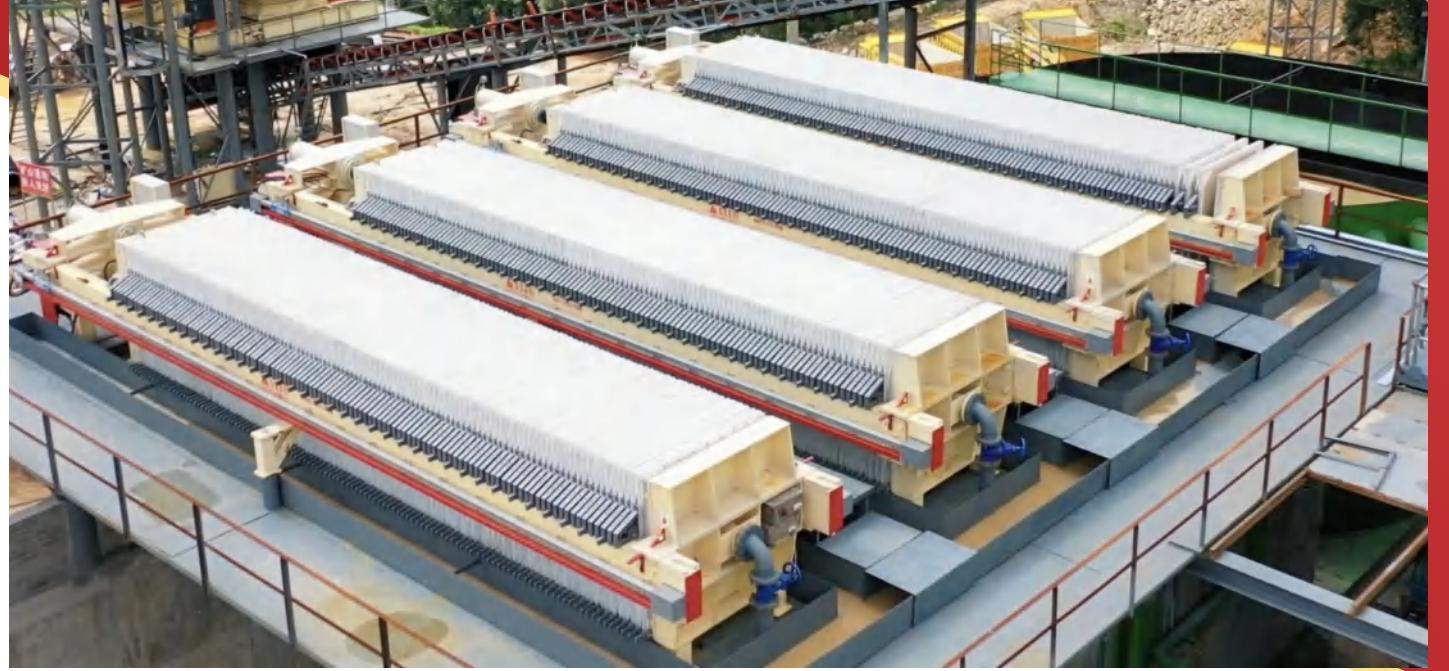
Hydraulic Plate and Frame Filter Press
Guangdong Leimeng Intelligent Equipment Group Co., Ltd.
Comprehensive Mining Automation Control System
Beijing Tianma Intelligent Control Technology Co., Ltd.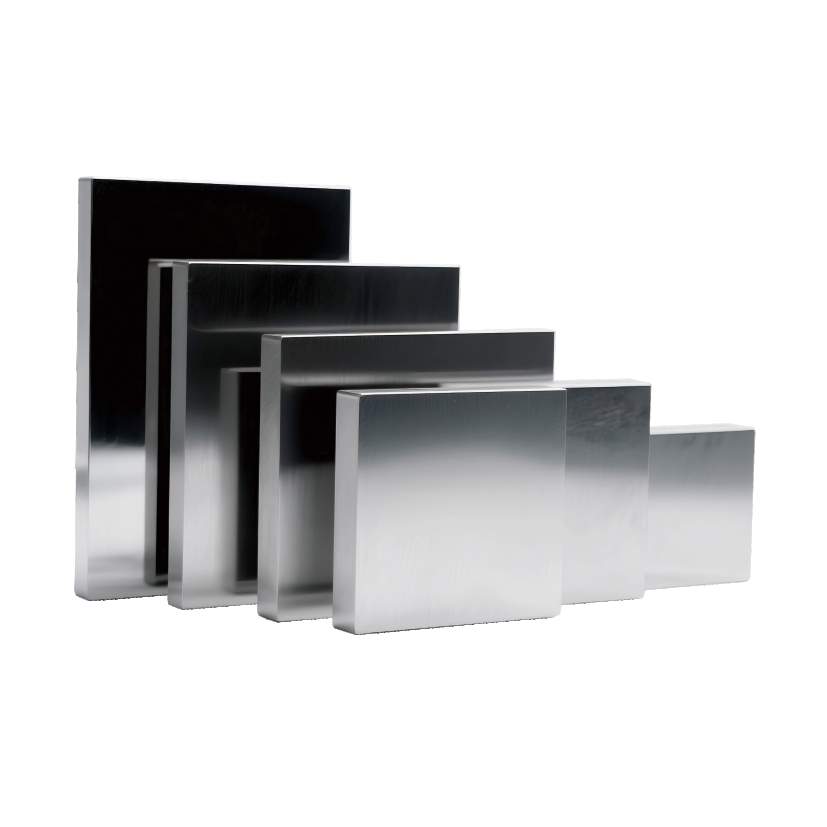
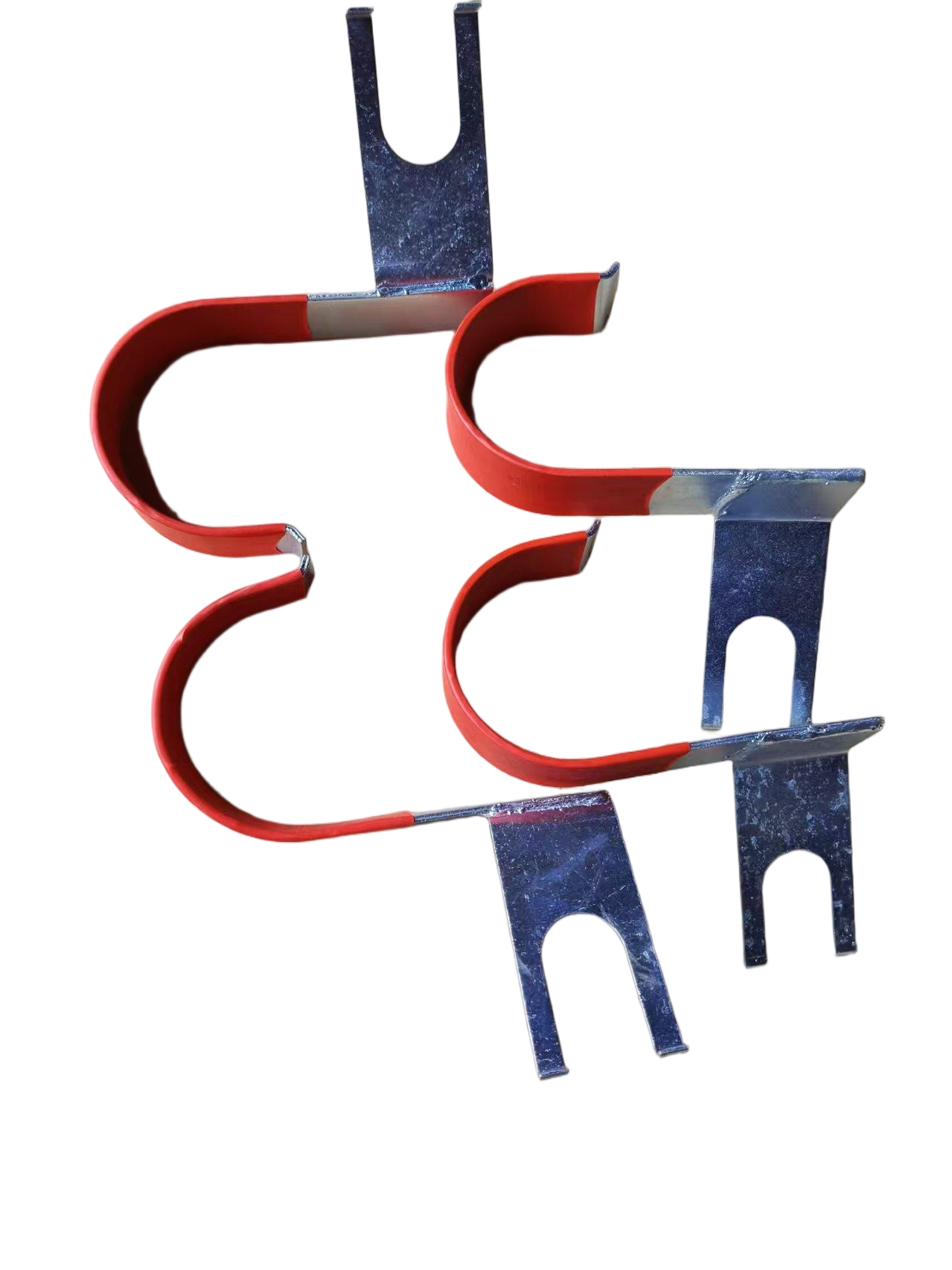
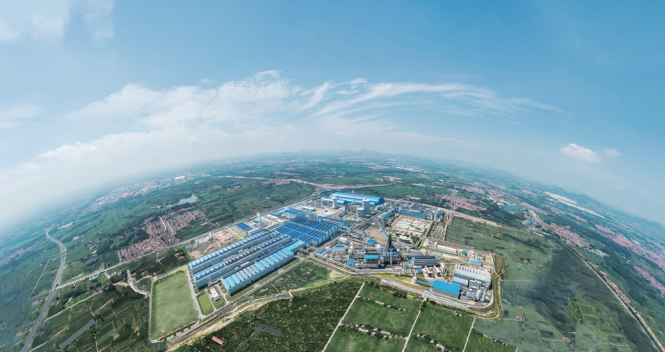
Linyi Steel Investment Special Steel 2.7 Million Tons per Year High-quality Special Steel Project
Capital Engineering & Research Incorporation Limited
Industrial and Commercial Point-Type Gas Detector
Jinan Benan Technology Development Co., Ltd.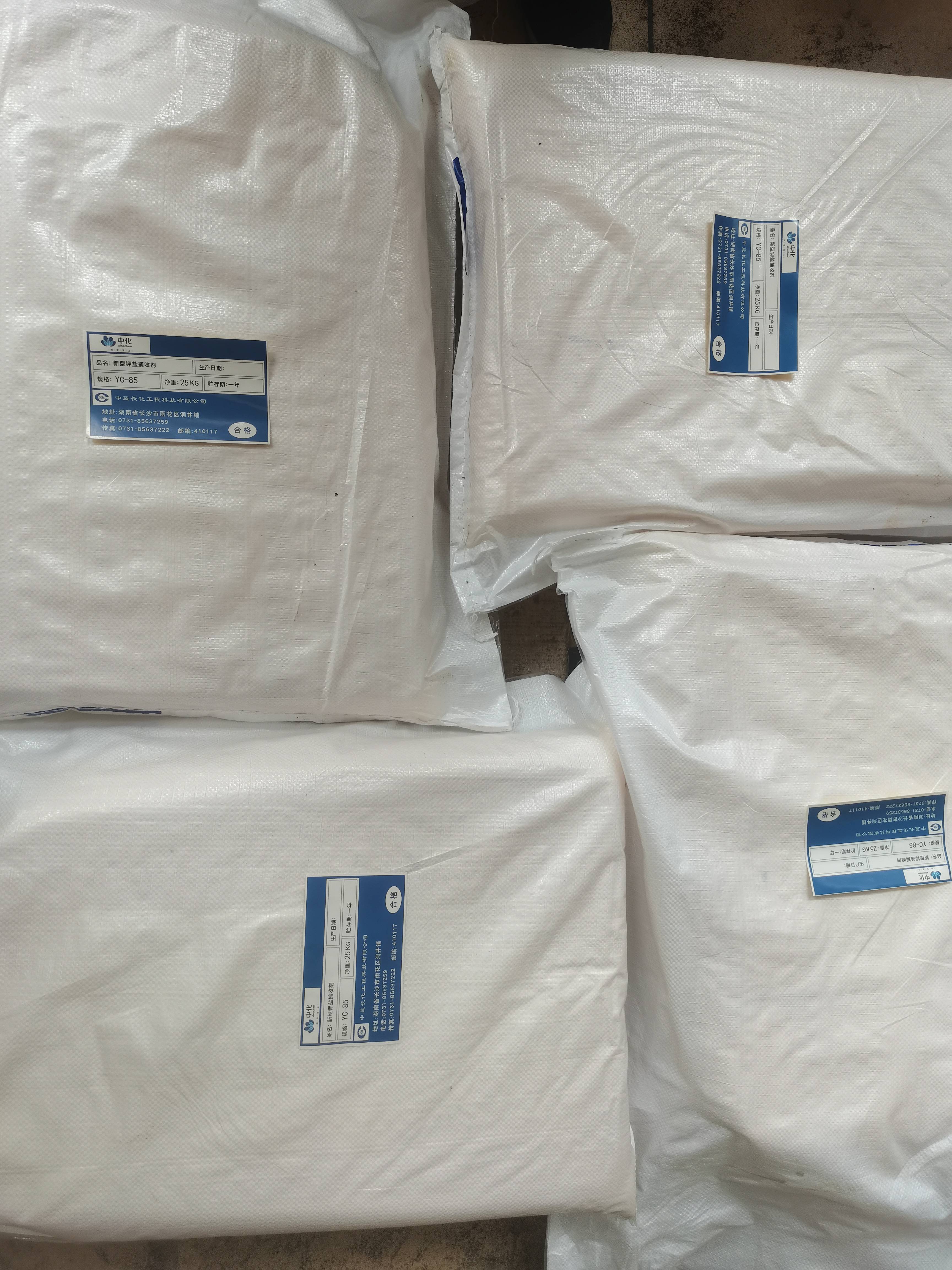
New Environmentally Friendly Green Potassium Salt Collector
Chonfar Engineering and Technology Co., Ltd.