DRC mining ban and Antofagasta output cuts push SHFE copper to 109,780 yuan/tonne in August
en.Wedoany.com Reported - Recently, concerns over US copper tariffs have driven copper prices to rise first and then fall. The main SHFE copper contract broke through the consolidation range centered on 105,000 yuan/tonne, lifting the price center to around 108,000 yuan/tonne. In mid-to-late August, tight overseas spot supply caused the London Metal Exchange (LME) cash premium to surge rapidly, with copper prices briefly hitting 109,780 yuan/tonne, but the lack of sustainable substantive fundamental support ultimately led to a full retracement of gains.
In early August, data from the Institute for Supply Management (ISM) showed that the US ISM manufacturing index rose to 55.6 in July, above the market expectation of 53.9, marking the highest level since May 2022; S&P Global data showed that the manufacturing PMI for the same period stood at 53.9, unchanged from June, at a three-month low, presenting a sharp contrast between the two indicators. On employment, ADP reported 44,000 new jobs in July, well below the expected 70,000; nonfarm payrolls fell by 23,000 in July, significantly missing the expectation of an 80,000 increase, below the lowest forecast of all economists, marking the worst reading this year; May and June nonfarm payrolls were revised down by a combined 103,000. According to the US Bureau of Labor Statistics (BLS), the July CPI rose 3.4% year-on-year, down from 3.5% in June, the lowest since March; core CPI year-on-year growth narrowed from 2.6% to 2.5%.
As a result, market expectations for the Fed's monetary policy path this year continued to adjust. In early August, the probability of a September rate hike fell from nearly 70% to 56%, and yields on 10-year and 2-year US Treasuries both declined. After the July nonfarm payrolls report, the market further reduced bets on a 2026 rate hike and anticipated that the originally scheduled September hike might be delayed. After a sharp decline in late July, the US dollar index fluctuated at a low range of 99.45–99.85 points during the month, having a moderate impact on copper prices.
On the geopolitical front, the US-Israel-Iran situation remained in a stalemate. After the US and Israel launched military strikes on Iran on February 28, the market experienced initial panic; indirect talks in mid-April yielded no results, negotiations were cancelled in late April, skirmishes occurred sporadically in May, a memorandum of understanding was reached between the US and Iran in mid-June, fighting resumed in July, and no substantive change in relations was seen in August. Market sensitivity to the issue has declined, and the strengthening of international oil prices during the month did not significantly affect expectations for US monetary policy, with attention remaining focused on Fed policy expectations and global equity market performance.
On the supply side, in early August, the government of the Democratic Republic of the Congo announced an immediate ban on copper concentrate exports. Antofagasta, due to the suspension of its Los Pelambres mine caused by extreme rainfall in Chile's Coquimbo region in July, lowered its 2026 copper production guidance from 650,000–700,000 tonnes to 625,000–655,000 tonnes. Panama's Minister of Commerce and Industry, Julio Moltó, visited areas including Donoso, Omar Torrijos Herrera, and La Pintada, meeting with mine workers, local governments, and suppliers, with recommendations to be submitted to an inter-ministerial committee for evaluation, reigniting expectations for the restart of First Quantum's Cobre Panamá copper mine. Data from the Shanghai Metals Market (SMM) showed that the import treatment charge for copper concentrate turned further negative at an accelerating pace, falling to -175.37 USD/tonne in the week ending August 17, putting additional pressure on smelter margins.
On scrap copper, in August, the domestic price spread between refined and scrap copper including tax widened from below 3,500 yuan/tonne at the start of the month to over 5,000 yuan/tonne; the tax point for scrap copper in Guangdong rose again due to tight supply of tax-inclusive raw materials, reaching a high of 11.5% in August, with structural issues on both the supply and demand sides expected to persist.
On production, domestic refined copper output has declined month by month since the second quarter, with SMM forecasting a drop to 1.1392 million tonnes in August. Global exchange inventories continued to flow into the United States: SHFE inventories stood at less than 70,000 tonnes, maintaining the year's low but roughly in line with the same period in previous years; LME copper inventories stabilized after a decline, hitting a low of 205,000 tonnes in mid-August; COMEX inventories have been accumulating since mid-April, rising to over 730,000 tonnes by August.
On end-use demand, SMM forecasts that the operating rate of domestic wire and cable enterprises in August will be 68.64%, down from July. According to the production scheduling report for three major white goods categories from Industry Online, August production schedules for household air conditioners stand at 10.73 million units, down 16.7% from actual production in the same period last year; refrigerators at 8.77 million units, up slightly by 0.7%; and washing machines at 8.83 million units, up 2.3%. Data from the China Association of Automobile Manufacturers showed that in July, China's automobile production reached 2.573 million units, down 0.7% year-on-year; sales reached 2.584 million units, down 0.3% year-on-year; new energy vehicle production reached 1.576 million units, up 26.8% year-on-year, with sales of 1.561 million units, up 23.7% year-on-year, with sales share exceeding 60% for the first time. Automobile exports in the month totaled 1.043 million units, of which new energy vehicle exports reached 553,000 units, up 1.5 times year-on-year.
In summary, the short-term sharp rally and pullback in copper prices driven by supply concerns has largely come to an end. Going forward, macro attention will focus on the latest US economic data and expectation adjustments. On the fundamentals side, overseas ore supply remains tight, and structural issues in scrap copper supply persist; on the demand side, automobile demand continues to recover, air conditioners are driven by seasonality, and wire and cable consumption is stable, with varying copper usage across segments. Copper prices are expected to fluctuate modestly higher in the coming period.
Related Products
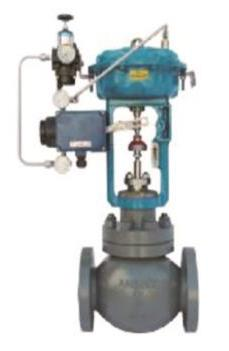

Quick-Change Single-Seat Control Valve / Quick-Change High-Pressure Single-Seat Control Valve
Beijing Consen Automation Technology Co., Ltd.

Industrial and Commercial Point-Type Gas Detector
Jinan Benan Technology Development Co., Ltd.
Yunnan Phosphorus Chemical Group Co., Ltd. 2 Million t/a Phosphorus Ore Mining and Beneficiation Project
China Bluestar Lehigh Engineering Corporation
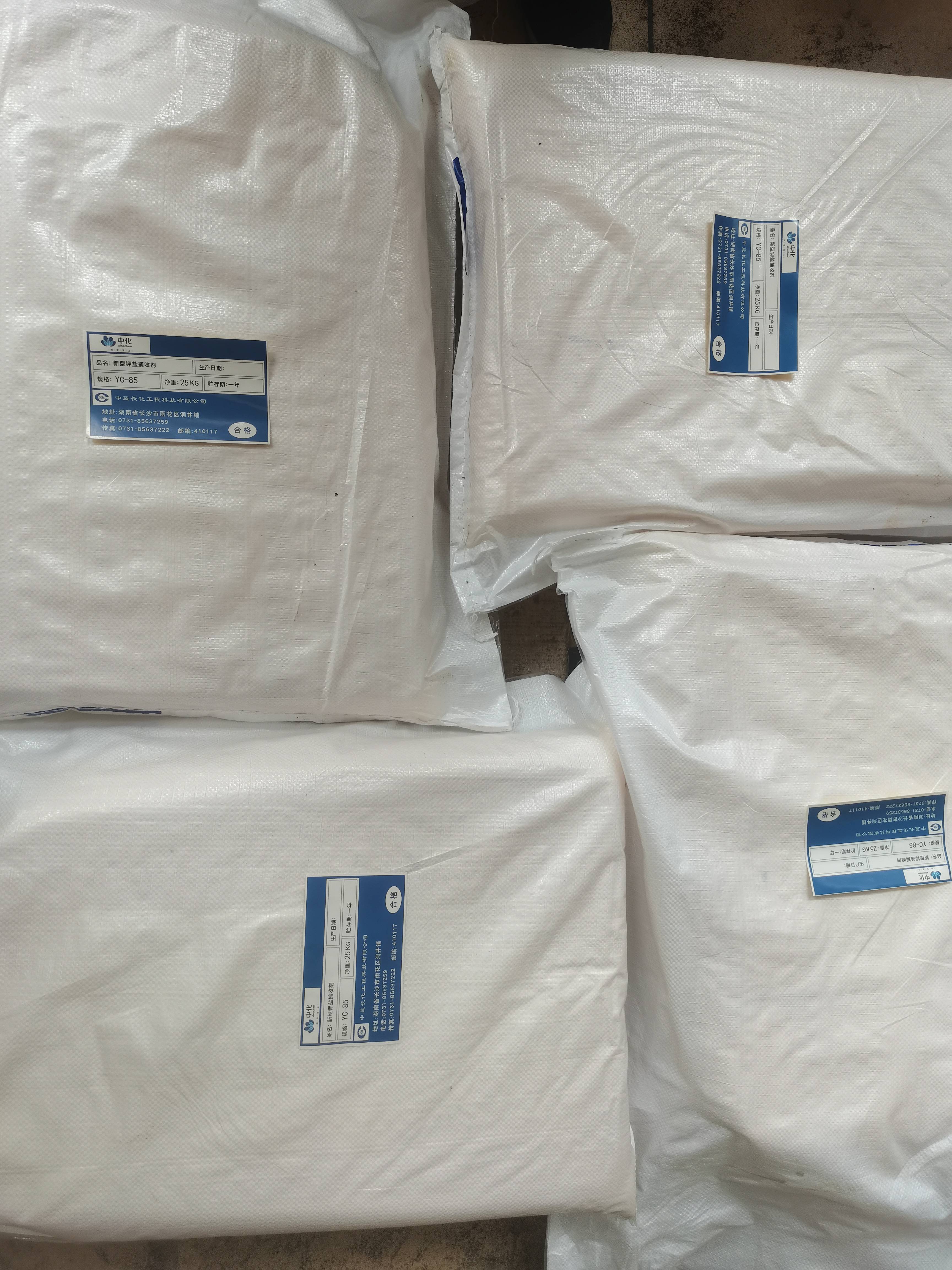
New Environmentally Friendly Green Potassium Salt Collector
Chonfar Engineering and Technology Co., Ltd.

Core Technologies of the Mining Technology and Equipment Business Unit: Efficient Mining Methods and Processes
CHANGSHA INSTITUTE OF MINING RESEARCH CO., LTD.