Australia's Argent completes feasibility study for 63.7Mt Kempfield silver project in 2029
en.Wedoany.com Reported - Argent Minerals' new CEO Mike McKevitt is accelerating development of the Kempfield silver project in New South Wales, which hosts approximately 63.7 million tonnes of mineral resources, totaling 142.8 million ounces of silver equivalent.
McKevitt brings a 35-year career spanning continents and commodities, starting in geology before roles at Macquarie Bank and BurnVoir Corporate Finance. He told Stockhead that, based on typical metal recovery and payable factors, the metal value beneath Kempfield is estimated at around US$6 billion.
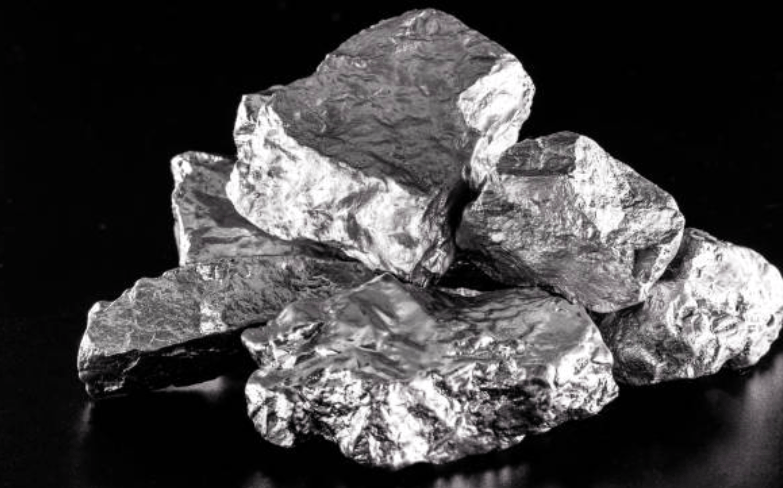
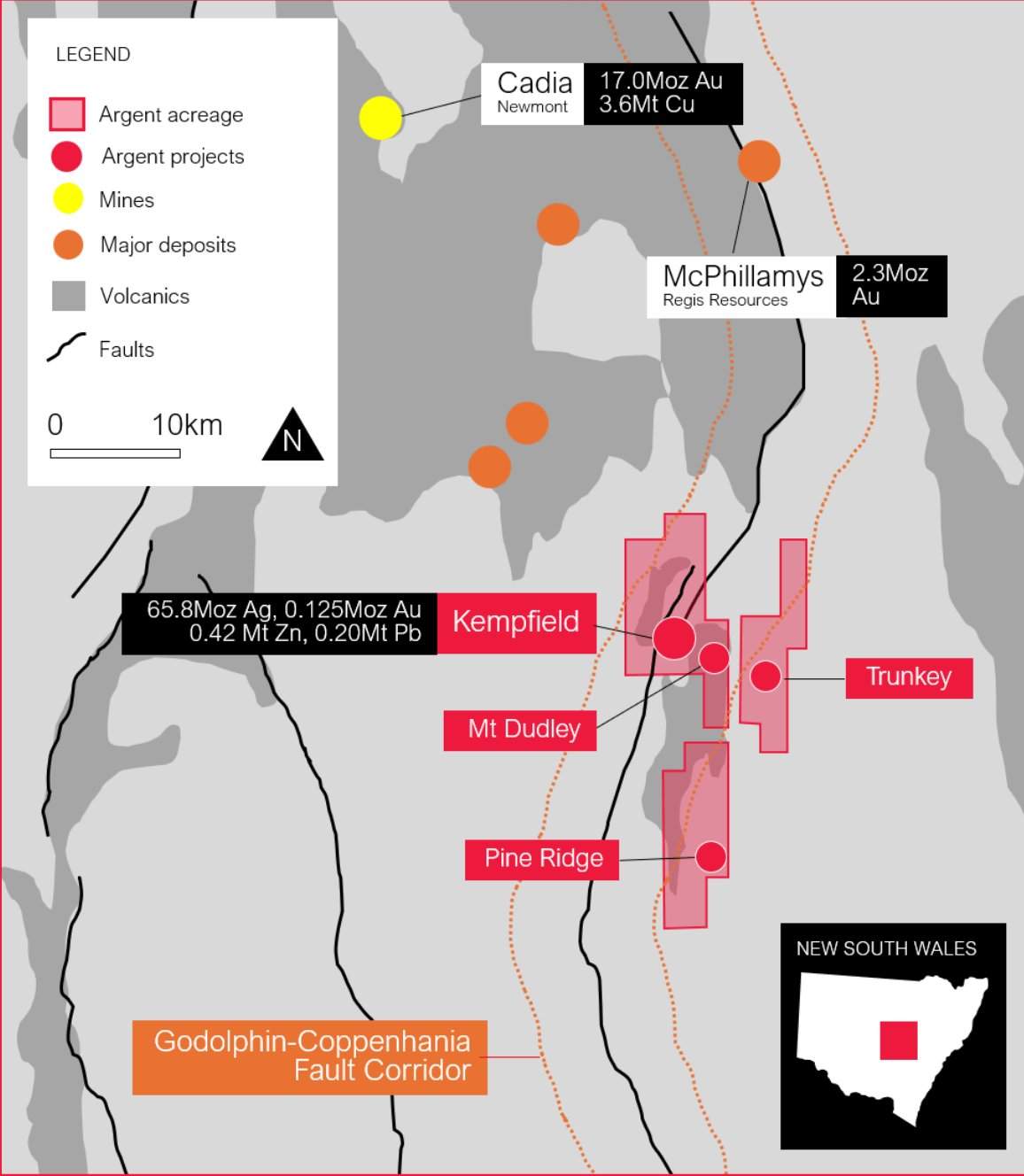
Kempfield has a silver equivalent grade of 69.75 g/t, with resources containing 65.8 million ounces of silver, 125,000 ounces of gold, 207,000 tonnes of lead, and 420,000 tonnes of zinc. Argent Minerals (ASX:ARD) describes it as Australia's second-largest undeveloped silver mine. The project is located approximately 60 km south-southwest of Newmont's Cadia operation, within the highly productive Lachlan Orogen alongside Evolution Mining's (ASX:EVN) Northparkes copper-gold mine and Cowal gold mine, with the Trunkey Creek gold project 5 km away offering additional polymetallic growth potential.
On development, the team will complete foundational work for a resource update over the next six to eight months, followed by building cash flow models and calculating Kempfield's net present value (NPV). Optimization studies are underway to determine potential operational scale, and mining lease applications are progressing; study-level results reflecting asset value will be delivered in the first half of next year. The project targets completion of a definitive feasibility study (DFS) and technical due diligence around Q1 or Q2 2029, positioning Kempfield for financing.
Long-lead items such as environmental approvals are already underway, with Argent engaging GHD for environmental work and maintaining consultation with the New South Wales government on approval processes. The state government has listed silver as a priority metal in its Critical Minerals and High-Tech Metals Strategy, a policy position McKevitt sees as advantageous. On metallurgical testing, recoveries in the primary zone are approximately 86% for silver and 90% for gold, offering flexibility in processing options.
On exploration, the Lode 100 target has the potential to add 23 million ounces of silver resources by targeting extensions between existing veins and deeper down-dip mineralization. February drilling intersected visible gold at the target, and the June quarter results supported the interpretation of high-grade shoots within the system and the potential to add a gold component, with follow-up drilling continuing through year-end. The company is also preparing to commence this year's inaugural drilling at the Trunkey Creek gold project. The area sits on a 5.5 km gold trend that produced nearly 3,000 ounces of gold between the 1850s and early 1900s, with recorded grades of 12-20 g/t gold at the time and up to 3 oz/t in some deeper zones; recent rock chip sampling returned a bonanza grade of 1,930 g/t gold, along with other high-grade results such as 73.3 g/t.
McKevitt noted that at previous silver prices it was difficult to justify developing a deposit of Kempfield's scale, but with silver rising from approximately US$25/oz in 2024 to nearly US$70/oz, the project's development value has improved accordingly. On the demand side, a single gigawatt-scale AI data center requires 385,000 to 388,000 ounces of silver, and China approved 20 such data centers in the current quarter alone, with solar panels, clean energy, and electronics also providing sustained demand.
On the supply side, Metals Focus analysts, writing for the Silver Institute, forecast that the silver market will see a supply deficit for the sixth consecutive year in 2026, warning of an entry into an "era of inventory depletion." Only about 28% of global silver production comes from primary silver mines, with the remainder largely a by-product of lead-zinc, copper, and gold operations, making large, developable silver resources increasingly attractive.
Related Products


CKD135E Pure Electric Wide-body Dump Truck
Jiangsu Changkuang Engineering Machinery Co. Ltd.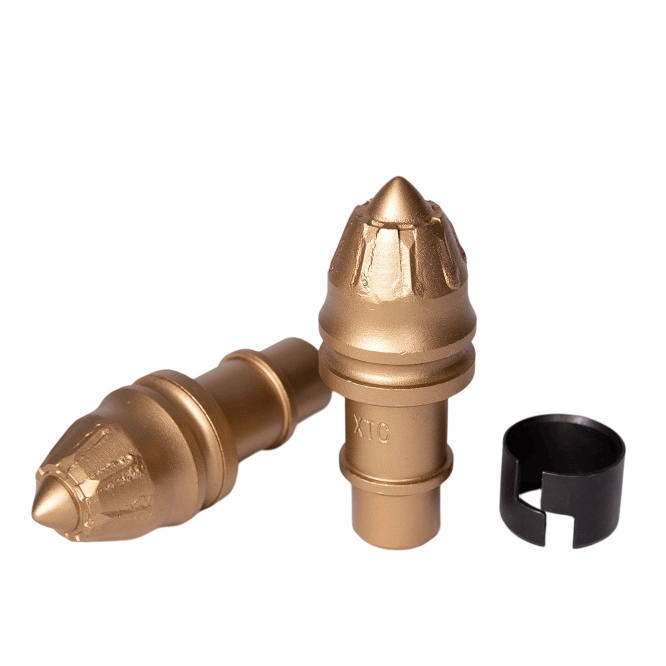
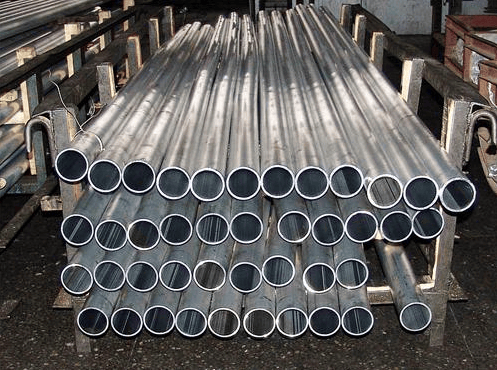
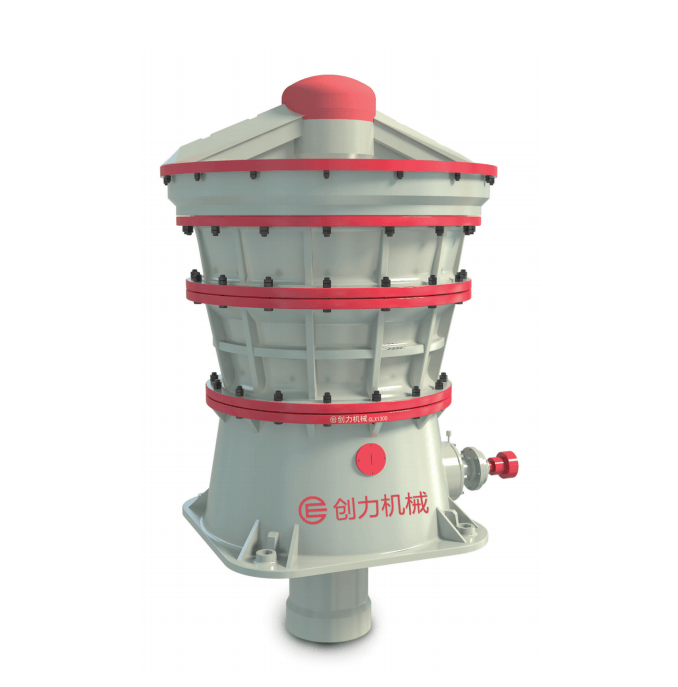
CLX Series Intelligent Hydraulic Gyratory Crusher
Guangdong CHUANGLI intelligent machinery Equipment Co., LTD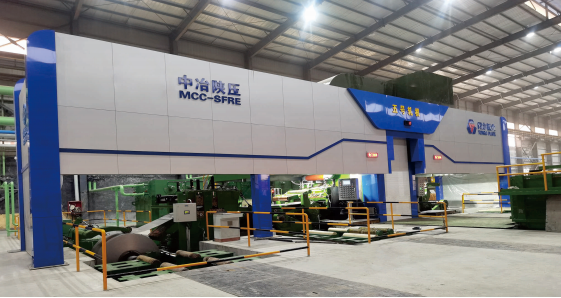
1050-1750mm Steel Strip Single-stand Reversible Cold Rolling Production Line
MCC-SFRE HEAVY INDUSTRY EQUIPMENT CO., LTD.
CITIC Heavy Industries Metallurgical Equipment Steel Smelting Engineering Equipment
CITIC Heavy Industries Co., Ltd.
DDW22/08SE-HORIZONTAL DIRECTIONAL DRILL
DW/TXS Construction Equipment (Beijing) Co., Ltd.