Oregon State University wave energy test site launches, with cumulative investment of nearly $150 million
en.Wedoany.com Reported - The first public offshore wave energy test site in the United States has been activated off the coast of Oregon, developed by Oregon State University, after receiving a key green energy approval from the Trump administration. This wave energy project's approval stands out as particularly notable against the backdrop of the federal government slowing clean energy permitting and development, canceling billions of dollars in grants for hundreds of clean energy projects, and spending nearly $4 billion to buy back leases to block offshore wind projects.
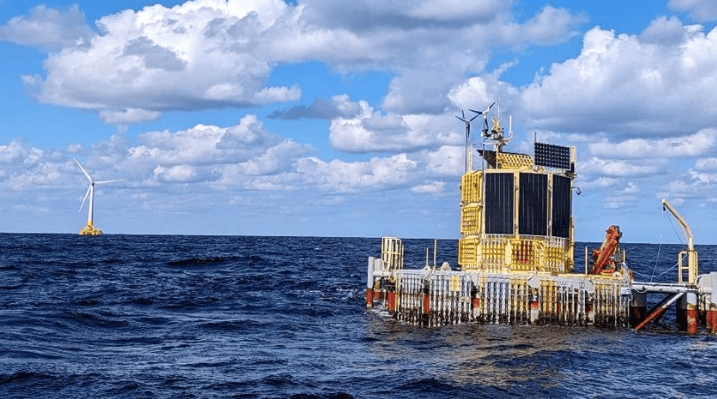
The PacWave South test site is located off the coast of Oregon, where companies can transport wave energy devices to test power generation capabilities in open ocean conditions and feed electricity into the local grid. The site was built by Oregon State University, and PacWave Director Dan Hellin noted that after Trump returned to office in 2025, the facility had to pass a "go/no-go" review by the Department of Energy, requiring approval from the Energy Secretary before it could open. The approval was granted last summer, and the facility completed grid connection this summer.
Currently, no wave energy devices are in place at the site, so no power has yet been generated, and developers face delays in federal funding. Since 2016, the U.S. Department of Energy has invested nearly $150 million cumulatively in the siting and construction of the PacWave site. Oregon State University will mark the facility's activation with an invitation-only event on Thursday. A Department of Energy spokesperson stated that the activation of PacWave South helps streamline the long-standing testing and permitting processes in marine energy development.
According to federal estimates, ocean energy could theoretically meet approximately 57% of U.S. electricity demand. The Department of Energy stated that even capturing a small fraction of that, marine energy technologies could make significant contributions to the U.S. power system. Unlike generating electricity by burning coal, oil, and natural gas, ocean energy generation produces no carbon dioxide emissions.
The Department of Energy's characterization of wave energy contrasts with its stance on offshore wind. Since late last year, the administration has blocked offshore wind development citing national security risks; however, for wave energy, the Department of Energy stated that wave energy devices to be tested at the PacWave site could enhance national security, noting the technology is "particularly well-suited to power national security applications," including remote sensors, autonomous underwater vehicles, and equipment requiring continuous, low-visibility power supply in remote and sensitive offshore and coastal environments, as well as providing power resilience for forward military bases.
PacWave South is not the first grid-connected wave energy test site in the United States—the U.S. Navy operates a similar facility in Hawaii—but it is the first test site connected to the U.S. mainland grid. The site is "pre-permitted," allowing developers to bring various types of wave energy converters for testing without obtaining their own permits, saving time and costs. The types of technologies that can be tested include point absorbers, oscillating water columns, and attenuators.
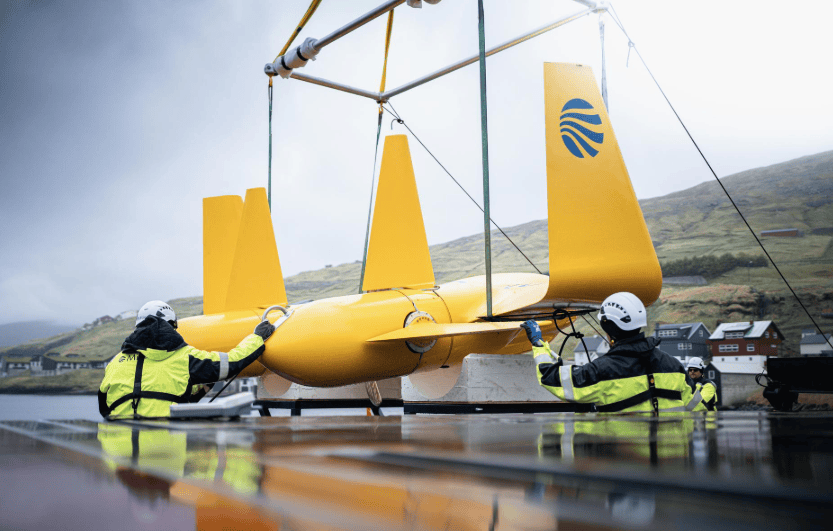
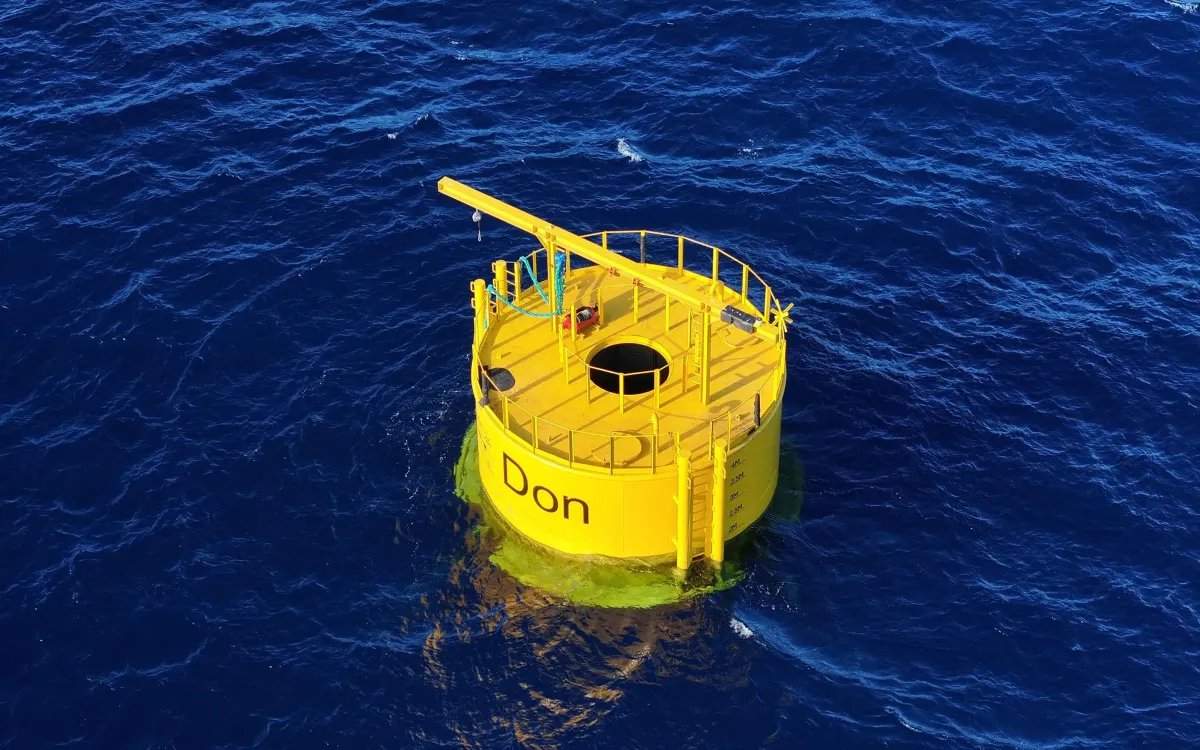
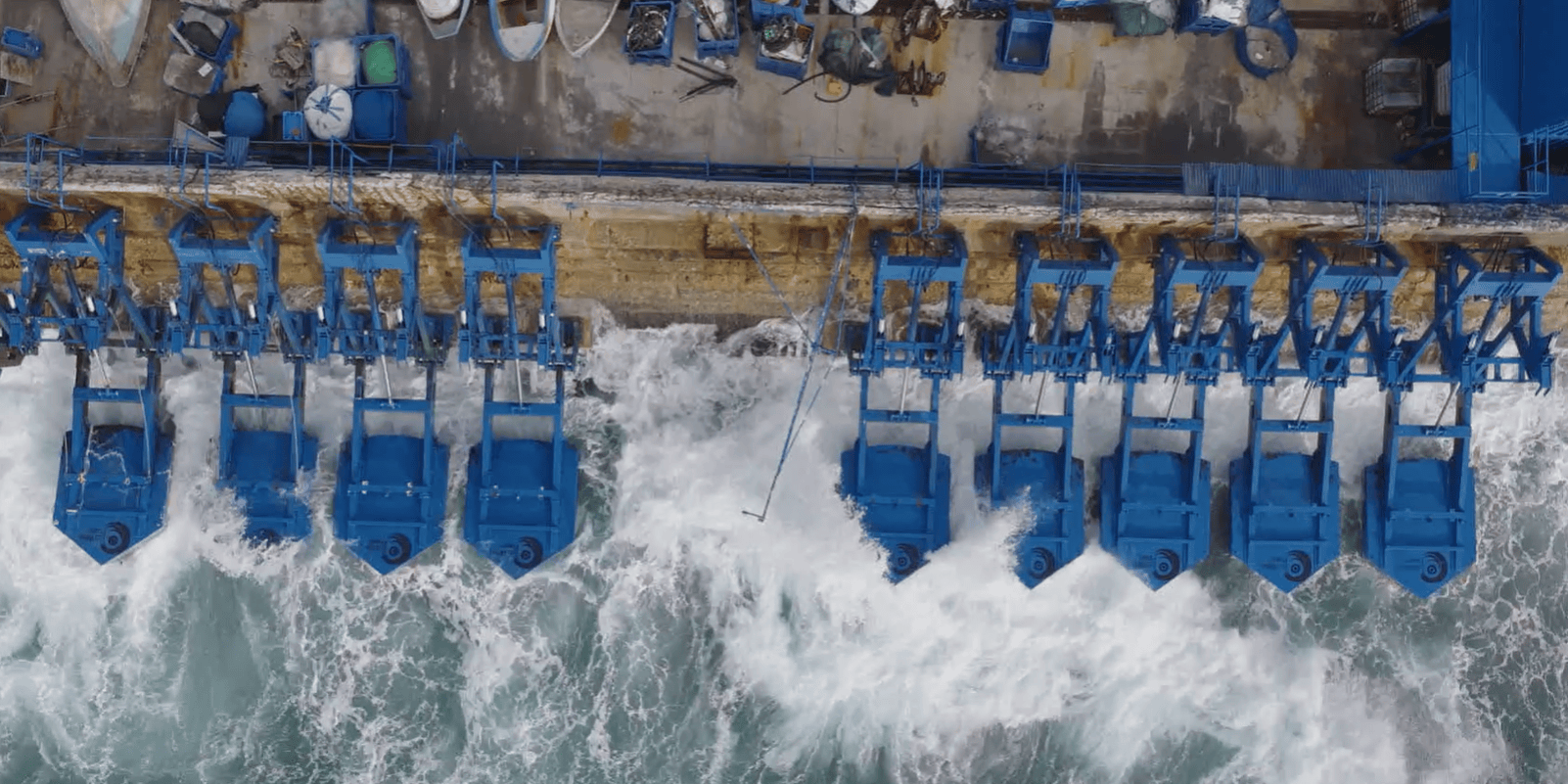
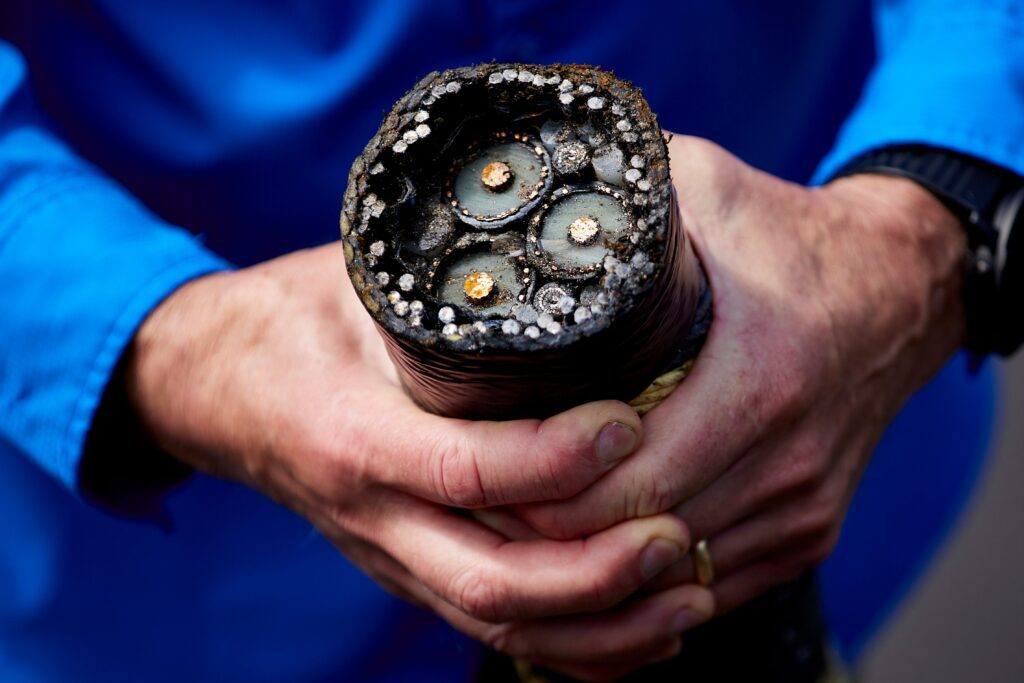
Point absorbers are currently the most common type; these buoy-like devices convert wave motion into electricity through up-and-down movement. Oscillating water columns use the rise and fall of waves to push and pull air through turbines to generate power. Attenuators are long, floating devices whose segmented sections bend with the waves, converting motion into electricity. All of these devices transmit power to the onshore grid via submarine cables.
Hellin stated that the final stage of wave energy technology development is full-scale open ocean testing and grid-connected validation, which is a common bottleneck for the industry worldwide, as very few similar facilities currently exist.
Related Products

Quick-Change Single-Seat Control Valve / Quick-Change High-Pressure Single-Seat Control Valve
Beijing Consen Automation Technology Co., Ltd.
Environmentally Friendly Flame-retardant PVC Double-layer Insulated Wire
Sichuan Chndo Cable Co., Ltd.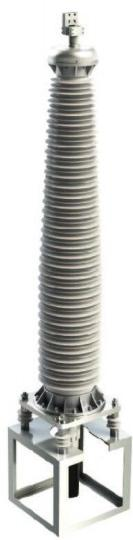
220kV Composite Outdoor Cable Terminal
Shenyang Guolian Cable Accessories Manufacture Co., Ltd.
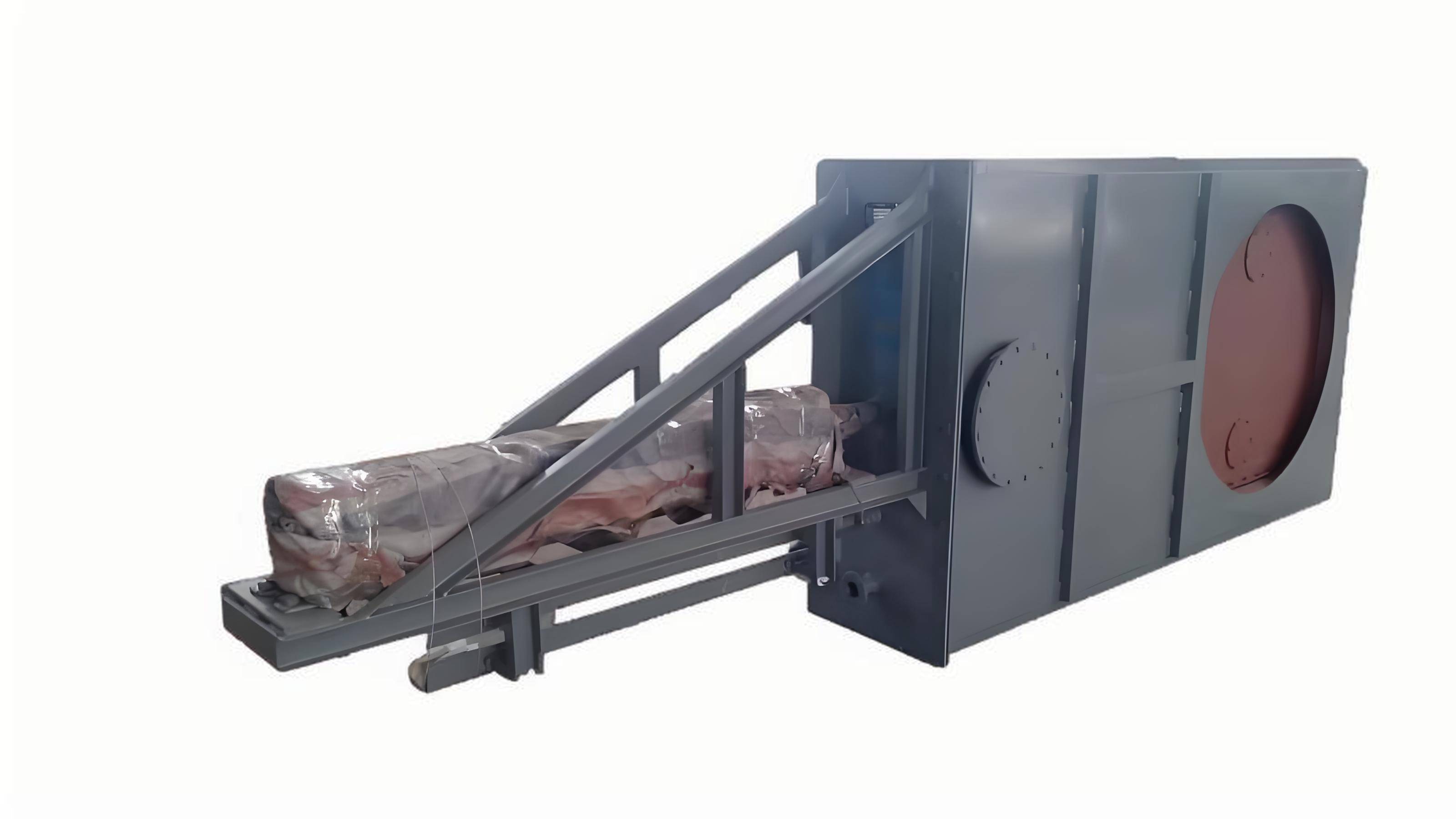
Double-slide Triple-sealed Hot Air Isolation Door
Xi'an Yingchuan Electric Power Equipment Co., Ltd.
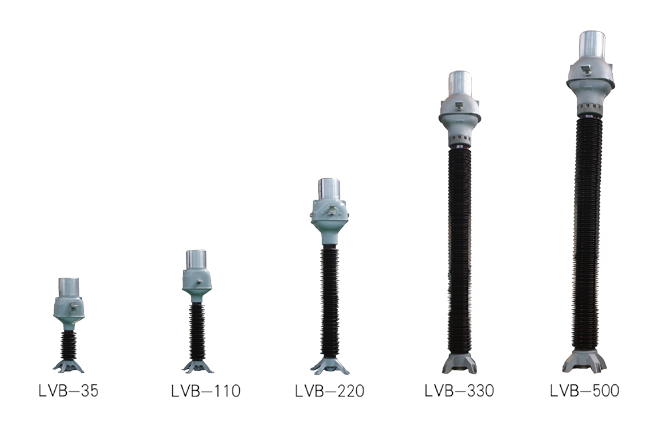
LVB Series 35-500kV Oil-immersed Inverted Current Transformer
Shandong Taikai Instrument Transformer Co., Ltd.
Photovoltaic and Wind Power Generation Technology
Beijing Boqi Electric Power SCI-TECH Co., Ltd.