South Africa's Eskom sees 22.5% drop in industrial electricity sales, expands new loads such as data centers
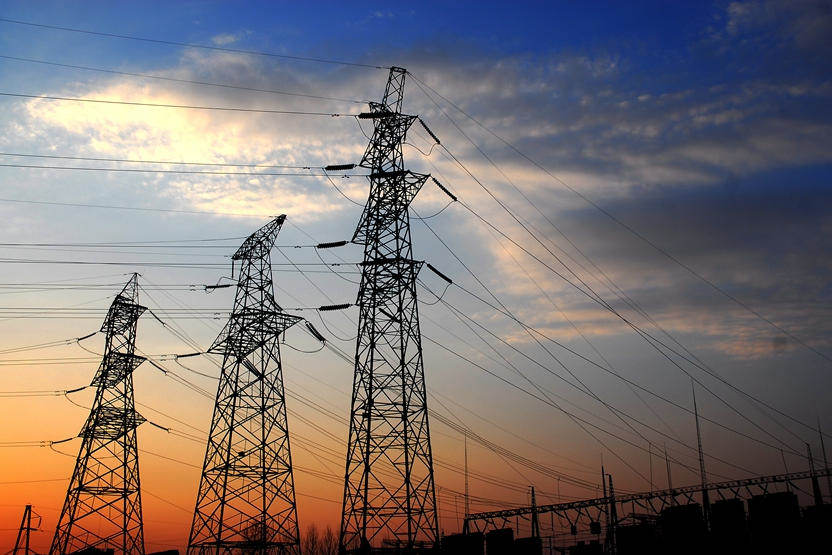
en.Wedoany.com Reported - On August 31, South Africa's national power utility Eskom announced its fiscal year 2026 results for the period ending March 31, 2026, with total electricity sales falling to 178 TWh, down 6.2% year-on-year. Among these, electricity sales to industrial customers decreased by 9.7 TWh, down 22.5% year-on-year, making it the segment with the largest decline across all customer categories. Eskom primarily attributed the decline in industrial electricity consumption to shrinking demand from South Africa's ferrochrome smelting industry.
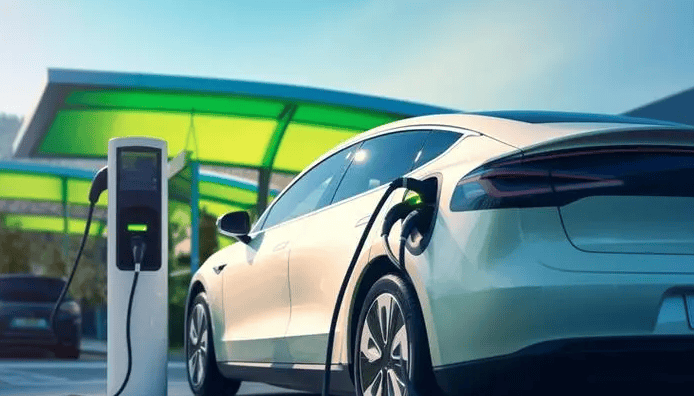
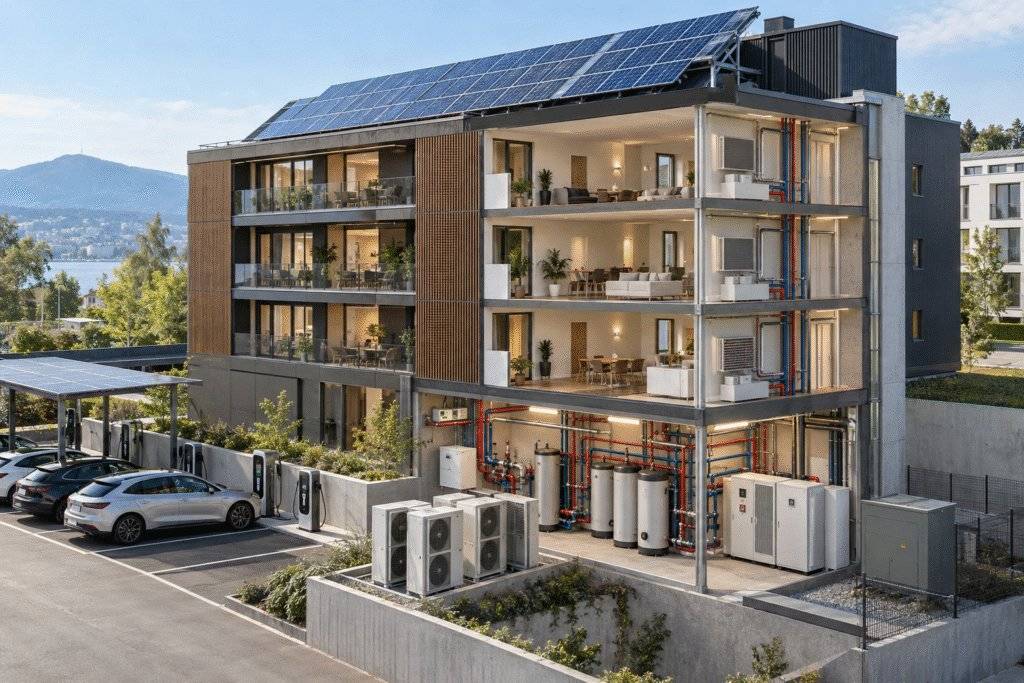
Eskom plans to stabilize annual electricity sales at approximately 178 TWh and is seeking new sources of electricity demand. The company is evaluating new loads such as data center electricity consumption, electric vehicle charging infrastructure, and pilot projects for bitcoin mining, with bitcoin mining being listed as a flexible load option. The company also plans to expand cross-border electricity sales, increasing exports through the Southern African regional market. In fiscal year 2026, Eskom's international electricity sales decreased by 1.2 TWh year-on-year, a decline of 8.3%.
Eskom currently estimates that it will have approximately 2 GW to 3 GW of surplus generation capacity available over the coming years and has already allocated some of this capacity to restore high-energy-intensity smelting loads. In May this year, South Africa's National Energy Regulator approved a temporary preferential electricity tariff framework for ferrochrome smelting companies, with the Samancor Chrome agreement having a term of 5 years and the Glencore-Merafe Chrome Venture agreement having a term of 3 years. The tariff previously set by Eskom is 0.62 rand/kWh.
Eskom has also reached a separate negotiated electricity tariff arrangement with Manganese Metal Company, although the specific price has not been disclosed. The company stated that the preferential electricity sales price for ferrochrome smelting does not generate profit but is sufficient to cover related variable costs and contribute to a portion of fixed costs. Some of Eskom's existing coal supply contracts operate under a "take-or-pay" mechanism, and the sales arrangements for surplus generation capacity are considered in tandem with its existing coal procurement volumes and generating unit operational schedules.
In fiscal year 2026, Eskom's operating revenue reached 354.7 billion rand, up 4.1% year-on-year, with an average increase of 12.74% in regulated standard electricity tariffs. Net profit after tax rose from the restated 14 billion rand in the previous fiscal year to 30.3 billion rand. During the same period, diesel expenditure decreased from 18 billion rand to 7 billion rand. The company's electricity sales in fiscal year 2026 have already decreased by more than 46 TWh compared to the level of over 224 TWh in fiscal year 2012.
Related Products

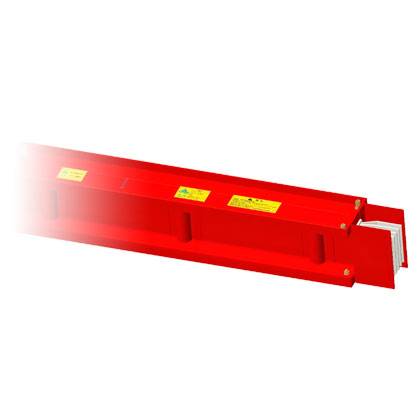
Mineral-insulated Compact Busway (Fire-resistant Busduct)
Zhuhai Guangle Electric Busway Co., Ltd.
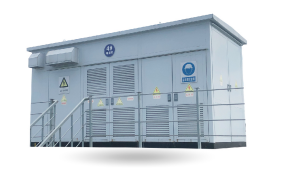
Smart Photovoltaic Prefabricated Substation
Shanghai Jinyou Jinhong Intelligent Electric Co., Ltd.
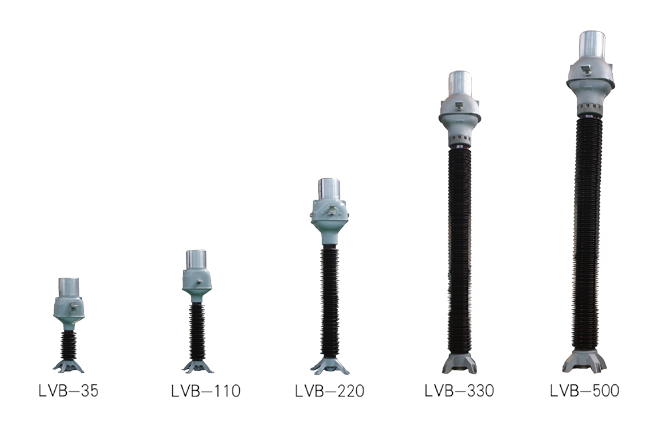
LVB Series 35-500kV Oil-immersed Inverted Current Transformer
Shandong Taikai Instrument Transformer Co., Ltd.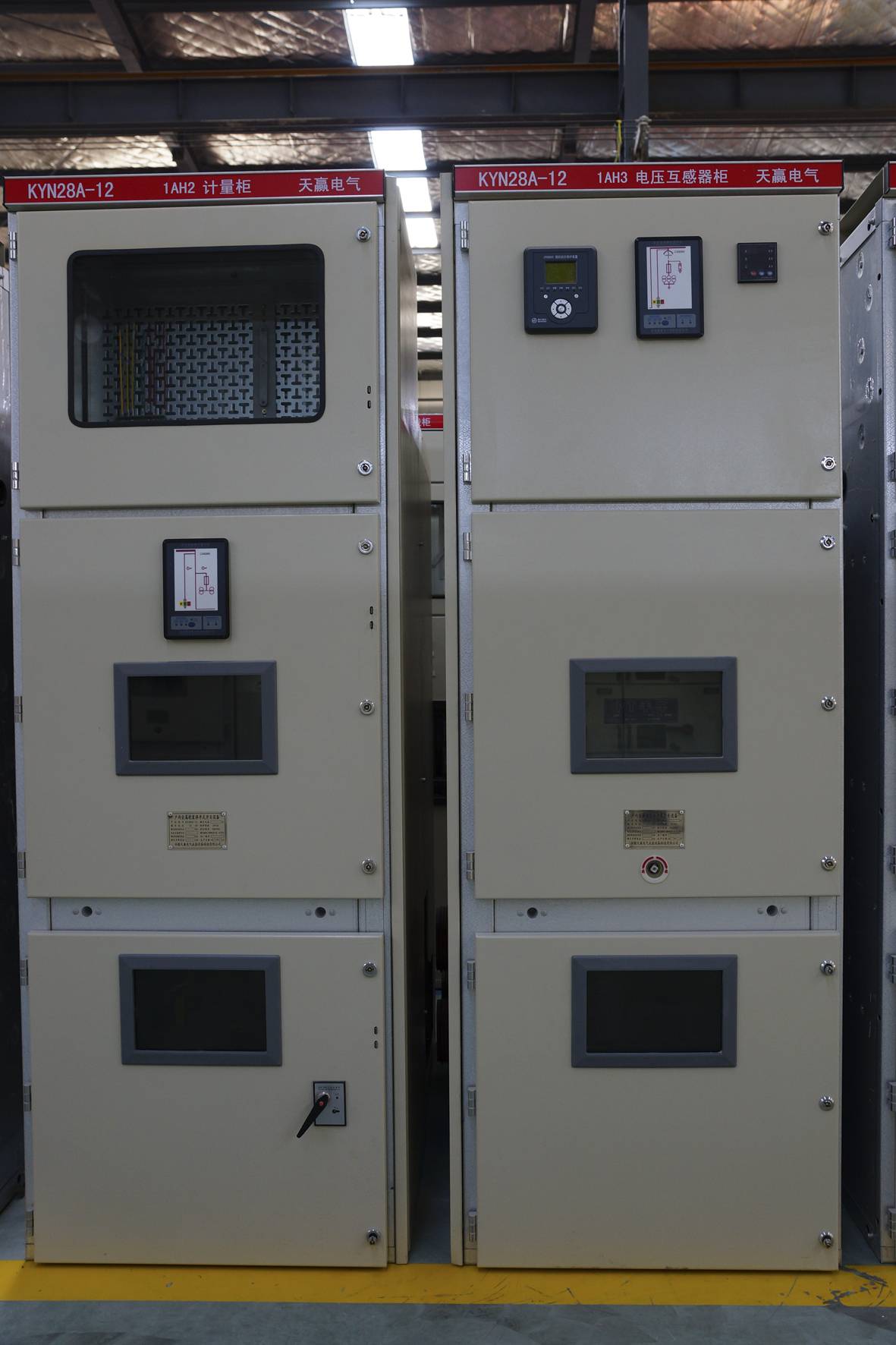
KYN28 - High Voltage Switchgear
Anhui Tianying Electrical Equipment Manufacturing Co., Ltd.
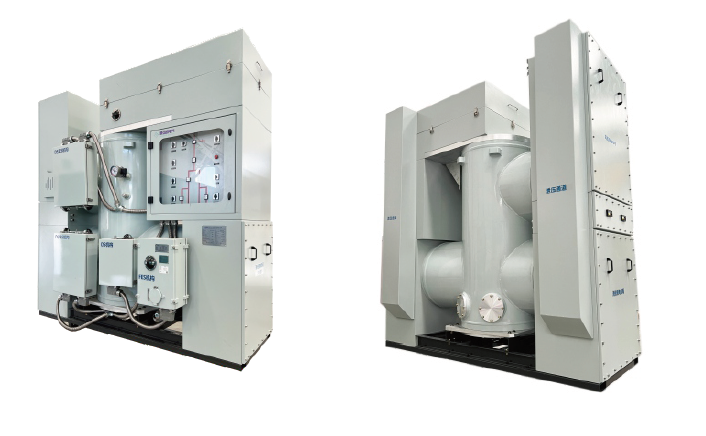
72.5kV 1250A 31.5kA SF6 free Gas-insulated Metal-enclosed Switchgear
Zhejiang Juhonkia Intelligent Electric Co., Ltd.