China's National Energy Administration Fully Deploys Major Tasks for Building a New-Type Power Grid
en.Wedoany.com Reported - On September 1, the National Energy Administration (NEA) held a work deployment meeting on new-type power grid construction. Wang Hongzhi, Secretary of the Party Leadership Group and Administrator of the NEA, attended the meeting and delivered a speech.
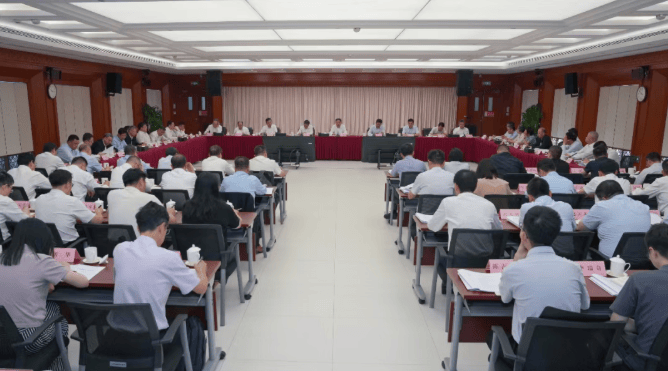
The meeting systematically reviewed the achievements of China's power grid development, analyzed and assessed the new situation and new requirements, and comprehensively deployed the major tasks for building a new-type power grid.
The meeting noted that the power grid is a major national network infrastructure, bearing on economic and social development and energy security. Since the 18th National Congress of the Communist Party of China, under the strong leadership of the Party Central Committee with Comrade Xi Jinping at its core, China's power grid construction has achieved leapfrog development, with continuously improved infrastructure, significantly enhanced service levels, and steadily accumulated technological advantages, marking historic achievements in power grid development.
The meeting emphasized that during the "15th Five-Year Plan" period, China's electricity demand will continue to grow at an average annual rate of around 5%, the share of new energy will further increase, demand from high-end industries for green, high-quality electricity will grow steadily, new models and new business forms will emerge at an accelerated pace, and competition in core technologies will intensify, all of which impose higher requirements on new-type power grid construction. The construction of a new-type power grid represents a profound transformation in new architecture, new technologies, and new services, and must be planned holistically and implemented systematically. First, efforts should be made to consolidate the strengths of infrastructure, building a new coordinated architecture of main grid, distribution grid, and microgrids that enhances the safety and stability of the large power grid, fully leverages the role of distribution networks as a public platform, and promotes flexible and diversified interaction of smart microgrids. Second, efforts should be made to leverage the leading role of innovation, accelerating the research, development, and application of new power grid technologies such as "artificial intelligence +", flexible grid-forming, intelligent dispatch and control, and long-duration energy storage, so as to develop new quality productive forces. Third, efforts should be made to strengthen diversified support and safeguards, upgrading new power grid services that are friendly and adaptable to new business forms such as efficient grid connection and consumption of new energy, high-quality power supply, and computing-power–electricity synergy, so as to better meet the needs of industrial development and the people. Fourth, efforts should be made to firmly uphold the bottom line of safe operation, ensuring the safe and stable operation of the large power grid, strengthening engineering safety and quality management, enhancing the grid's disaster prevention and emergency response capabilities, and improving the level of safety resilience.
The meeting noted that new-type power grid construction is connected on one end to upstream projects such as new energy power generation, and on the other end to downstream electricity users including industrial, commercial, and residential consumers. It has strong linkage effects and entails a massive scale of investment, playing an important supporting role in boosting current investment and adjusting the economic structure in the long run. First, the approval and construction of major power grid projects such as transmission corridors should be accelerated. Power grid enterprises should refine project implementation and fully leverage the investment-driving role of major projects, while local energy authorities should expedite the processing of all necessary supporting documents. Second, overall coordination and promotion of new-type power grid construction should be ensured. Local energy authorities should sort out lists of new-type power grid projects and tasks within their provinces, layer-by-layer consolidate responsibilities, and guide local grid enterprises to intensify construction efforts on provincial backbone grids and distribution network projects. Third, policy support and implementation efforts should be strengthened. The National Energy Administration will work with relevant ministries and local energy authorities to fully utilize the regular monitoring, dispatch, and coordination mechanisms for key energy projects, and coordinate the resolution of major issues in project implementation. Private enterprises are encouraged to actively invest in new-type power grid construction and share in new opportunities and new dividends.
At the meeting, the National Energy Administration deployed work related to new-type power grid construction. Seven entities—State Grid Corporation of China, China Southern Power Grid, Inner Mongolia Power (Group) Co., Ltd., the Energy Administration of Sichuan Province, the Energy Administration of Zhejiang Province, the Southern Energy Regulatory Bureau, and China International Engineering Consulting Corporation—delivered exchange speeches.
Relevant officials from the National Development and Reform Commission, the Ministry of Industry and Information Technology, the Ministry of Natural Resources, the Ministry of Ecology and Environment, the Ministry of Housing and Urban-Rural Development, the Ministry of Transport, the Ministry of Water Resources, the Ministry of Agriculture and Rural Affairs, the State-owned Assets Supervision and Administration Commission of the State Council, the National Forestry and Grassland Administration, and the National Cultural Heritage Administration, as well as energy authorities of all provinces (autonomous regions and municipalities directly under the central government) and the Xinjiang Production and Construction Corps, dispatched agencies of the National Energy Administration, and relevant energy enterprises, central telecommunications enterprises, research institutions, and industry associations, attended the meeting.
Related Products


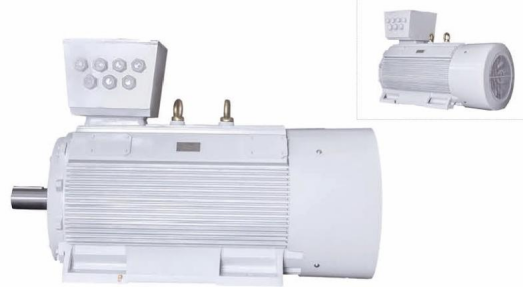
YE3 Series Low Voltage High Power Three-Phase Asynchronous Motor
Shandong Lijiu Electrical Machinery Co., Ltd.

Forest and Grassland Heat Source Infrared Monitor
China Huayun Meteorological Technology Group Co., Ltd.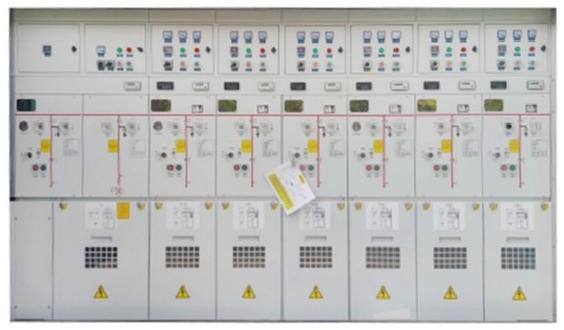
NISELA Series Environmentally Friendly Gas-Insulated Ring Main Unit
XJ DELISHIER ELECTRIC CO., LTD.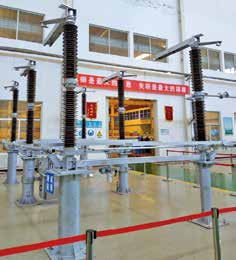
GW4-40.5/72.5/126/145/170/252/363/420 Series Double-column Horizontal Rotary High-voltage AC Disconnect Switch
SHANDONG TAIKAI DISCONNECTORS CO., LTD.
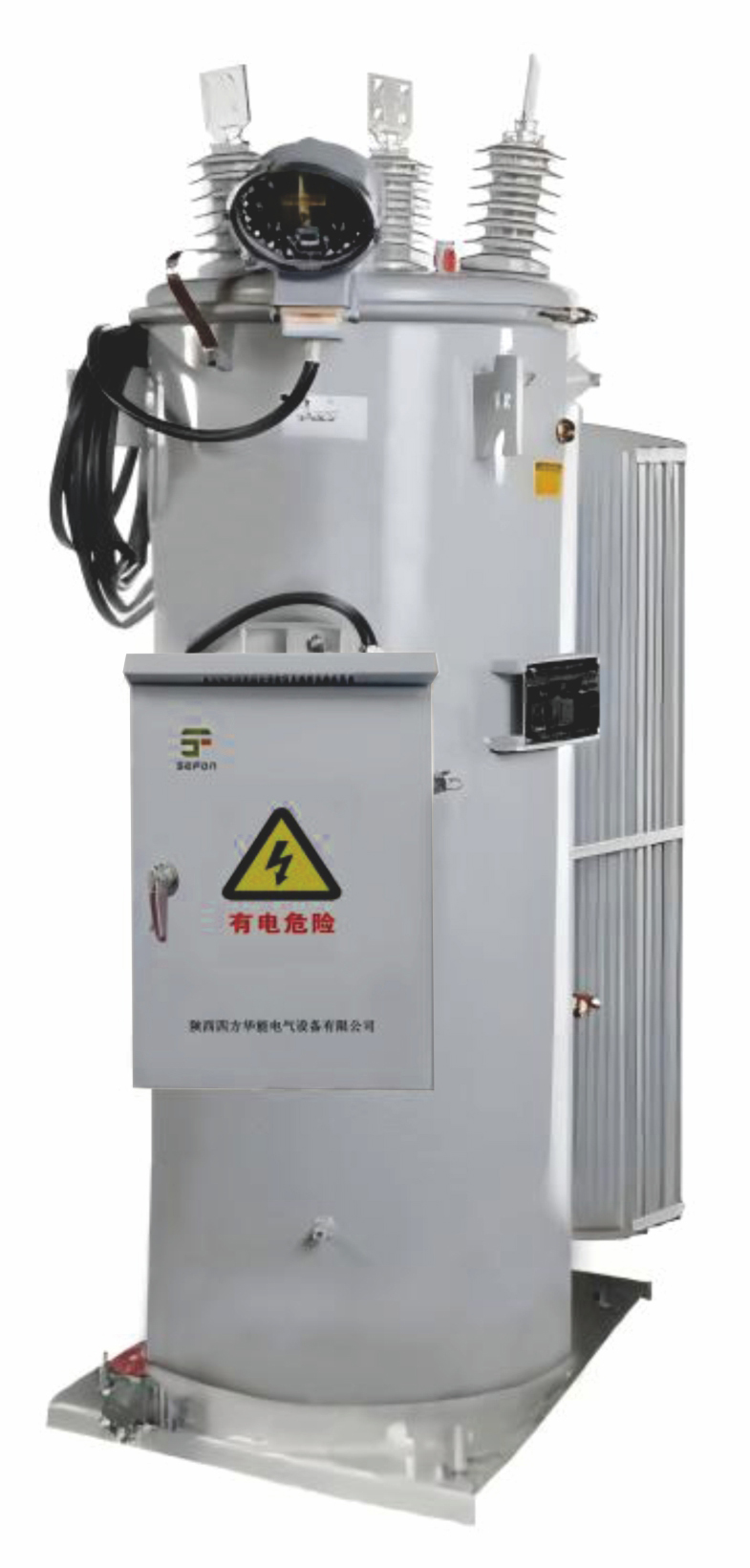
Single-Phase Automatic Voltage Regulator(AVR)
Shaanxi Sefon Electrical Equipment Co.,Ltd.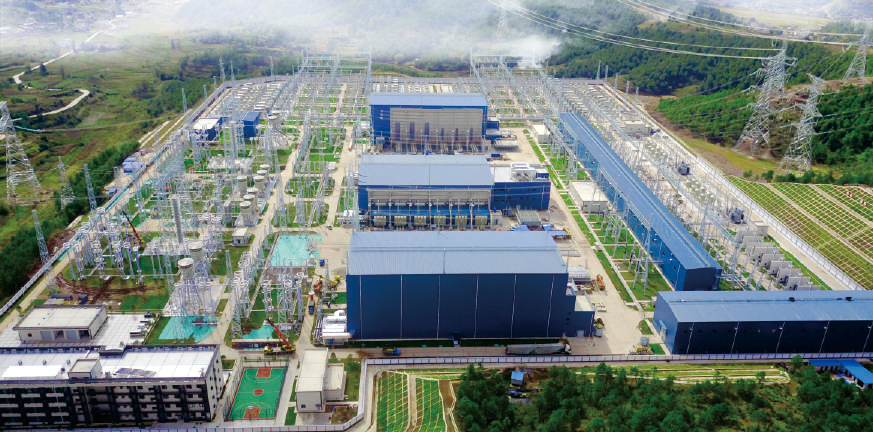
High-voltage Direct Current (HVDC) Transmission System Research and Integrated Design
XI'AN XD POWER SYSTEMS CO., LTD.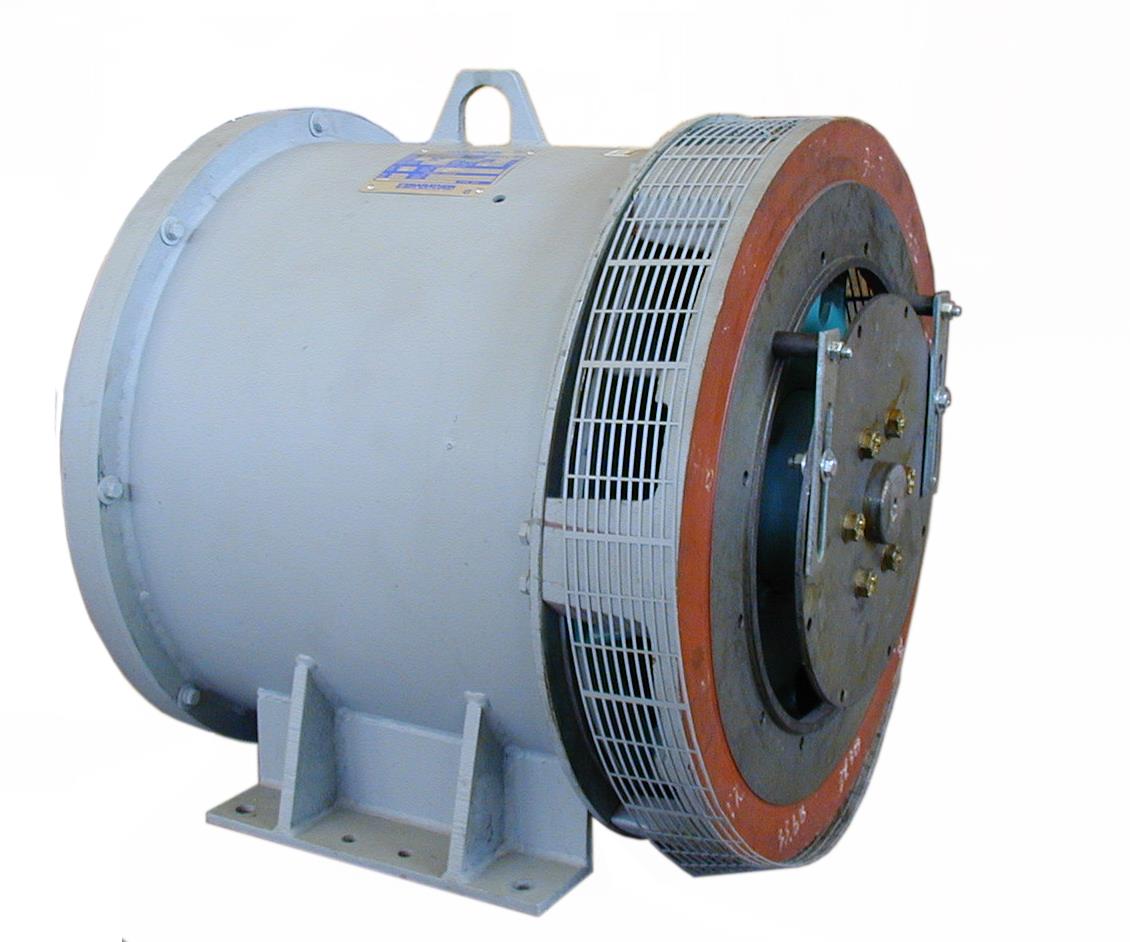

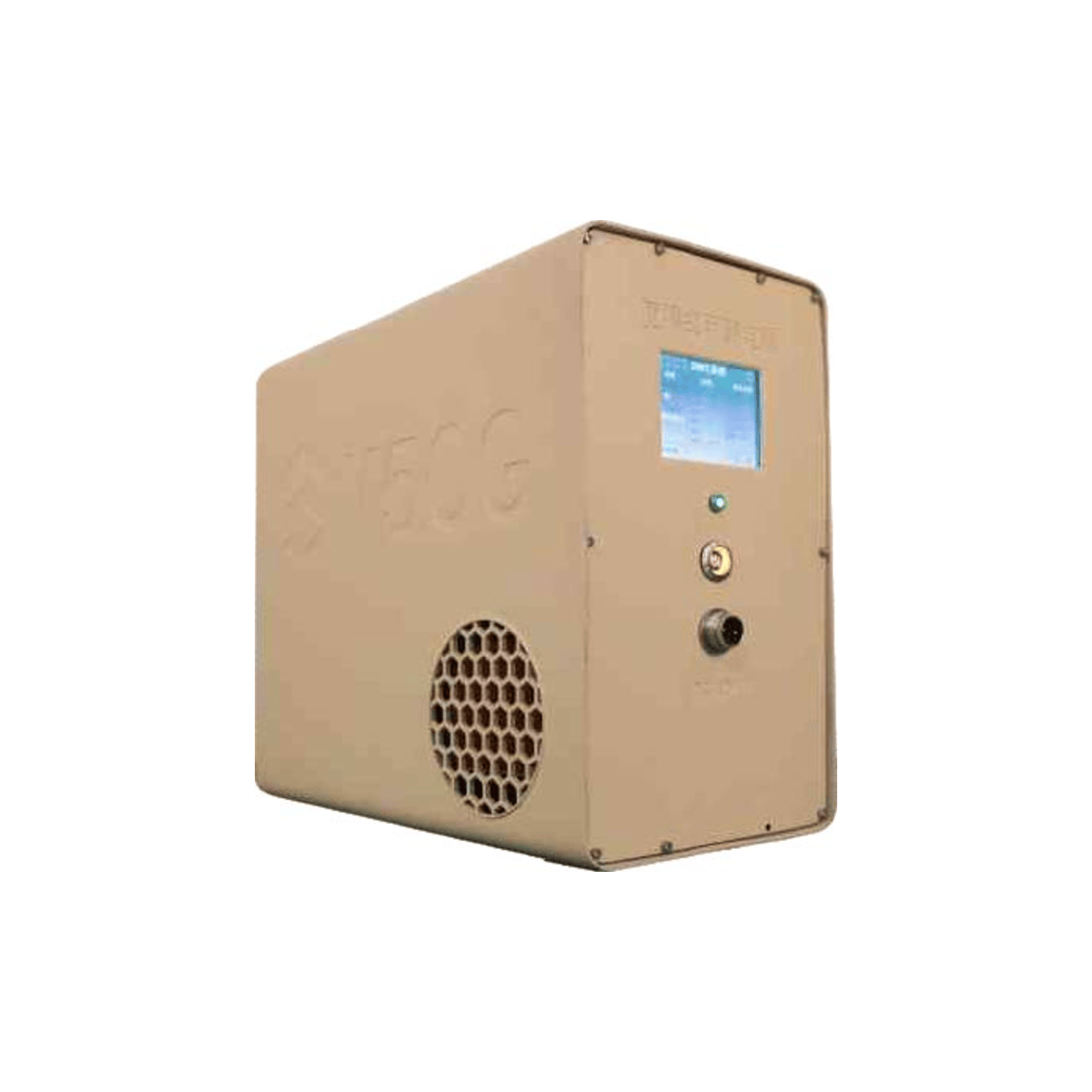
SFC-60 Individual Portable Power Supply, High Specific Energy Methanol Portable Power Supply
Automation Research Institute Co., Ltd. of China South Industries Group Corporation