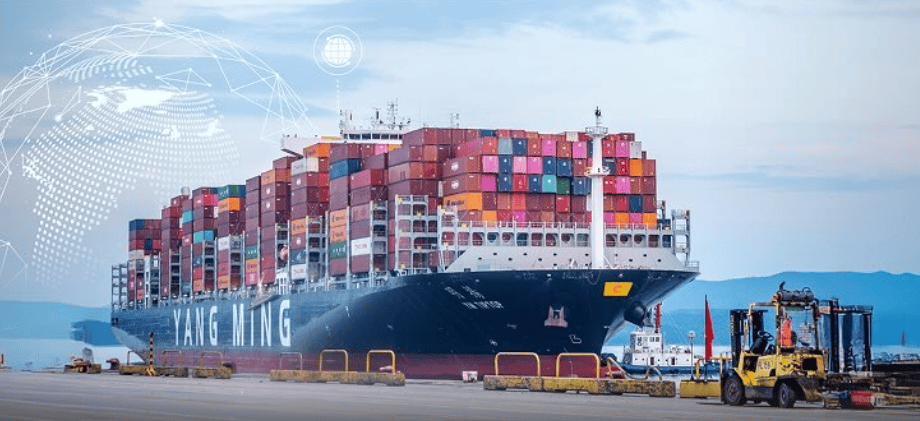
Cape of Good Hope Oil Shipments Rise to 9.4 Million Barrels Per Day in Q2
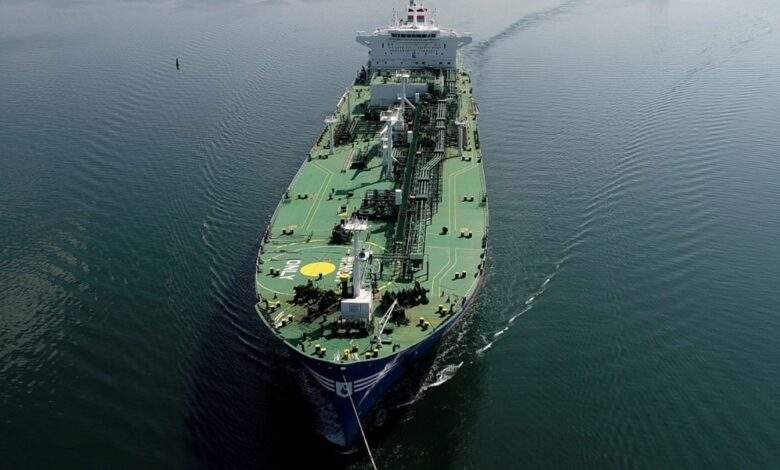
en.Wedoany.com Reported - According to the latest global energy shipping data released by the U.S. Energy Information Administration (EIA) in August, crude oil and petroleum liquids transported via the Cape of Good Hope reached 9.4 million barrels per day in the second quarter of 2026, up 1.2 million barrels per day from 8.2 million barrels per day in the first quarter, an increase of approximately 14.6% quarter-over-quarter. Among this, crude oil and condensate shipments rose from 5.6 million barrels per day to 6.7 million barrels per day, while petroleum products increased from 2.6 million barrels per day to 2.7 million barrels per day.
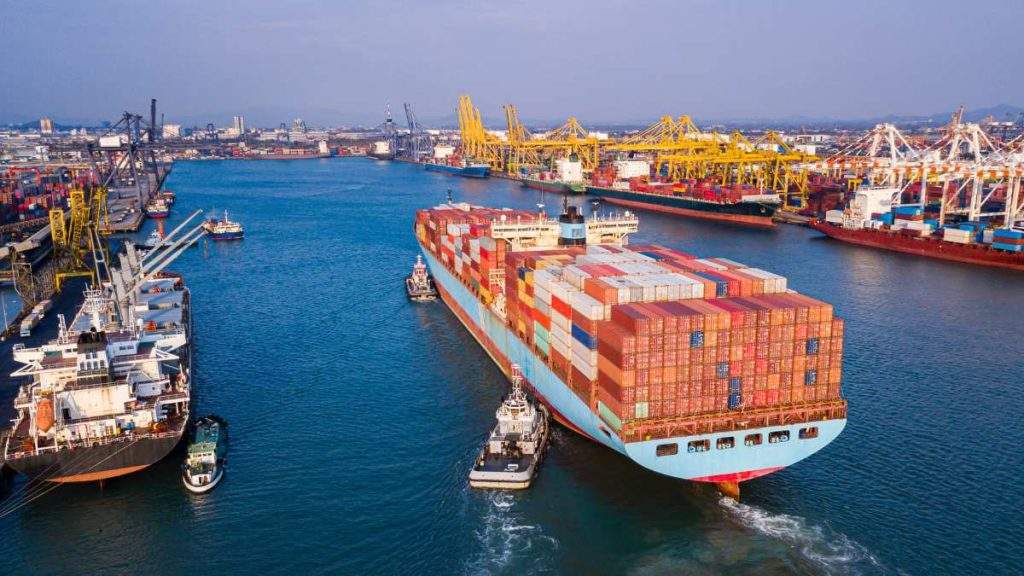
Liquefied natural gas transported via the Cape of Good Hope saw an even larger increase during the same period, rising from 4.8 billion cubic feet per day in the first quarter to 9.7 billion cubic feet per day in the second quarter, more than doubling. LNG shipments via the Cape of Good Hope in the four quarters of 2025 were 4.2 billion, 7.0 billion, 6.3 billion, and 6.0 billion cubic feet per day, respectively, and the 9.7 billion cubic feet per day in the second quarter of 2026 exceeded the levels of the previous five quarters reported by the EIA.
In the second quarter of 2026, major global energy shipping chokepoints experienced a significant redistribution of flows. During the same period, oil shipments through the Strait of Hormuz fell from 14.9 million barrels per day in the first quarter to 4.9 million barrels per day, while those through the Strait of Malacca declined from 21.3 million barrels per day to 16.6 million barrels per day. In contrast, shipments through the Bab el-Mandeb Strait increased from 5.6 million barrels per day to 8.1 million barrels per day. Oil shipments through the Suez Canal and the SUMED pipeline remained largely stable, rising from 5.7 million barrels per day to 5.8 million barrels per day.
The Cape of Good Hope route had already absorbed a large number of vessels diverted from the Red Sea and the Suez Canal. Data from the United Nations Conference on Trade and Development show that by mid-2024, vessel capacity transiting the Suez Canal had fallen by 70% compared to the end of 2023, while vessel capacity arriving via the Cape of Good Hope had increased by 89%. For a large container ship of 20,000 to 24,000 TEU on the Far East–Europe route, sailing around Africa instead of via the Suez Canal incurs an additional emissions cost of approximately $400,000 per voyage under the EU Emissions Trading System alone.
In 2026, the Asia–Europe shipping network also added Arctic route capacity. Sea Legend Shipping has scheduled eight China–Europe Arctic route voyages for the 2026 season, operating between August and October, with a planned voyage of approximately 21 days from Ningbo-Zhoushan to Felixstowe, UK. This route has been previously reported separately by Dimension Network; the new information here focuses on changes in energy shipment volumes via the Cape of Good Hope in the second quarter of 2026.