Ezeiza Airport in Argentina Runway Upgrade from October 25 to November 11 to Restrict Cargo Operations
en.Wedoany.com Reported - Buenos Aires Ezeiza Airport, Argentina's primary air cargo gateway, will undergo runway upgrade works from October 25 to November 11, during which international cargo capacity will be significantly constrained. Local freight forwarders and their clients are already preparing for approximately three weeks of transportation difficulties.

The construction is part of a $100 million infrastructure project, involving the upgrade of secondary runway 17-35 and related works at the intersection with the airport's main runway. During the construction period, the available length of the main runway will be reduced from 3,300 meters to 1,850 meters. According to a cargo executive, this means narrow-body aircraft can still operate, but wide-body operations will face significant restrictions.
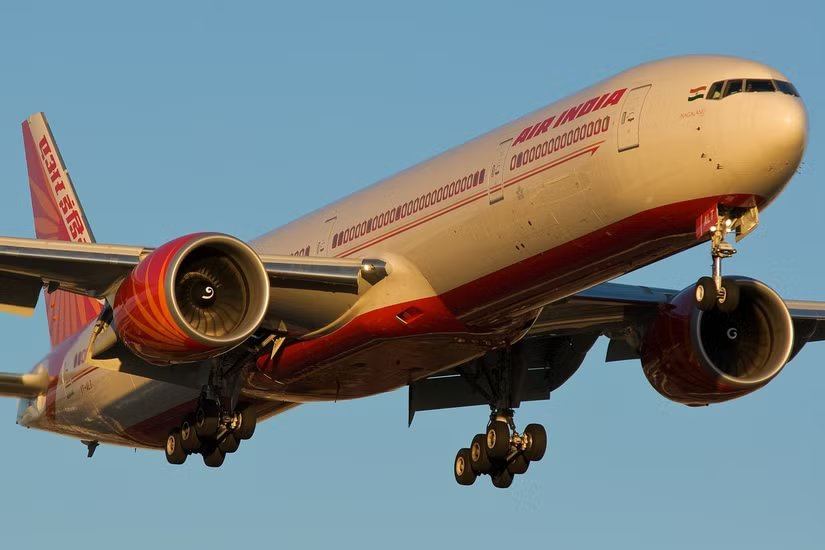
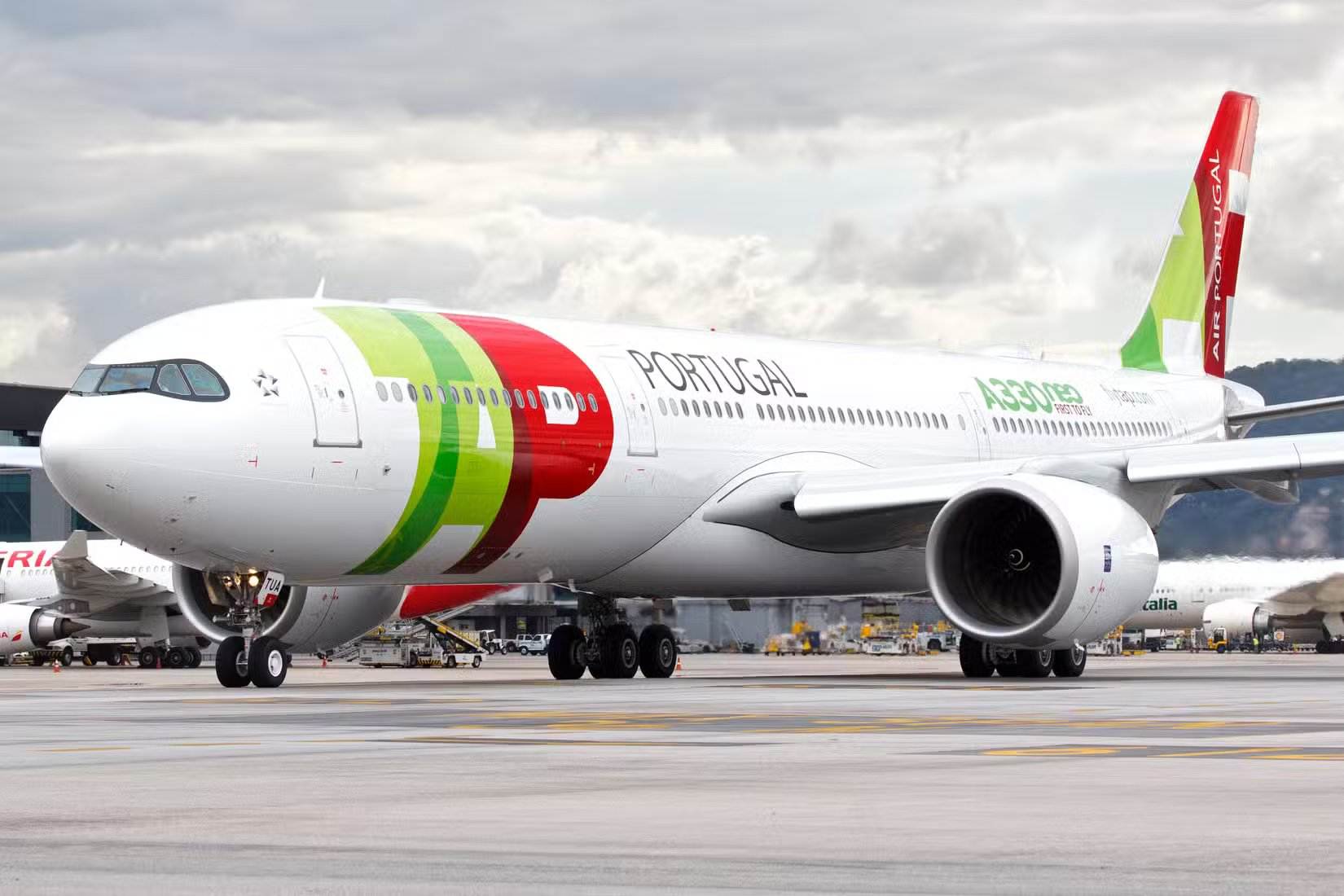
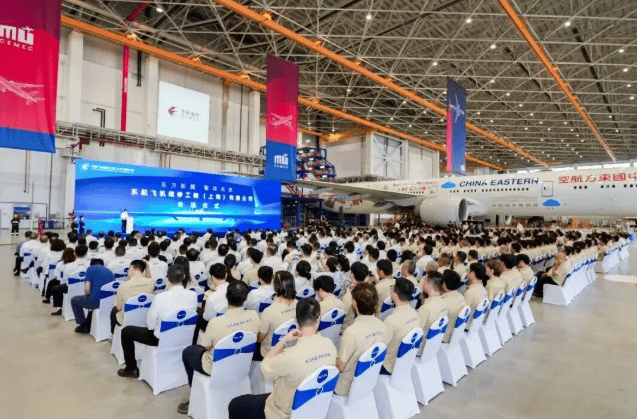
Several international airlines have decided to suspend Buenos Aires routes during this period. Lufthansa has canceled flights between Frankfurt and Buenos Aires, while Swiss has suspended services from Zurich to Buenos Aires. The three major U.S. carriers—American Airlines, Delta Air Lines, and United Airlines—have also stopped selling tickets for Buenos Aires during this period, as have Air Canada, Turkish Airlines, Emirates, Air France KLM, British Airways, Ethiopian Airlines, and China Eastern. The primary reason for the suspension is that the shortened runway does not allow wide-body aircraft to take off at maximum weight.
Some airlines still operating have adjusted their routes. Aerolineas Argentinas plans to make technical stops in Rio de Janeiro for its flights to Rome and Madrid, while Iberia's flights returning to Madrid will be rerouted via Montevideo.
The suspension by the three major U.S. carriers marks another decline in air capacity for this largest market in Latin America. Coinciding with the start of the winter schedule, these airlines are shifting capacity from transatlantic routes to Latin American networks. This summer, passenger capacity on North American routes fell 7.4% year-on-year, while seat capacity on European routes rose 3.8%.
A freight forwarder said the company is exploring multiple alternative options. According to him, when airport operations were previously affected by fog, flights were diverted to Rosario, Córdoba, and Montevideo, but these alternatives also have shortcomings: Rosario, while experiencing air cargo growth driven by e-commerce logistics, has a small market and lacks equipment; Montevideo is constrained by the fact that the ferry connecting the Uruguayan capital with Buenos Aires does not carry trucks.
In mid-August, about two weeks after the airport renovation began, new funding issues emerged. The National Civil Aviation Administration announced at the time that it had not yet secured funding for the communication equipment, vehicles, and tools needed for its staff to carry out control, supervision, and support work for the construction company, and warned that this would pose a risk to personnel hired for the project.
In addition to the runway works, the project includes building an apron for narrow-body aircraft, laying taxiways, completing a 12,000-square-meter express cargo terminal, and expanding the airport's perishable goods export facility, with temperature-controlled space increasing from 4,500 square meters to nearly 7,000 square meters.
Peter Cerdá, IATA's Regional Vice President for the Americas, said that cargo infrastructure development at most airports in the region lags behind cargo throughput growth. Gateway operators in Lima, Bogotá, and Santiago had previously focused on passenger-related projects, to the detriment of cargo development. He also noted that these airports still have room for cargo growth, and beyond building infrastructure, they should enhance their competitive position by reducing operational barriers and optimizing operating conditions.
On the maritime side, Maersk has launched a cold chain service from Chile to the United States, applicable to grapes requiring fumigation and other perishable goods. During this grape season, the company completed a pilot, shipping fruit through the Port of Wilmington to the U.S. Mid-Atlantic and Southeast regions, with fumigation carried out at the port followed by inland transportation. Maersk stated that this model allows importers to access goods faster and reduces transportation costs compared to other routes.
Data from shipping analytics firm Sea-Intelligence Maritime Analysis shows that schedule reliability on South America-to-North America routes has declined after several months of improvement. Its August Global Liner Performance report shows that schedule reliability in June/July fell 8.3 percentage points month-on-month to 75.4%, down 11.3% from the same period last year. The average delay for all vessels increased by 0.79 days from the previous month to 1.3 days; the average delay for late-arriving vessels increased by 1.11 days to 5.22 days.
This is the first monthly decline in schedule reliability this year. Previously, despite a slowdown in the pace of improvement since March/April, overall reliability had continued to recover. Four container shipping companies in the industry improved their reliability, while the other four saw declines. Southbound schedule reliability fell 2.5 percentage points from May/June to 84.5%, though it remained 3.2% higher year-on-year.
Related Products


Pantograph-Catenary Comprehensive Detection Device (1C)
CHENGDU TANGYUAN ELECTRIC CO., LTD.


Explosion-proof lithium battery dispatching monorail crane locomotive (permanent magnet frequency conversion integrated machine)
Xiangtan Hengxin Industrial Co., Ltd.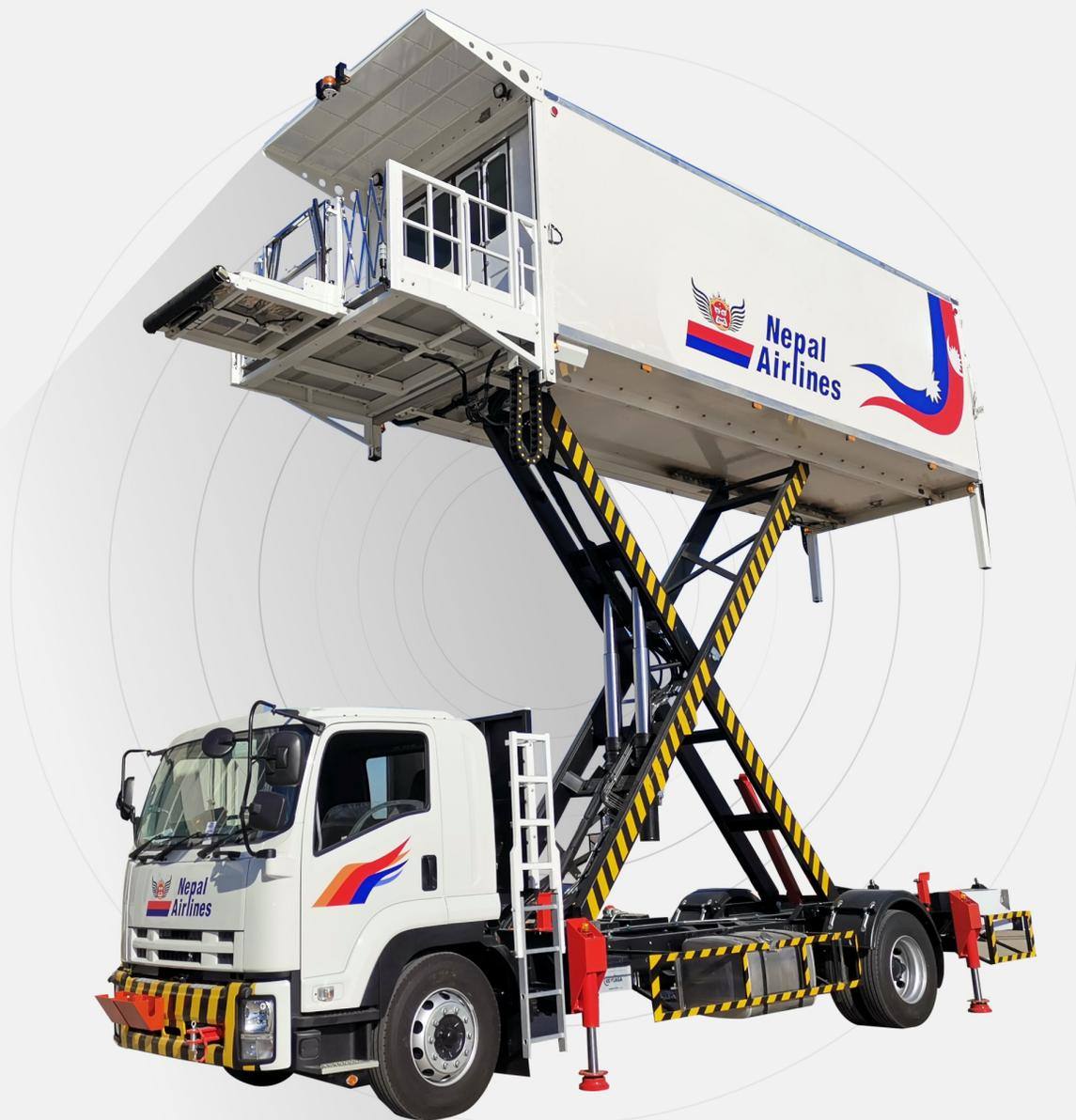
XC-6000e Type Aviation Catering Truck (Fuel Type)
Shenzhen CIMC-TianDa Airport Support Ltd.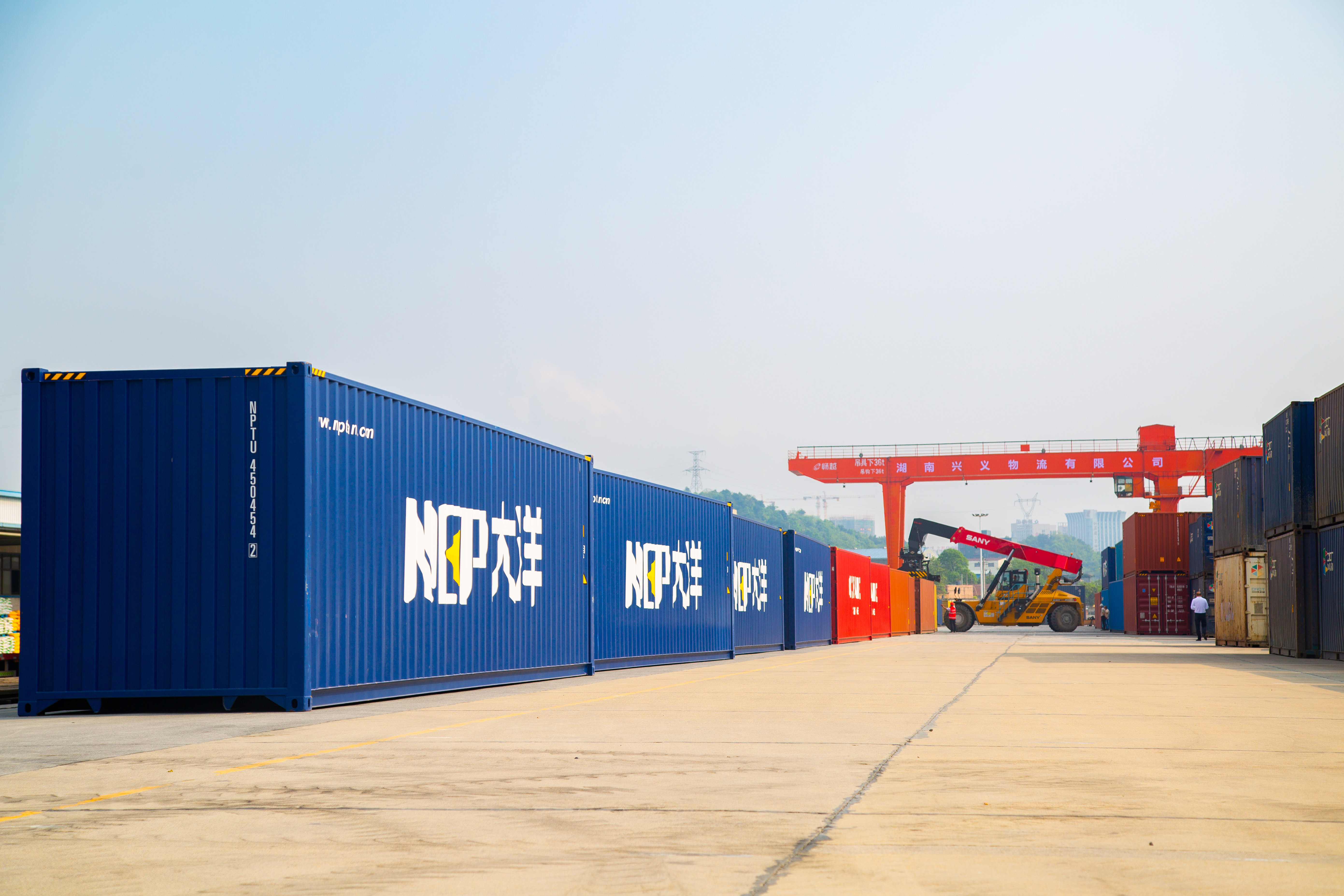
China - Alashankou/Khorgos - Europe Full Range Transportation (Mala/Hamburg/Duisburg/Budapest, etc.)
Shenzhen Neptune Logistics Co., Ltd.


ERW Welded Pipe (Black Pipe and Hot-dip Galvanized Steel Pipe)
Handan Zhengda Steel Pipe Co., Ltd.
Wheel and Track Technology Business
Beijing Research & Design Institute of Rubber Industry Co., Ltd.