China's cumulative installed solar PV capacity reaches 1.286 TW by end of July, surpassing coal power for the first time to become the largest power source
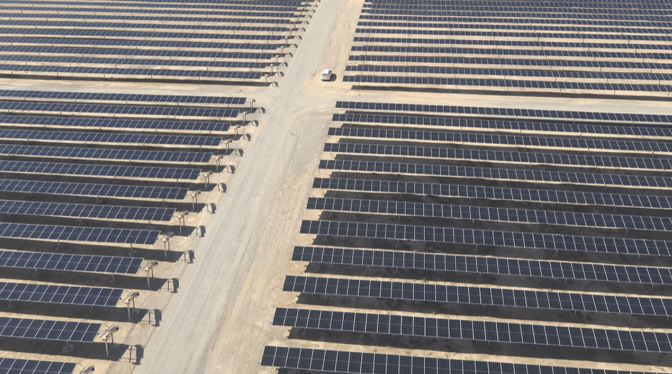
en.Wedoany.com Reported - Data released by the National Energy Administration (NEA) on September 1 shows that China's cumulative installed solar PV capacity has surpassed coal power for the first time, becoming the largest power source by installed capacity nationwide. By the end of July, cumulative installed PV capacity stood at 1.286 terawatts (TW), slightly above coal power's 1.285 TW.
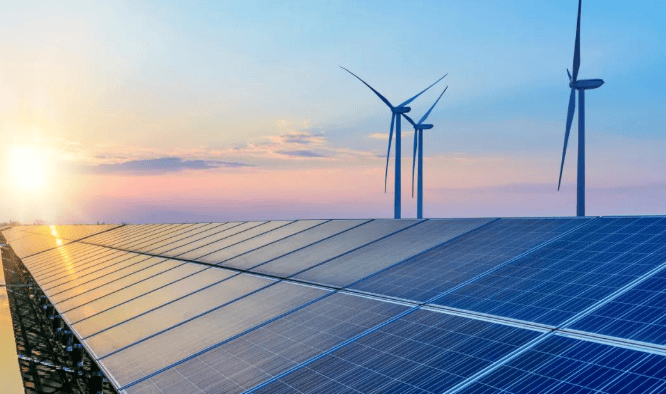
Solar installed capacity accounts for 31.5% of China's total installed power capacity, with utility-scale PV at 704 gigawatts (GW) and distributed PV at 582 GW. The country's total installed power capacity stood at 4.078 TW during the same period. Among other power sources, wind power reached 687.2 GW, hydropower 455.5 GW, and nuclear power 66.14 GW; the latest separately listed figure for biomass energy was 47.91 GW (as of the end of June); and total thermal power installed capacity, including gas and other sources, stood at 1.581 TW.
The NEA stated that PV's surpassing of coal power ends a roughly century-long history in which coal held the position as China's largest installed power source. Two milestones had already been reached earlier: in 2023, total renewable energy installed capacity surpassed coal power, and in 2025, combined wind and solar installed capacity exceeded thermal power. This ranking only reflects cumulative installed capacity and does not represent rankings by electricity generation.
In terms of electricity generation, coal power remains the largest source of electricity. In the first seven months of 2026, China's solar power generation reached 802.4 terawatt-hours (TWh), up 15.5% year-on-year, equivalent to about 13% of the country's total electricity consumption. In the first half of the year, coal-fired power plants generated approximately 2.5 petawatt-hours (PWh), accounting for 49.7% of total power generation.
Liu Zhiqiang, deputy director of the Planning and Development Department of the China Electricity Council (CEC), said this is an important milestone in China's green and low-carbon energy transition. However, he cautioned that solar power is intermittent and has relatively low utilization hours, and that coal will remain an important pillar of the power system in the short term.
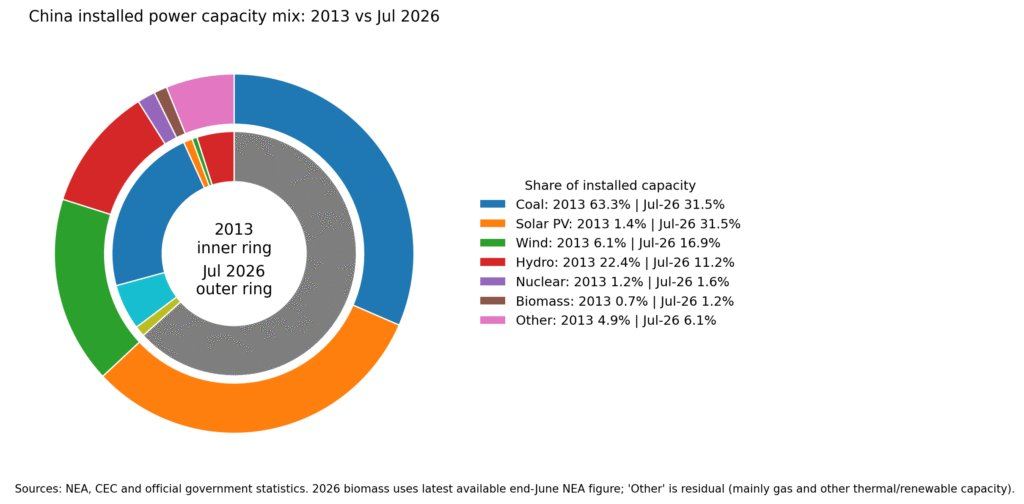
According to later revised data from the NEA, by the end of 2013, China's cumulative installed PV capacity was only 17.45 GW, while coal power installed capacity was approximately 790 GW, accounting for 63% of the country's total installed power capacity, with solar accounting for about 1.4%. During the same period, hydropower stood at approximately 280 GW, wind power at 75.5 GW, and nuclear power at 14.6 GW.
PV installed capacity has since expanded steadily: reaching 77.4 GW in 2016, surpassing 130 GW in 2017, and reaching 250 GW in 2020. After the carbon neutrality commitment was made in 2020, installed capacity growth accelerated notably, rising to 392 GW in 2022, 609 GW in 2023, 887 GW in 2024, and approaching 1.2 TW by the end of 2025. Over more than a decade, China's cumulative installed PV capacity has expanded nearly 74-fold.
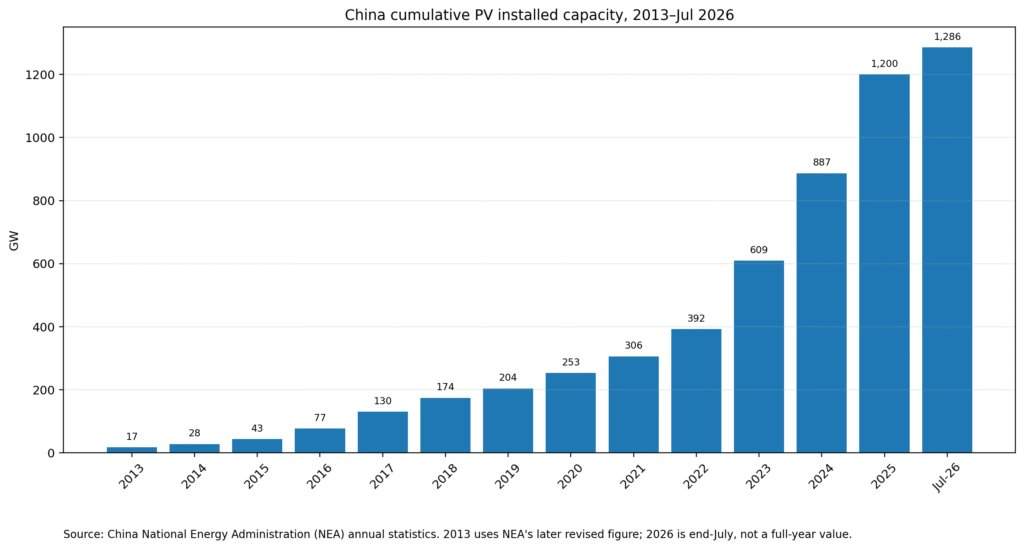
This installed capacity also holds a significant share globally. The International Renewable Energy Agency (IRENA) estimates that global solar installed capacity reached approximately 2.4 TW by the end of 2025, with China's approximately 1.2 TW close to half of the global total. In 2025, solar accounted for about three-quarters of newly installed renewable energy capacity worldwide.
However, China's solar PV industry has arrived at this milestone amid a period of deep adjustment. In the first half of 2026, newly installed PV capacity nationwide was approximately 71.8 GW, down about 66% from 212.2 GW in the same period of 2025. The year-earlier base included a rush to install projects ahead of the transition of the electricity pricing mechanism to a market-based system, while developers also face stricter grid-connection conditions and weaker project economics.
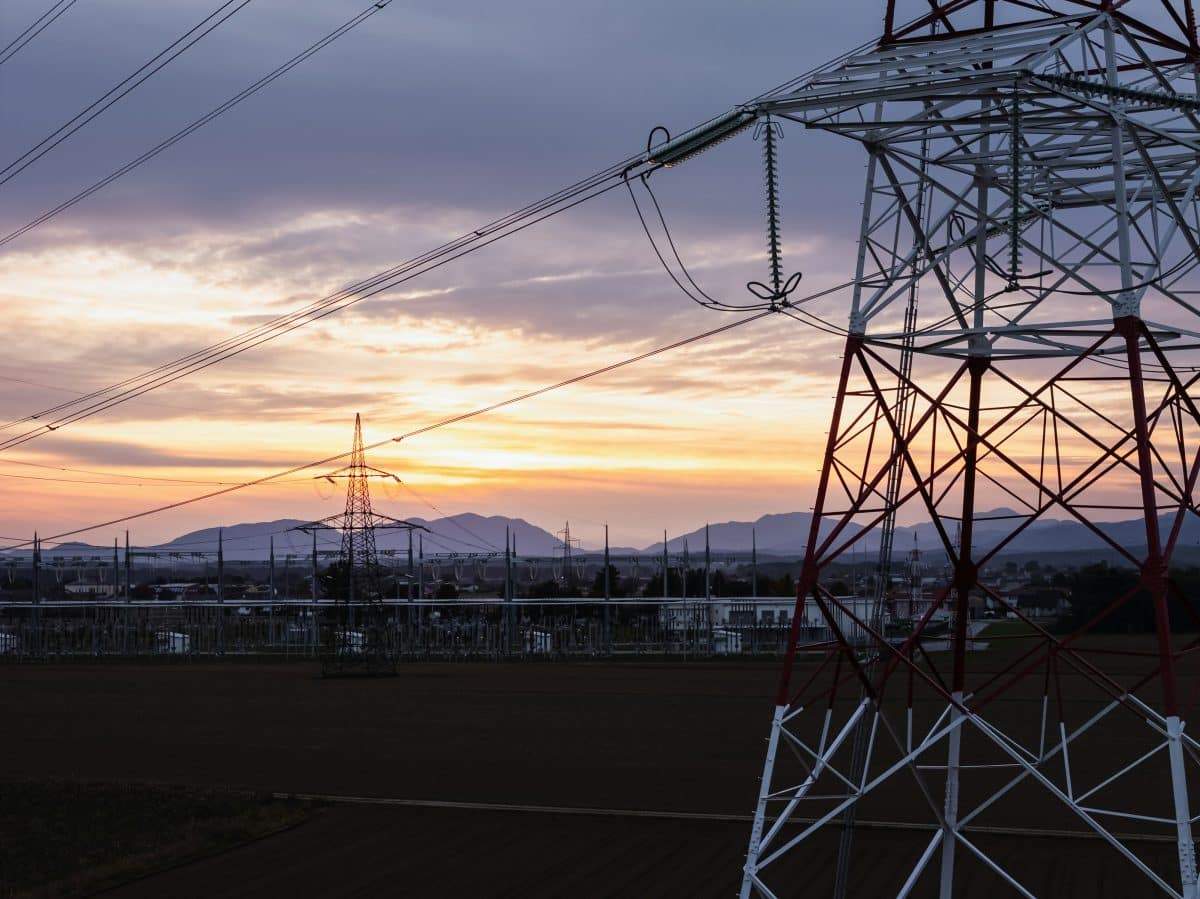
Pressure on grid integration and consumption is rising. The average utilization rate of PV power generation nationwide fell from 94% in the same period last year to 91.4% in the first half of this year, placing higher demands on new transmission corridors, energy storage facilities, more flexible generation methods, and electricity market mechanisms.
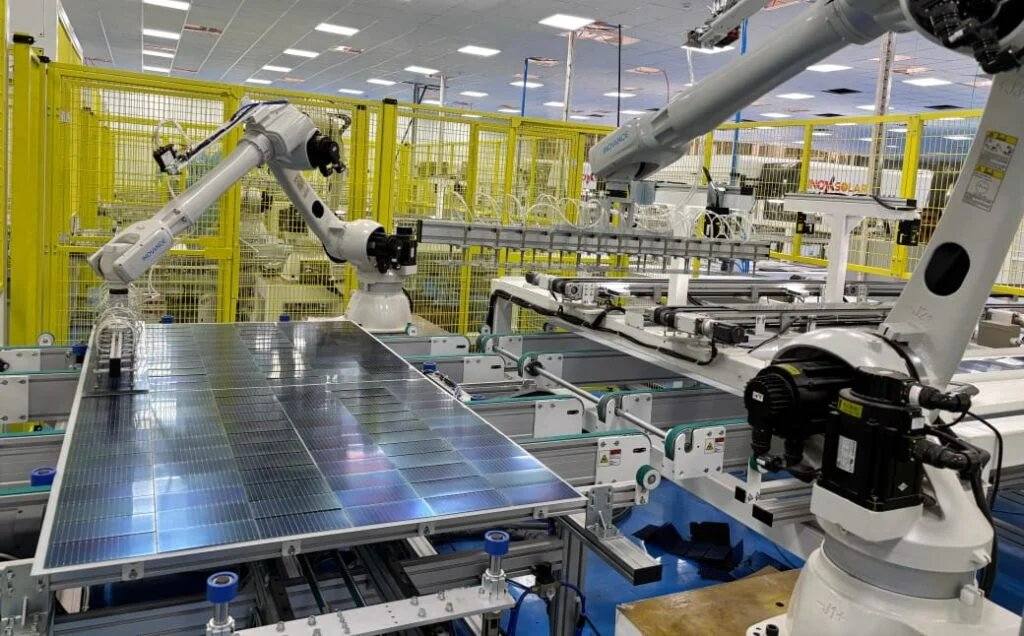
Adjustments in the manufacturing segment are also ongoing. According to data from the China Photovoltaic Industry Association, domestic polysilicon output fell 9.8% year-on-year in the first half of the year, while PV module output declined 35.1% year-on-year. Wang Bohua, former secretary-general of the association, said the industry is in a stage of "deep adjustment," but he also noted that the slowdown in installation pace means the industry is returning to a more sustainable growth rhythm after abnormal growth in 2025.
The CEC believes that wind and solar power have not yet effectively replaced conventional generation during critical periods, making energy storage, grid-forming technologies, stronger transmission networks, and more flexible electricity markets increasingly important. With solar installed capacity surpassing coal power, the next task for China's power system is to convert large-scale renewable energy installed capacity into reliable electricity supply.
Related Products

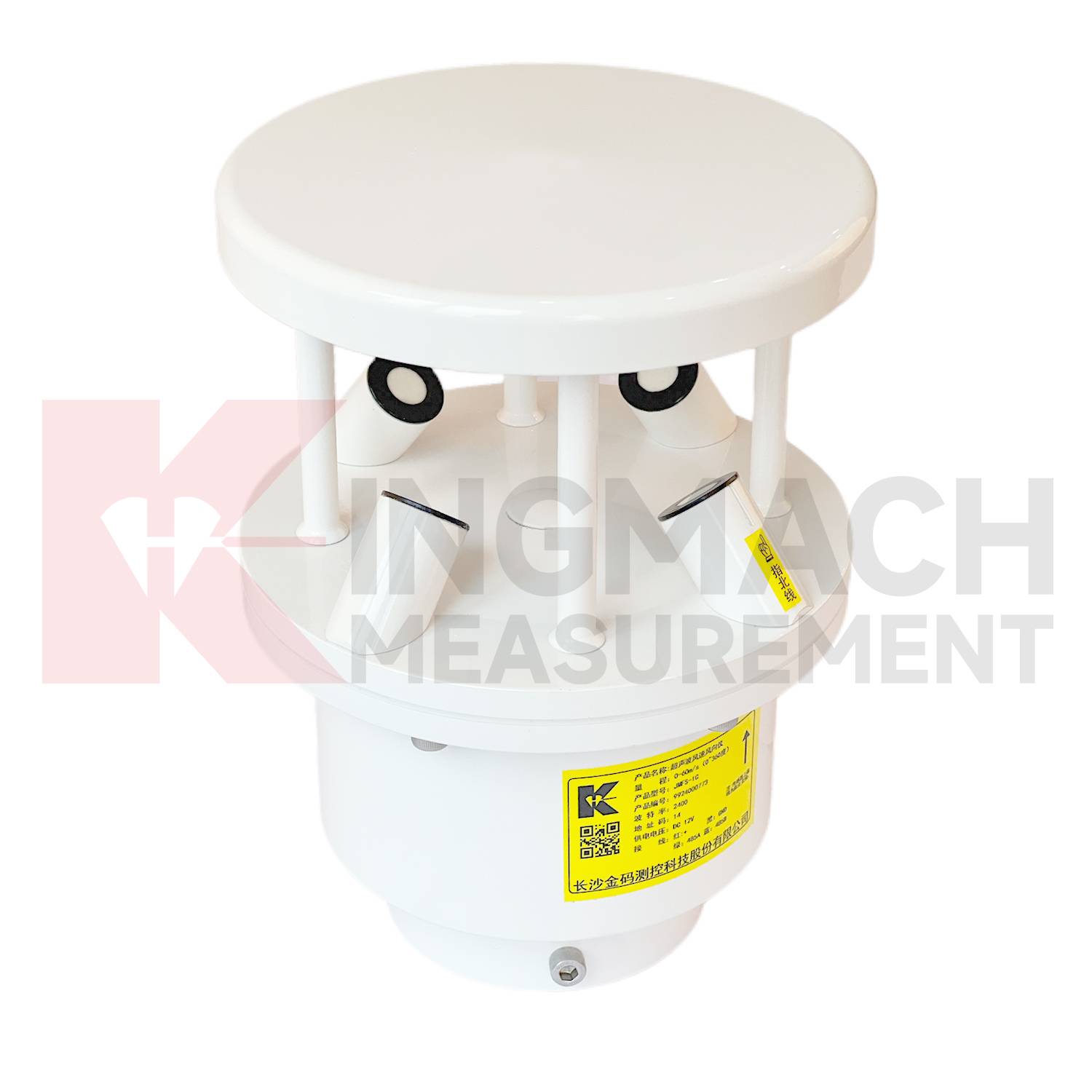
Ultrasonic Wind Speed and Direction Instrument
Kingmach Measurement & Monitoring Technology Co., Ltd.
NISELA Series Environmentally Friendly Gas-Insulated Ring Main Unit
XJ DELISHIER ELECTRIC CO., LTD.
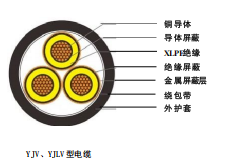
Rated Voltage 6-35kV Cross-linked Polyethylene Insulated Power Cable
TONGDING INTERCONNECTION INFORMATION CO., LTD.