U.S. Releases Final Environmental Impact Statement for North Plains Connector 3,000 MW Transmission Project
en.Wedoany.com Reported - The U.S. Department of Energy (DOE) and the Montana Department of Environmental Quality (MTDEQ) have issued the Final Environmental Impact Statement (FEIS) for the North Plains Connector transmission project. The proposed project involves constructing a new interstate transmission line between Montana and North Dakota.
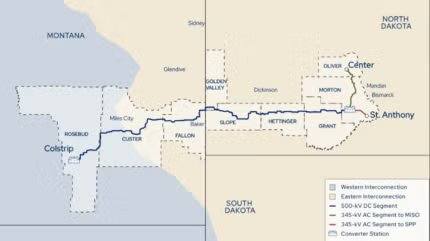
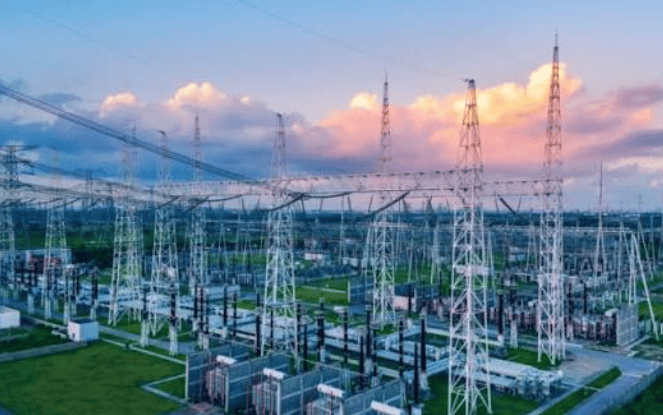
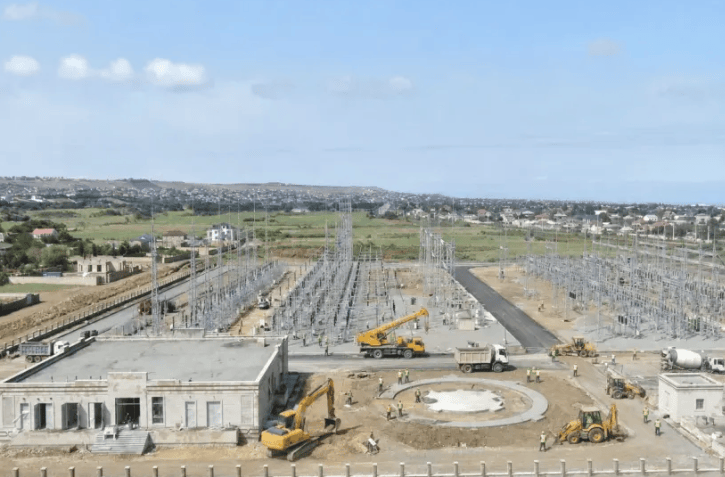
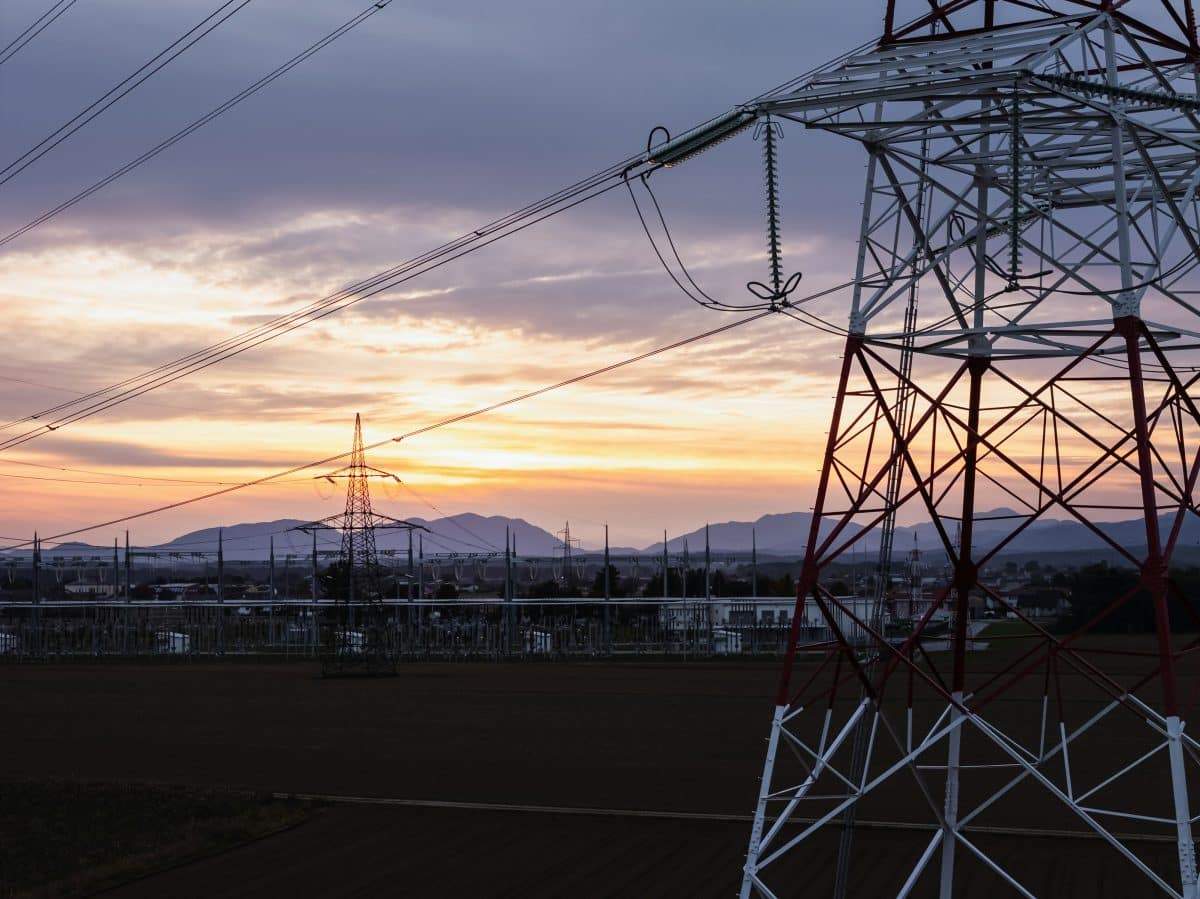
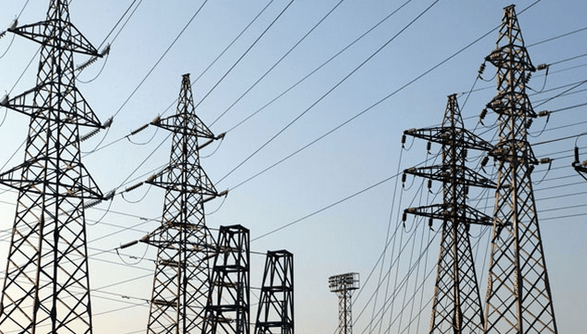
The proposed line would span approximately 422 miles, with a voltage rating of 525 kV, designed as a high-voltage direct current (HVDC) overhead transmission line, routed between Colstrip, Montana, and North Dakota, with a bidirectional transmission capacity of 3,000 MW. Upon completion, the line would cross the boundary between the two major synchronous grid regions of the Western and Eastern United States, creating a high-capacity transmission corridor between the previously separate interconnected grids.
In January 2026, the draft environmental impact statement for the project was released for public review, followed by a 45-day public comment period. The final environmental impact statement incorporates comments received during this period and reflects adjustments to the proposed route and construction plans made by the project developer during the environmental review process.
From a regional power system operational perspective, once completed, the interconnection would enable bidirectional power transfers between the Western and Eastern Interconnections, depending on changes in generation and load demand. During periods of peak demand or supply disruptions, this corridor would provide an additional source of flexibility for the system and enhance access to generation resources on both sides of the interconnection.
Catherine Jereza, Assistant Secretary for the Office of Electricity at the U.S. Department of Energy, stated that connecting the Eastern and Western U.S. grids is a critical step toward ensuring long-term energy affordability and reliability for millions of Americans.
This final environmental impact statement does not in itself constitute final approval for construction of the transmission line, but rather represents a component of the federal and state environmental review process. The review findings will inform subsequent federal and state project decisions; further refinements to the route and construction plans may be required before the project advances to development.
Related Products

GW4-40.5/72.5/126/145/170/252/363/420 Series Double-column Horizontal Rotary High-voltage AC Disconnect Switch
SHANDONG TAIKAI DISCONNECTORS CO., LTD.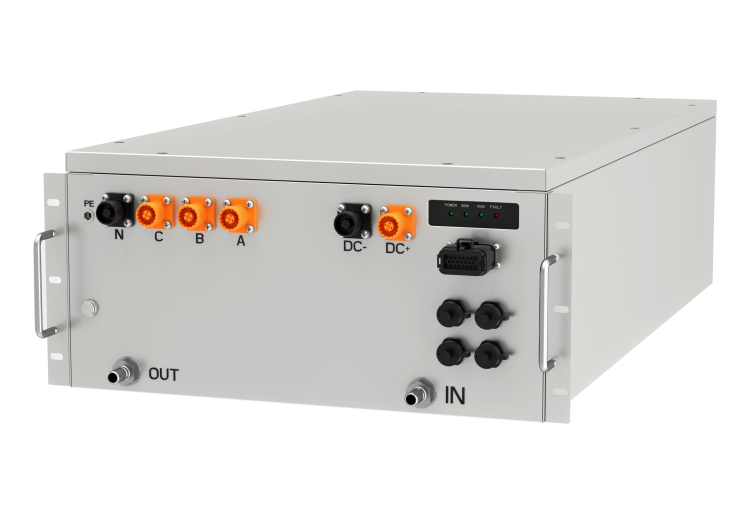
Mars (Liquid Cooling) Series Industrial and Commercial Energy Storage Converter High Protection Module
Shenzhen Winline Technology Co., Ltd.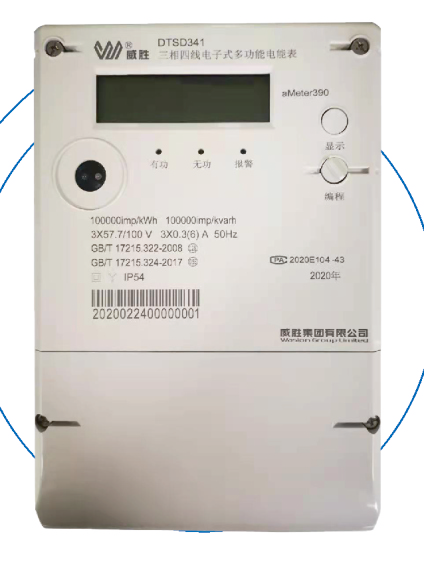
Overseas IEC Gateway Energy Meter - DTSD341/DSSD331-aMeter390
Wasion Group Limited Co., Ltd.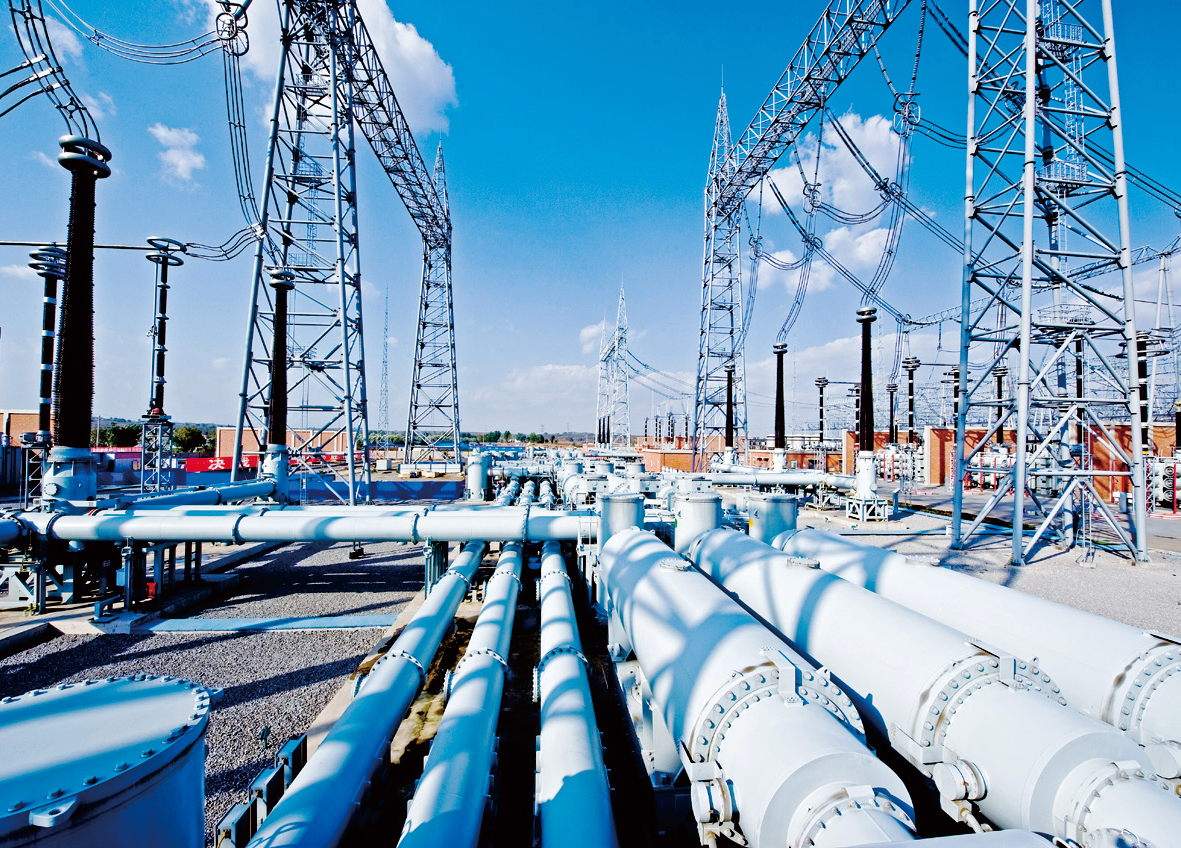
40.5kV-1100kV Gas Insulated Metal-Enclosed Switchgear (GIS)
Henan Pinggao Electric Co., Ltd.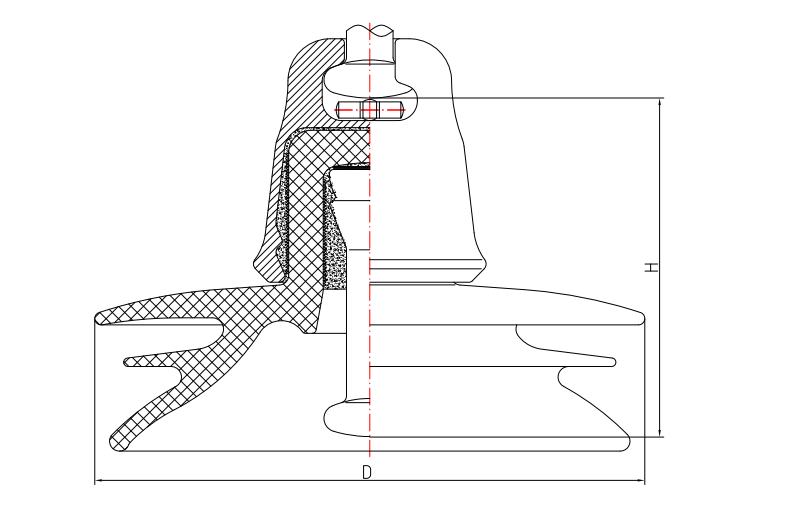
Post-type AC Pollution-resistant Disc Suspension Porcelain Insulator (Triple Umbrella Type)
Shandong High Voltage Insulator Co., Ltd.

NISELA Series Environmentally Friendly Gas-Insulated Ring Main Unit
XJ DELISHIER ELECTRIC CO., LTD.