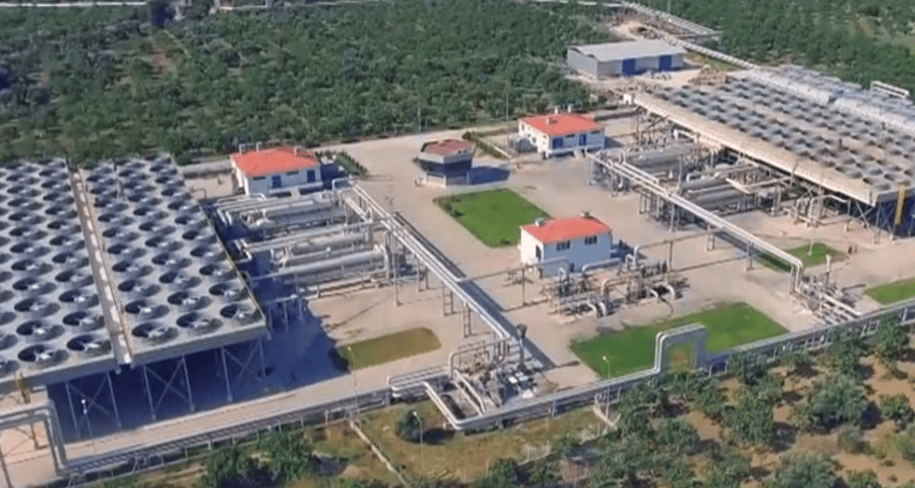
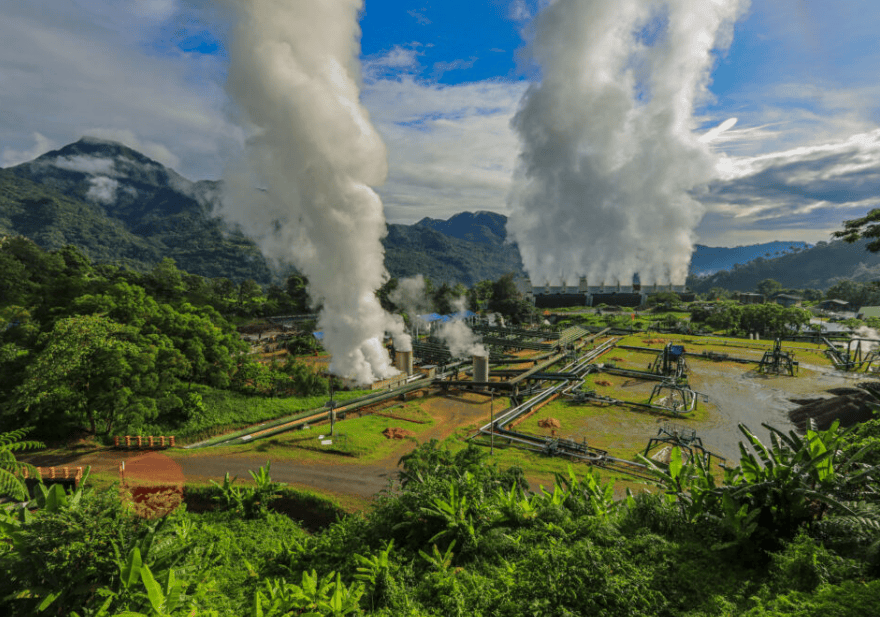
India Advances 10.6GW Geothermal Resource Development, First 1MW Demonstration Project Enters Downhole Evaluation Stage
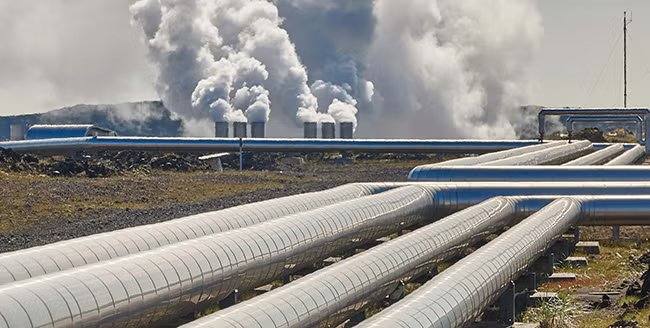
en.Wedoany.com Reported - On September 7, India continued advancing geothermal resource development under its National Geothermal Energy Policy, shifting focus from resource surveys to field demonstrations and engineering validation. The Geological Survey of India has delineated 10 geothermal provinces, 381 hot spring sites, and 42 key geothermal manifestation areas nationwide, with a theoretical geothermal resource potential of approximately 10.6GW. Currently, the Ministry of New and Renewable Energy has supported a batch of demonstration projects covering geothermal power generation, oil and gas well retrofitting, solar-geothermal hybrid utilization, and cooling and heating applications.

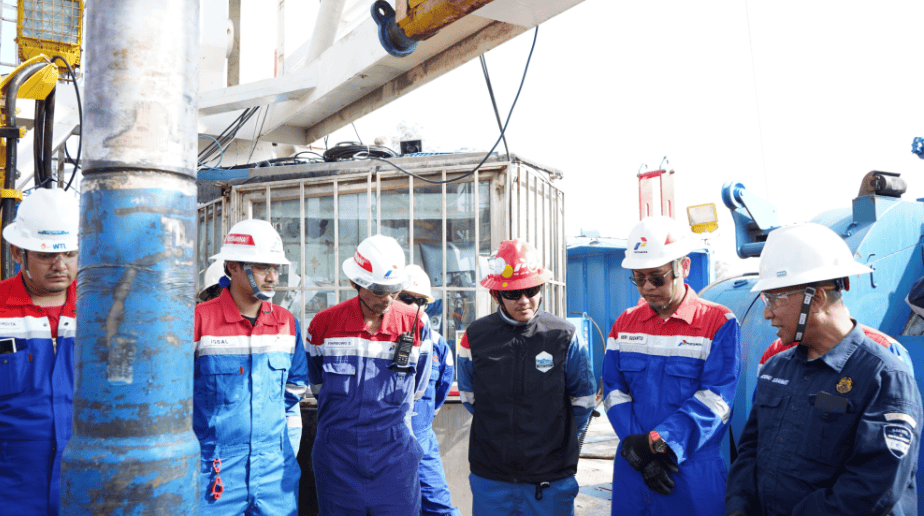
Among these, the Puga Valley geothermal project in the Ladakh region has become India's most representative engineering milestone to date. In July 2026, the Energy Center of Oil and Natural Gas Corporation Limited completed the commissioning of India's first two geothermal wells in Puga Valley at an elevation exceeding 14,000 feet, with both wells reaching depths of approximately 1,000 meters. Downhole testing will be used to evaluate geothermal reservoir temperature, pressure, and productivity conditions, and will provide baseline data for India's first 1MW geothermal demonstration power plant. This project signifies that India's geothermal development has transitioned from resource reconnaissance to actual drilling and reservoir evaluation.
The Ministry of New and Renewable Energy also approved 5 geothermal R&D and demonstration projects between July and August 2025. The Ankleshwar project in Gujarat is assessing the feasibility of retrofitting low-yield or decommissioned oil and gas wells for geothermal power generation, with field surveys and baseline geological and production data collection now completed; the Gandhinagar solar-geothermal hybrid demonstration project has drilled 3 geothermal wells, producing geothermal fluids at temperatures of approximately 70–80 degrees Celsius, and has achieved 50–90 kilowatts of verified power generation.
In the Tawang region of Arunachal Pradesh in northeastern India, relevant agencies are conducting field surveys and geochemical analyses at 5 geothermal sites to further determine the scale of developable resources; Hyderabad is advancing research on geothermal cooling systems, while another project is developing shallow geothermal heating and cooling technologies using borehole heat exchangers. Together with the Puga Valley demonstration project, these initiatives form India's current technological chain for the geothermal industry, spanning resource reconnaissance, drilling validation, and end-use applications.
India formally implemented the National Geothermal Energy Policy in September 2025. The policy covers resource exploration, drilling, reservoir management, power generation, and direct thermal utilization, and proposes the establishment of a national geothermal database, demonstration projects, and technology R&D centers, while encouraging participation from both public sector entities and private capital. India has also established geothermal technology cooperation mechanisms with countries including Australia, Iceland, and Saudi Arabia, focusing on drilling, reservoir evaluation, technology transfer, and joint R&D.
India has not yet developed commercial-scale geothermal power generation capacity, but 10.6GW of theoretical resources, 42 key areas, two kilometer-deep geothermal wells in Puga Valley, and the 1MW demonstration power plant have already formed the primary foundation for the next phase of engineering development. The subsequent results of the Puga Valley reservoir evaluation and the construction progress of the 1MW demonstration project will directly determine whether India's high-temperature geothermal resources can further transition into large-scale development.
Related Products
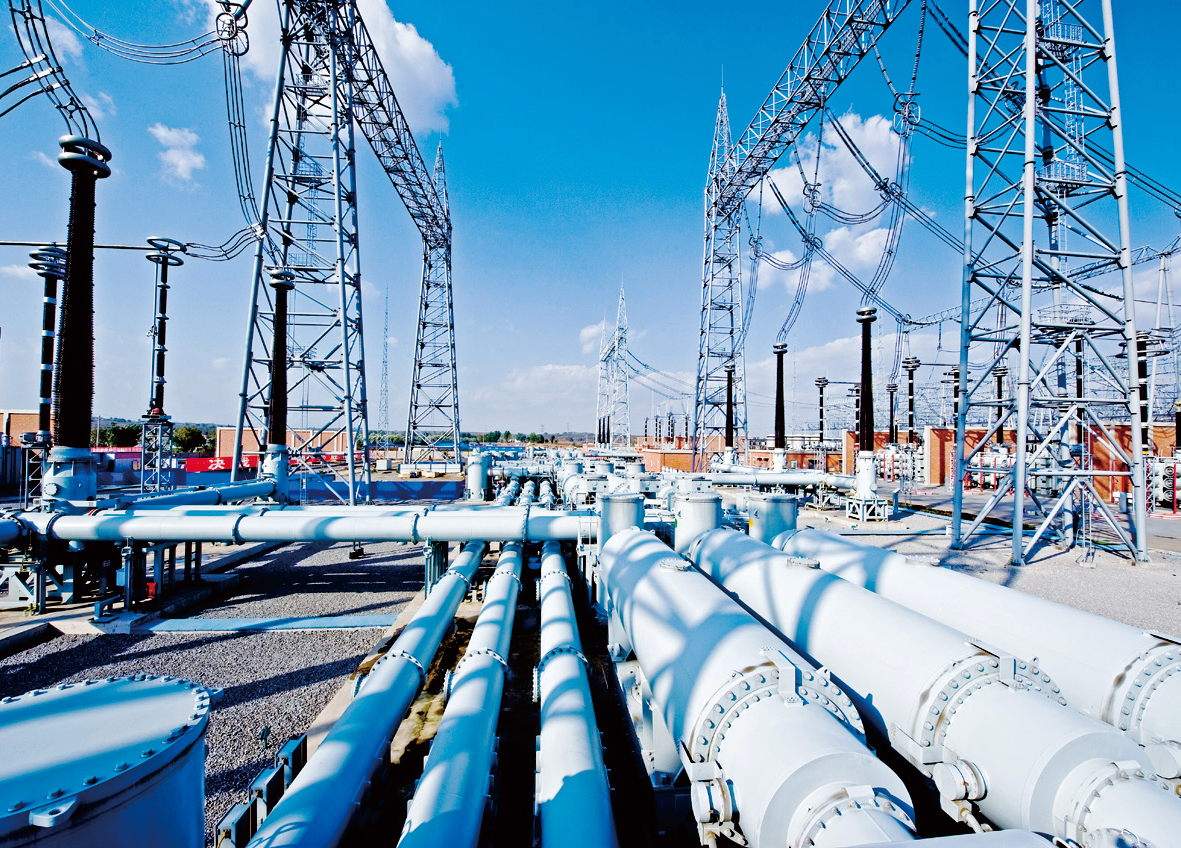

40.5kV-1100kV Gas Insulated Metal-Enclosed Switchgear (GIS)
Henan Pinggao Electric Co., Ltd.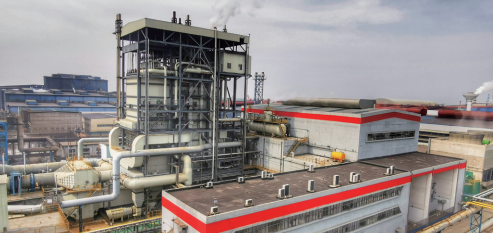
Jiujiang Pinggang 125MW Subcritical Gas Power Generation Project
Capital Engineering & Research Incorporation Limited
Optional Accessory - Auxiliary Sampling Module
Beijing Soaring Electric Technology Co., Ltd.
Inductive Power Harvesting Self-Powered Device - Safuneng
SELF ENERGY TECHNOLOGY (SHENZHEN) CO., LTD.
5012kWh DC Energy Storage System TD-EES-5012kWh
Suzhou Tongding Xindong Energy Storage Technology Co., Ltd.