DNV Research: North Sea Offshore Wind Costs Could Fall by Up to 28% by 2050
en.Wedoany.com Reported - On September 8, DNV released the results of a joint study on industrialization and standardization of North Sea offshore wind. The study estimates that under a scenario of continuously expanding project deployment scale and extending the production cycle of existing wind turbine platforms, the average full-lifecycle levelized cost of energy (LCoE) for North Sea offshore wind could fall by up to 28% by 2050; by 2035, the reduction under the same high-deployment scenario is approximately 19%. The study uses approximately 15 MW turbines and monopile foundations as the reference platform, with an assessment period from 2025 to 2050.
DNV set up three deployment scenarios. Under conditions of maintaining moderate market growth and a shorter production cycle for existing wind turbine platforms, LCoE is expected to decline by approximately 5% by 2035; under the same market growth conditions but with an extended platform production cycle, the reduction expands to approximately 14% by 2035 and reaches approximately 25% by 2050; under the highest-output scenario of continuously expanding offshore wind deployment scale, the reductions by 2035 and 2050 reach approximately 19% and 28%, respectively. The study does not identify 15 MW as the optimal turbine capacity, nor does it limit the future development of larger-capacity models.
The cost reductions primarily stem from lower capital expenditure, with turbine equipment and project development costs accounting for the major share, while installation and foundation structure costs also contribute further reductions. The study also calculates the cost changes resulting from extending the production cycle of existing wind turbine platforms, improving supply chain capacity utilization, and standardizing design interfaces. DNV believes that Europe's existing supply capacity can generally meet near-term production demand for approximately 15 MW-class turbines; under the highest deployment scenario, port capacity will become a constraining factor, and offshore installation capacity will also approach its ceiling, requiring additional port and installation resources.
The joint industrial project was launched in September 2025. In its preliminary research, DNV identified a hub height of 170 meters, an installation vessel leg-to-hook height of 270 meters, a maximum lifting weight of 1,500 tons for rotor and nacelle components, a maximum monopile weight of 2,500 tons, and a maximum diameter of 11 meters as supply chain constraint parameters, with quay load-bearing capacity and port basin channel water depth using 30 tons/m² and 12 meters as reference upper limits, respectively. The project conducts numerical analysis on stabilizing wind turbine platform capacity over 5-year, 10-year, or 15-year cycles and assesses its impact on the average North Sea LCoE and installation speed.
The joint study is led by DNV, with participating companies including EEW Special Pipe Constructions, Fred. Olsen Windcarrier, Groningen Seaports, Iemants, Jan De Nul, Van Oord, Vattenfall, and Vestas. The study uses DNV's Energy Transition Outlook 2025, the North Sea Forecast, project pipeline data, and offshore wind deployment targets from the Ostend and Hamburg declarations to establish scenarios. The report proposes that governments should maintain continuous auction schedules and predictable project pipelines, developers and turbine manufacturers should align design boundaries and interfaces in advance, and supply chain companies should prioritize investment in identified capacity bottlenecks.
Related Products
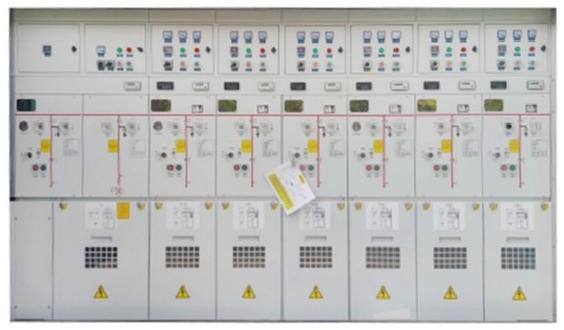

NISELA Series Environmentally Friendly Gas-Insulated Ring Main Unit
XJ DELISHIER ELECTRIC CO., LTD.
Smart Photovoltaic Prefabricated Substation
Shanghai Jinyou Jinhong Intelligent Electric Co., Ltd.
Global Sulfur Hexafluoride Gas Supply and Cylinder Export
Foshan Yuexin Industrial Gas Co., Ltd.
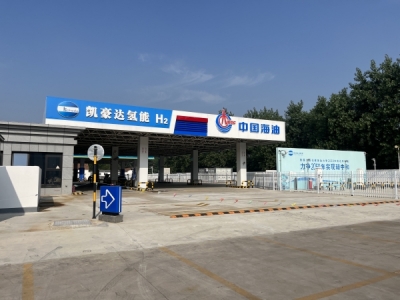
Hydrogen production and hydrogenation charging refueling gas integrated energy station
Shenzhen Kohodo Hydrogen Energy Co., Ltd.
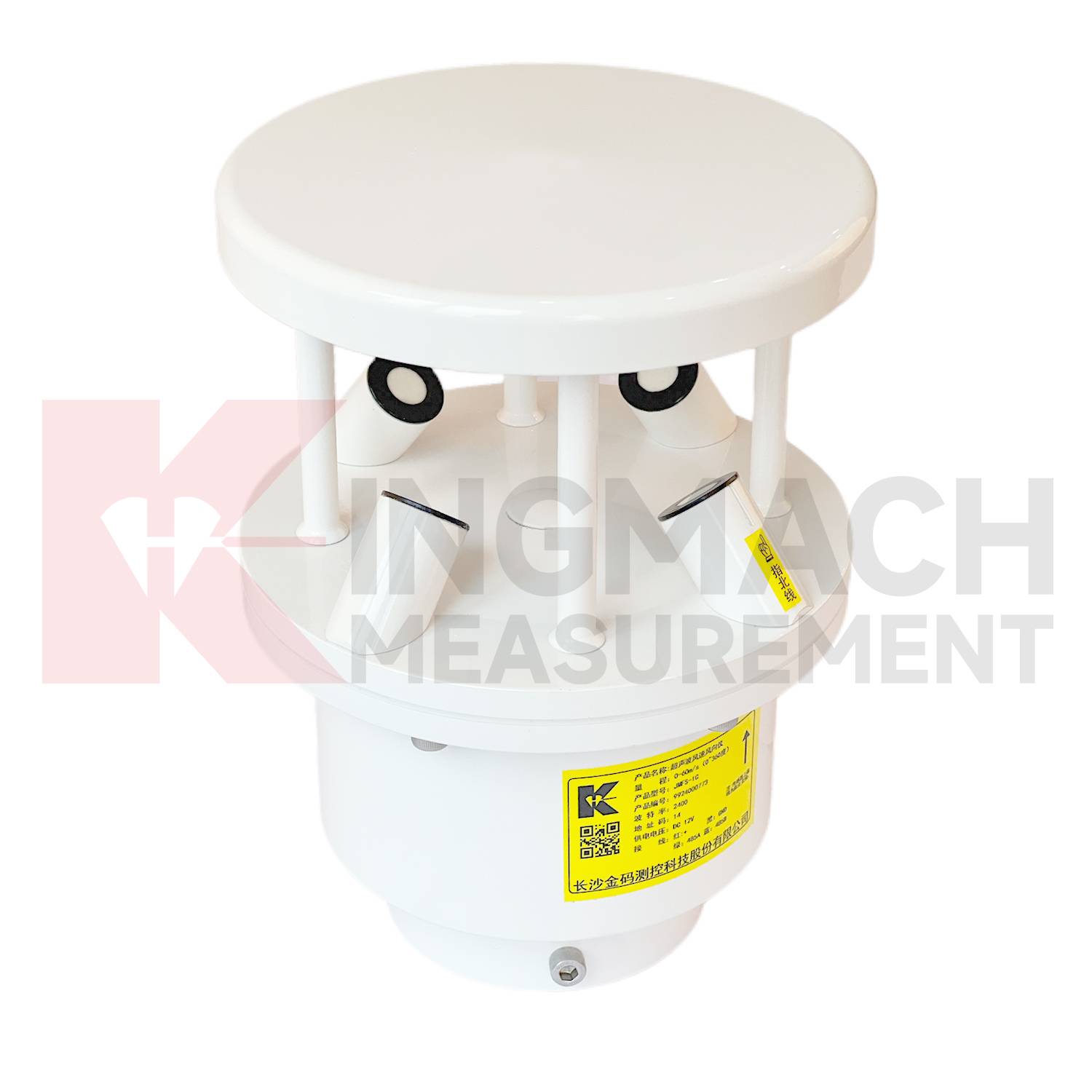
Ultrasonic Wind Speed and Direction Instrument
Kingmach Measurement & Monitoring Technology Co., Ltd.