Thailand Advances Regulatory Preparedness for Small Modular Reactors to Strengthen Energy Security
en.Wedoany.com Reported - On September 8, 2026, Deputy Prime Minister and Minister of Higher Education, Science, Research and Innovation, Yodchanan Wongsawat, chaired the second meeting of the "Nuclear Energy Promotion for Peace Committee" in 2026 at Government House. The meeting discussed Thailand's long-term nuclear energy strategy and focused on preparations concerning the regulatory framework, human resource development, and industrial supply chain for Small Modular Reactors (SMRs). The Thai government emphasized that these efforts constitute preliminary capacity-building and do not imply a decision has been made to construct nuclear power plants.
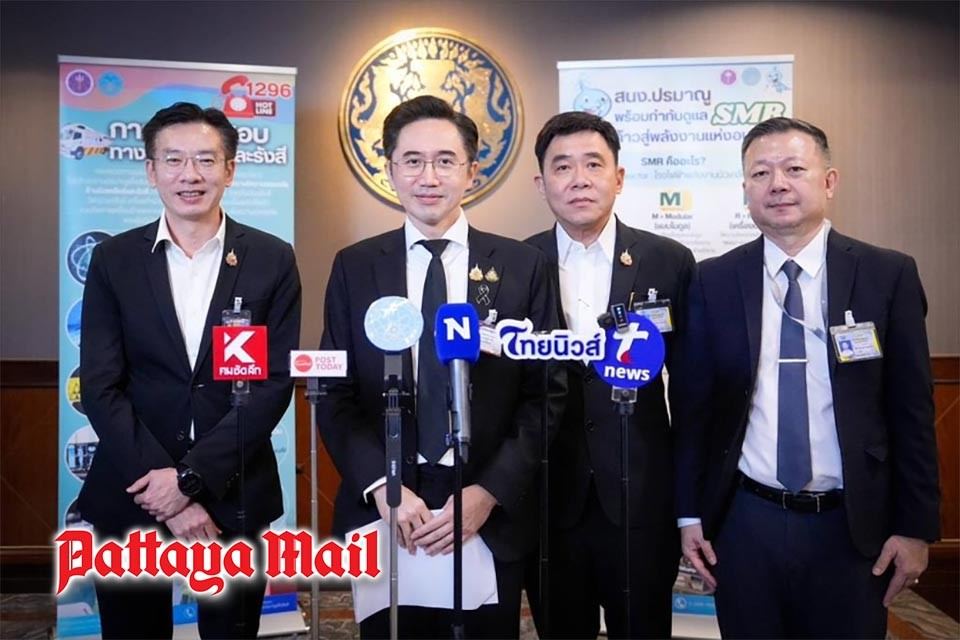
The meeting approved a regulatory policy framework for SMRs. This framework, which references relevant standards of the International Atomic Energy Agency (IAEA), aims to prepare for Thailand's future energy needs and reduce dependence on imported fuel. Yodchanan stated that Thailand has long faced energy price and supply volatility due to imported fuel, and that nuclear energy development would help enhance energy security and potentially create opportunities for local Thai manufacturers to participate in emerging high-technology sectors.
According to an assessment based on the IAEA's 19 requirements for nuclear energy infrastructure, Thailand currently possesses foundational capabilities in 10 areas, requires further development in 6 areas, and has 3 priority areas that urgently need advancement: formulating national policy, establishing a Nuclear Energy Programme Implementing Organization (NEPIO) to drive programme implementation, and developing a financing scheme.
The meeting reached consensus on four key areas of preparatory work.
In terms of legislation, the Office of Atoms for Peace was tasked with expediting the drafting of the "Civil Liability for Nuclear Damage Act" for submission to the Cabinet for consideration. The proposed act aims to establish an insurance system, financial guarantee mechanisms, and transparent and fair national fund arrangements that conform to international standards.
Regarding human resources, the Ministry of Higher Education, Science, Research and Innovation, the Ministry of Education, the Office of the National Higher Education Science Research and Innovation Policy Council, and the Ministry of Energy will jointly develop educational programmes and long-term talent development plans covering areas such as SMR technology and nuclear safety regulations.
Thailand will also formulate a national policy for the full lifecycle management of radioactive waste and spent fuel. Thai officials stated that the policy should clearly define the primary responsibility of the current generation to avoid shifting the burden of nuclear waste management to future generations.
In terms of the supply chain, the Board of Investment of Thailand will collaborate with the Office of Atoms for Peace and relevant research institutions to develop a strategy for Thai local manufacturers to participate in the global SMR supply chain. Potential areas include high-performance pumps and valves, advanced radiation-resistant construction materials, grid integration, advanced engineering technologies, and AI-driven digital twin systems.
Yodchanan emphasized that this meeting does not signify that Thailand has determined SMR construction sites or technology pathways. The government's current objective is to establish a sufficient information base, professional expertise, and regulatory capacity before making any major policy decisions. He stated that Thailand should not merely be a technology buyer but should also strive to become a creator of technological value.
Supachai Pathumnakul, Permanent Secretary of the Ministry of Higher Education, Science, Research and Innovation, stated that the ministry is prepared to mobilize universities and research institutions nationwide to support research and development efforts, offer specialized courses, and cultivate highly skilled personnel including nuclear engineers, cybersecurity experts, data scientists, and technology legal professionals to underpin a new nuclear-related industrial ecosystem.
Rungrueng Kitipat, Secretary-General of the Office of Atoms for Peace, stated that nuclear safety remains the top priority. The regulatory body will adhere to the "3S" framework of nuclear safety, namely safety, security, and safeguards. The office is also developing regulations and emergency response plans for nuclear and radiological accidents to bridge national policy and local response mechanisms. Thai officials also stressed that public participation, transparency, and information disclosure are crucial for building public trust.
The meeting also approved the appointment of six experts to the committee's board, with expertise spanning science, engineering, agriculture, law, and medicine. Thailand stated that this initiative aims to consolidate multidisciplinary expertise to foster a nuclear energy ecosystem that is safe, conforms to international standards, and contributes to enhancing self-reliance.
Currently, Thailand's nuclear energy efforts remain focused on "preparation" rather than "construction." Before deciding whether and how SMR technology will be integrated into the future energy mix, Thailand plans to first refine its regulations, talent pool, and industrial capabilities.
Related Products
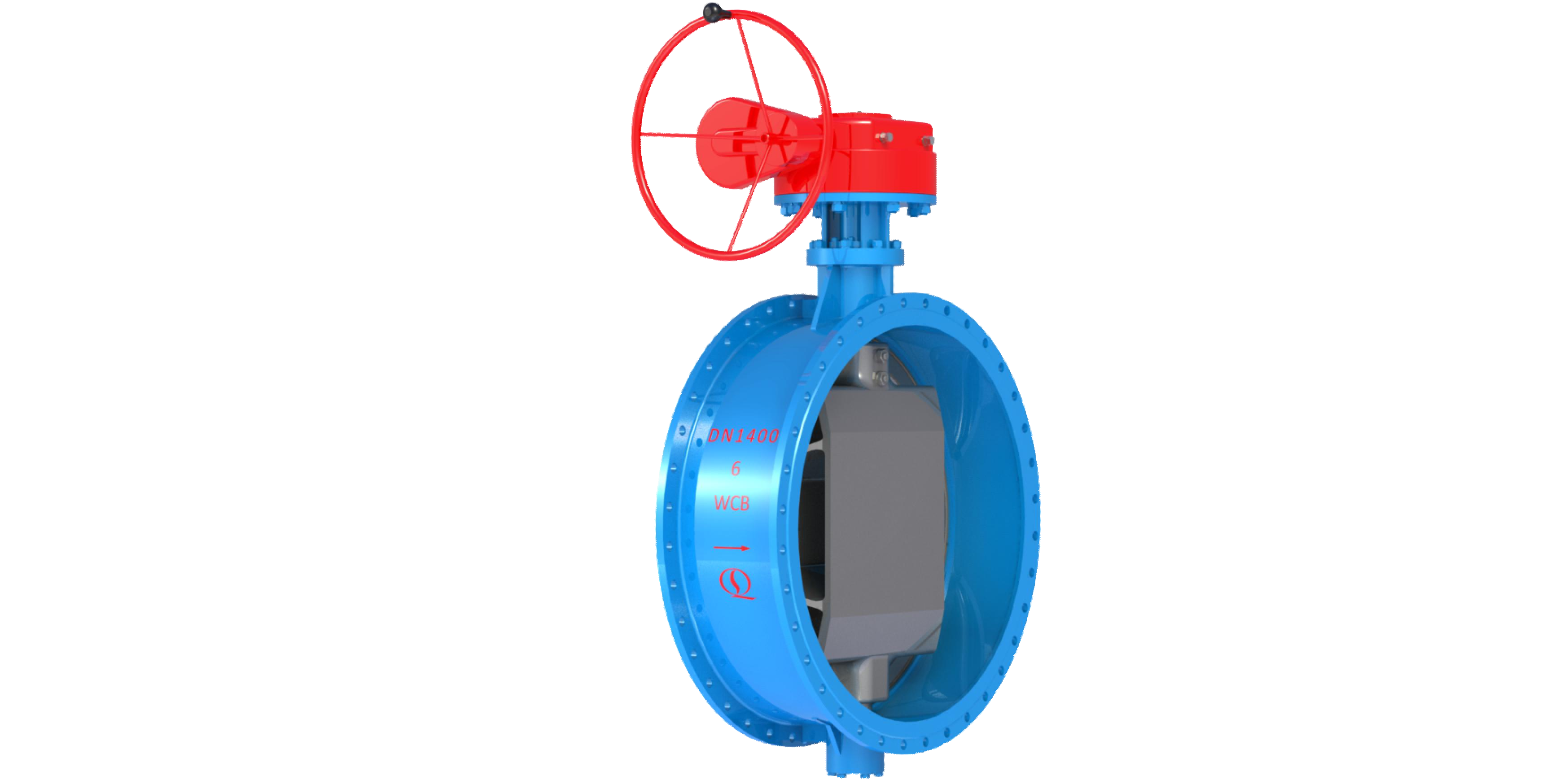

Bidirectional Metal Hard Sealed Seawater Butterfly Valve
Henan Quanshun Flow Control Science & Technology Co., Ltd.
Perfluorinated Ionic Membrane-CM-10N Series Membrane
Guizhou Juneng Century Technology Co., Ltd
Forest and Grassland Heat Source Infrared Monitor
China Huayun Meteorological Technology Group Co., Ltd.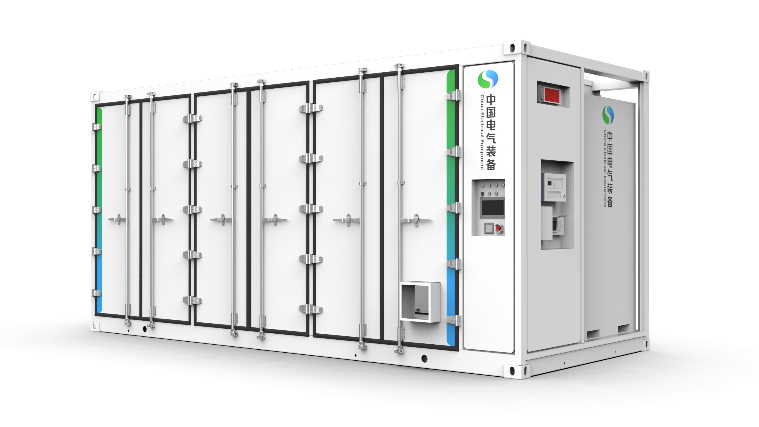
MESS8201-2507/5015-BN Prefabricated Liquid-cooled Energy Storage Battery Container
Xuchang Xuji Electric Science Energy Storage Technology Co., Ltd.
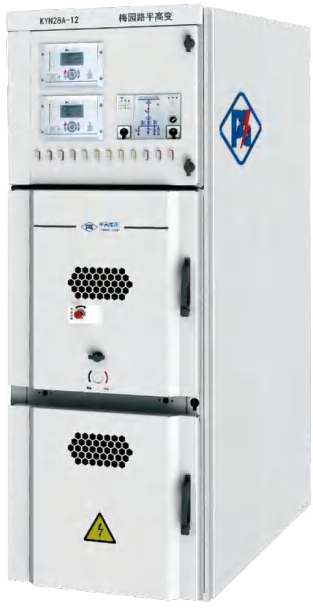
KYN28A-12 Metal Armored Removable Switchgear
Tianjin Ping Gao Intelligent Electric Co., Ltd.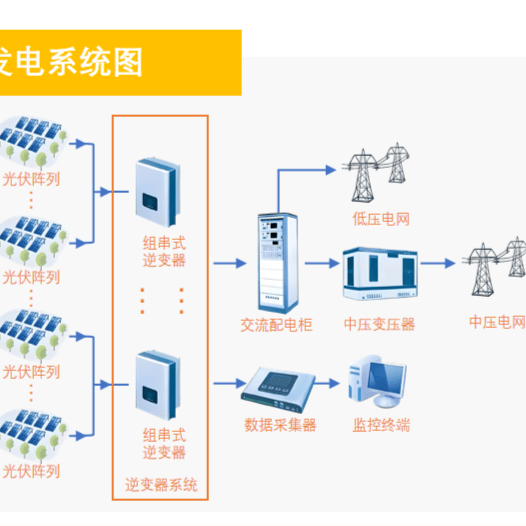
Photovoltaic and Wind Power Generation Technology
Beijing Boqi Electric Power SCI-TECH Co., Ltd.