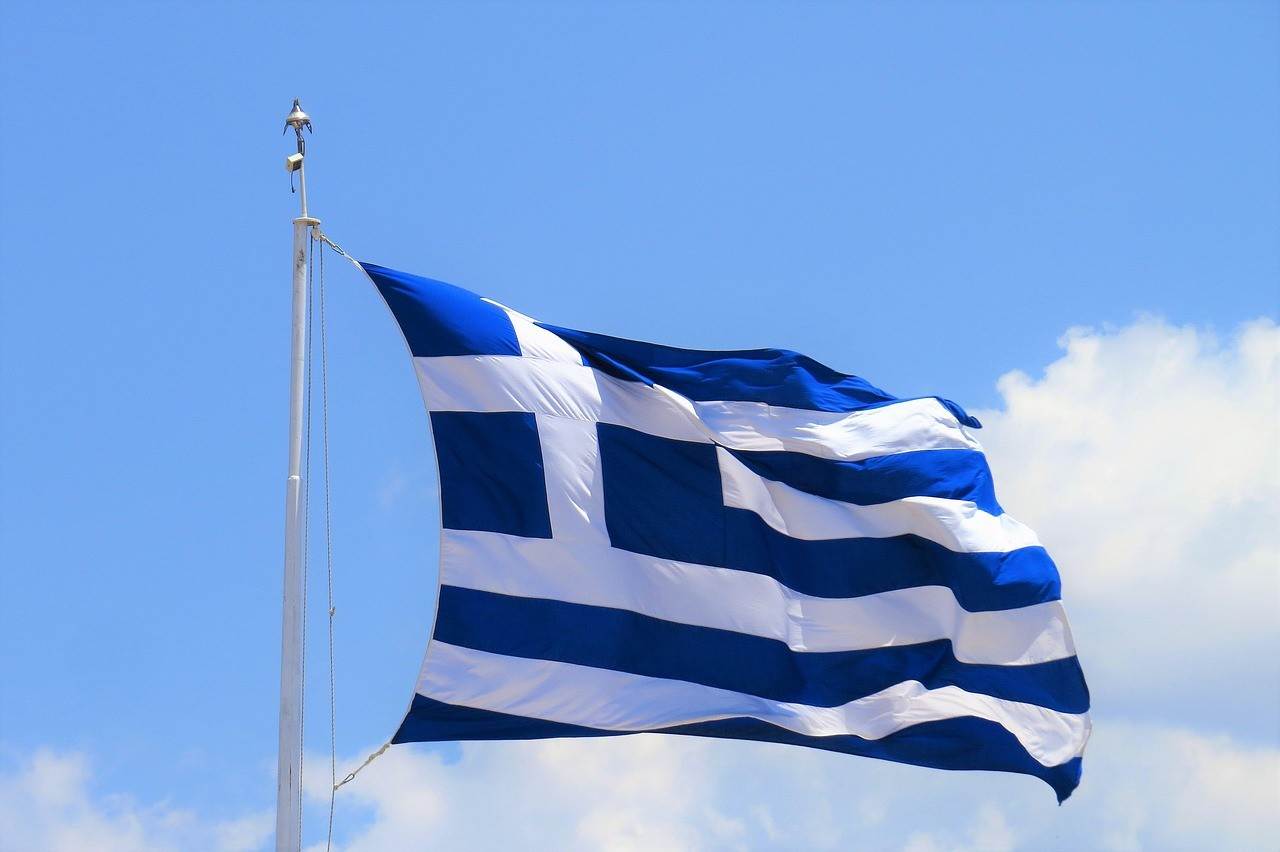
Greece Establishes Committee to Study Inclusion of Nuclear Energy in Long-Term Energy Planning
en.Wedoany.com Reported - On September 9, 2026, the Greek government announced in the Official Gazette a decision to establish a government committee to study the possibility of including nuclear energy in the country's long-term energy planning.
According to the document, the committee will operate as Greece's Nuclear Energy Programme Implementing Organisation (NEPIO) in accordance with relevant guidelines of the International Atomic Energy Agency (IAEA), responsible for organizing and managing the first phase of the IAEA's "Milestone Approach." This phase is the exploratory stage set by the IAEA for countries considering the development of nuclear power.
The IAEA "Milestone Approach" is a framework guideline for countries interested in developing nuclear power. It is divided into three phases, covering 19 infrastructure issues, with the related work to be completed before the commissioning of the first nuclear power plant.
According to the Greek government's decision, the committee must submit a final report to the Council of Ministers within 24 months to provide a basis for the government to determine whether to launch a national nuclear energy program. The committee will also conduct or coordinate preliminary feasibility studies, including assessing the cost-effectiveness of a potential national nuclear energy program.
Greek Deputy Minister of Energy Nikos Tsafos stated on social media that one of the committee's goals is to improve the quality of public discussion, enhance understanding of nuclear energy among all parties, enable society to form a common understanding of the basic parameters of nuclear energy, and conduct discussions based on real data from the experience of other countries rather than relying on prejudice and one-sided information.
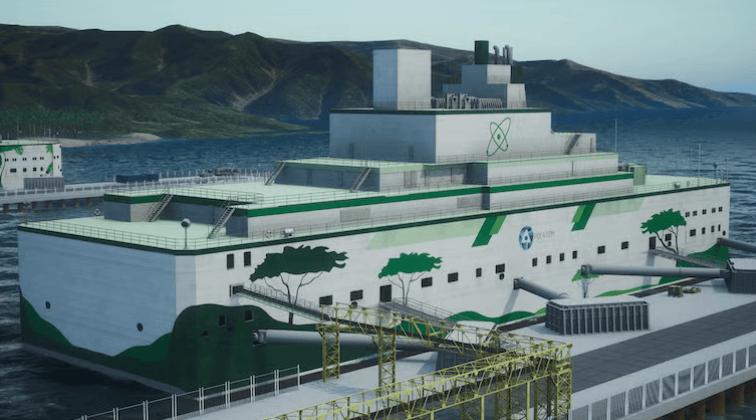
The government decision also proposes that the committee may study different technological pathways, such as conventional reactors and small modular reactors, in terms of cost, safety, technological maturity, and compatibility with Greece's energy mix. The committee may also study potential applications of nuclear energy in the shipping sector.
The committee is expected to meet every two months and may hold ad hoc meetings as needed.
Currently, Greece has no commercial nuclear power plants. The country's only research reactor is the 5-megawatt Greek Research Reactor-1 (GRR-1) located at the National Center for Scientific Research, which has been in a state of long-term shutdown for refurbishment since 2004.
Greece's push for a nuclear energy shift still faces political sensitivity. The country currently lacks nuclear energy legislation, experience in reactor licensing review, and a systematically trained nuclear energy professional workforce.
A 2025 survey showed that the traditional opposition rate among the Greek public to nuclear energy has dropped from 75% in 2018 to 42.8% in 2025; the proportion of respondents supporting the use of nuclear energy in Greece was 30%, compared with only 18% in 2018.
Related Products


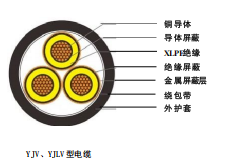
Rated Voltage 6-35kV Cross-linked Polyethylene Insulated Power Cable
TONGDING INTERCONNECTION INFORMATION CO., LTD.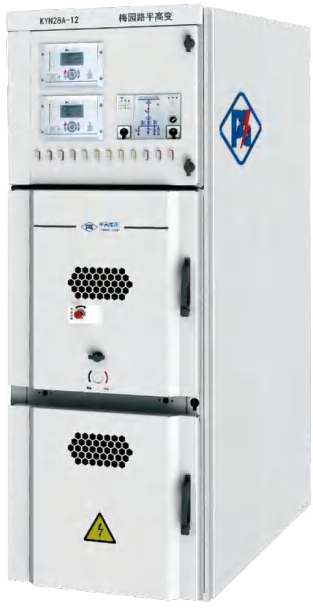
KYN28A-12 Metal Armored Removable Switchgear
Tianjin Ping Gao Intelligent Electric Co., Ltd.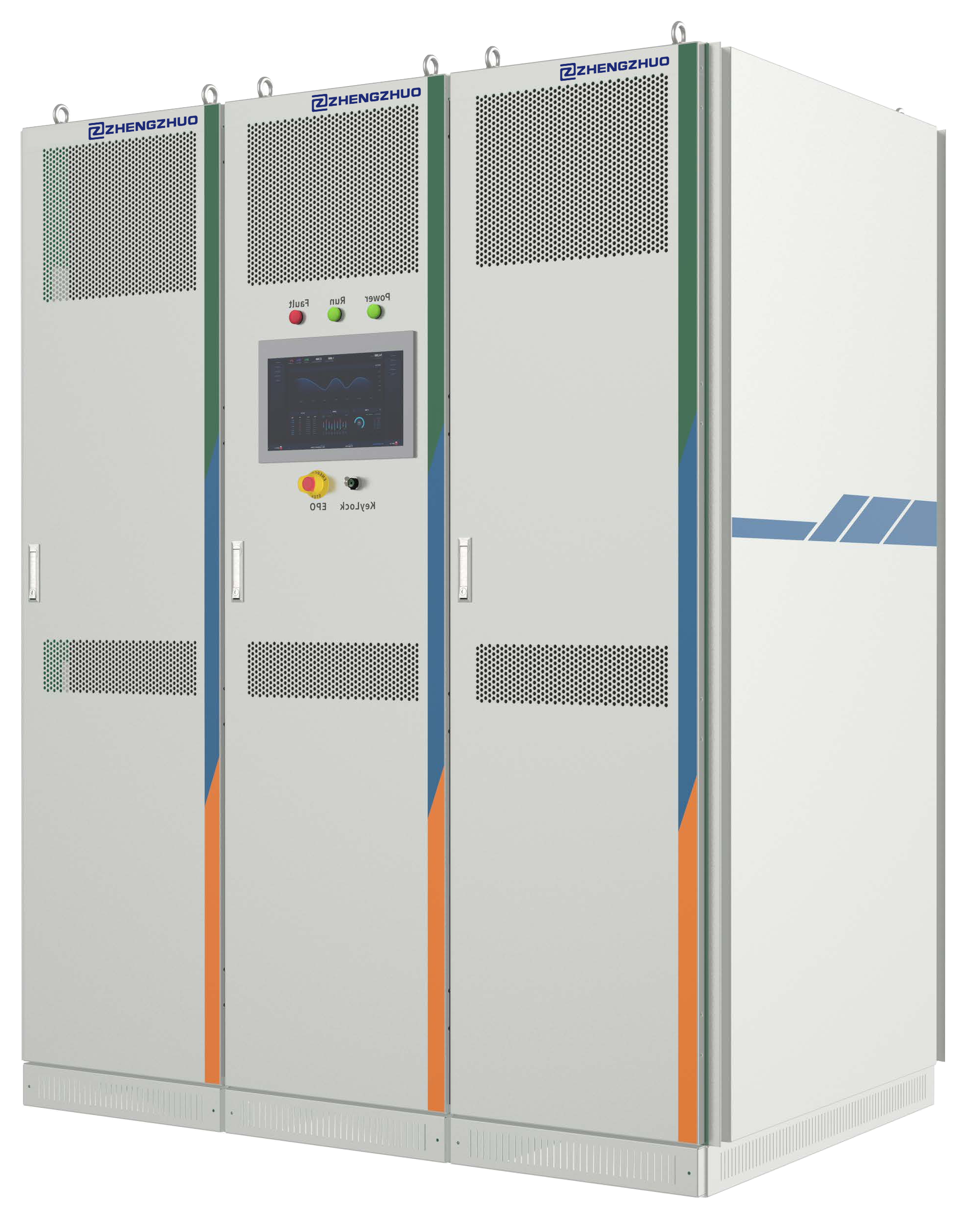
IGBT Hydrogen Production Power Supply - High Power Air Cooling
Beijing Zhengzhuo Engineering Technology Co., Ltd.
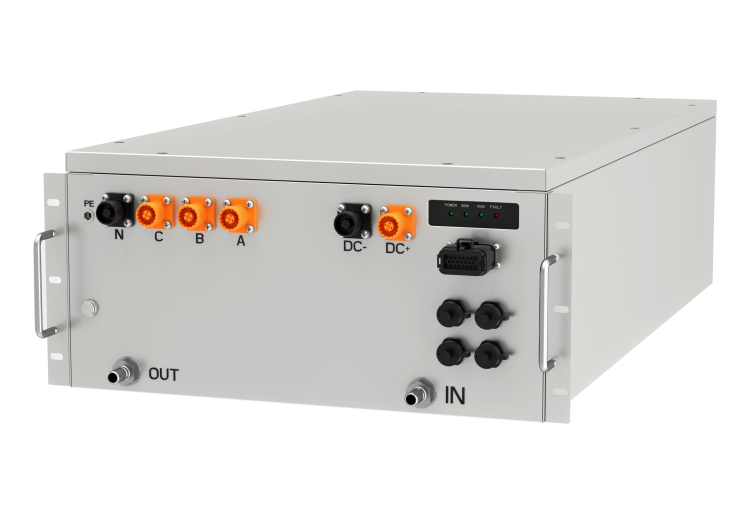
Mars (Liquid Cooling) Series Industrial and Commercial Energy Storage Converter High Protection Module
Shenzhen Winline Technology Co., Ltd.
Industrial and Commercial Point-Type Gas Detector
Jinan Benan Technology Development Co., Ltd.

CAP1400 main feedwater flow nozzle flowmeter.
Jiangsu Hongda Instrument Technology Co., LTD.