Shell, Equinor Warn Global Energy Supply Buffer Capacity Is Weakening
en.Wedoany.com Reported - On the 16th, executives from Shell and Equinor said in Oslo that after prolonged supply disruptions in the Middle East, the global energy market's buffer capacity—including inventories, transportation and allocation, backup pipelines, and new production—for absorbing oil and gas supply shocks is weakening, and the oil and gas market may continue to face tight supply and price volatility. Shell estimates that since the relevant conflict began at the end of February this year, the world has cumulatively lost about 36 million tons of LNG supply and about 1.6 billion barrels of crude oil and condensate supply.
Adam Ritchie, Shell's Chief Trading Economist, said that the earlier impact of part of the supply disruptions was mainly absorbed by falling Chinese demand, inventory releases, shipping scheduling flexibility, backup pipeline transportation capacity, and increased oil and gas production in the Americas. However, as the disruptions continue, the above buffer space is shrinking. In mid-September, international crude oil prices briefly approached $110 per barrel, with some refined product prices rising even more, and diesel prices reaching historic highs.
The direct impact on the LNG market is especially concentrated in the Strait of Hormuz. Shell's 2026 LNG Outlook shows that since the Middle East conflict, disrupted transportation through the Strait of Hormuz has affected about one-fifth of global monthly LNG supply. New North American liquefaction capacity, improved operation of existing facilities, and reduced Asian imports had previously partially offset the decline in supply. Global LNG trade volume in 2025 was about 422 million tons, and Shell expects that by 2030 the world will add about another 180 million tons per year of LNG supply capacity.
Ritchie said that even if the blocked energy routes reopen, the supply system will not immediately return to its original state. Shipping capacity, oil and gas production, and supply chain links may continue to form bottlenecks, and without additional infrastructure damage, a return to normal market conditions could still extend into 2027. After that, previously depleted commercial and strategic inventories will also need to be replenished, and restocking demand may continue to tie up new supply.
The European natural gas market is also facing winter supply constraints. Anders Opedal, Chief Executive Officer of Equinor, said that European natural gas inventory levels are currently lower than in the same period in previous years, and prices in the coming months will be mainly affected by factors such as winter weather, the scale of LNG recovery through the Strait of Hormuz, and competition between Europe and Asia for spot LNG cargoes. The company believes that compared with the early stage of the conflict, Europe's current margin for absorbing further supply disruptions has narrowed.
Equinor also disclosed that day that it plans to expand its global LNG supply portfolio to 10 million to 15 million tons per year in the early 2030s, and expects to first increase it to about 7 million tons per year by 2030. New supply sources are being considered in regions such as the United States, Canada, South America, and Africa, and the company has already expanded non-Middle Eastern LNG sources through long-term U.S. procurement contracts.
Related Products


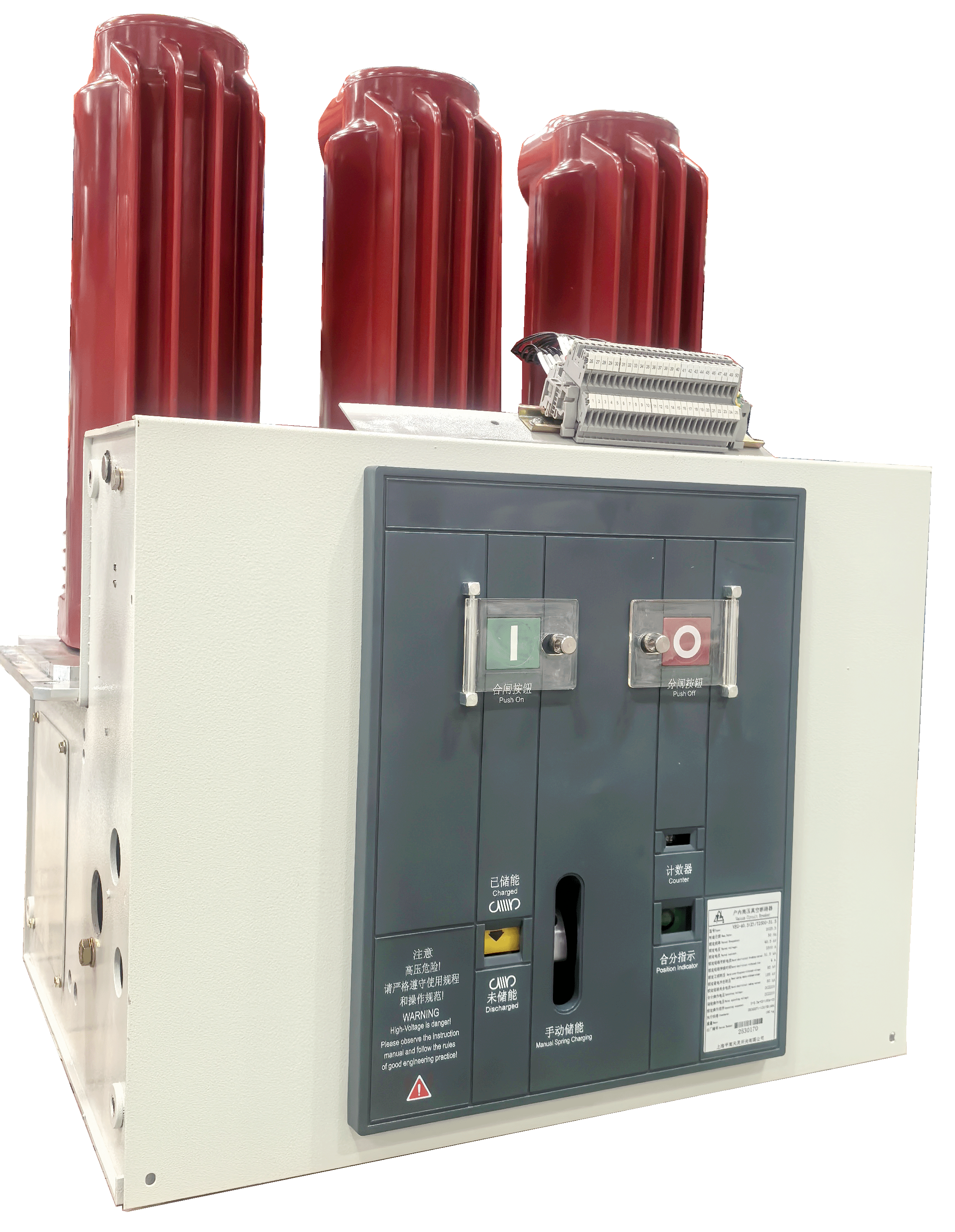
VEG-12/24/40.5 Series Vacuum Circuit Breaker
SHANGHAI PINGGAO TIANLING SWITCHGEAR CO., LTD.
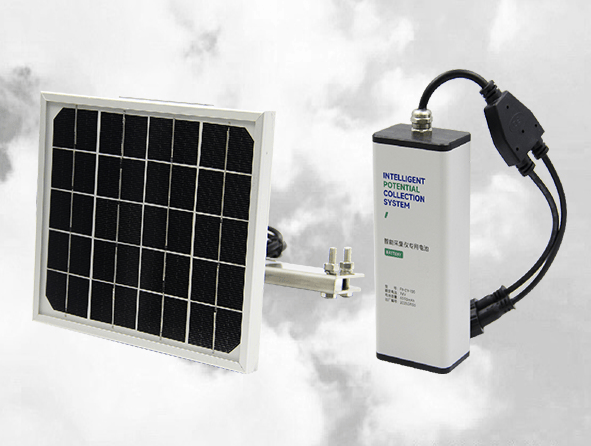
Inductive Power Harvesting Self-Powered Device - Safuneng
SELF ENERGY TECHNOLOGY (SHENZHEN) CO., LTD.

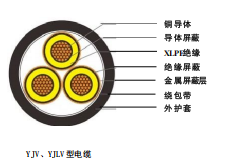
Rated Voltage 6-35kV Cross-linked Polyethylene Insulated Power Cable
TONGDING INTERCONNECTION INFORMATION CO., LTD.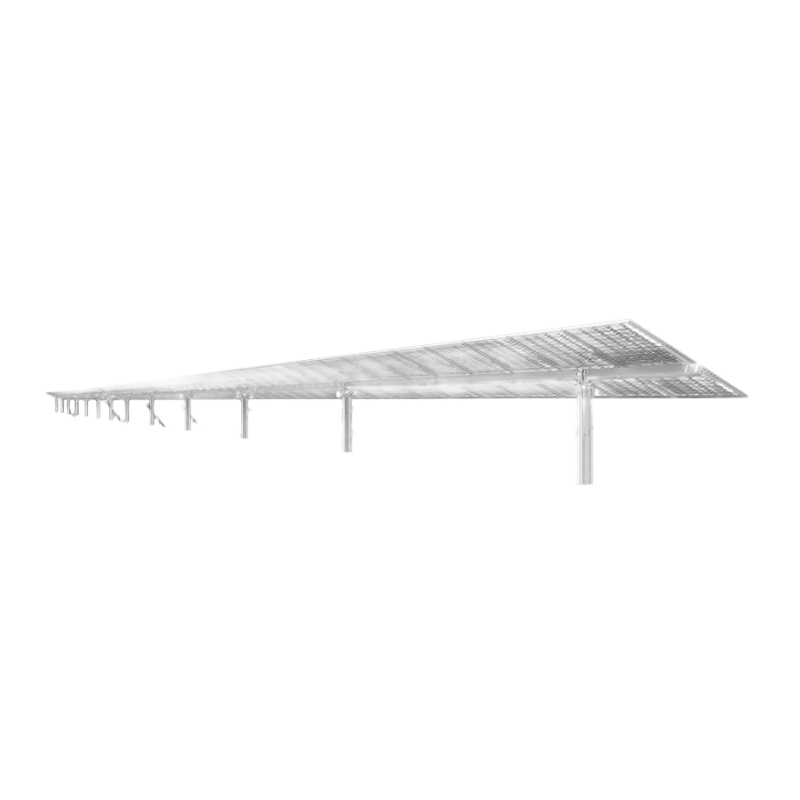
TAI Slew-drive Single-axis Independent 1P Tracking Bracket System
ANTAI TECHNOLOGY CO., LTD.