OECD: Global Steel Overcapacity May Rise to 721 Million Tons by 2027
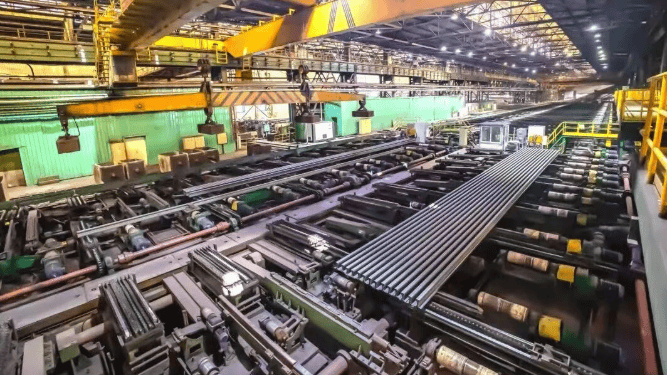
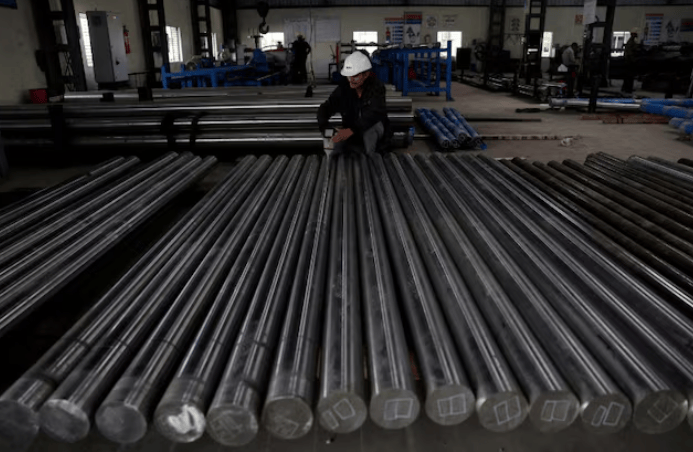
en.Wedoany.com Reported - The latest steel market analysis by the Organisation for Economic Co-operation and Development (OECD) shows that, with new steelmaking projects continuing to advance globally and demand growth remaining relatively limited, the gap between global crude steel capacity and actual demand could widen to approximately 721 million tons by 2027. The OECD points out that new capacity is mainly concentrated in Asia, the Middle East and other emerging markets, and the risk of supply-demand imbalance in the global steel industry continues to rise.
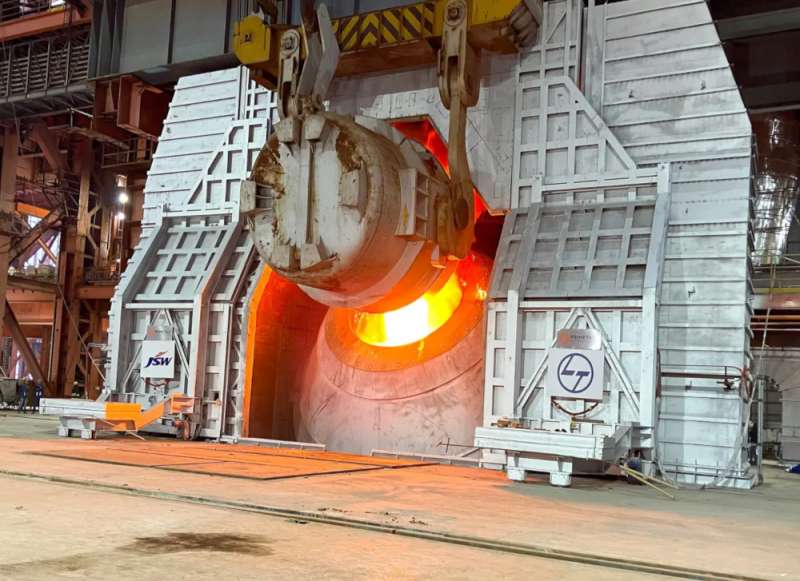
OECD statistics show that a large number of new steelmaking projects remain in the planning, construction or pre-commissioning stages over the coming years, with a considerable portion adopting the traditional blast furnace–basic oxygen furnace route. As new supply continues to enter the market, the average capacity utilization rate of steel mills worldwide may come under further pressure, and price competition and export pressure will expand accordingly.
Overcapacity may also weaken the financial capacity of steel enterprises to advance low-carbon technology upgrades. Projects such as direct reduced iron, electric arc furnaces, hydrogen-based steelmaking, carbon capture and renewable power supporting facilities typically require relatively high upfront capital expenditure, and declining industry profit margins will extend enterprises' investment payback periods and increase the financing difficulty of large-scale decarbonization projects.
The OECD also pays attention to the technological structure of new capacity. Some newly built steel projects are still dominated by coal-intensive processes. If the relevant capacity continues to operate over the next 20 to 30 years, it will increase the risk of locking in existing high-carbon assets and raise the subsequent costs of equipment retrofitting and phase-out. As the global steel industry transitions from the traditional blast furnace route to low-carbon routes such as electric arc furnaces and direct reduced iron, supply-demand balance and the pace of asset renewal will become important constraints.
Steel demand is currently mainly supported by infrastructure, manufacturing, automotive and construction industries, but demand recovery in mature economies is limited, and new consumption in some emerging markets is still insufficient to fully absorb new steelmaking capacity. The OECD believes that future capacity adjustments, trade policies and low-carbon investment will continue to jointly shape the supply-demand landscape of the global steel industry.
Related Products
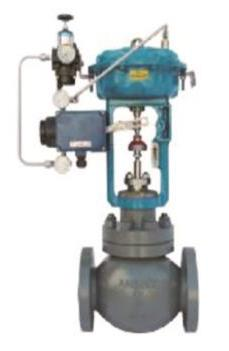

Quick-Change Single-Seat Control Valve / Quick-Change High-Pressure Single-Seat Control Valve
Beijing Consen Automation Technology Co., Ltd.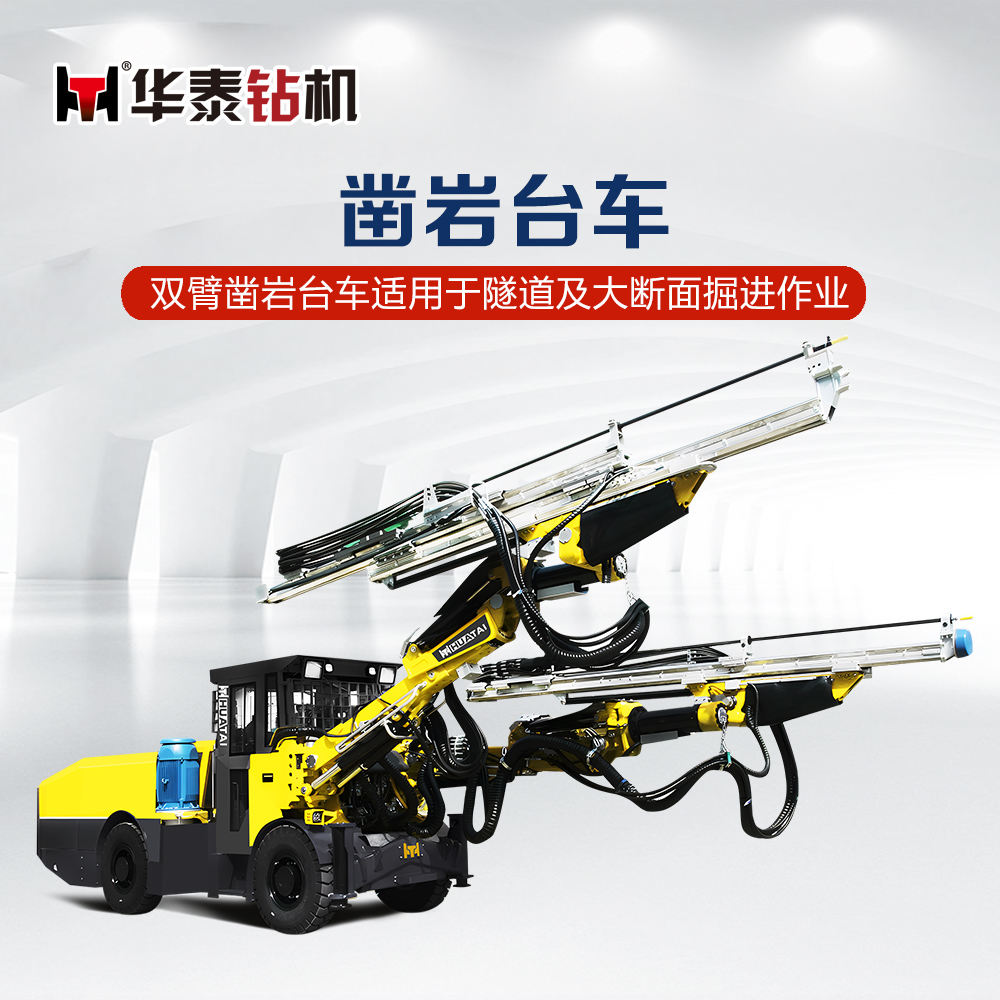
CYTJ45/2 Mining Hydraulic Tunneling Drill Rig
Zhangjiakou Xuanhua Huatai Mining and Metallurgical Machinery Co., Ltd.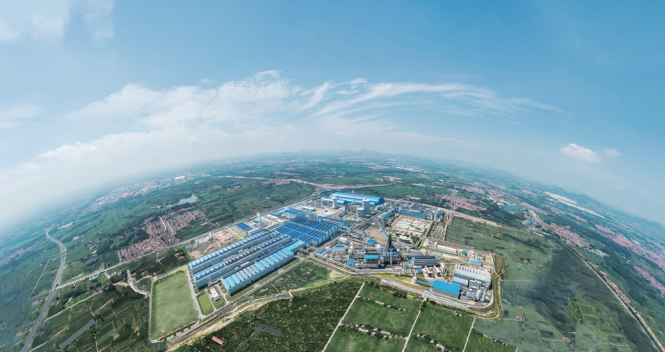
Linyi Steel Investment Special Steel 2.7 Million Tons per Year High-quality Special Steel Project
Capital Engineering & Research Incorporation Limited
Industrial and Commercial Point-Type Gas Detector
Jinan Benan Technology Development Co., Ltd.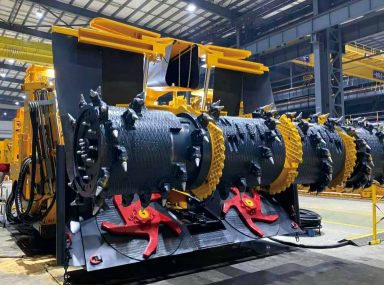
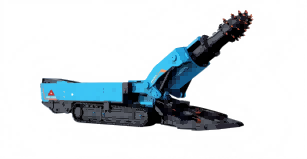
Integrated Excavation and Anchoring Machine (EJM Series)
China Railway Construction Heavy Industry Corporation Limited
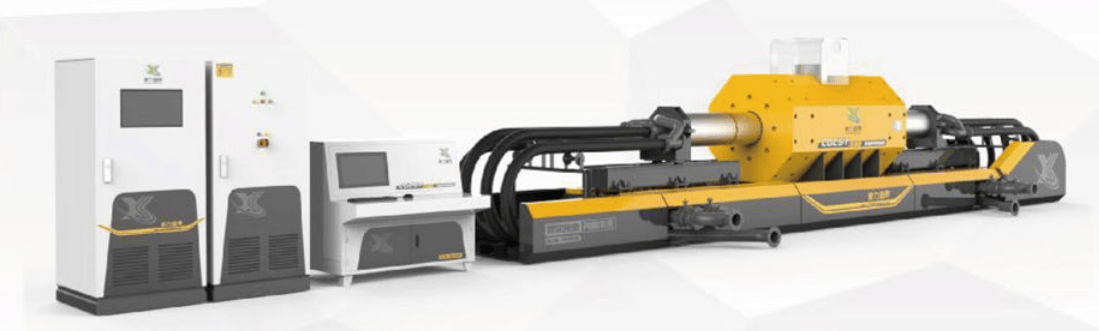
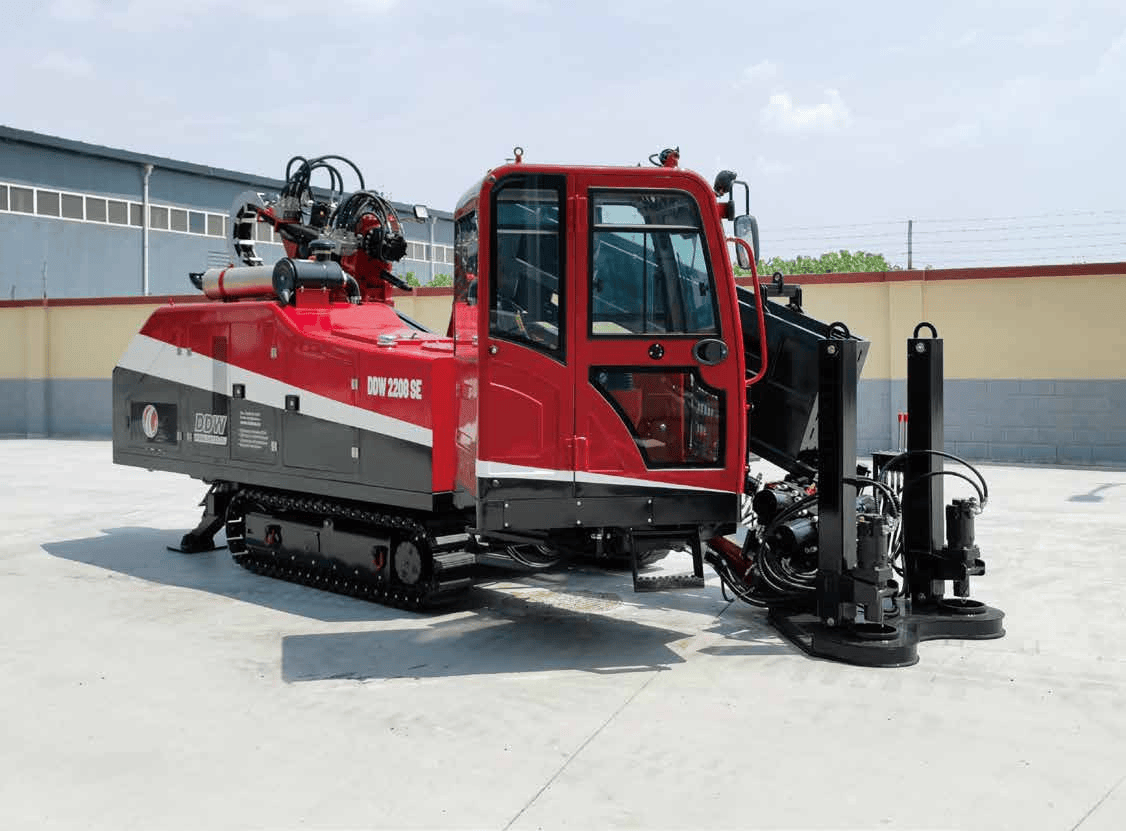
DDW22/08SE-HORIZONTAL DIRECTIONAL DRILL
DW/TXS Construction Equipment (Beijing) Co., Ltd.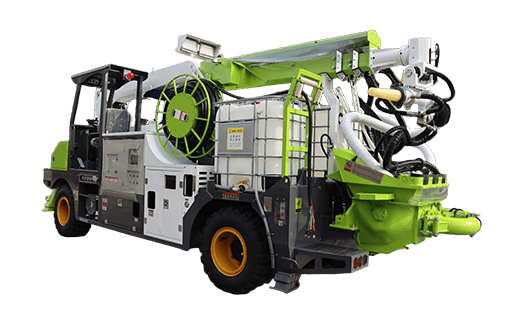
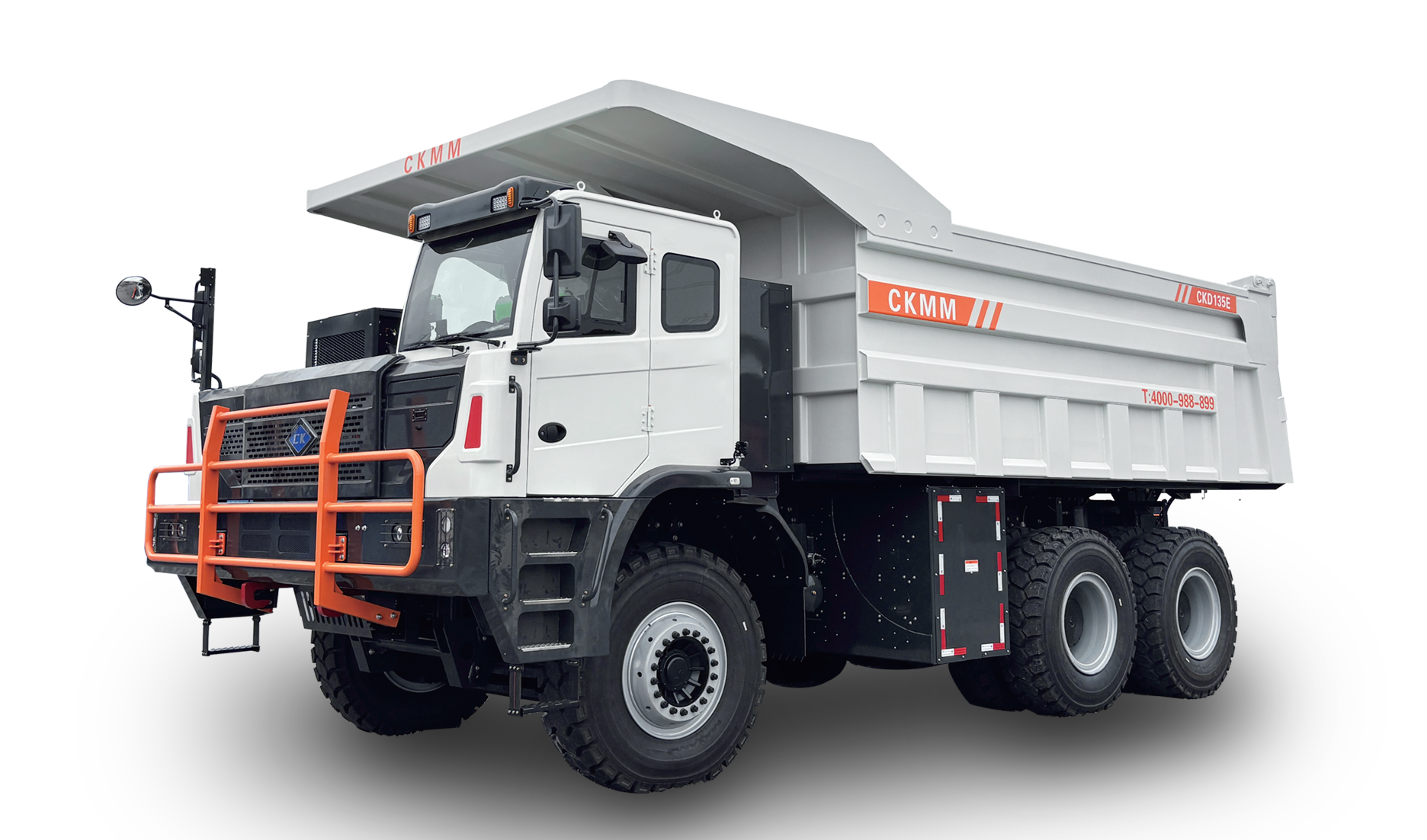
CKD135E Pure Electric Wide-body Dump Truck
Jiangsu Changkuang Engineering Machinery Co. Ltd.