China's Triastek Signs Agreement with Johnson & Johnson to Develop 3D-Printed Oral Drugs
en.Wedoany.com Reported - On October 9, Triastek (Nanjing) Pharmaceutical Technology Co., Ltd. and its wholly-owned Shanghai subsidiary signed a collaboration and licensing agreement with U.S.-based Johnson & Johnson to jointly develop novel oral drugs by combining 3D printing pharmaceutical technology with drug development capabilities. Johnson & Johnson Innovation, the company's venture capital arm, simultaneously made an equity investment in Triastek. The collaboration involves oral delivery technology for drugs including peptides, and the agreement value, investment size, and equity stake have not yet been disclosed.
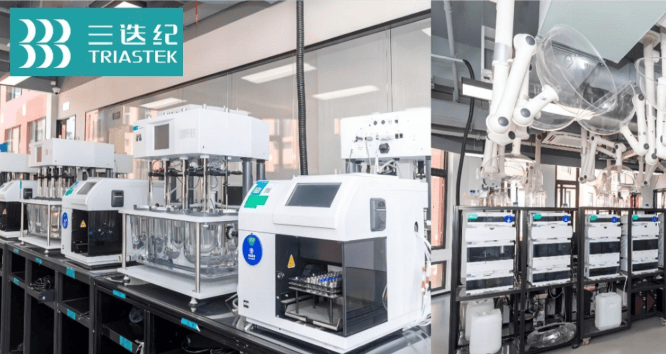
Under the agreement, Janssen Pharmaceutica NV will serve as the legal contracting entity for Johnson & Johnson. Triastek will provide 3D printing pharmaceutical technology combining melt extrusion deposition and semi-solid extrusion, as well as a 3D microstructure delivery platform for oral macromolecule drugs. The two parties plan to use tablet internal structure design and drug release profile modulation technology to develop oral formulations suitable for the relevant drug molecules.
The MED&SSE process used in this collaboration combines drug processing technology under room-temperature, low-shear conditions, and can adjust the release mode of drugs in the digestive tract through formulation structure design. Triastek's 3DμS-OM platform is mainly aimed at oral delivery of macromolecule drugs such as peptides, and can design different microstructures and release profiles according to the properties of candidate drugs. The two parties have not yet disclosed the names of the specific drugs involved in the collaboration, indications, clinical development stages, or subsequent trial plans.
Triastek has established a 3D-printed drug R&D and continuous manufacturing platform, and its existing drug pipeline includes products such as the oral peptide formulation T25 octreotide acetate tablets. In April 2026, T25 obtained clinical trial authorization from the U.S. Food and Drug Administration, and in July it received clinical trial approval from China's National Medical Products Administration.