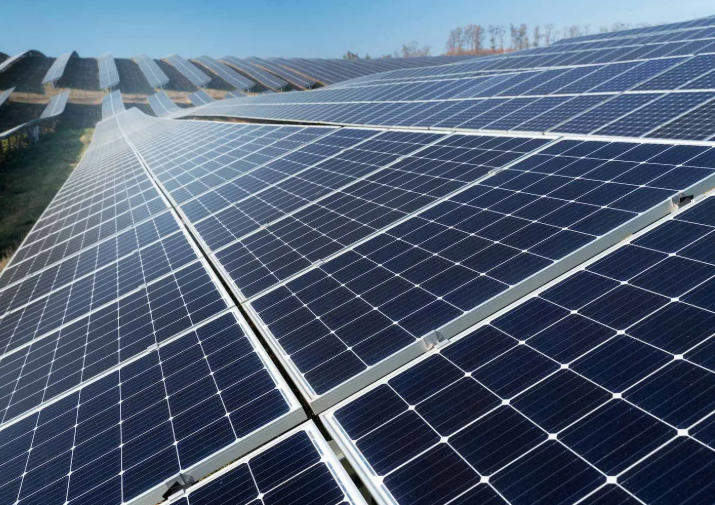
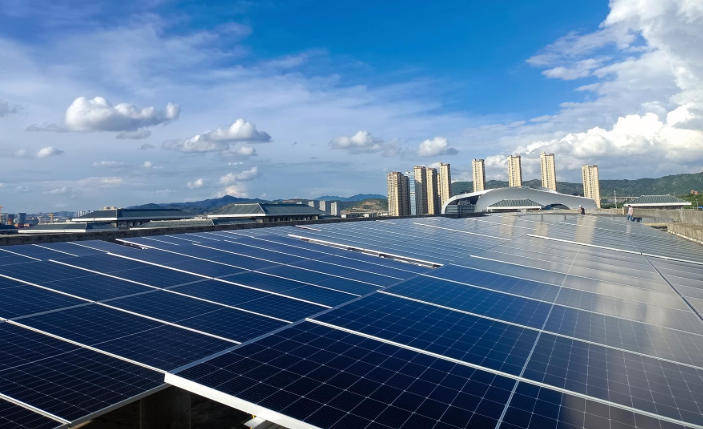
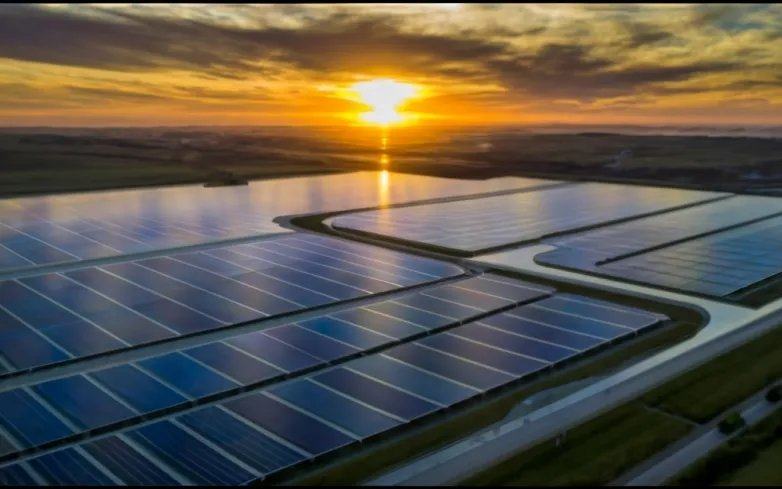
Wedoany.com Report-Jul. 6, Germany’s Federal Network Agency (Bundesnetzagentur) has completed a recent tender for innovative renewable energy projects, attracting 158 bids with a total capacity of 2,020 MW. The agency awarded contracts to 29 projects, totaling 486 MW, all of which integrate photovoltaic (PV) plants with energy storage systems.
The awarded projects secured tariffs ranging from €0.0500 ($0.0590) per kWh to €0.0639 per kWh, with an average price of €0.0615 per kWh. This reflects competitive pricing compared to previous tenders. Bavaria led with 12 projects totaling 137 MW, followed by Saxony-Anhalt with 124 MW and Lower Saxony with 49 MW.
“The tender for innovative renewable energy projects continues to show strong interest, with competitive pricing that supports our clean energy goals,” said a Bundesnetzagentur spokesperson. The focus on PV plants combined with energy storage underscores Germany’s commitment to reliable and sustainable energy solutions.
In a similar tender held in October 2024, the Bundesnetzagentur selected 50 projects with a total capacity of 587 MW. Tariffs in that round ranged from €0.0674 per kWh to €0.0745 per kWh, with an average of €0.0709 per kWh. Another auction in July 2024 awarded 43 projects totaling 512 MW, with tariffs between €0.0678 per kWh and €0.0917 per kWh, averaging €0.0833 per kWh. An earlier tender in October 2023 assigned 32 projects with 408 MW, with tariffs from €0.077 per kWh to €0.0878 per kWh, averaging €0.08 per kWh.
These tenders highlight a consistent trend of selecting PV projects paired with energy storage, enhancing grid stability and supporting Germany’s renewable energy expansion. The competitive bidding and declining tariff prices demonstrate growing efficiency in the sector.
The Bundesnetzagentur’s efforts align with Germany’s broader strategy to increase renewable energy capacity, ensuring a stable supply for domestic consumption while fostering innovation in energy storage technologies. The regional distribution of projects, particularly in Bavaria, Saxony-Anhalt, and Lower Saxony, reflects strategic planning to leverage local resources and infrastructure for sustainable energy development.