Emirates Shipping Line Splits India–Red Sea Route into North and South Services
en.Wedoany.com Reported - On November 1, Emirates Shipping Line (ESL) will restructure its India–Red Sea network, splitting the existing service into two independent routes: the South Red Sea Service (SRS) and the North Red Sea Service (NRS). The SRS will be reduced to a dedicated shuttle between Nhava Sheva and Jeddah, deploying two 1,800–2,600 TEU vessels on a nine-day frequency; the NRS will take over calls at Djibouti, Aqaba, Sokhna and Sohar, deploying two 1,700–2,500 TEU vessels on a frequency of approximately once every two weeks.
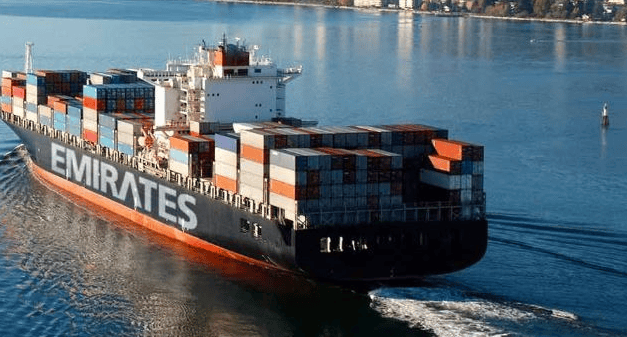
Both services start and end at Nhava Sheva, forming two independent loops from India's west coast to the Red Sea. The SRS port rotation is Nhava Sheva–Jeddah–Nhava Sheva, with Jeddah thereby separated from the previous multi-port calls to become a dedicated route linking India exclusively with Saudi Arabia's Red Sea gateway. The NRS port rotation is Nhava Sheva–Djibouti–Aqaba–Sokhna–Sohar–Nhava Sheva, covering the western shore of the Red Sea and the Gulf of Oman; its frequency is lower than that of the SRS, but its port coverage is broader.
Before the restructuring, the SRS service connected Mundra, Djibouti and Jeddah. This adjustment replaces Mundra with Nhava Sheva as the starting port and removes Red Sea ports other than Jeddah from the SRS call sequence, transferring them to the NRS. ESL has tiered its India–Red Sea capacity according to port cargo density: Jeddah has concentrated volumes and requires stable scheduling, making it suitable for a dedicated shuttle maintaining a fixed frequency; Djibouti, Aqaba, Sokhna and Sohar lack sufficient cargo density to support the same frequency and are combined under the NRS at a lower frequency.
The two services converge at Nhava Sheva, allowing Indian export cargo to choose, from the same starting port, either the dedicated Jeddah channel or the combined channel for the remaining ports. This connecting structure enables ESL to cover the previous call range of a single multi-port service with two lower-frequency services without increasing its total number of vessels.
Related Products
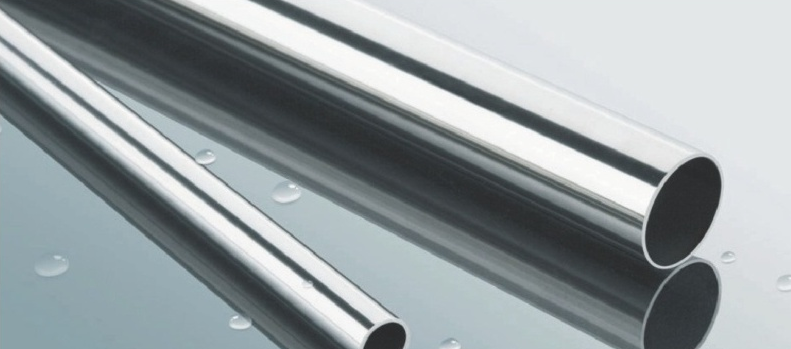

ERW Welded Pipe (Black Pipe and Hot-dip Galvanized Steel Pipe)
Handan Zhengda Steel Pipe Co., Ltd.

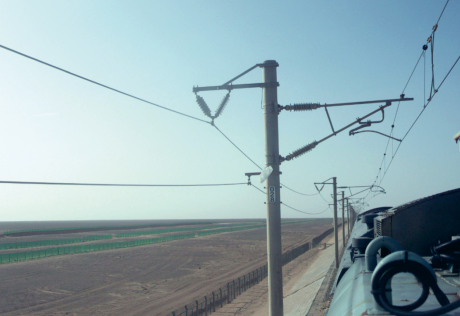
Pantograph-Catenary Comprehensive Detection Device (1C)
CHENGDU TANGYUAN ELECTRIC CO., LTD.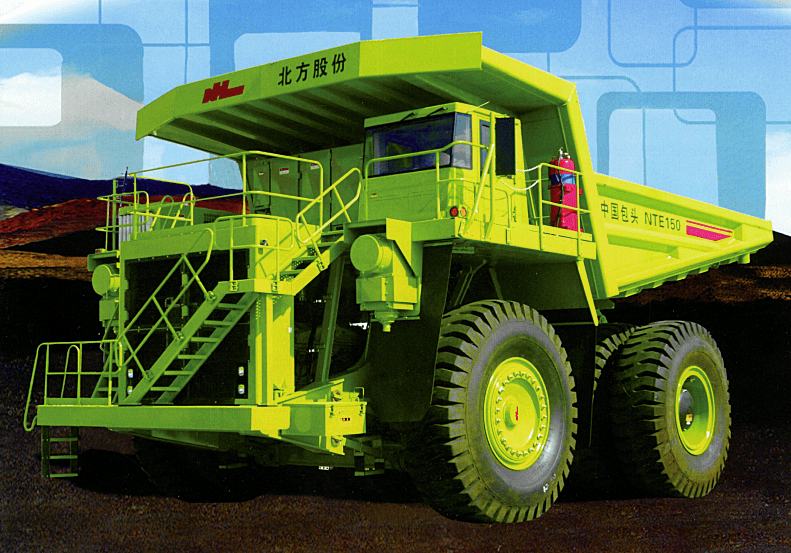
NTE150 Electric Drive Mining Dump Truck
Inner Mongolia North Heavy Industries Group Co., Ltd.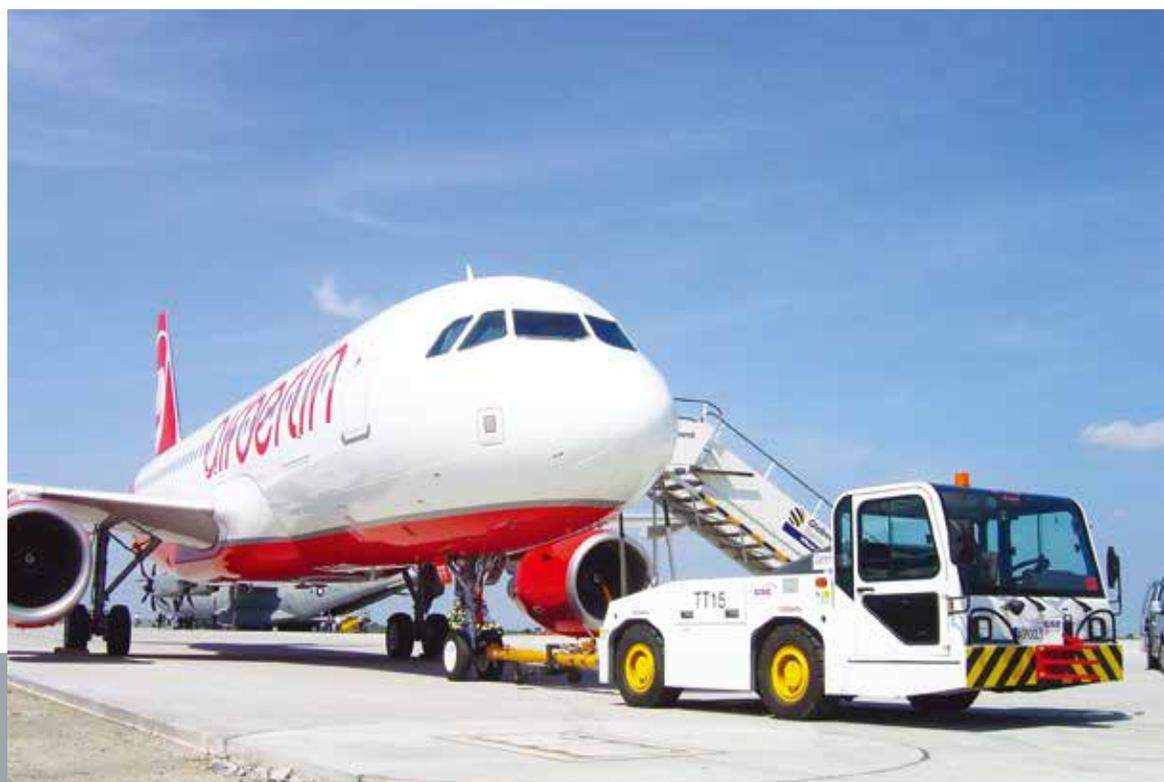
WGQY Series Aircraft Tow Tractor-WGQY15, WGQY27
Weihai Guangtai Airport Equipment Co., Ltd.

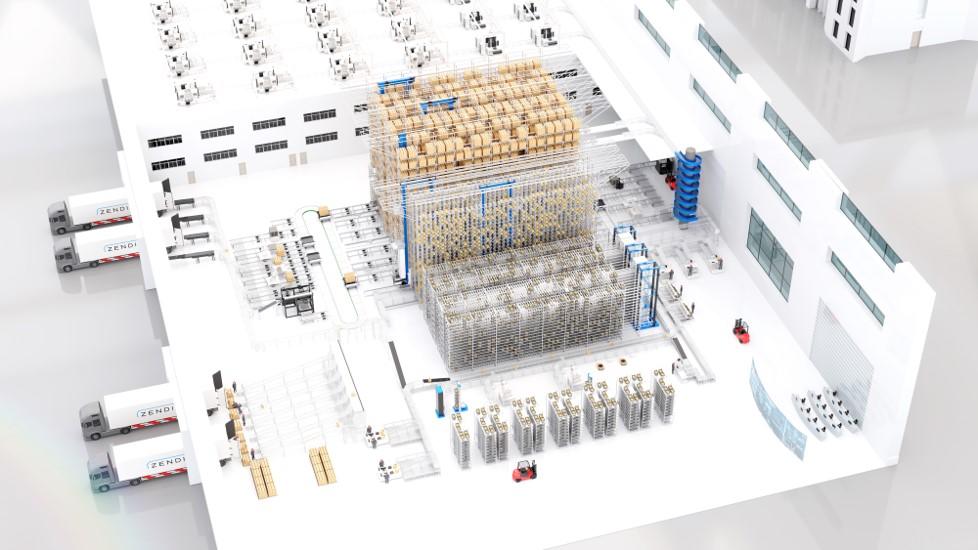
One-Stop Steward Service for the Entire Logistics System Integration Chain
Zhongding Intelligent (Wuxi) Technology Co., Ltd.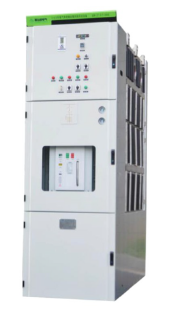
GSR6-27.5kV SF6 Free Gas-insulated Metal-enclosed Switchgear
Zhejiang Juhonkia Intelligent Electric Co., Ltd.