Saudi Arabia and ICRISAT Screen 5 High-Yielding Sorghum and Pearl Millet Materials
en.Wedoany.com Reported - On October 29, the International Crops Research Institute for the Semi-Arid Tropics (ICRISAT) released the results of crop breeding research conducted in cooperation with the Food and Agriculture Organization of the United Nations and the Ministry of Environment, Water and Agriculture of Saudi Arabia. The research team carried out field evaluations of 27 sorghum and 15 pearl millet materials in the Jazan and Abha regions of Saudi Arabia, selecting 3 sorghum and 2 pearl millet candidate materials. Among them, the best-performing sorghum material showed a 9.3% increase in grain yield and a 41.3% increase in fresh biomass compared with the best local control.
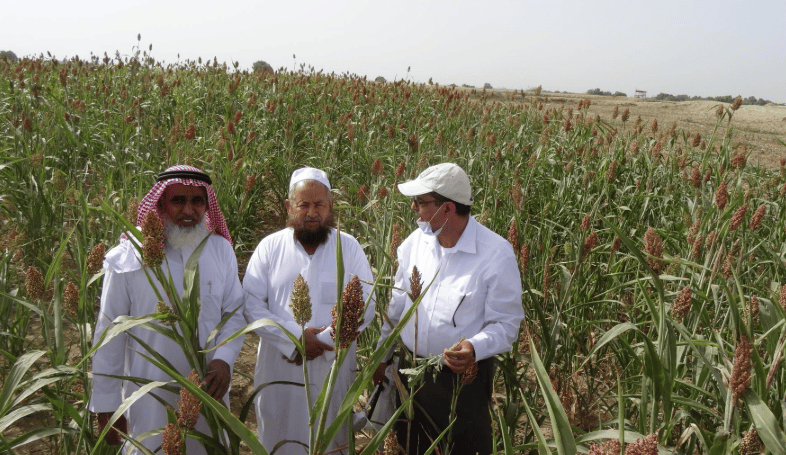
The research was implemented jointly by ICRISAT, the FAO and the Saudi Sustainable Agricultural and Rural Development Program (Saudi REEF), focusing on evaluating grain yield, fresh forage yield and adaptability under different ecological conditions of sorghum and pearl millet in arid agricultural environments. Trials were conducted in the lowland environment of Jazan and the highland environment of Abha, respectively, evaluating a total of 42 materials, including breeding materials from India, Kenya and Niger as well as local Saudi control varieties.
The sorghum trial selected three materials with potential for both grain and fresh forage production: SSV 74, WM 89/90#1615 and 89WM 5003. Among them, SSV 74 performed outstandingly in the comprehensive evaluation of grain yield and fresh biomass. Another sorghum material, ICSV 15021, reached an average fresh biomass of about 38.4 tonnes per hectare and has value for further verification in terms of forage yield and stability across different trial environments.
The pearl millet trial selected two dual-purpose candidate materials: LCICMV-1 (SOSAT-C-88) and ICMV 91450. The best-performing pearl millet material showed a 33.9% increase in grain yield compared with the best local control, but its fresh biomass was 37.1% lower. In addition, ICMV 221 achieved the highest average grain yield of about 1.62 tonnes per hectare, making it suitable as a material for subsequent evaluation with grain production as the main objective.
The study adopted a multi-trait selection index and Pareto frontier analysis to comprehensively screen for grain yield, fresh biomass and environmental adaptability. The researchers noted that the sorghum grain yield data came only from two trial environments suitable for evaluation, and the cross-environment stability and agronomic performance of some materials still require expanded trial verification.
The related results were published in Frontiers in Plant Science on August 10, 2026. The research team plans next to carry out multi-location field trials, farmer participatory evaluation and standardized forage quality testing, and to advance seed multiplication and variety development of the candidate materials based on the trial results.
Related Products


714CD Series C-Band Weather Radar
Chengdu Zhongdian Jinjiang Information Industry Co., Ltd.

MH220E Two-Row Hybrid Packaged Cotton Picker
CHINA RAILWAY CONSTRUCTION HEAVY NDUSTRY XINJIANG CO., LTD.
4HS-8 High-efficiency Peanut Inverted-laying Harvester
Hebei Yongfa Hongtian Agricultural Machinery Manufacturing Co., Ltd.
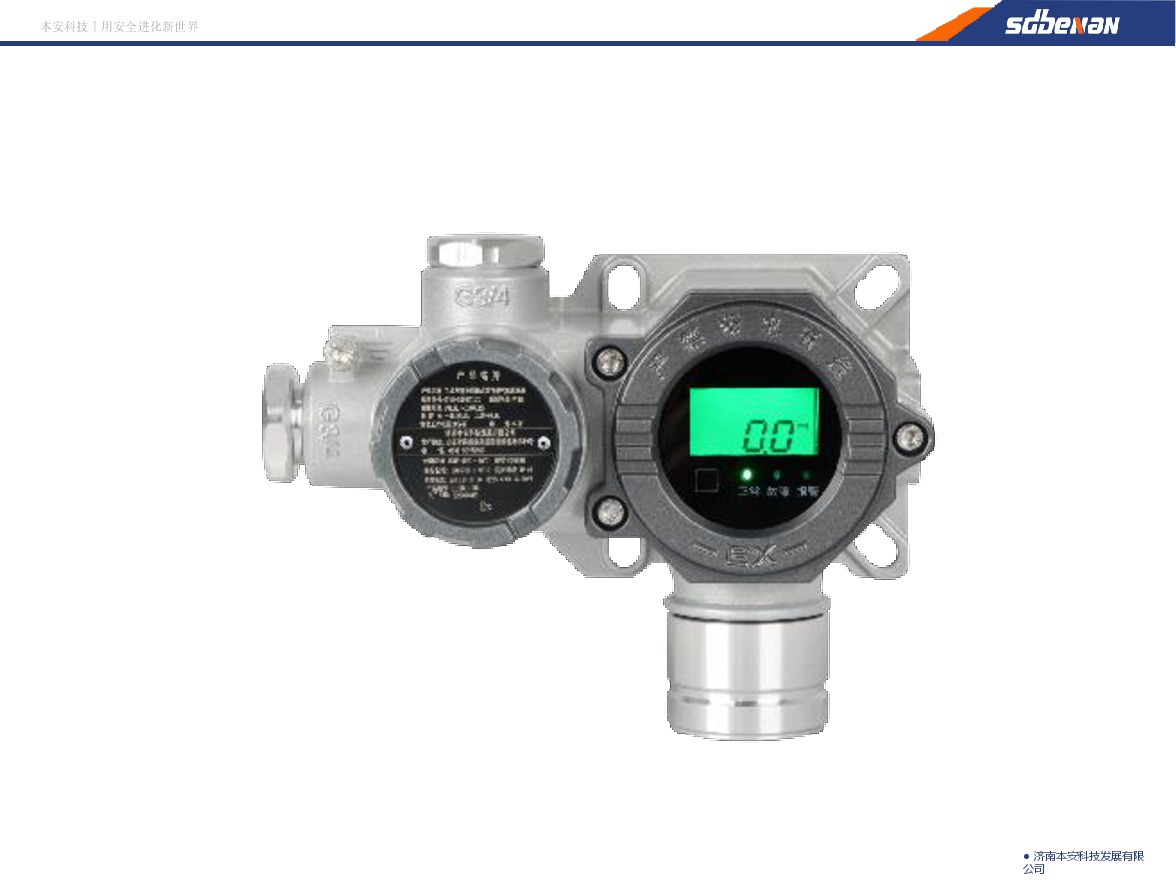
Industrial and Commercial Point-Type Gas Detector
Jinan Benan Technology Development Co., Ltd.