GoldHaven Discovers Two New Tungsten and Molybdenum Mineralized Occurrences at the Magno Project in Canada
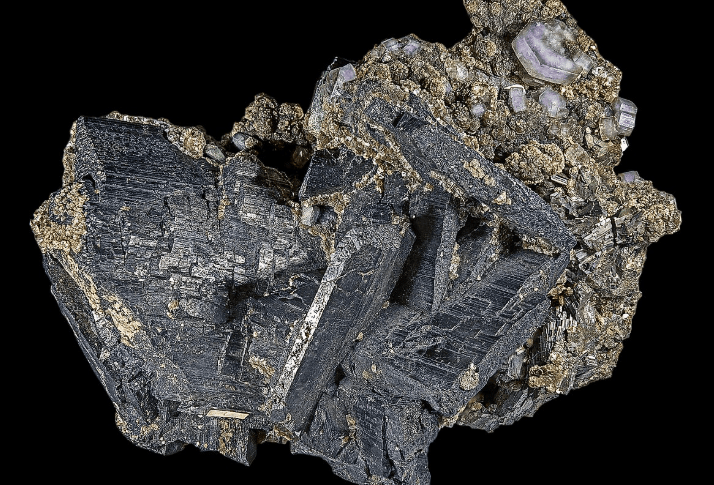
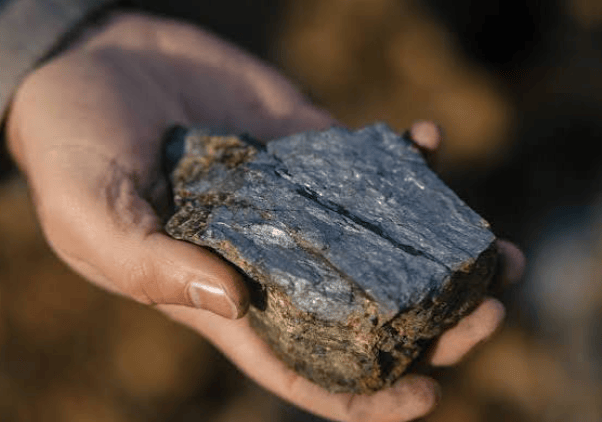
en.Wedoany.com Reported - On November 12, Canada's GoldHaven Resources Corp. announced the results of helicopter-supported geochemical sampling conducted in 2026 at its Magno project in northwestern British Columbia, reporting the discovery of a new tungsten-bearing skarn mineralized occurrence south of Lamb Mountain. Sample J647906 returned tungsten content of 8,850 ppm (0.885%), equivalent to a tungsten trioxide grade of approximately 1.12%, along with 1,755 ppm copper. A total of 108 rock samples were collected during this exploration program, and a new molybdenum mineralized occurrence was also identified near the historical Cassiar Moly molybdenum deposit.
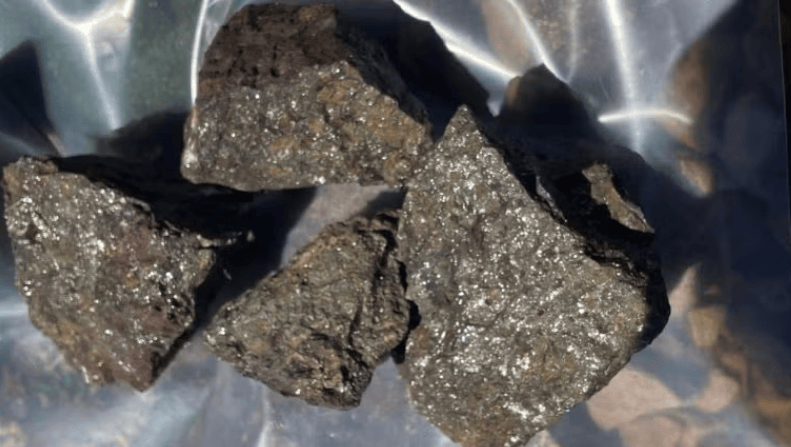
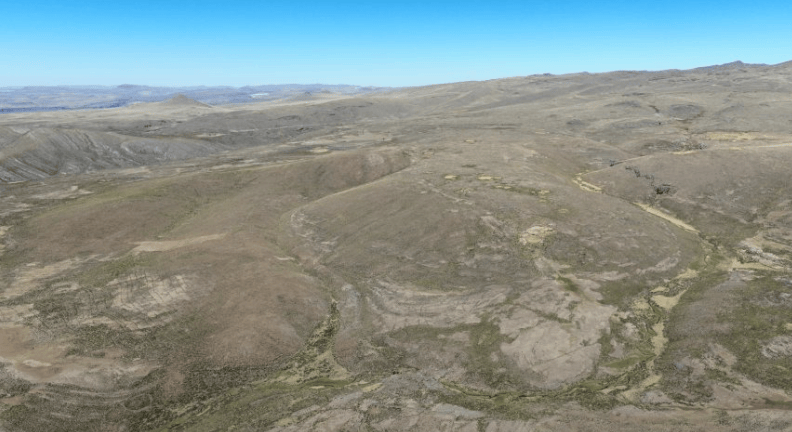
The tungsten-mineralized sample was collected south of Lamb Mountain, near the contact zone of the Cassiar batholith. This location had not previously been designated as a skarn exploration target, and its geological setting is similar to the Dead Goat tungsten skarn belt already identified by the Company, with mineralization associated with carbonate-hosted skarn development near intrusive contacts. Another granite sample collected near historical skarn trenches at Lamb Mountain returned tungsten content of 710 ppm, providing additional evidence for the presence of other tungsten mineralization in the area.
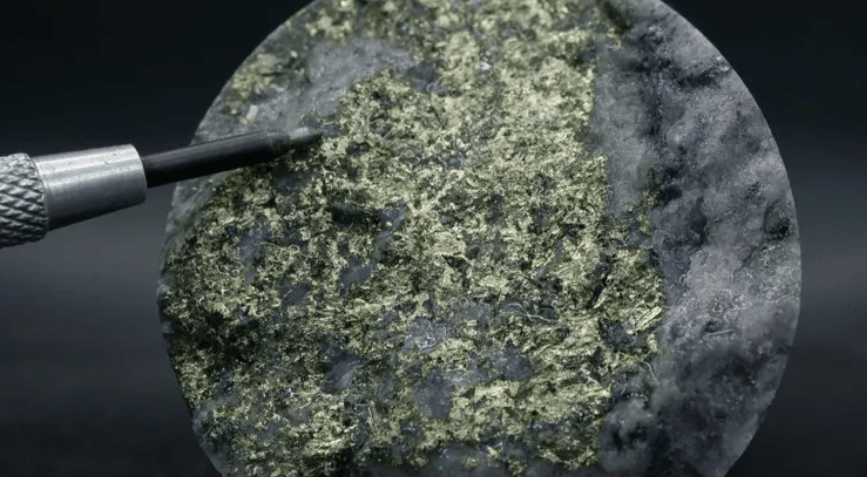
Regarding molybdenum mineralization, sample J647976 was collected near the historical Cassiar Moly deposit within the Cassiar batholith and returned molybdenum content of 2,800 ppm (0.28%), with visible molybdenum mineralization also observed at the sampling site. In addition, two other samples from previously under-explored areas of the Cassiar batholith returned 321 ppm and 284 ppm molybdenum, respectively. The Company considers these results as new molybdenum exploration targets, which will be evaluated in conjunction with geological, geochemical and geophysical data.
This sampling program covered previously under-explored areas in the western part of the Magno project, with surface rock sampling conducted using helicopter support. The 108 samples were sent to ALS laboratories, received in Whitehorse, Yukon, prepared in Langley, British Columbia, and analyzed in Vancouver. Tungsten was analyzed by lithium borate fusion combined with inductively coupled plasma mass spectrometry, while molybdenum, copper and silver were analyzed by four-acid digestion combined with inductively coupled plasma atomic emission spectrometry. Certified reference materials and blank samples were also included for quality control during the analytical process.
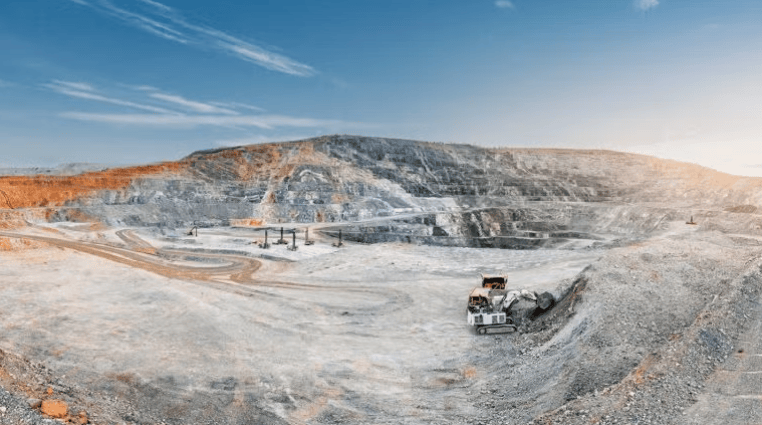
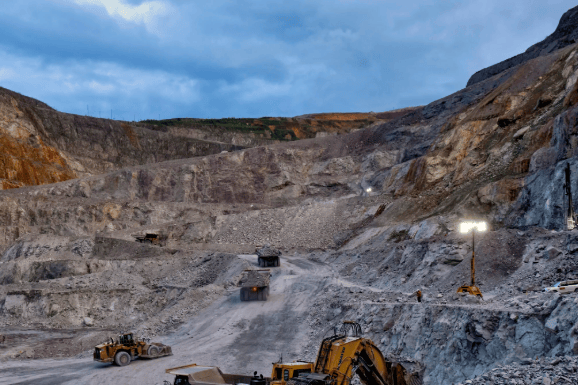
The Magno project is located in the Cassiar region of northern British Columbia, Canada, covering a mineral tenure area of more than 37,000 hectares and encompassing multiple exploration targets including tungsten skarn, silver-lead-zinc carbonate replacement mineralization, copper and molybdenum. In 2026, the Company commenced its first diamond drilling program at the historical Kuhn tungsten mine target and is progressively advancing polymetallic exploration in areas such as the D Zone and Magno. The new discovery south of Lamb Mountain is a surface geochemical sampling result and has not yet been confirmed by drilling for mineralized thickness, depth extension or continuity. The Company plans to integrate the new tungsten and molybdenum mineralized occurrences with existing geological and geophysical data to determine priority areas for follow-up exploration.
Related Products
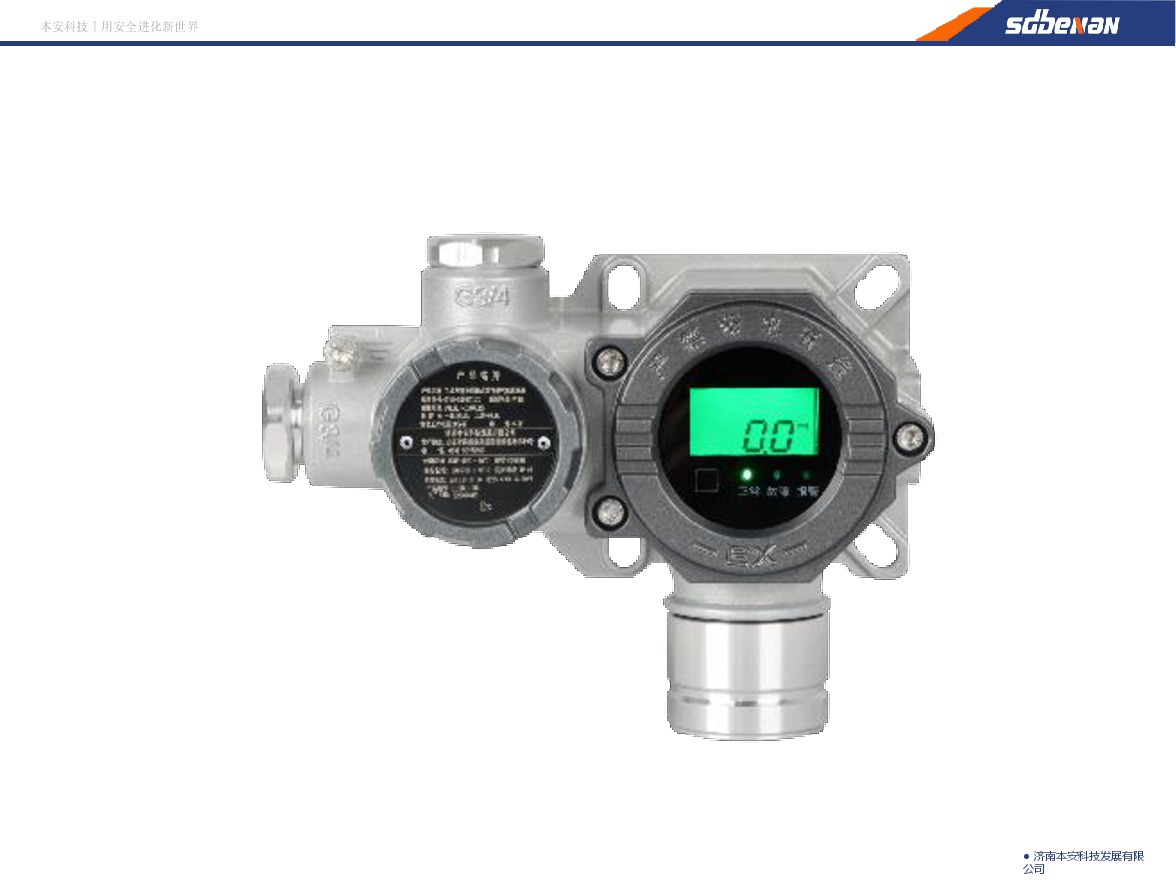

Industrial and Commercial Point-Type Gas Detector
Jinan Benan Technology Development Co., Ltd.
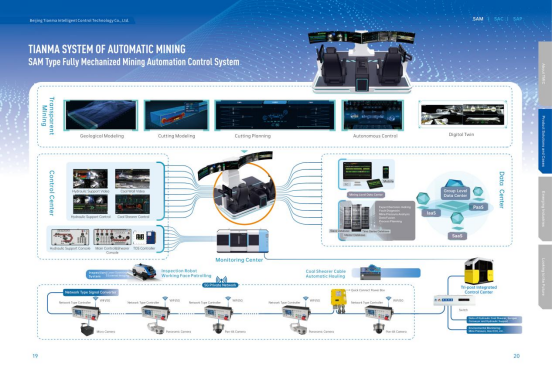
Comprehensive Mining Automation Control System
Beijing Tianma Intelligent Control Technology Co., Ltd.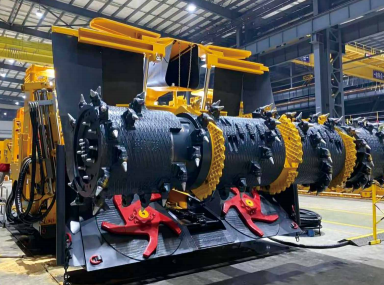
Integrated Excavation and Anchoring Machine (EJM Series)
China Railway Construction Heavy Industry Corporation Limited
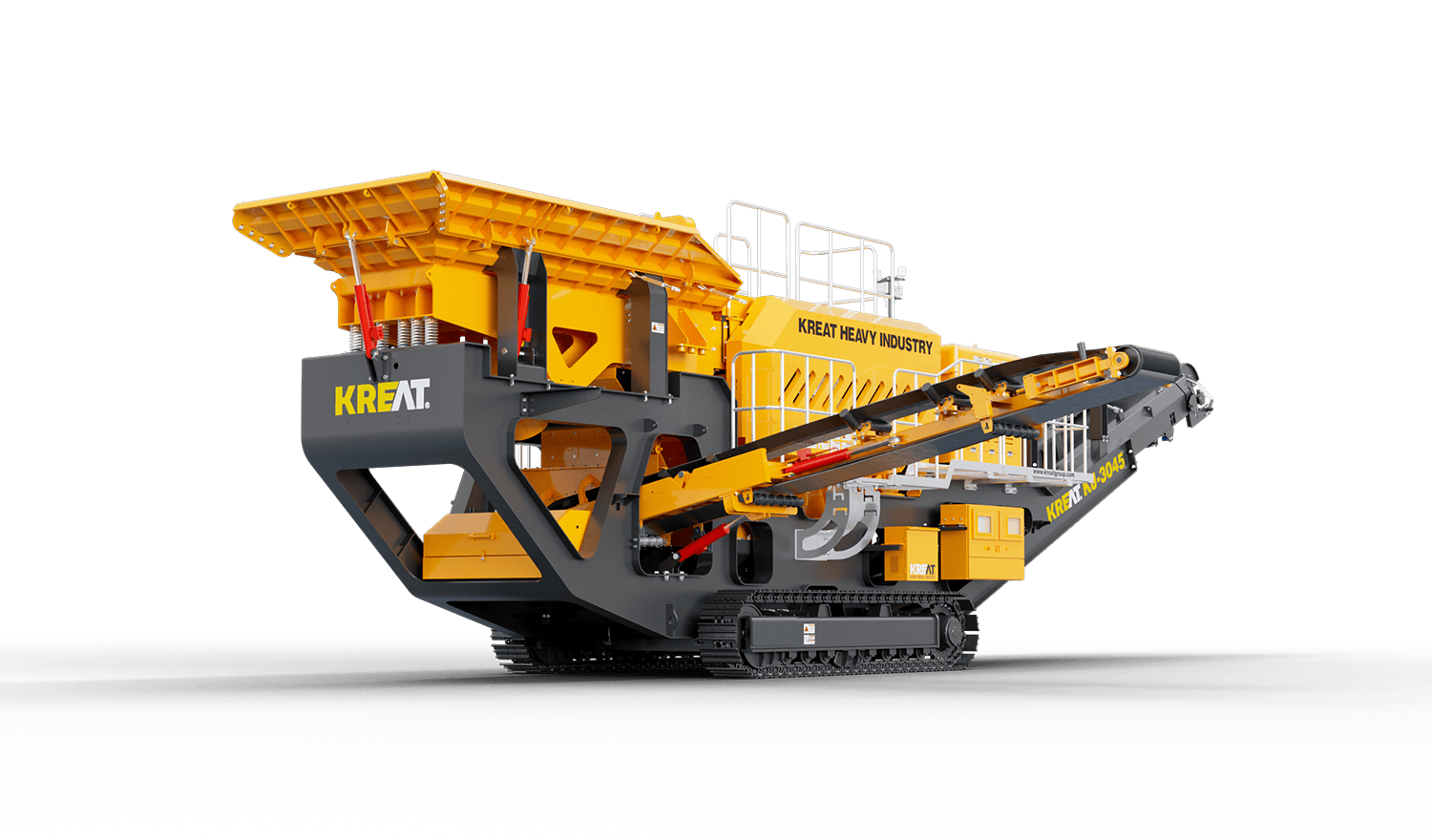
KJ-3045 Crawler Mobile Jaw Crushing Station
Yunnan Kairuite Construction Machinery Equipment Co., Ltd.
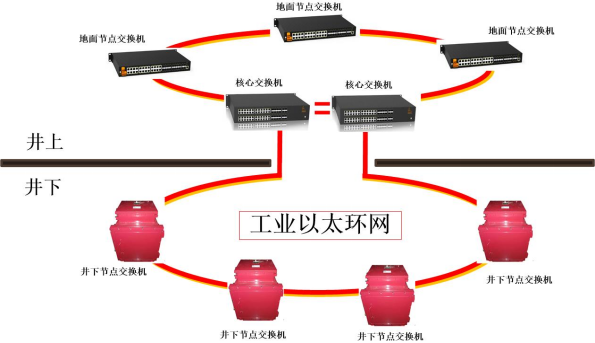
Mine Explosion-proof and Intrinsically Safe Industrial Ethernet Ring Network (10 Gigabit/Gigabit)
Chongqing Mas Sci&Tech Co., Ltd.
CITIC Heavy Industries Metallurgical Equipment Steel Smelting Engineering Equipment
CITIC Heavy Industries Co., Ltd.
High-temperature Equal Wall Thickness High-power Screw Drilling Tool
Orient Energy & Technologies Co., Ltd.