GXO in the US Plans to Advance Large-Scale Deployment of Humanoid Robots in Warehouses
en.Wedoany.com Reported - On November 12, US contract logistics company GXO Logistics signed a letter of intent with robot manufacturer Apptronik to expand joint testing of Apollo humanoid robots in warehouse operating environments and to develop a plan for large-scale commercial deployment. The two parties plan to launch a new round of on-site trials starting in 2027 and, subject to meeting production efficiency, safety, and operational targets, gradually advance the deployment of up to 1,000 Apollo humanoid robots across the global logistics network over the next four years, with the first applications expected to begin in North America in late 2027.
This collaboration will extend the robots' application scope to multiple practical warehouse operation stages, including goods-to-person and person-to-goods picking, carton and tote handling, order packing, and goods sorting. The two parties will verify the technical applicability of the robots in different workflows item by item and assess their ability to work collaboratively with existing warehouse automation equipment and staff.
In earlier trials, Apollo completed a pilot for autonomous picking of small consumer goods at a GXO warehouse in the US. The two parties also conducted data collection and autonomous operation assessments for more than 50 logistics tasks at Apptronik's Robot Park robot training facility. The expanded collaboration will further extend the relevant testing from training facilities and pilot environments to actual warehouse operations, with a focus on verifying the robots' safety, reliability, and work efficiency under continuous operating conditions.
Commercial deployment is expected to adopt a Robot-as-a-Service (RaaS) model, with the robot service model supporting equipment operations and scale expansion. The two parties will determine deployment sequencing and application scope in phases based on test results for various operational tasks and jointly defined key performance indicators. This model also combines the use of robotic equipment with subsequent operational services, avoiding a collaboration basis centered solely on one-time equipment procurement.
Related Products

Standard Nozzle Flowmeter
Jinggong Automatic Control Instrument Complete Technology Development Company

Pneumatic high-pressure wear-resistant ball valve
Zhejiang Deca Control Valve Meter Co., Ltd.
Double-Boom Computerized Rock Drilling Jumbo WD200E
Hunan Wuxin Intelligent Equipment Group Co., Ltd.
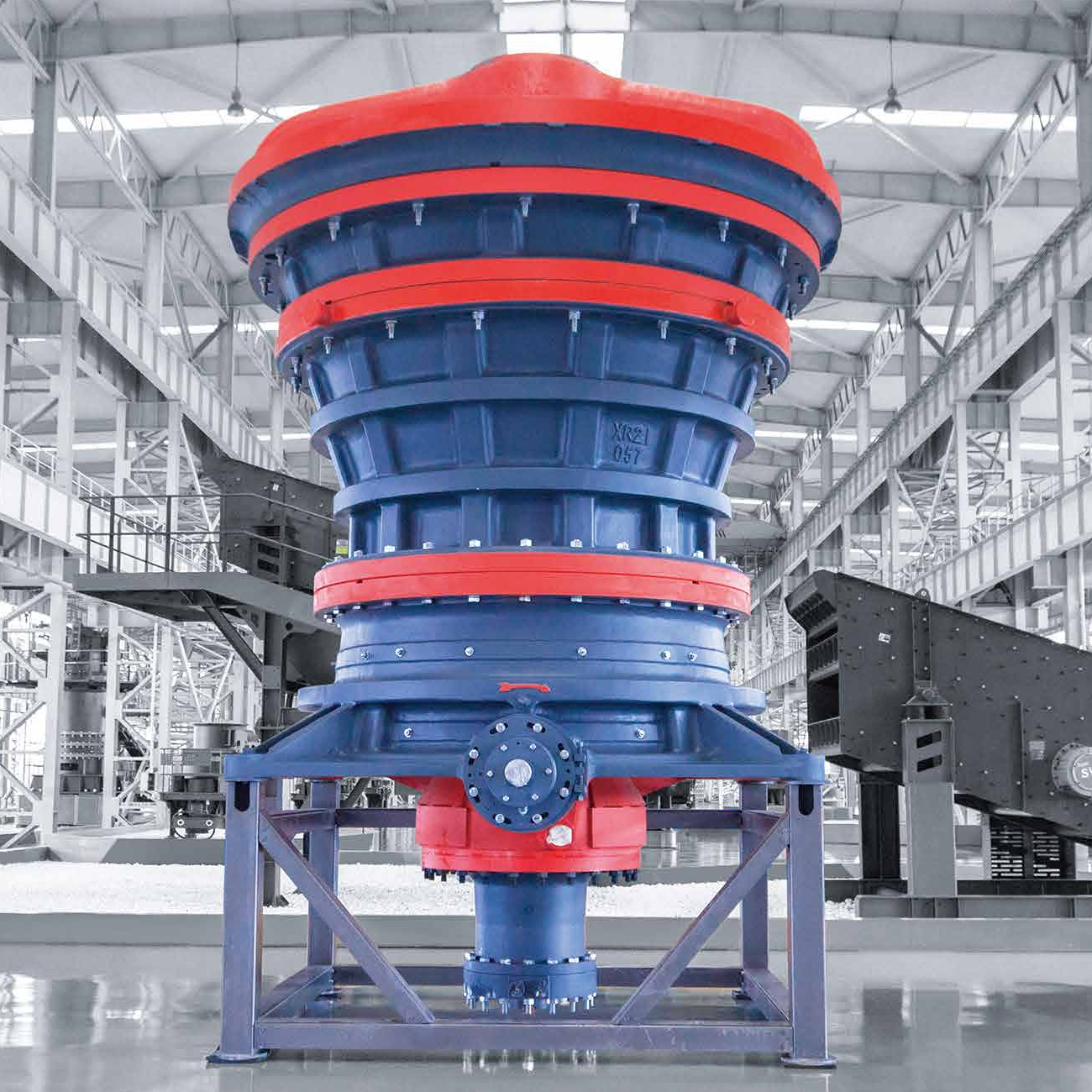
CLX Series Intelligent Hydraulic Gyratory Crusher
Guangdong CHUANGLI intelligent machinery Equipment Co., LTD
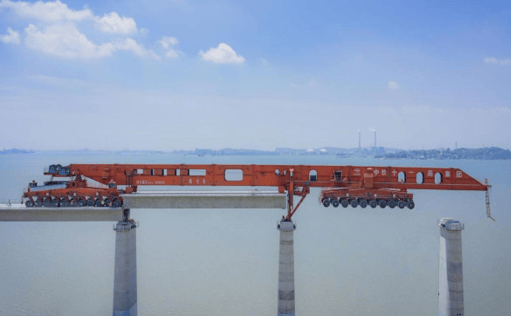
High-Speed Railway Lifting, Transporting, and Erecting Equipment: Integrated Transport and Erection Machine
Hanjiang Heavy Industry Co., Ltd. of China Railway 11th Bureau Group