NIST Releases Machine-Readable Technical Specification for Biometric Data
en.Wedoany.com Reported - On November 16, the U.S. National Institute of Standards and Technology (NIST) officially released the NIST IR 8616 technical report, establishing a machine-readable specification (MRS) technical framework for the ANSI/NIST-ITL 1-2025 biometric and forensic data exchange standard. The framework converts the technical requirements in the more than 600-page standard into structured JSON data and generates HTML specification files through automated build and validation tools, for use in biometric system development, software testing, and standards compliance review.

The new framework adopts a modular JSON architecture, dividing the standard requirements into four levels: records, fields, subfields, and information items. Each data unit contains information such as identifiers, field names, descriptions, applicable conditions, occurrence counts, and value constraints, and expresses the technical requirements under different encoding methods through a unified data structure.
To address the complex conditional constraints in the standard, NIST designed logic rules that can be processed by software. For example, in field 8.006 of Type 8 records, the field value is determined by the signature representation type of field 8.004. When the type value is 0 or 1, the horizontal line length must be 10 to 65535 pixels; when the type value is 2, the field must be 0. The relevant constraints have been converted into JSON structures containing conditional judgments, field references, and numerical ranges.
Specification development uses strongly typed JSON Schema and Python automation scripts. The complete machine-readable data is nearly 120,000 lines and is maintained in multiple JSON files split by function. The build program sequentially performs file merging, structural validation, HTML conversion, and output processing, and generates error location information containing the specific record type and field name when data is found not to meet Schema requirements.
NIST also completed prototype validation of automatically generating HTML standard text based on JSON data. The generation program uses only structured JSON data to reconstruct the standard requirements and automatically identifies reference relationships among record types, field numbers, information items, and related data tables, providing technical personnel with navigable specification text. Field 8.006 of Type 8 records has been used to cross-validate the consistency between JSON constraints and the original standard requirements.
The technical framework also establishes an open collaborative maintenance mechanism. NIST plans to accept external issue feedback, correction suggestions, and feature improvements through an open-source code repository; submitted content must pass Schema validation and professional technical review before being incorporated into maintained versions. As a digital companion document to the ANSI/NIST-ITL 1-2025 standard, the machine-readable specification can be used by developers, testing organizations, and auditors to build compliance checking tools and automated data processing workflows.
Related Products


Industrial and Commercial Point-Type Gas Detector
Jinan Benan Technology Development Co., Ltd.
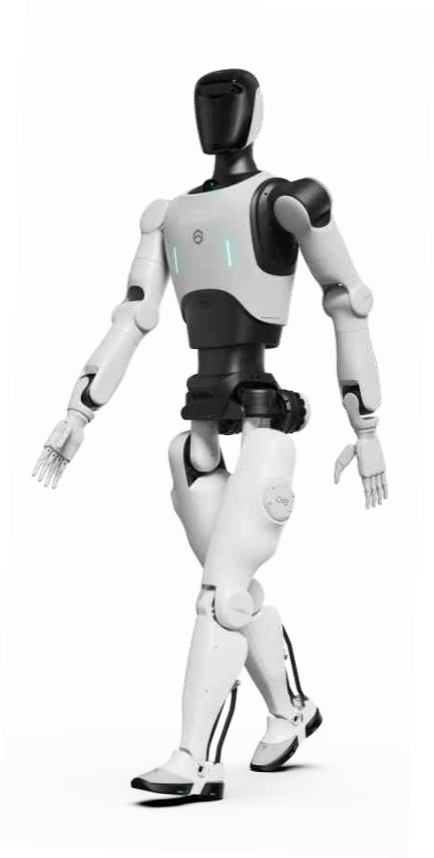
D12 Humanoid Robot
Automation Research Institute Co., Ltd. of China South Industries Group Corporation
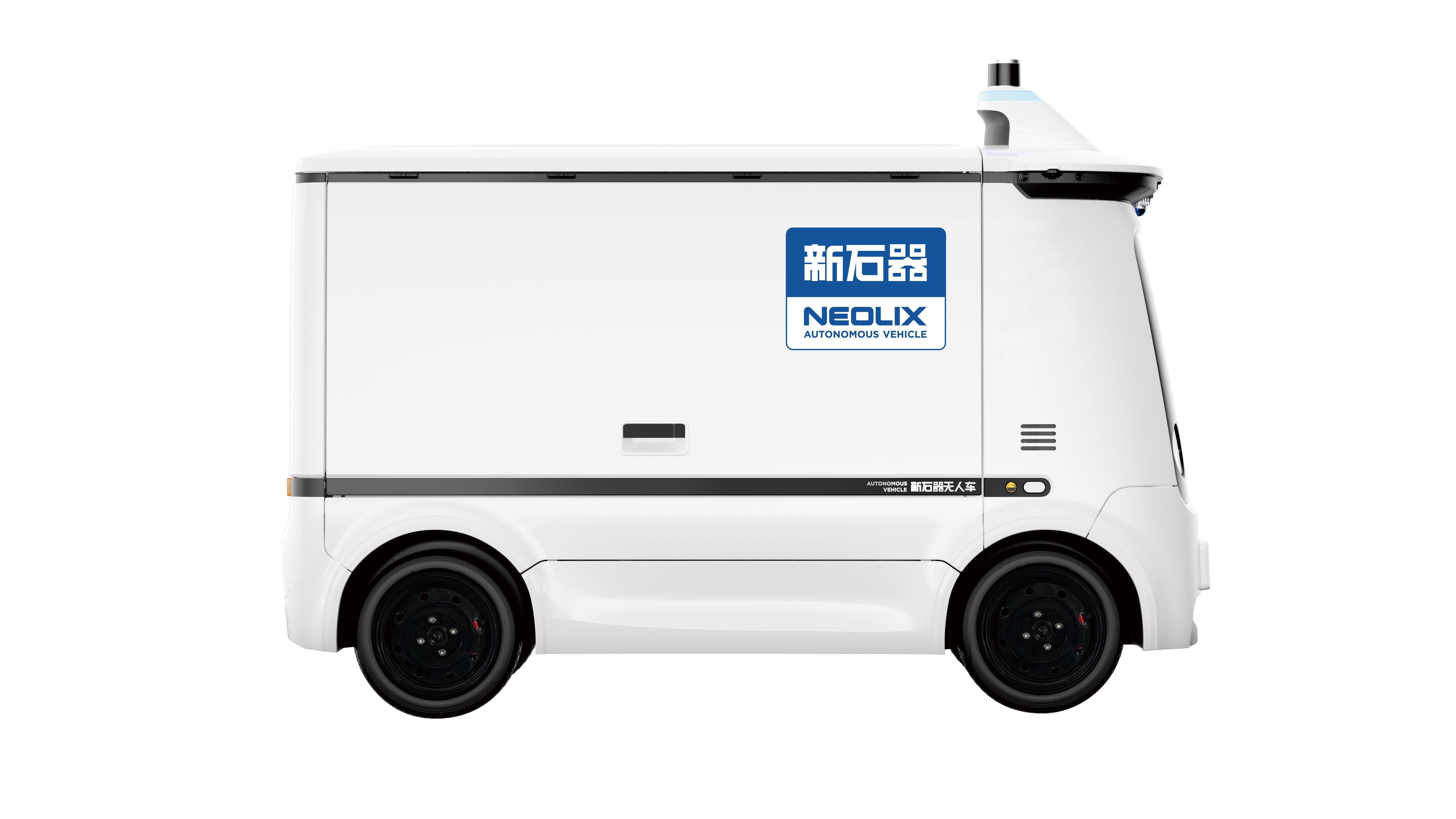

JiuTian OneSky Pilot—Intelligent Management And Service Platform
China Times Prospect Science & Technology Co., Ltd.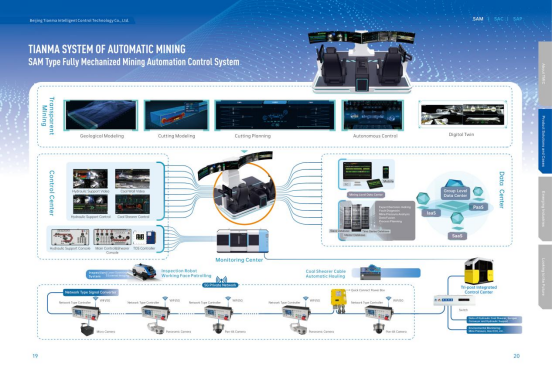
Comprehensive Mining Automation Control System
Beijing Tianma Intelligent Control Technology Co., Ltd.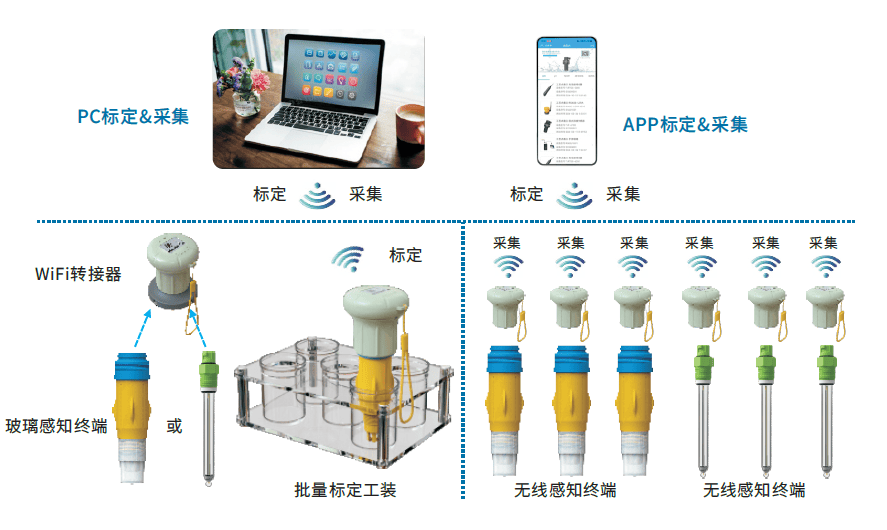

Conveyor Belt Intelligent Monitoring System
LUO YANG WIRE ROPE INSPECTION TECHNOLOGY CO., LTD.